- Language
Lossless Signal Transmission Cat7 Network Cable
Cat7 network cable is a professional high-grade shielded network cable tailored for long-distance and high-stability transmission engineering scenarios, focusing on solving signal attenuation and distortion problems in long-distance wiring. As a high-standard shielded network cable, it has a rated bandwidth of 600 MHz and can support a stable 10Gbps ultra-high-speed transmission rate at a distance of up to 150 meters, far exceeding the 100-meter transmission limit of ordinary household and engineering cables. Its core design goal is to achieve lossless signal transmission in long-distance engineering wiring, making it irreplaceable in large-span building networking and long-distance signal transmission projects.
The long-distance lossless transmission capability of Cat7 cable benefits from its full-shielding structural design. It adopts double-layer shielding of single-pair aluminum foil and overall braided mesh, which completely isolates external electromagnetic interference and internal crosstalk between wire pairs. In long-distance wiring scenarios such as factory park cross-area networking, campus long-span building connection, and suburban monitoring network layout, ordinary network cables will have serious signal attenuation, delay increase and data loss with the extension of distance, while Cat7 cables can maintain complete signal integrity and zero obvious transmission loss, ensuring consistent network speed and low delay throughout the whole distance.
Cat7 cable also has excellent extreme environment adaptability and transmission accuracy. It strictly complies with international Class F wiring standards, with extremely low bit error rate in data transmission, which can meet the long-distance real-time transmission requirements of high-precision monitoring data, industrial control signals and large-file data synchronization. Although its cost is higher than Cat6 and Cat6a cables, its unique long-distance lossless performance avoids the need for intermediate signal amplification equipment in long-distance engineering wiring, reducing overall project equipment investment and later maintenance costs. It is the optimal choice for professional engineering scenarios requiring long-distance, stable and lossless network transmission.
-
-
-
-
-
-
-
-
-
-
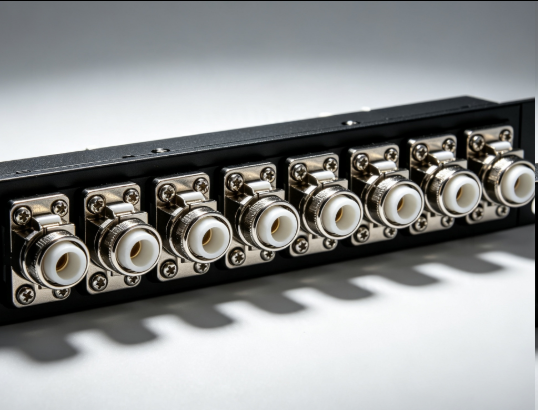
Flange Type Fixed Fiber Optic Adapter for Rack Panel
Sep 19, 2026955
-
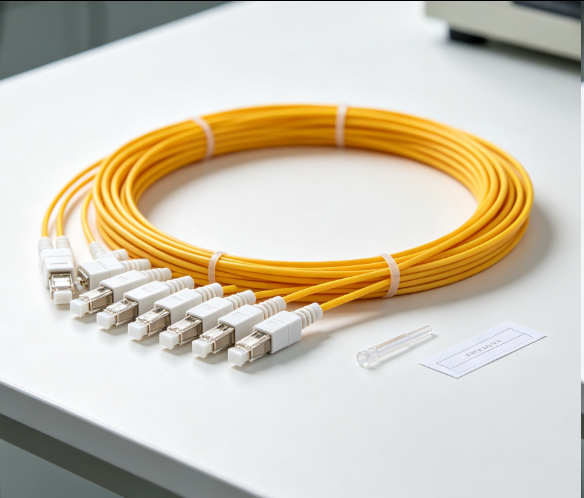
Fiber Pigtail 12 Cores SC UPC Single Mode
Sep 04, 2026930
-
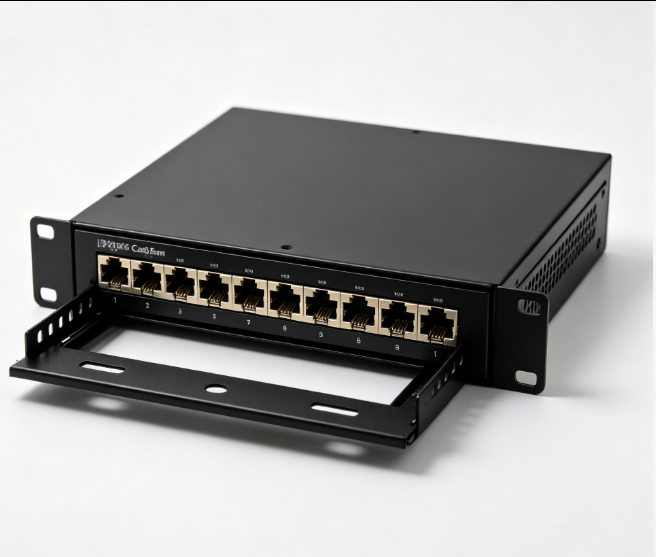
12 Port Cat6 Patch Panel Small Cabinet
Sep 12, 2026929
-
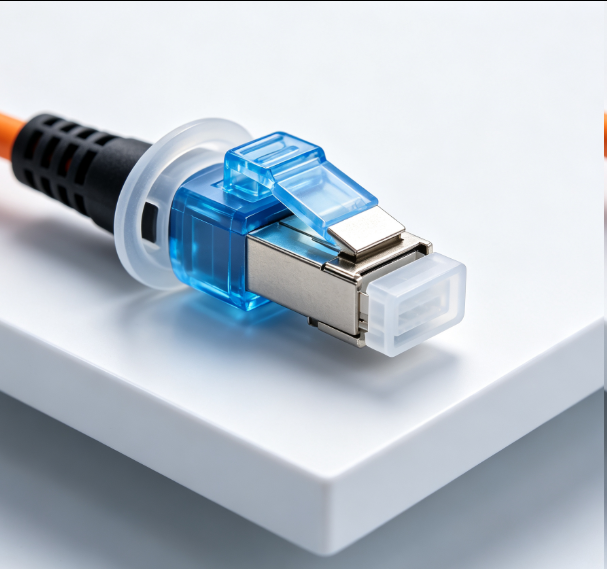
Dust Cap Equipped Fiber Patch Cable Protective
Sep 03, 2026929
-
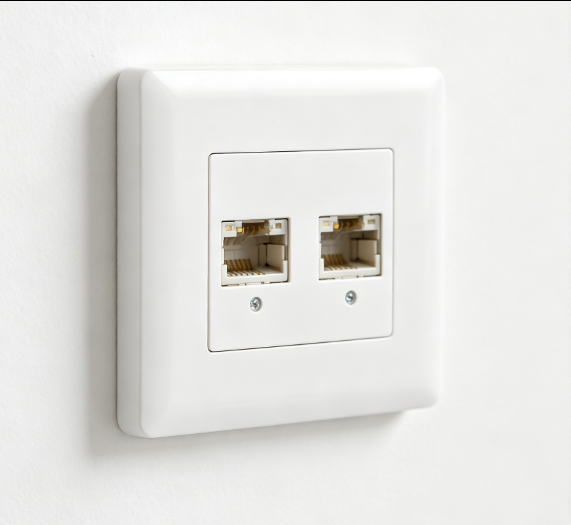
EU Standard Network Faceplate
Sep 11, 2026927