- Language
Network Cable Tray
A network cable tray is a special supporting and protective facility for centralized laying of network cables, optical fibers and weak current lines, and is an indispensable basic component in building intelligent wiring and network infrastructure construction. It is mainly installed in building ceilings, pipe shafts, equipment corridors and other hidden or open wiring areas, undertaking the functions of cable bearing, protection, routing guidance and standardized management. Compared with traditional pipe threading wiring, network cable trays have the advantages of simple construction, convenient maintenance, strong expandability and good heat dissipation performance, which are widely recognized in modern network engineering construction.
Network cable trays are mainly made of galvanized steel, stainless steel, aluminum alloy and other high-quality materials, with excellent compression resistance, impact resistance and anti-aging performance. The overall structure adopts integrated bending and welding process, with stable structure and strong bearing capacity, which can bear the weight of a large number of network cables and optical fibers without deformation or damage. The surface of the tray is treated with galvanizing, plastic spraying or oxidation resistance, which can effectively resist the erosion of moisture, dust and corrosive gas in the air, adapt to complex indoor and outdoor wiring environments, and prolong the service life of cables and the tray itself.
In terms of structural classification, network cable trays include trough type, ladder type, tray type and other types, which can meet different wiring scenarios. The closed trough type tray has good dust-proof and anti-interference effect, suitable for high electromagnetic interference environments such as industrial workshops; the ladder type tray has outstanding heat dissipation performance, suitable for large-scale cable laying in data centers. All types of trays are designed with standardized interfaces and splicing structures, which are convenient for quick assembly, docking and turning laying on site. Meanwhile, the layered wiring design can separate weak current network cables from strong current power lines, avoiding electromagnetic interference between lines and ensuring stable network signal transmission.
The application value of network cable trays is also reflected in safety and later operation and maintenance. The fully enclosed or semi-enclosed structure can effectively protect network cables from external extrusion, scratching and accidental damage, and reduce cable aging and failure rates. In case of line failure, maintenance personnel can directly open the tray cover for inspection and repair, without damaging the building structure, which greatly improves maintenance efficiency. In addition, the standardized laying mode of cable trays makes the network wiring more regular, convenient for line inventory, transformation and expansion, and provides long-term reliable structural protection for the safe and stable operation of building network systems.
-
-
-
-

-
-
-

-
-
-
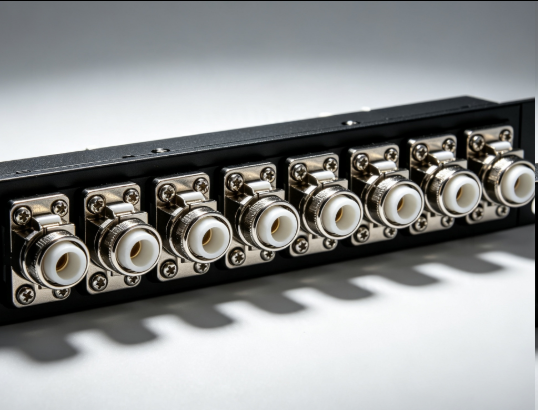
Flange Type Fixed Fiber Optic Adapter for Rack Panel
Sep 19, 2026955
-
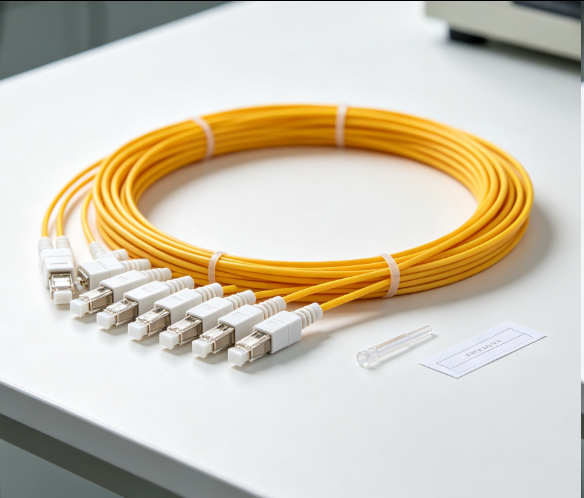
Fiber Pigtail 12 Cores SC UPC Single Mode
Sep 04, 2026930
-
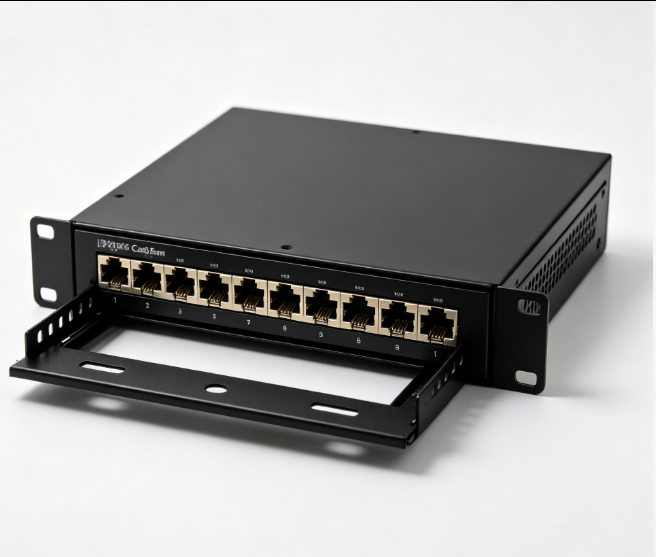
12 Port Cat6 Patch Panel Small Cabinet
Sep 12, 2026929
-

Dust Cap Equipped Fiber Patch Cable Protective
Sep 03, 2026929
-
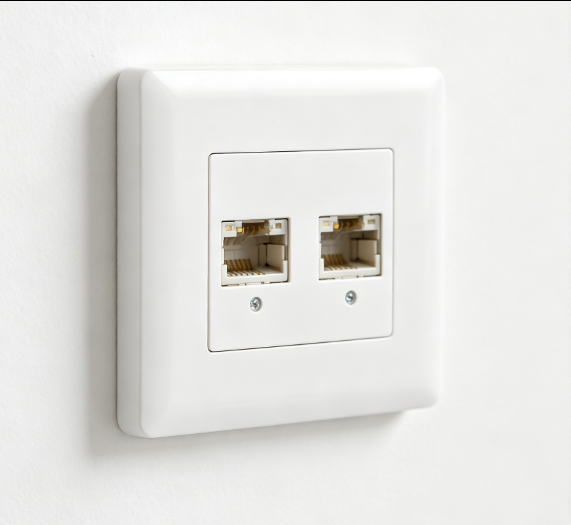
EU Standard Network Faceplate
Sep 11, 2026927