- Language
Outdoor Fiber Optic Cable: The Environment Sets the Structure, the Structure Sets the Life
The outdoors makes no concessions to cable. Sun, rain and snow, freeze-thaw cycles, salt fog, rodents and dragging during installation can each put an indoor-grade cable out of service within two years. Outdoor fiber optic cable is not simply indoor cable with a thicker jacket; it is a structure reorganised around the environment: water-blocking materials close off the paths moisture would take, strength members carry tension and lateral pressure, the sheath resists ultraviolet and abrasion, and the right armouring deals with rodents and mechanical impact.
1. Start from the installation method
Aerial, duct and direct burial are the three basic methods, and each points to a different structural emphasis. Aerial cable should be light and tensile, which is why central-tube or stranded designs with parallel steel wires are common; duct cable should resist lateral pressure and keep a moderate diameter so that pulling and bends stay manageable; direct-burial cable should resist compression, rodents and moisture, usually with steel tape or steel wire armouring and, where needed, an aluminium tape for water blocking. Fix the installation method first, and the selection list halves immediately.
2. Water blocking is the basic homework
Moisture that enters the cable core expands when it freezes at low temperature, raises loss in the presence of an electric field, and can even cause hydrogen loss, which is why water blocking underpins everything else outdoors. The usual approach blocks in three places: gel filling the loose tube, water-blocking yarn or tape around the tube, and a blocking layer between sheath and armour. A fully water-blocked cable still restricts longitudinal spread after the sheath is damaged, which matters most in direct burial and wet ducts. Selection should state clearly whether the cable is fully blocked or only longitudinally blocked.
3. Sheath material and weathering
Outdoor sheaths are normally medium- or high-density polyethylene, which resists ultraviolet, tolerates low temperature, has a low coefficient of friction and suits long exposure. Low-smoke zero-halogen compounds are considered only where flame retardance is required, since their weathering performance is generally below that of PE and ultraviolet and water absorption need assessing. Sheath thickness and uniformity directly affect abrasion resistance and moisture protection; a thin-walled cable is easily cut through during crushed-stone backfill. Carbon black content in a black sheath is itself a weathering index.
4. Strength members and mechanical figures
Metal strength members such as phosphated steel wire and steel tape are strong and inexpensive, but earthing and lightning need attention. Non-metallic members such as aramid yarn or fibreglass-reinforced plastic rods are insulating and need no earthing, which suits strong electric fields and lightning-prone areas. Tensile load, compression, repeated bending and torsion should be calculated against the actual project conditions rather than read off a datasheet. Aerial cable also has to account for wind and ice load, and direct-burial cable for backfill and vehicle loading.
5. Temperature and local details
Outdoor temperature swings are wide, and the low-temperature performance of sheath and gel decides whether winter installation goes smoothly. The usual operating range runs from minus forty to plus seventy degrees Celsius, with special types required beyond that. Salt-fog areas call for attention to sheath and metal corrosion; rodent-prone areas may need steel wire armouring or a rodent-resistant sheath; termite regions have their own measures. None of these are default items on a selection table; they have to be added for the place the project is built.
6. Joints and accessories matter just as much
However good the cable, a poorly made joint will let water in. The closure should match the cable structure, and installation should follow the procedure for cleaning, cutting and coiling, with sealant and clamps properly applied. Spare cable should not be coiled too tightly and should be fixed securely so that it does not swing over time. Aerial joint positions should avoid standing water and bird activity. It is worth keeping a record of which closure type was used on which section, because a leak years later is much quicker to trace when that information exists.
7. Installation and acceptance
Pulling force should act on the strength members, never directly on the sheath; pulling speed and length should stay within the specified limits; hard bends in duct should be avoided and guides used at corners. Before backfill, check the sheath for scratches and repair or replace where necessary. Acceptance covers appearance, length, attenuation and return loss, joint sealing and as-built documentation, with test records kept by section and wavelength so that faults can be located later.
8. Selection checklist
Fix the installation method first, then the water-blocking grade, then check sheath material, strength member type, temperature range, armouring form and reel length; confirm test reports and certificates; and confirm that accessories and closures match. Go through these in order, and the cable will last the years it is meant to last in real conditions.
-

-

-

-

-

-

-

-

-

-

Dustproof Cover Equipped Network Patch Panel
Oct 10, 20261117
-

How to wire a French switch outlet
Oct 28, 20261112
-

Network Cable Break Point Detector Tester
Oct 09, 20261089
-

Cat6 Lan Cable Length Limit for Gigabit
Oct 24, 20261085
-
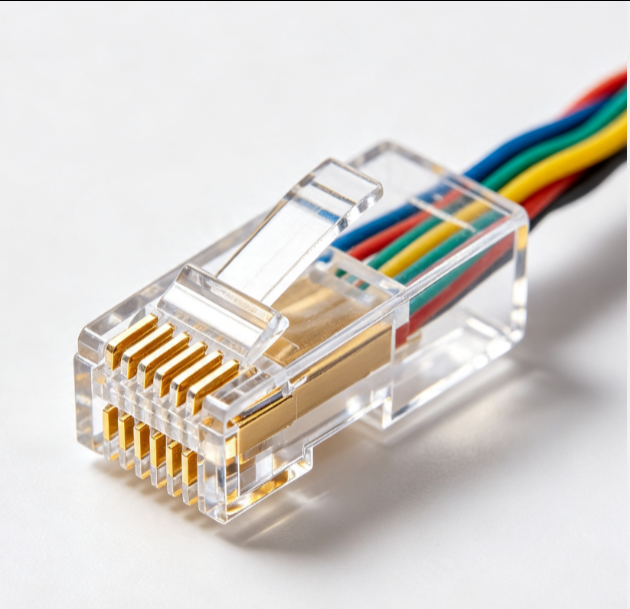
RJ45 Connector Cat6 for DIY Cable Making
Nov 20, 20261032