- Language
cat6 network cable,Category 6 network cable core compatibility parameters
cat6 network cable, namely Category 6 network cable, is the most widely used high-speed network transmission wire in current integrated cabling systems. It features full-speed gigabit transmission and short-term 10-gigabit compatibility. With the advantages of standardized, highly compatible and stable adaptation parameters, it fully covers mainstream networking scenarios such as household, commercial, office and small computer room environments. Different from the low-frequency transmission limitations of Category 5e network cables, cat6 network cable has an exclusive standardized adaptation parameter system, covering four core dimensions: electrical transmission parameters, physical structure parameters, port adaptation parameters and environmental adaptation parameters. All parameters strictly comply with TIA/EIA-568-C.2 and ISO/IEC 11801 international wiring specifications, serving as an essential foundation for ensuring lossless network transmission, accurate equipment adaptation and long-term stable link operation.
In terms of core electrical adaptation parameters, cat6 network cable has a rated transmission bandwidth of 250MHz, twice the 125MHz bandwidth of Category 5e cables, which is its core parameter advantage for supporting high-speed data transmission. This bandwidth parameter can stably sustain continuous 1000Mbps gigabit transmission and is compatible with 10Gbps 10-gigabit burst transmission within a short distance of 55 meters, perfectly adapting to the parameter requirements of mainstream current gigabit network equipment and upgraded 10-gigabit networking equipment. In terms of crosstalk and loss adaptation, cat6 network cable strictly controls near-end crosstalk, far-end crosstalk, insertion loss and return loss parameters, with extremely low signal attenuation during high-frequency transmission. It effectively solves the problems of signal distortion, packet loss and stuttering in high-frequency data transmission, and adapts to the bandwidth parameter requirements of large file transmission, high-definition video streaming, cloud synchronization and multi-device concurrent transmission, avoiding network performance loss caused by parameter mismatch. Meanwhile, the cable supports standard PoE power supply parameter adaptation, compatible with mainstream PoE switches, APs and surveillance cameras, realizing synchronous transmission of data and power and meeting the parameter requirements of intelligent weak current networking.
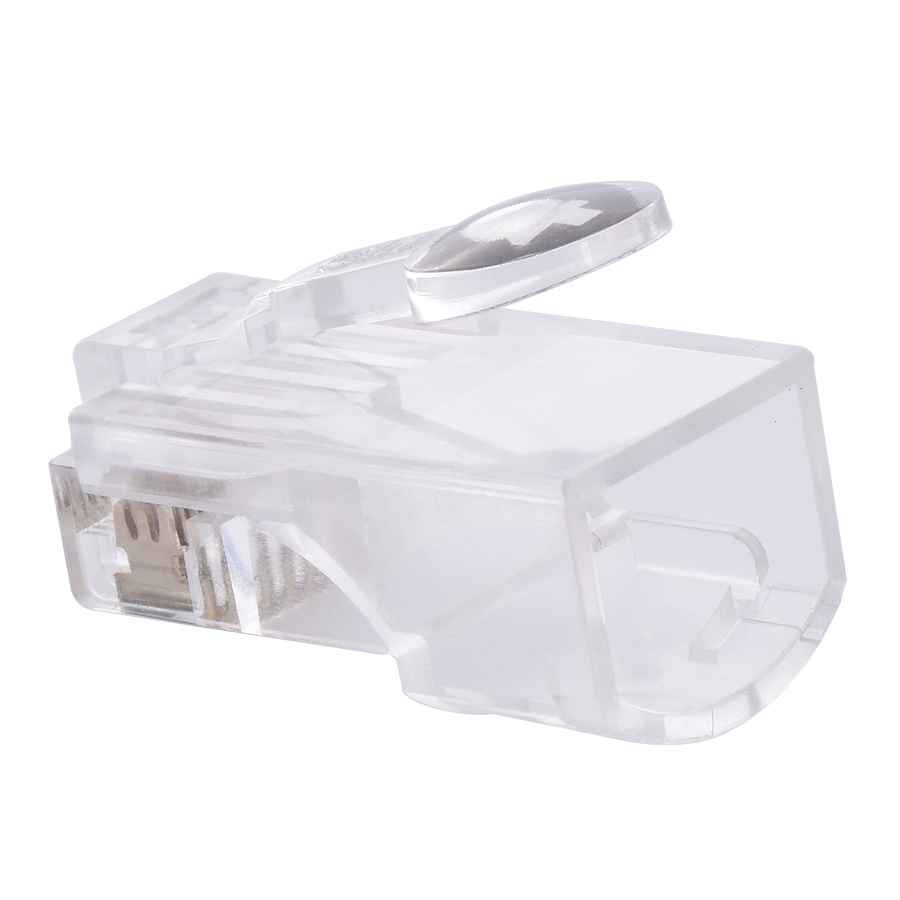
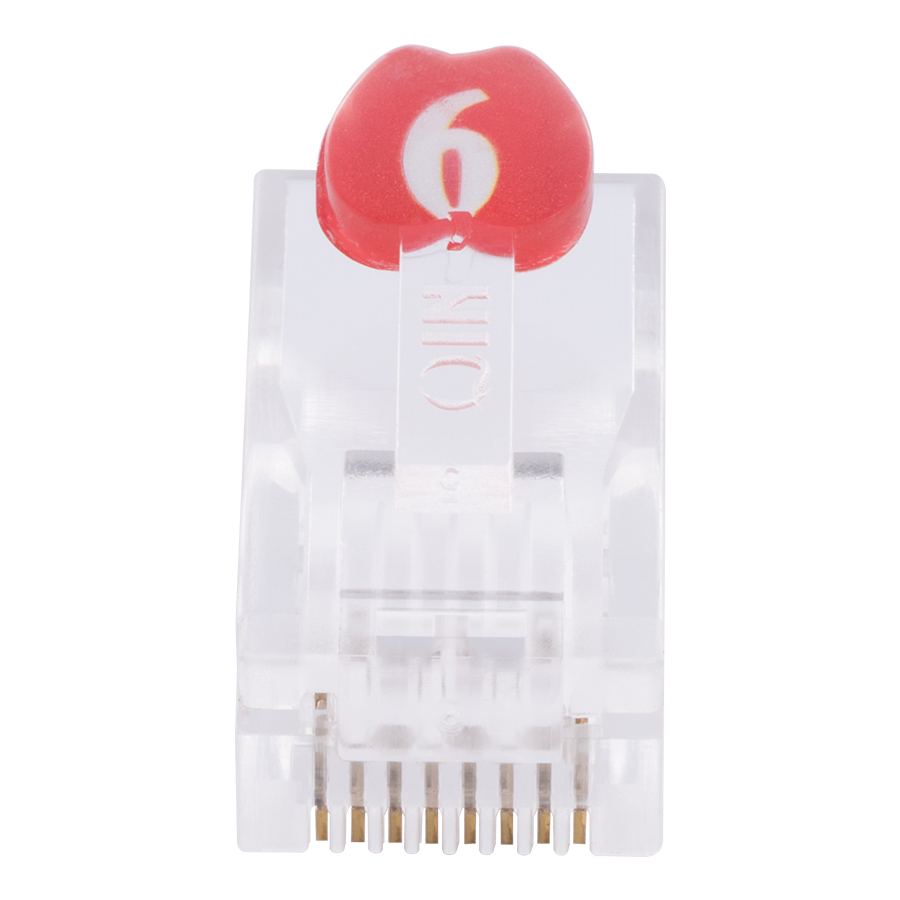
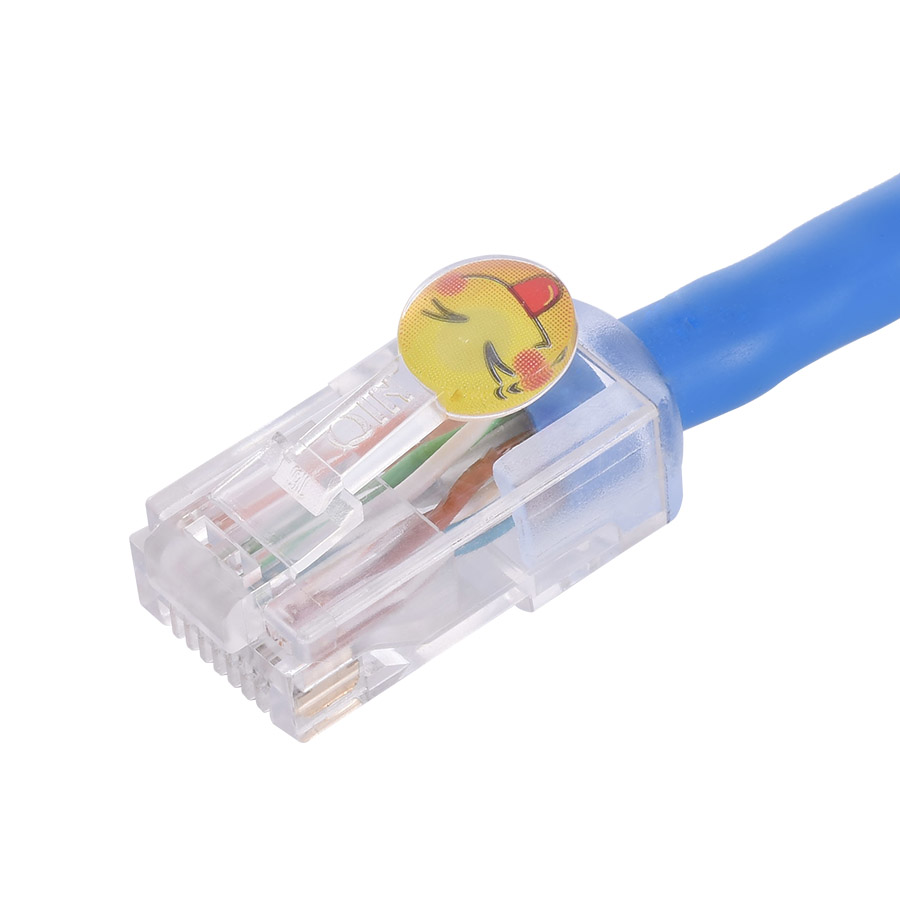
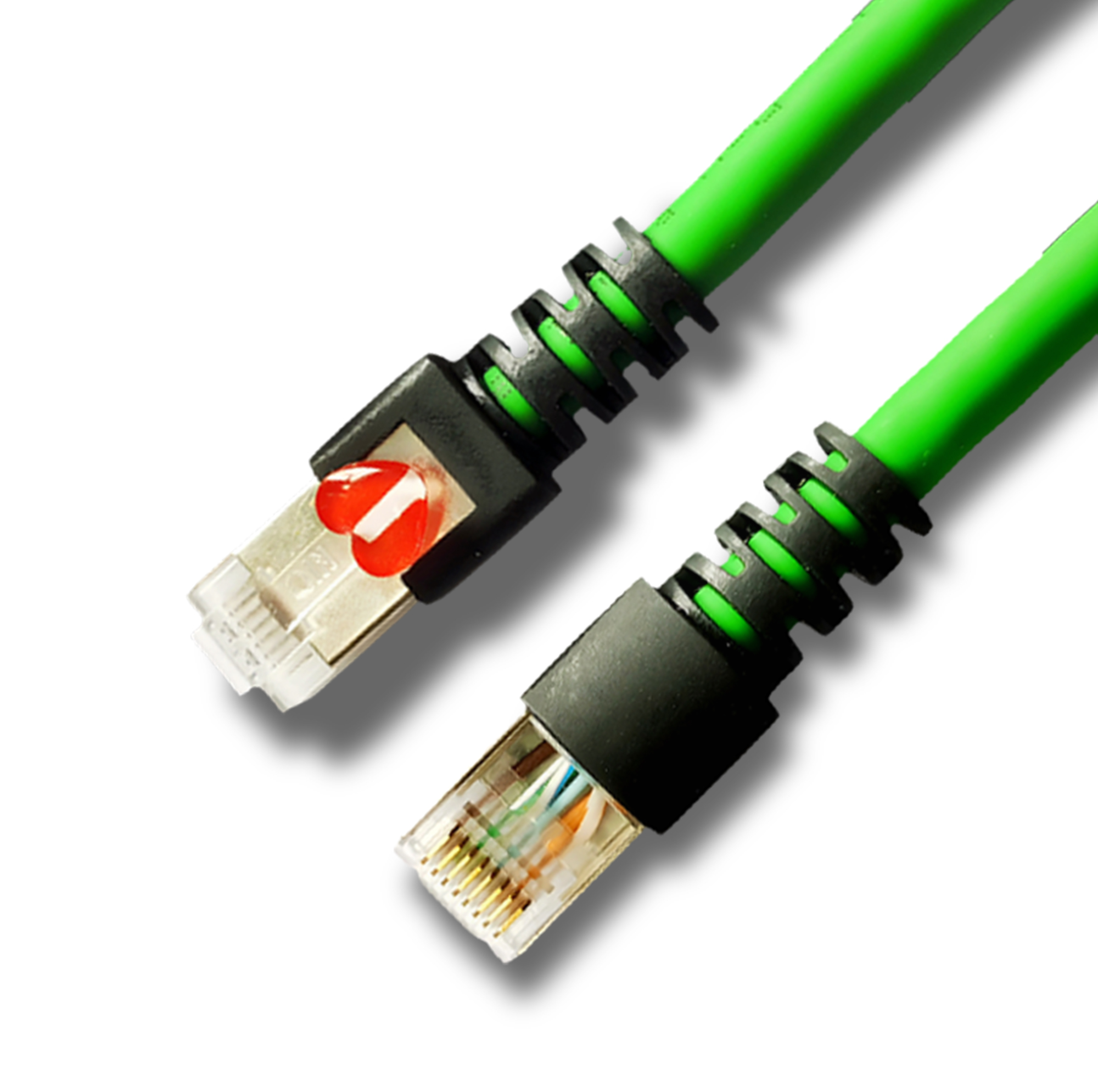
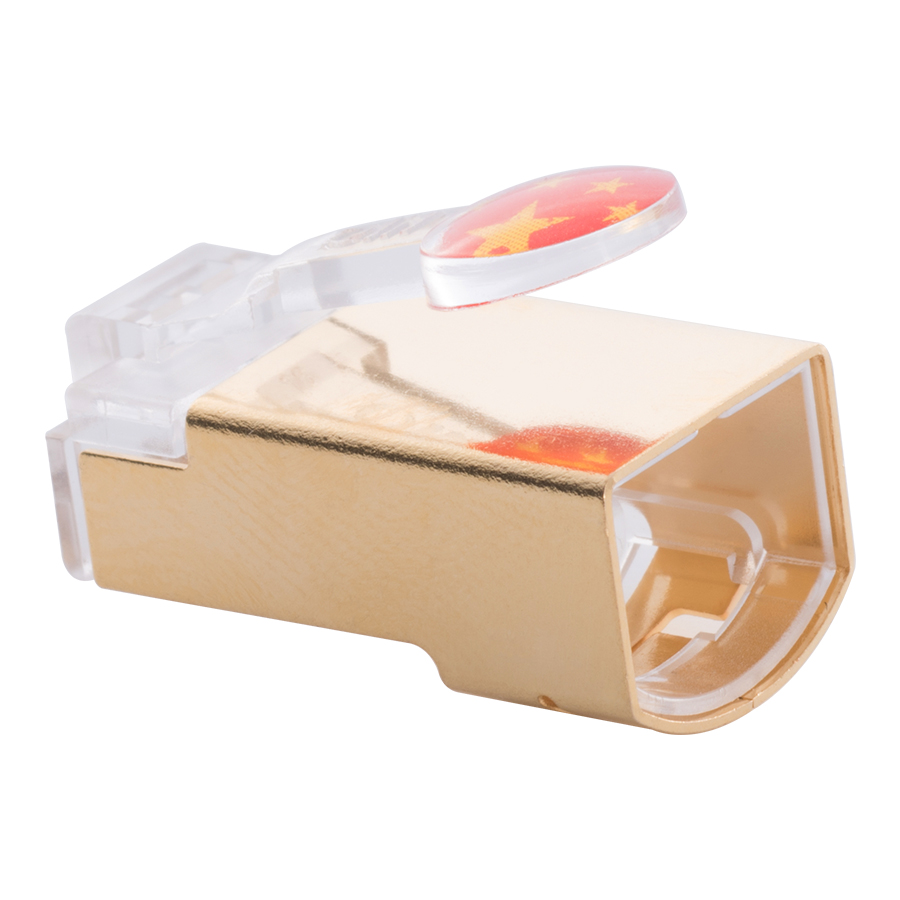
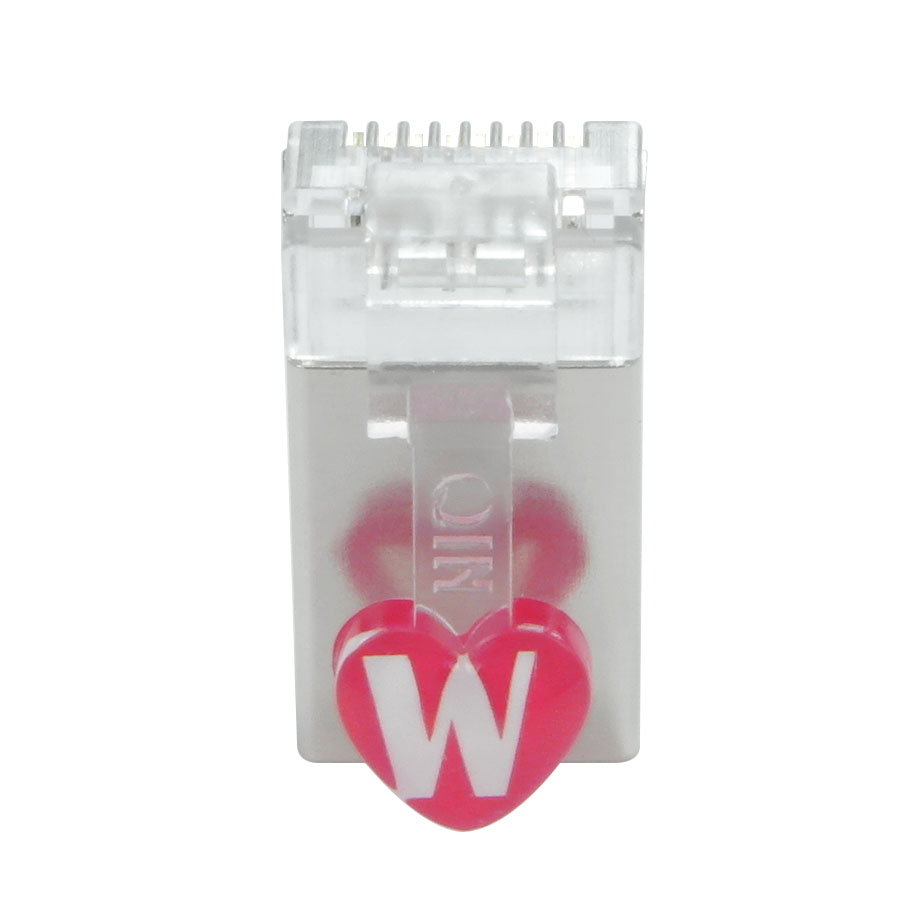
Physical structure adaptation parameters are the key to the high compatibility of cat6 network cable. Standard industrial cat6 network cable adopts 23AWG solid oxygen-free copper conductors with uniform wire thickness and stable resistance parameters, and its impedance accurately matches the ports of mainstream network equipment to avoid signal attenuation caused by impedance misalignment. The built-in exclusive cross isolation skeleton precisely fixes the spacing of four wire pairs and unifies the twisting parameters of wire pairs, suppressing high-frequency crosstalk from the physical structure, which is a core adaptive parameter not available for ordinary network cables. Its standard outer diameter and jacket size are perfectly compatible with conventional RJ45 Category 6 modular plugs, network panels, patch panels, jumpers and other wiring accessories. The interface engagement accuracy, clamping force and sealing parameters are fully matched to prevent adaptation faults such as loose termination and poor contact, adapting to various standardized wiring and construction scenarios.
In terms of equipment and scenario adaptation parameters, cat6 network cable has strong universal compatibility and can perfectly match all gigabit and 10-gigabit level network terminal devices, including mainstream hardware such as switches, routers, computer terminals, smart TVs, network printers, indoor APs and high-definition monitoring equipment. Compared with low-specification network cables, it has sufficient parameter redundancy, which can adapt to the iterative upgrading of network bandwidth in the next 3 to 5 years, and does not require cable replacement for network speed improvement and renovation. In terms of environmental adaptation parameters, conventional indoor cat6 network cable adapts to a normal temperature range of -20℃ to +60℃, with qualified moisture-proof, dust-proof and aging-resistant parameters, and can operate stably for a long time in conventional indoor scenarios such as offices, homes, campuses and shopping malls, with stable parameters unaffected by ordinary indoor environments.
In conclusion, the various standardized adaptation parameters of cat6 network cable form a complete high-speed network transmission adaptation system. It not only meets the physical adaptation requirements of hardware ports and wiring accessories, but also matches the electrical parameter requirements of high-speed transmission and PoE power supply, while adapting to the environmental operation standards of mainstream networking scenarios. With accurate and comprehensive adaptation parameters, cat6 network cable has become a mainstream cabling wire that balances cost performance, stability and versatility, adapting to most civil and commercial high-speed networking needs and serving as a core basic wire for modern standardized network construction.
-
-
-
-
-
-
-
-
-
-
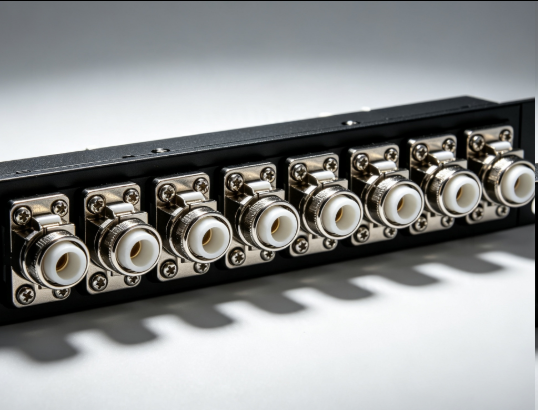
Flange Type Fixed Fiber Optic Adapter for Rack Panel
Sep 19, 2026955
-
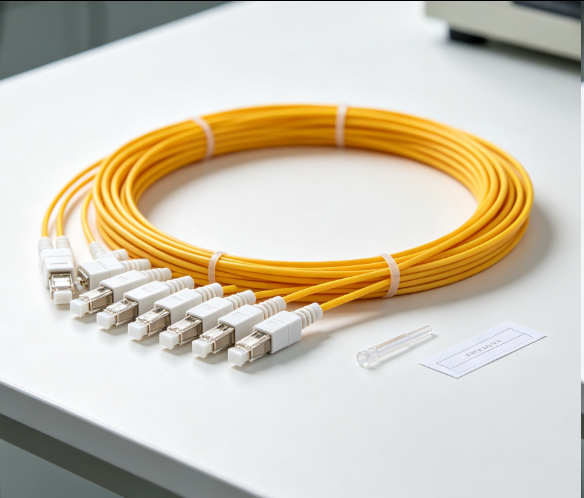
Fiber Pigtail 12 Cores SC UPC Single Mode
Sep 04, 2026930
-
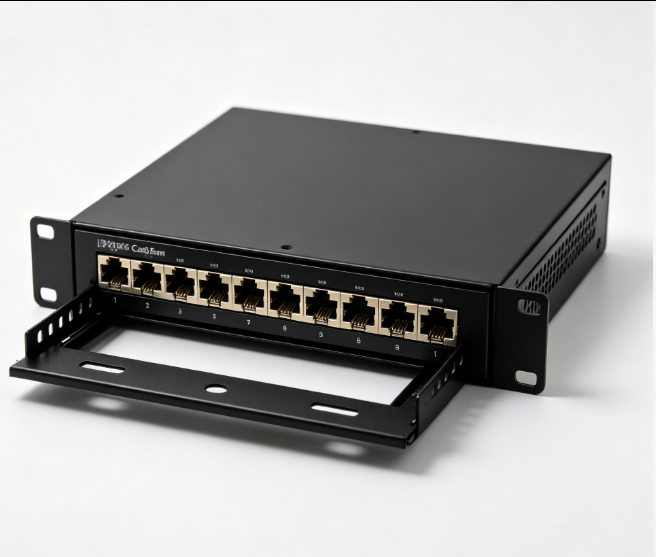
12 Port Cat6 Patch Panel Small Cabinet
Sep 12, 2026929
-
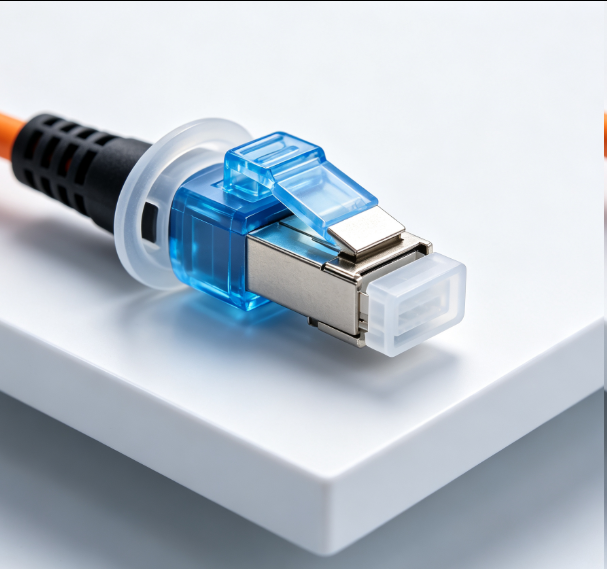
Dust Cap Equipped Fiber Patch Cable Protective
Sep 03, 2026929
-
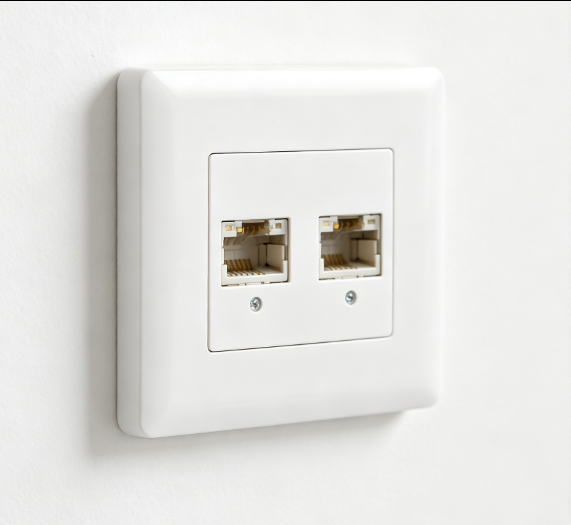
EU Standard Network Faceplate
Sep 11, 2026927