- Language
cat6 patch codes
In the construction of integrated wiring systems, most users focus on wire materials and transmission speeds, while easily ignoring the decisive impact of wiring coding standards on network performance. Standardized line coding and sequencing rules serve as the underlying foundation to ensure high-speed and stable data transmission in local area networks, and are also the key to avoiding common network problems such as delay, packet loss and crosstalk. As a mainstream commercial and household wiring system, compliant Category 6 wiring coding specifications directly define the transmission upper limit and operational stability of wires, profoundly affecting the user experience of various network scenarios.
The network wiring coding system is mainly based on TIA/EIA industrial standards, including two general wiring specifications of T568A and T568B. The line sequence arrangement differences between the two coding rules are the core design for adapting to different transmission conditions and optimizing signal transmission paths. Different from the appearance specifications of ordinary wires, wiring coding is a technical criterion hidden in joint production and line docking. The seemingly simple wire color sequencing accurately matches the physical transmission characteristics of Category 6 wires, maximizes the transmission capacity of the standard 250MHz bandwidth, and gives full play to the gigabit and short-distance 10-gigabit transmission performance.
From the core dimension of transmission performance, standardized coding arrangement can greatly reduce wire pair crosstalk. Category 6 wires adopt a four-pair twisted-pair structure, and different wire pairs carry data signals of different frequency bands. Disordered wiring coding and mixed line sequences will directly break the twist pitch balance of wire pairs, causing serious near-end and far-end crosstalk. Such hidden faults will not directly lead to network disconnection, but will cause data transmission distortion, packet loss, and frequent problems such as high-definition video stuttering, large file transmission interruption and real-time office delay. Strict construction in accordance with standardized coding can ensure the signal isolation of each wire pair, avoid mutual signal interference, and guarantee the integrity of data transmission.
Stable coding standards lock the rated transmission performance of wires and prevent performance shrinkage. The Category 6 wiring system constructed in compliance with specifications can stably maintain a normal transmission rate of gigabit per second, and support 10-gigabit high-speed transmission within a short distance of 55 meters, fully adapting to high-frequency bandwidth requirements such as broadband upgrading, cloud office, high-definition monitoring and e-sports networking. On the contrary, wires with non-standard coding will suffer from insufficient bandwidth utilization and fluctuating transmission rates even with high-quality oxygen-free copper wires, failing to exert the performance of high-end network equipment and resulting in waste of hardware resources.
Meanwhile, unified wiring coding greatly improves the compatibility and stability of network transmission. Standardized line sequence coding is compatible with all compliant RJ45 interface devices, including switches, routers, wireless APs and network terminals. It ensures synchronous signal transmission during docking of different devices and avoids adaptation faults caused by disordered wiring. In complex scenarios such as computer room integrated wiring, whole-house networking and multi-layer enterprise wiring, unified coding rules facilitate line inspection, fault maintenance and system expansion, maintain efficient network transmission for a long time, and reduce operation and maintenance costs.
The root cause of many network performance faults lies in non-standard coding construction rather than poor quality of wires and equipment. In daily networking, frequent problems such as private random wiring, confused line sequences and mixed use of AB standards have become the core inducements of network stuttering and unstable network speed. For scenarios pursuing efficient transmission, strictly abiding by industrial coding standards is a key means to optimize network performance at low cost and consolidate the transmission foundation, as well as a core prerequisite for the long-term stable operation of Category 6 wiring systems.
In conclusion, wiring coding specifications are the core guarantee for Category 6 network transmission performance, with its value running through the whole process of network construction, operation and maintenance. Standardized line sequence arrangement avoids signal interference and performance loss, fully releases the bandwidth and rate advantages of wires, provides continuous, stable and high-speed data transmission support for various digital scenarios, and serves as an unignorable core technical detail of modern high-quality network wiring.
-
-
-
-
-
-
-
-
-
-
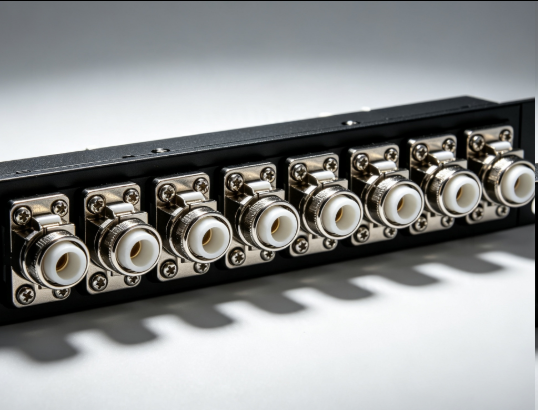
Flange Type Fixed Fiber Optic Adapter for Rack Panel
Sep 19, 2026955
-
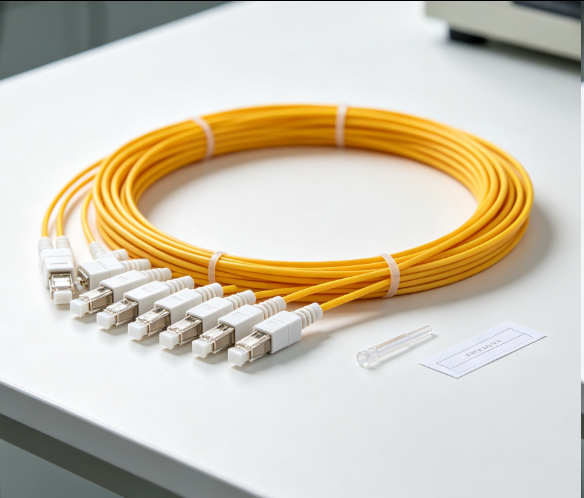
Fiber Pigtail 12 Cores SC UPC Single Mode
Sep 04, 2026930
-
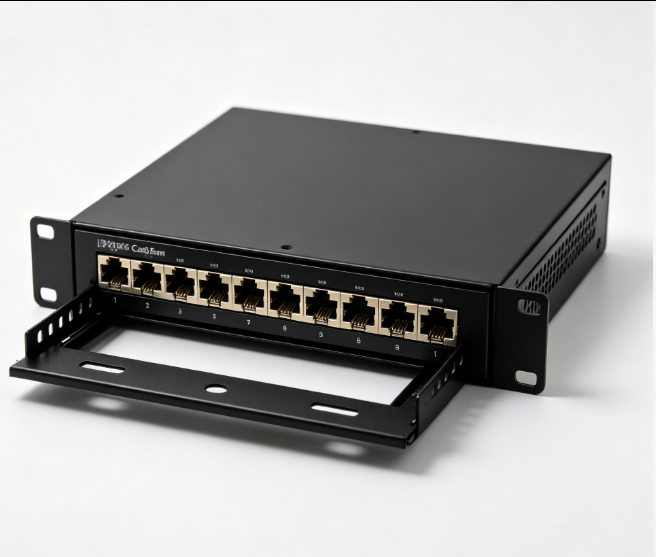
12 Port Cat6 Patch Panel Small Cabinet
Sep 12, 2026929
-
Dust Cap Equipped Fiber Patch Cable Protective
Sep 03, 2026929
-
EU Standard Network Faceplate
Sep 11, 2026927