- Language
cat6 utp patch cord 2m
Cat6 UTP 2M Unshielded Patch Cord: Building Low-Crosstalk High-Speed Transmission Link with Precise Twisted Pair Structure
In the integrated cabling industry, the transmission limit, stability and anti-interference ability of network cables ultimately depend on the internal physical structure, and the twisted pair structure is the core technical framework of Category 6 unshielded patch cords. The Cat6 UTP 2m unshielded patch cord is specially designed for short-distance precision wiring scenarios. Based on the upgraded standard Category 6 twisted pair structure, it optimizes wire pair arrangement, twisting angle, isolation structure and insulation layers, fundamentally solving industry pain points such as network crosstalk, signal attenuation and transmission distortion from the physical structure level. As a short-size specification with 2 meters, it is suitable for direct connection of desktop terminals, adjacent cabinet docking and short-distance home networking. Combining compact cable size with mature and sophisticated twisted pair architecture, it has multiple advantages including compact wiring, low-loss transmission and long durability. It is a high-quality network connection cable that excels in structure for commercial engineering wiring and home high-speed networking. This article focuses on the twisted pair structure to deeply analyze the structural principle, structural advantages and practical value of this patch cord.
1. Basic Twisted Pair Architecture with Standardized 4-Pair 8-Core Wiring Structure
Strictly complying with international wiring standards, this Cat6 UTP 2m unshielded patch cord adopts a classic and upgraded4-pair 8-core twisted pair basic structure, containing 4 groups of mutually twisted insulated copper wires with a total of 8 conductor cores, different from the simple arrangement of low-specification network cables. The conductors are made of 24AWG high-purity bare copper with a purity of 99.99%. The single conductor features uniform thickness and constant resistance, laying an excellent conductive foundation for twisted pair signal transmission. The four wire pairs are distinguished by standardized color codes: white-orange, orange, white-green, green, white-blue, blue, white-brown and brown. The standardized color arrangement facilitates manual wiring and maintenance inspection, adapts to general RJ45 crimping technology, and complies with all integrated cabling construction specifications.
The core principle of twisted pairs is electromagnetic cancellation technology. Every two insulated cores are intertwined to form a wire pair, which uses the twisted structure to offset electromagnetic induction generated during transmission and weaken self-interference and electromagnetic radiation caused by single-wire transmission. Abandoning the rough design of uniform twist pitch for ordinary network cables, this patch cord adopts an asymmetric variable-pitch twisting process. The four wire pairs are set with different twist pitches, and the twisting times per inch are precisely controlled to avoid resonance interference between wire pairs, reducing near-end crosstalk and far-end crosstalk from the basic architecture. The 2-meter short cable does not need excessive stretching and bending, which can completely retain the original factory twisted shape without structural dislocation and twist pitch deformation caused by cable stretching, maximizing the anti-interference performance of the twisted pair structure.
2. Internal Reinforced Structure with Cross Skeleton Optimizing Twisted Pair Arrangement
Different from the simple flat-laid twisted pair structure of Cat5e network cables, this Cat6 patch cord is upgraded with an integrated PE insulated cross skeleton, which is the iconic structural configuration of Category 6 twisted pairs and the key structure to improve short-distance transmission stability. Located in the center of the cable, the cross skeleton evenly separates the four pairs of twisted wires into four independent grooves to realize physical isolation, completely eliminating electromagnetic coupling interference caused by close fitting between wire pairs and solving the problem of multi-line crosstalk in high-density wiring environments. Made of high-density polyethylene insulating material, the skeleton has high toughness, excellent insulation and strong deformation resistance, which can maintain the regular internal structure of the cable for a long time.
The cross skeleton rotates evenly along the cable length, fitting the twisting direction of twisted pairs and adapting to the winding radian of wire pairs to avoid core extrusion damage caused by rigid support. With the 2-meter short cable body, the skeleton is not easy to twist, bend or collapse, achieving higher structural stability than long-distance network cables. Meanwhile, the skeleton can strengthen the mechanical compression resistance of the cable, buffering external pressure during wiring extrusion and storage, protecting the twisted shape of internal twisted pairs from damage and preventing signal attenuation caused by structural deformation. The scientific combination structure of skeleton and twisted pairs enables the patch cord to maintain stable electrical performance in compact wiring scenarios such as closed desktops and narrow cabinets, meeting the 250MHz high-bandwidth transmission requirements.
3. Layered Protection Structure Wrapping Twisted Pairs to Enhance Durability
To protect the sophisticated internal twisted pair architecture, the cable adopts a multi-layer composite protection structure, consisting of conductor insulation layer, filling isolation layer and outer protective sheath from the inside to the outside, firmly stabilizing the internal wiring structure layer by layer. Each copper core is individually wrapped with a high-density HDPE insulation layer with uniform thickness and strong adhesion. It not only isolates the leakage risk of single core, but also fixes the core shape to prevent loose and displaced twisting of twisted pairs. The insulating material is temperature-resistant and aging-resistant, with an applicable temperature range from -20℃ to 60℃. It adapts to variable indoor environments and avoids temperature deformation damaging the twisting accuracy of twisted pairs.
An environmentally friendly filling isolation layer is added between the insulated wire pairs and the cross skeleton to fill internal gaps, reduce internal cable shaking, fix the relative positions of the four twisted pairs, and prevent wire pair offset and dislocation during handling and plugging. The outermost layer is made of flame-retardant environmentally friendly PVC outer sheath, meeting CM fire rating and RoHS environmental certification. It is flexible, wear-resistant, tensile and corrosion-resistant. The 2-meter short cable body with high-strength protection structure can withstand tens of thousands of bends without deformation, and the joint is not prone to internal twisted pair fracture or outer skin cracking. The entire protection structure closely fits the twisted pairs without changing the internal twisting parameters, while isolating external dust, moisture and slight electromagnetic interference, balancing structural stability and wiring flexibility.
4. Connector Adaptation Structure Connecting Twisted Pairs for Lossless Transmission
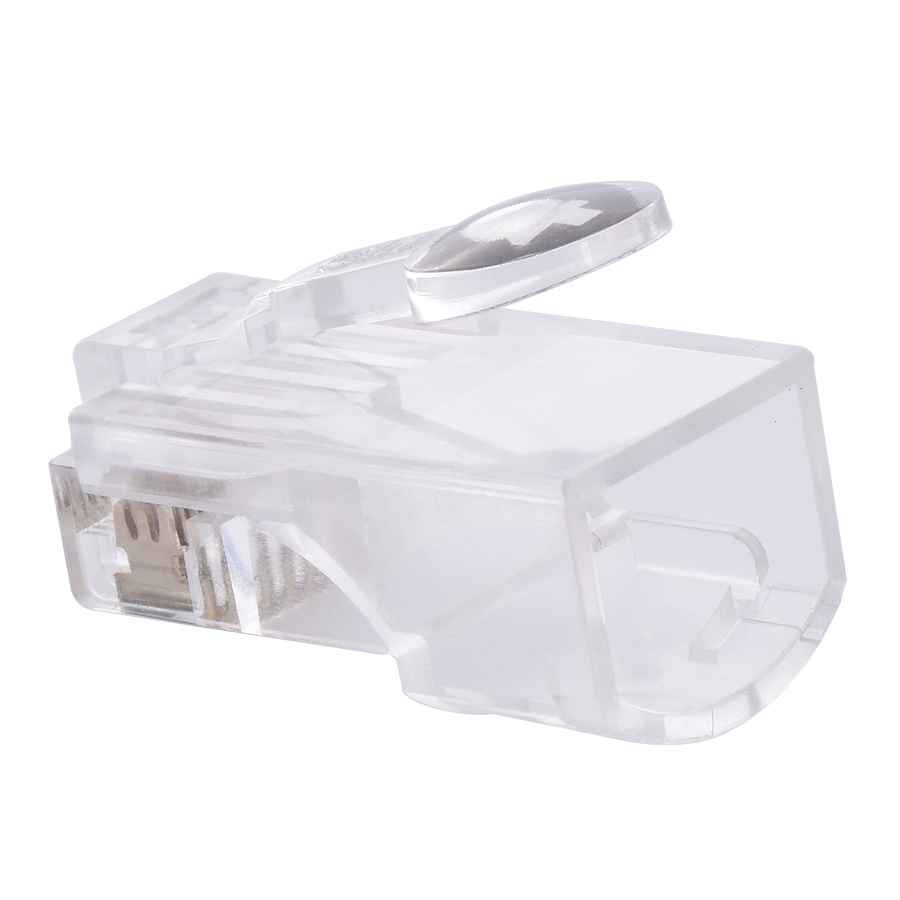
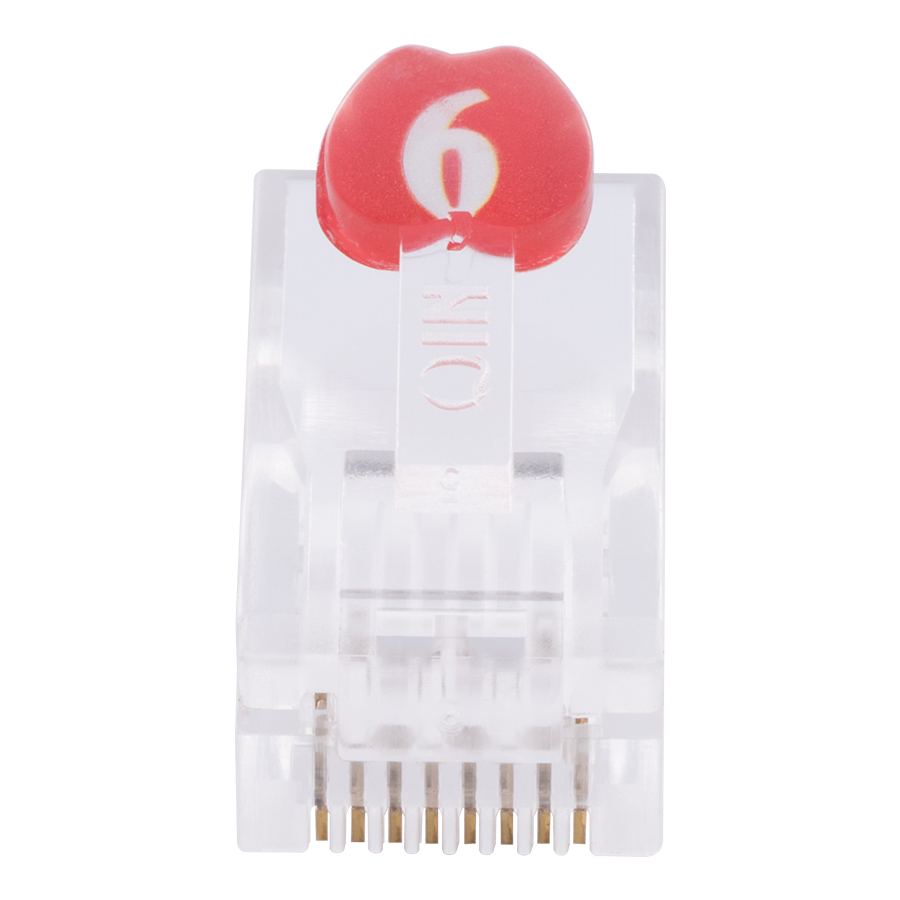
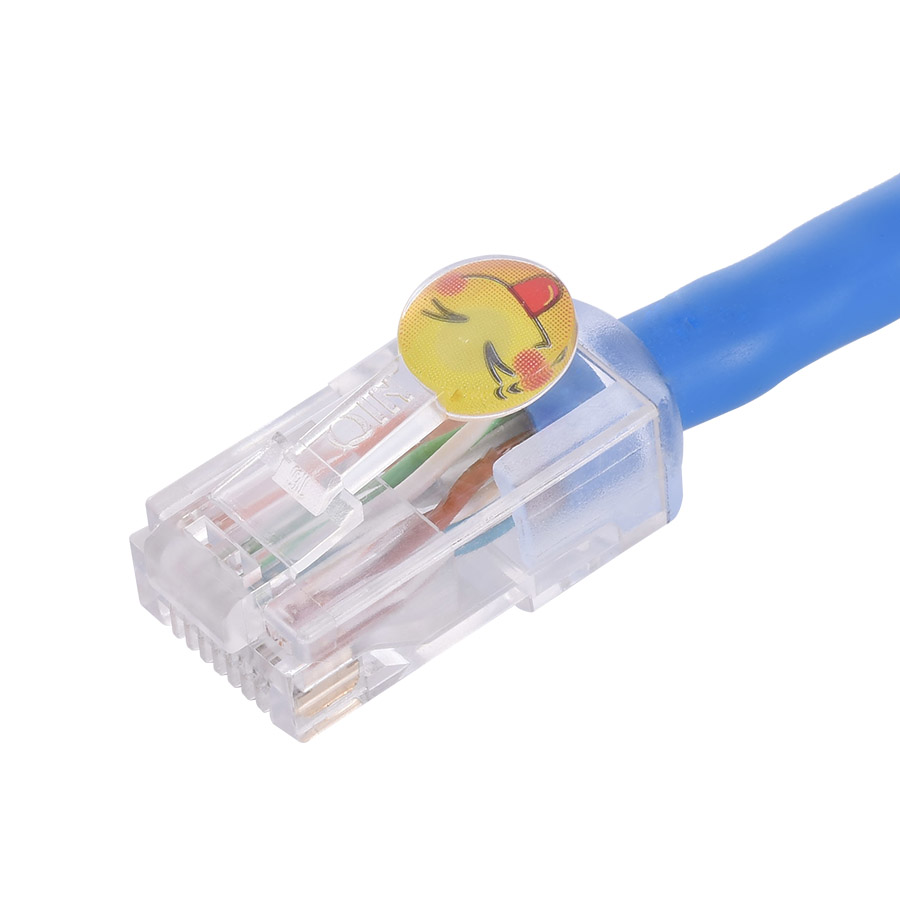
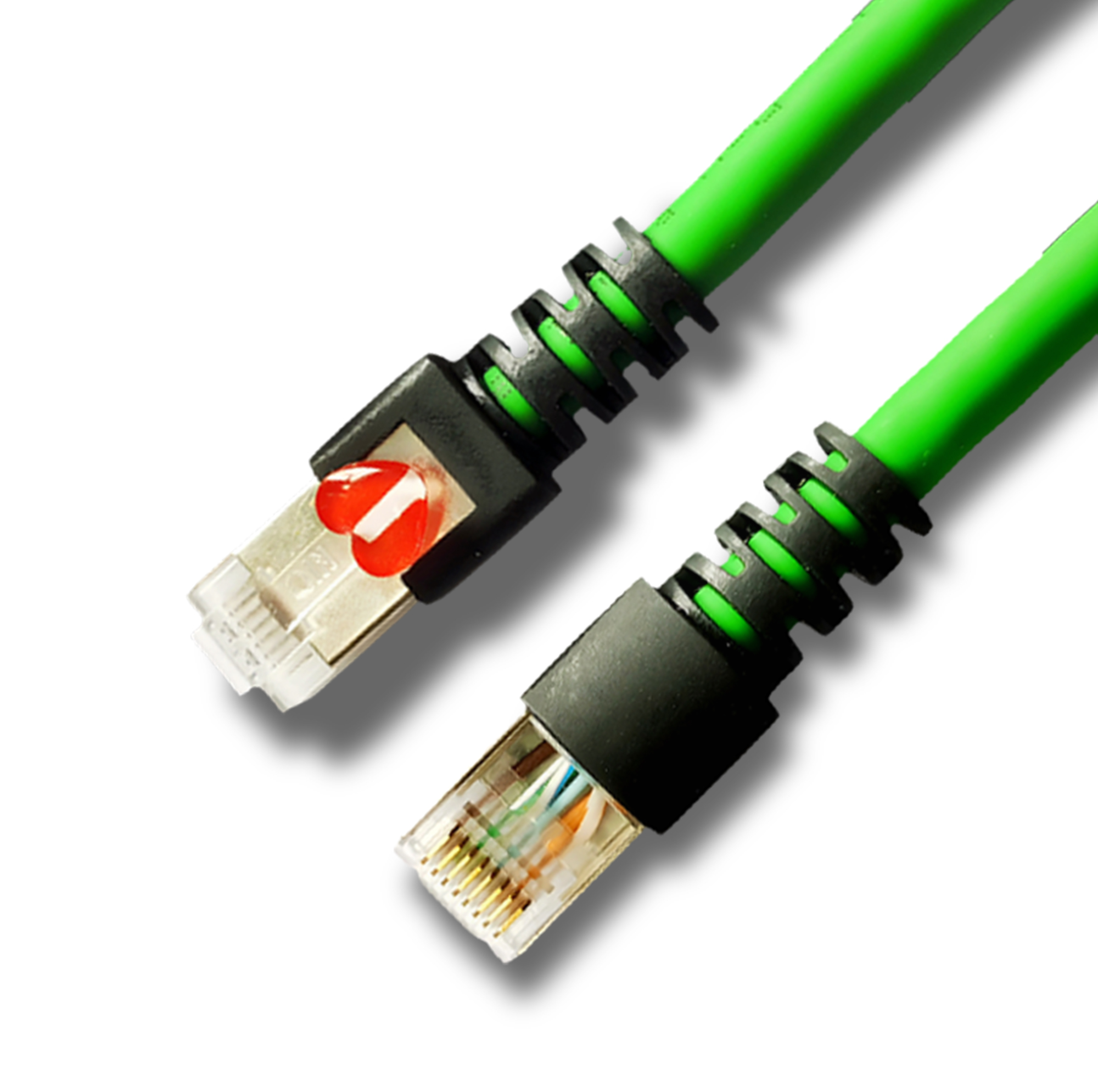
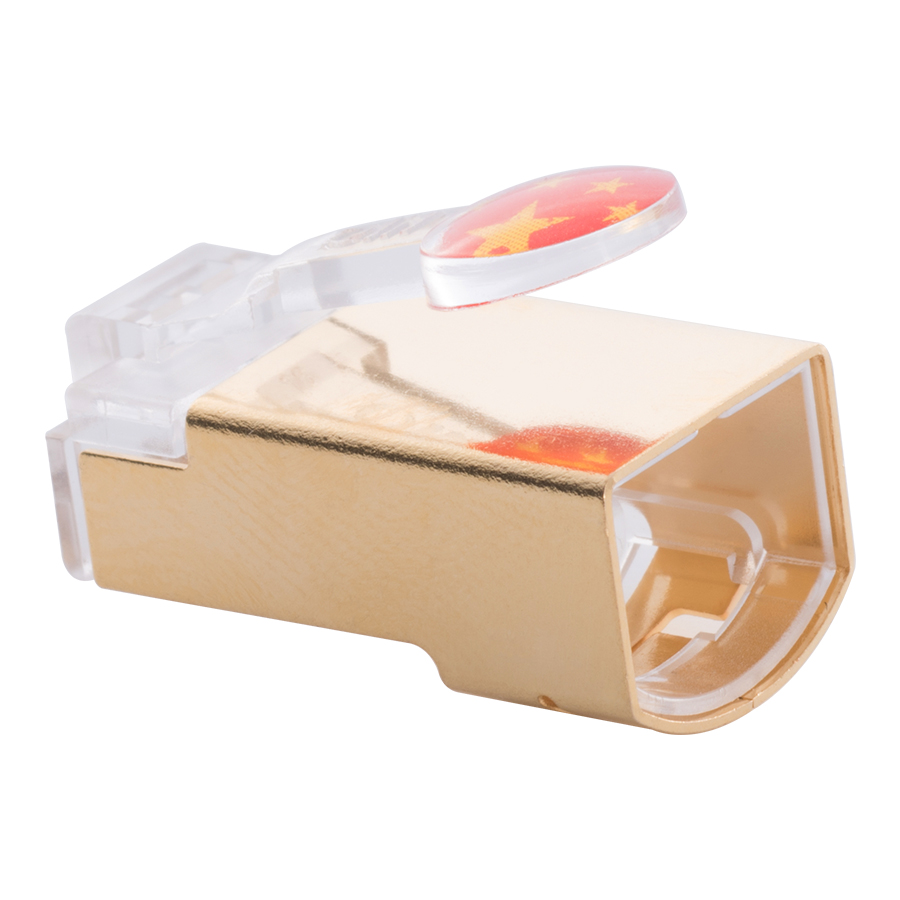
Both ends of the patch cord are equipped with high-precision RJ45 crystal connectors. The internal card slots of the connectors strictly match the twisted pair arrangement specifications, complying with the universal T568B wiring standard. The eight cores are crimped in order without extrusion or dislocation, completely retaining the electrical transmission characteristics of twisted pairs. The crystal connectors adopt 50μm gold-plated contacts with oxidation and corrosion resistance. The contacts fit tightly to reduce signal conversion loss of twisted pairs and ensure consistent link conduction. A non-slip and anti-break tail sheath is installed at the tail of the connector to buffer cable bending stress, focusing on protecting the weak connection between twisted pairs and crystal connectors, avoiding internal core fracture and loose twisting caused by frequent plugging and unplugging.
Different from ordinary simple connectors, this connector adopts an internal locking structure, which firmly locks the wire core after crimping, preventing loose cores and poor contact caused by frequent movement of the 2-meter short cable. The precise connector structure complements the internal twisted pair architecture, realizing seamless connection from the cable to the terminal interface, ensuring stable output of 10Gbps transmission rate without rate attenuation or delay fluctuation within a short distance, perfectly adapting to Gigabit broadband and high-speed LAN data interaction requirements.
5. Structural Application Advantages Adapting to Multi-Scenario Short-Distance Wiring
Relying on the optimized mature twisted pair structure, the 2m Cat6 UTP patch cord is suitable for various indoor wiring scenarios without strong electromagnetic interference. In home networking, it can connect optical modems, routers, computers and smart TVs. The compact cable with regular twisted pair structure enables neat wiring without clutter, adapting to narrow desktop space wiring. In office scenarios, it is used for interconnection of switches, desktop computers and monitoring equipment. With the cross isolation structure, it resists inter-line crosstalk in dense wiring and ensures stable transmission of office data. In weak current engineering, it is applicable for short-distance jumper connection and distribution frame docking inside cabinets. The standardized twisted pair structure facilitates construction and maintenance, reducing operation and maintenance costs.
This twisted pair structure is compatible with PoE power transmission. The insulation layer and twisted architecture can isolate weak electromagnetic interference generated by power supply, adapting to integrated power supply equipment such as wireless APs and surveillance cameras. It undergoes strict structural quality inspection throughout the production process. Each cable passes twist pitch detection, conduction test, bending test and crosstalk detection to ensure flawless twisted pair structure, with a service life of more than 10 years under normal indoor environments. Compared with similar competitive products, this patch cord focuses on structural optimization, realizing low crosstalk, low attenuation and high stable transmission through a complete twisted pair system with differentiated twisting, cross skeleton and multi-layer protection, featuring significant cost performance advantages.
In conclusion, the Cat6 UTP 2m unshielded patch cord takes the twisted pair structure as its core competitiveness. Every structural design from basic wire pair twisting and internal skeleton isolation to multi-layer protection and precise connector adaptation focuses on optimizing signal transmission and strengthening physical stability. The 2-meter golden short size combined with the mature Category 6 twisted pair structure avoids the disadvantages of easy deformation and excessive interference of long cables, adapting to various short-distance wiring scenarios for civil and commercial use. Whether for daily household use or engineering batch wiring, this patch cord continuously provides high-speed, stable and low-loss network transmission services with its sophisticated and reliable twisted pair architecture, building a solid structural foundation for LAN construction.
-
-
-
-
-
-
-
-
-
-
Flange Type Fixed Fiber Optic Adapter for Rack Panel
Sep 19, 2026955
-
Fiber Pigtail 12 Cores SC UPC Single Mode
Sep 04, 2026930
-
12 Port Cat6 Patch Panel Small Cabinet
Sep 12, 2026929
-
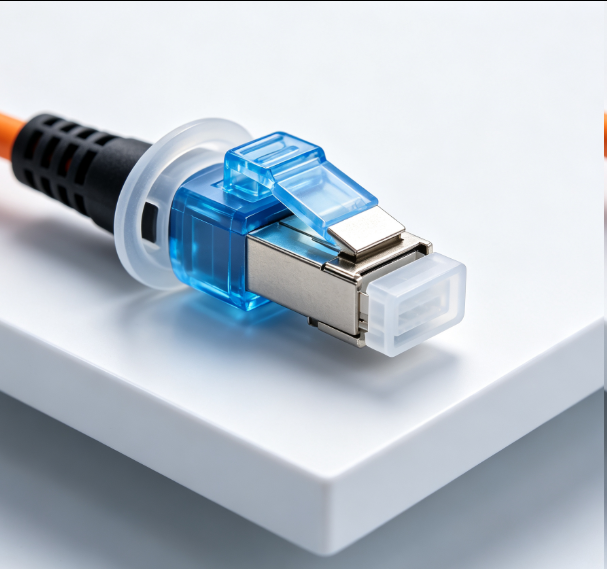
Dust Cap Equipped Fiber Patch Cable Protective
Sep 03, 2026929
-
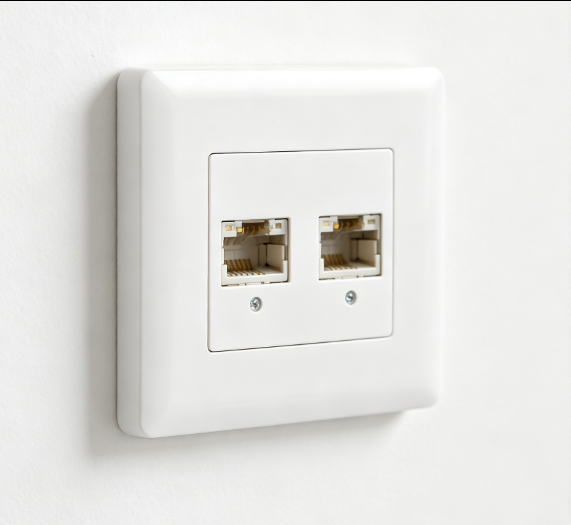
EU Standard Network Faceplate
Sep 11, 2026927