- Language
cat6a patch cable pass fluke test
cat6a patch cable pass fluke test is the core quality certification for engineering-grade Category 6A network patch cables and an authoritative industry standard for measuring the signal transmission capability, anti-interference performance and transmission stability of network cables. In 10-gigabit networking scenarios such as data centers, cloud computing computer rooms, intelligent buildings, high-definition monitoring networking and high-end enterprise office networks, the purity, stability and low latency of network signals directly determine the operating quality of the entire system. Compared with ordinary network cables, Cat6A patch cables feature high-frequency, high-speed and large-capacity data transmission, with an operating frequency of up to 500MHz, which can stably support a 10Gbps 10-gigabit transmission rate. Only cat6a patch cables that pass the complete professional Fluke test can thoroughly solve common problems such as signal distortion, interference, attenuation and packet loss under high-frequency working conditions, laying a solid foundation for the construction of high-speed networks.
The high-frequency signal anti-interference capability is a core signal indicator focused on in cat6a patch cable pass fluke test. Modern integrated wiring scenarios are generally characterized by dense circuits, numerous devices and complex electromagnetic environments. Switches, power cords and weak current lines continuously generate electromagnetic radiation, causing interference to network signals. Ordinary inferior Cat6A patch cables have simple structural design and substandard wire craftsmanship with disordered wire pair twists, which are prone to superposition of internal crosstalk and external electromagnetic interference during high-frequency transmission, resulting in disordered signal waveforms. Engineering-grade cat6a patch cables that pass Fluke tests adopt precise symmetrical pair twisting technology and high-quality insulating and shielding structures, which can effectively isolate external electromagnetic interference, suppress internal crosstalk between wire pairs, ensure pure signal transmission without stray waves, and eliminate network abnormalities caused by interference.
Signal attenuation control capability is the key signal performance to ensure long-distance high-speed transmission. Data signals will produce natural energy loss during network transmission. The higher the frequency and the longer the transmission distance, the more prominent the signal attenuation problem, which is the core difficulty of 10-gigabit networking. Most non-standard Cat6A patch cables on the market have insufficient core purity, substandard wire diameter and unbalanced impedance parameters, resulting in a high-frequency signal attenuation rate far exceeding industry standards. They can work normally in short-distance transmission, but will have problems such as severe signal attenuation, reduced bandwidth and sharp drop in transmission rate when applied to long-distance wiring scenarios such as cross-cabinet wiring in computer rooms. The Fluke test accurately detects full-band signal attenuation data. Qualified cat6a patch cables that pass the test strictly control high-frequency signal loss within international standard ranges, realize low-loss transmission throughout the process, and ensure full-speed output of 10-gigabit bandwidth.
Signal echo and impedance matching stability determine the fluency and integrity of network transmission. Many hidden faults such as network stuttering, latency fluctuation and instantaneous disconnection stem from disordered signal reflection. Non-standard cable impedance will cause impedance mismatch during signal transmission. Part of the signals cannot be transmitted normally, resulting in back reflection and echo loss, which damages signal integrity. Inferior patch cables have rough production techniques with large fluctuating impedance values and severe echo loss during high-frequency transmission. A large number of data signals are reflected and wasted, which not only reduces transmission efficiency, but also causes data dislocation and packet disorder. The Fluke test has strict threshold requirements for echo loss and impedance balance. cat6a patch cable pass fluke test means the product has highly balanced impedance, extremely low signal reflection loss, and complete, orderly and stable signal transmission throughout the process.
Signal timing synchronization performance is an indispensable core capability for high-end precision networking. In scenarios with high requirements for signal delay and delay deviation, such as server clusters, multi-channel high-definition video transmission, real-time data synchronization and industrial intelligent monitoring, data is transmitted simultaneously through multiple lines and devices. Inferior patch cables have uneven signal transmission delays, causing data timing disorder, screen stuttering and tearing, and failed data synchronization, which seriously affects the operational accuracy of the system. The complete Fluke test finely verifies the signal transmission delay parameters. Qualified cat6a patch cables can maintain stable signal transmission timing with delay deviations controlled within a minimal range, ensuring accurate and error-free synchronous data transmission of multiple devices and channels.
In general, the core value of cat6a patch cable pass fluke test lies in the standardized authoritative certification of the full set of signal performances of network cables. Different from ordinary patch cables that only support basic network connectivity, Cat6A patch cables passing Fluke tests fully meet standards in various signal performances such as anti-interference, anti-attenuation, echo control and timing stability, perfectly adapting to 500MHz high-frequency 10-gigabit transmission working conditions. In the construction of high-end network projects, selecting compliant cat6a patch cables that pass Fluke tests can fundamentally eliminate various signal transmission faults, ensure stable network operation with high speed, pure signals, low latency and zero packet loss, greatly reduce the probability of network operation faults and rework costs, and meet the upgrading needs of current and future high-speed networks.
-
-
-
-
-
-
-
-
-
-
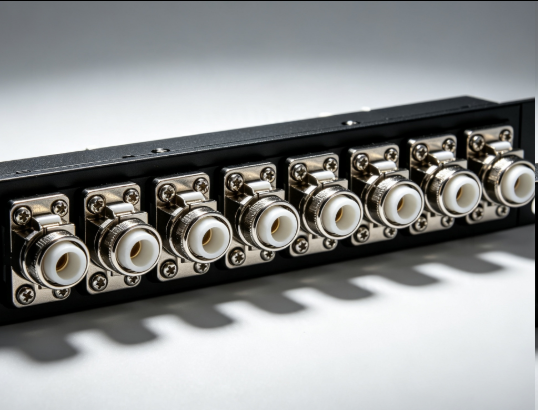
Flange Type Fixed Fiber Optic Adapter for Rack Panel
Sep 19, 2026955
-
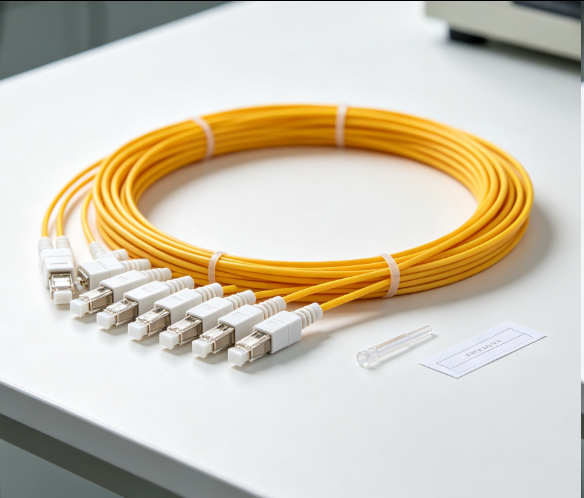
Fiber Pigtail 12 Cores SC UPC Single Mode
Sep 04, 2026930
-
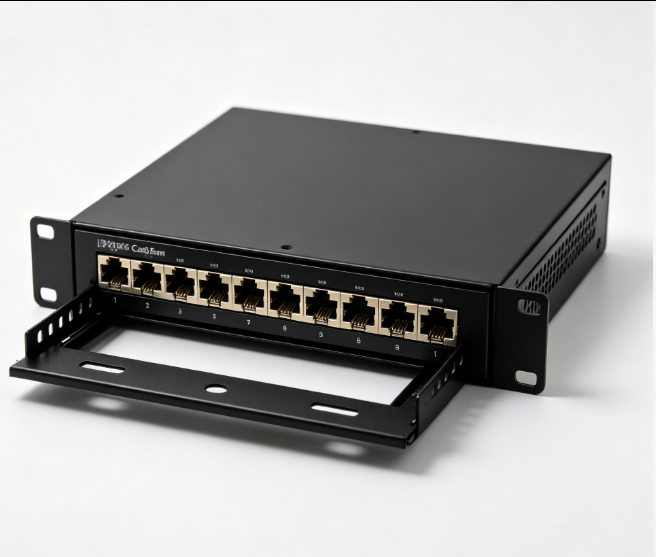
12 Port Cat6 Patch Panel Small Cabinet
Sep 12, 2026929
-
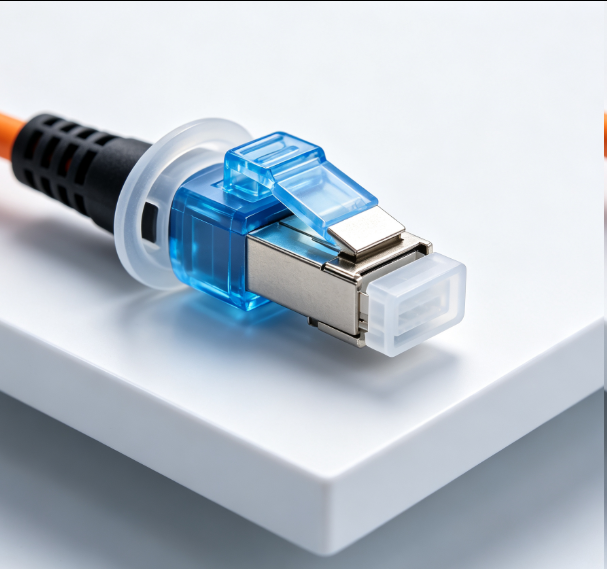
Dust Cap Equipped Fiber Patch Cable Protective
Sep 03, 2026929
-
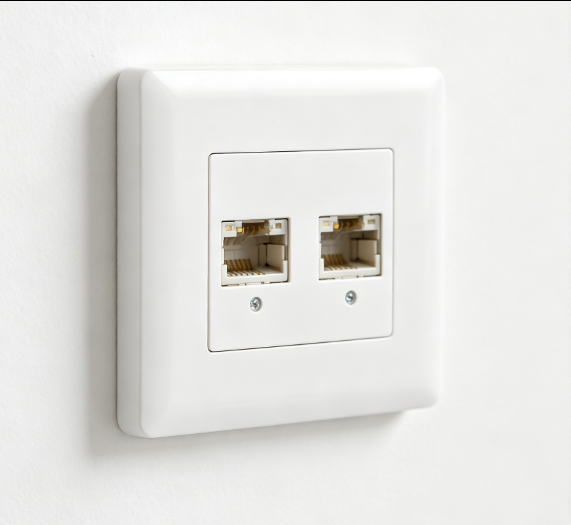
EU Standard Network Faceplate
Sep 11, 2026927