- Language
cat6a solid cable
With the popularization of 10-gigabit networks, implementation of cloud computing, batch processing of big data and normalization of high-definition video conferences, modern networks have put forward strict standards for transmission bandwidth, transmission stability, anti-interference capability and long-term transmission quality. In the integrated wiring system, as the core carrier of signal transmission, the cable’s material structure and transmission performance directly determine the operating upper limit of the entire network. The cat6a solid cable (Category 6A solid cable) has become the mainstream wiring choice for commercial offices, data computer rooms, smart parks, high-end home decoration and other scenarios due to its solid conductor structure, ultra-high bandwidth carrying capacity and standardized transmission architecture. From the perspective of transmission, cat6a solid cable comprehensively solves the transmission shortcomings of traditional network cables from four dimensions: transmission bandwidth, signal fidelity, anti-interference transmission, and long-term stable transmission, building a solid transmission foundation for high-speed wired networks.
In terms of basic transmission bandwidth and rate performance, cat6a solid cable breaks the transmission limitations of ordinary Category 6 cables and adapts to the full-scenario 10-gigabit high-speed transmission requirements. Conventional Category 6 cables only support a transmission frequency of 250MHz, with limited stable transmission distance, and are prone to bandwidth attenuation during long-distance wiring, making it difficult to support sustained 10-gigabit data transmission. In contrast, the standard transmission frequency of cat6a solid cable reaches 500MHz, and it natively supports 10Gbps 10-gigabit high-speed transmission at the hardware level. It can easily carry high-bandwidth requirements such as batch transmission of large files, 4K/8K ultra-high-definition video streams, real-time cloud data synchronization, and concurrent networking of multiple devices. Different from stranded flexible cables, cat6a solid cable adopts a single solid copper conductor design with a regular and uniform conductor structure, lower current transmission resistance and higher conduction efficiency. It can maintain undiminished rate output within the standard 100-meter wiring distance, completely eliminate the bandwidth loss problem in long-distance wiring, and ensure full-speed network transmission at all times.
From the perspective of signal transmission fidelity and loss control, cat6a solid cable has excellent low-loss transmission characteristics and greatly optimizes network transmission quality. Most network problems such as transmission stuttering, delay and packet loss stem from insertion loss, return loss and signal offset during cable transmission. Traditional network cables have uneven conductor thickness and loose structures, which are prone to signal reflection and loss during high-frequency signal transmission, resulting in distorted transmitted data. Equipped with high-precision solid oxygen-free copper conductors and a regular insulated layered structure, cat6a solid cable features higher conductor concentricity and more stable transmission impedance, which can minimize signal loss and phase deviation during high-frequency transmission. In high-frequency and high-load continuous transmission scenarios, it can effectively ensure the integrity and accuracy of data signals, avoid network delay fluctuation, data transmission failure, screen stuttering and blurring caused by signal loss, and realize zero-distortion and high-fidelity network transmission.
From the perspective of anti-interference parallel transmission, cat6a solid cable effectively avoids crosstalk and electromagnetic interference and ensures stable transmission in complex environments. Modern wiring scenarios mostly adopt dense wiring, and parallel laying of multiple cables is prone to inter-line crosstalk. Meanwhile, electromagnetic radiation generated by computer room equipment and industrial electrical appliances will interfere with network signals and cause abnormal transmission. Cat6a solid cable optimizes the twist spacing and arrangement structure of wire pairs, accurately balances the transmission parameters of each wire pair, and greatly reduces near-end crosstalk and far-end crosstalk. The solid conductor structure is firm and not easily deformed by external extrusion, which can maintain a standard transmission structure for a long time and shield external electromagnetic and radio frequency signal interference. It can realize stable parallel transmission of multiple devices and multiple data streams without mutual interference in densely equipped data centers, complexly wired commercial office buildings and industrial office areas with complex electromagnetic environments, significantly improving the fault tolerance and stability of network transmission.
From the perspective of long-term durable transmission, the structural advantages of cat6a solid cable realize long-term constant transmission performance. Stranded flexible cables are prone to conductor oxidation, loose structure, poor contact and other problems after long-term use, leading to gradual decline in transmission performance. In contrast, the solid conductor of cat6a solid cable has strong anti-oxidation and anti-deformation capabilities. Its structure is stable after wiring construction, not easily affected by ambient temperature, humidity and slight external extrusion. It will not cause abnormal transmission impedance and increased signal attenuation during long-term operation, and can maintain the initial transmission performance for more than ten years. It greatly reduces network operation and maintenance costs and fault probability, and meets the core requirements of various long-term networking projects.
In conclusion, focusing on core transmission performance, cat6a solid cable comprehensively upgrades the transmission system of traditional wiring with the core advantages of high bandwidth, low loss, strong anti-interference and long-term stability. In the digital era with the comprehensive popularization of 10-gigabit networks, cat6a solid cable has become the standard configuration for high-end integrated wiring, providing reliable hardware support for high-speed, stable and long-term network transmission in various scenarios.
-
-
-
-
-
-
-
-
-
-
Flange Type Fixed Fiber Optic Adapter for Rack Panel
Sep 19, 2026955
-
Fiber Pigtail 12 Cores SC UPC Single Mode
Sep 04, 2026930
-
12 Port Cat6 Patch Panel Small Cabinet
Sep 12, 2026929
-
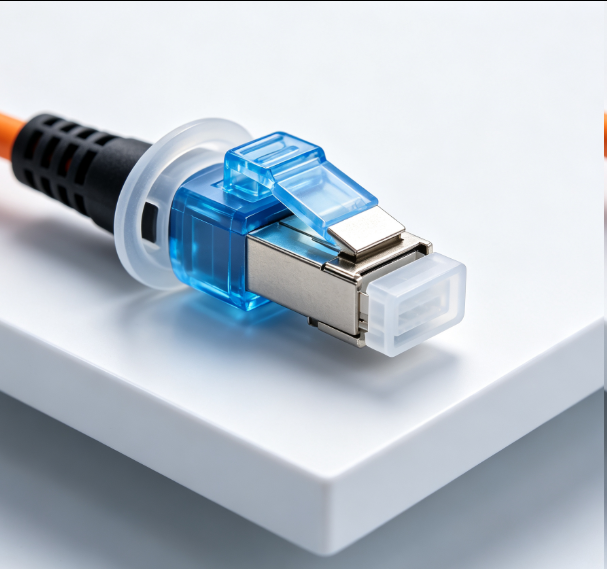
Dust Cap Equipped Fiber Patch Cable Protective
Sep 03, 2026929
-
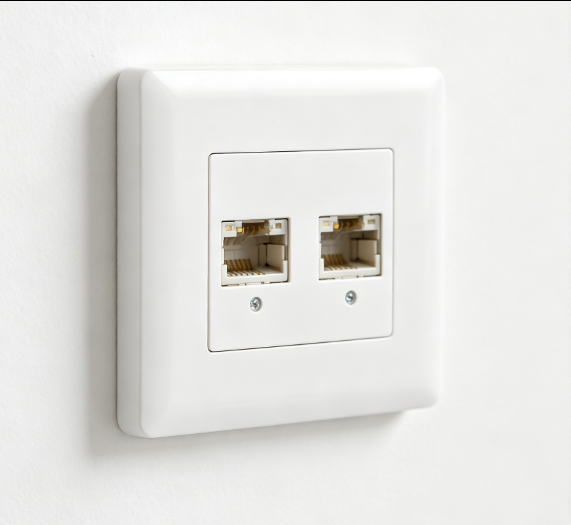
EU Standard Network Faceplate
Sep 11, 2026927