- Language
cat6a solid cable
In structured integrated wiring engineering, the adaptation capability of cables directly determines the compatibility, stability and service life of the entire network system, serving as the core evaluation criterion for engineering selection. Different from conventional multi-strand flexible wires, single-strand solid high-end wiring cables have become the preferred solution for long-term 10-gigabit wiring, building backbone networking and data center fixed wiring due to their regular physical structure, stable electrical parameters and comprehensive scenario adaptability. From the perspective of adaptation, such cables not only accurately match the new-generation high-speed network transmission standards, but also adapt to complex construction environments, long-term power-on working conditions and full-category network equipment. They solve industry pain points such as insufficient adaptation of traditional wires, limited working conditions and disconnected later-stage compatibility, and meet the upgrading needs of current and future high-speed networking.
The accurate adaptation of network protocols and transmission standards is its core performance advantage. Complying strictly with international wiring specifications, this type of cable supports ultra-high bandwidth transmission up to 650MHz, stably carries 10GBase-T 10-gigabit Ethernet transmission protocols, and is fully backward compatible with traditional network transmission modes such as gigabit and 100-megabit networks to adapt to iterative scenarios of new and old network protocols. Compared with ordinary Category 6 cables with a 250MHz bandwidth ceiling, its ultra-high bandwidth redundancy easily handles high-bandwidth scenarios such as multi-channel high-definition video streaming, large-scale cloud data synchronization, high-density equipment concurrent networking and industrial real-time data collection, completely avoiding network congestion and delay fluctuation under high loads. It can achieve accurate matching between transmission performance and network specifications in both civil whole-house intelligent networking and commercial high-end computer room networking, and prevent network speed reduction caused by mismatched wire performance and network specifications.
The high adaptation of physical structure and engineering construction greatly improves the standardization of wiring implementation. Adopting a 23AWG single-strand solid oxygen-free copper conductor structure, the product features uniform wire diameter and compact stereotyped structure with excellent tensile and deformation resistance. In long-distance fixed wiring scenarios such as building pipe penetration, bridge laying and vertical wiring, the solid wire core is not easy to bend and deform with stable twist pitch, and can maintain standard electrical parameters for a long time without internal structural disorder caused by construction stretching and pipe extrusion, fully meeting the construction requirements of building engineering embedded wiring. Meanwhile, the regular solid structure enables a controllable cable bending radius and neat wiring arrangement, adapting to refined construction scenarios such as high-density orderly wiring in computer rooms and vertical wiring of multi-story buildings, effectively improving the qualification rate and standardization of wiring projects.
The strong adaptability of working environments and long-term operation suits complex commercial and industrial scenarios. Conventional flexible wires are prone to heating aging and parameter drift after long-term power-on operation, failing to meet the working condition requirements of continuous PoE power supply and all-weather uninterrupted operation. With lower conductor resistance and higher conductive uniformity, this solid wiring cable delivers excellent stability in power supply and transmission, and can stably adapt to long-term high-load power-on working conditions for PoE-powered monitoring cameras, wireless APs, intelligent terminals and other network devices. Equipped with flame-retardant, wear-resistant and low-smoke halogen-free environmentally friendly sheaths, it features good moisture resistance, dust resistance and aging resistance, and can stably adapt to complex environments such as computer rooms, weak current shafts, outdoor equipment rooms and light industrial scenarios. It can withstand temperature changes and greatly reduce the probability of long-term line faults, meeting the operation and maintenance requirements of long-term networking.
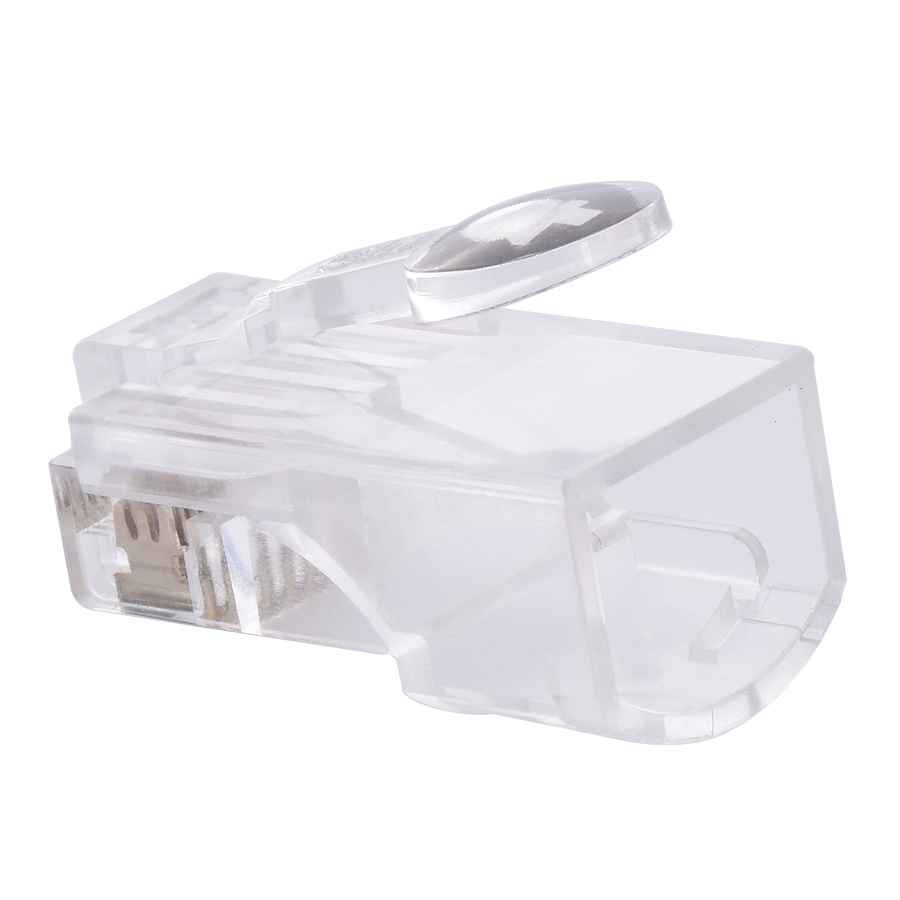
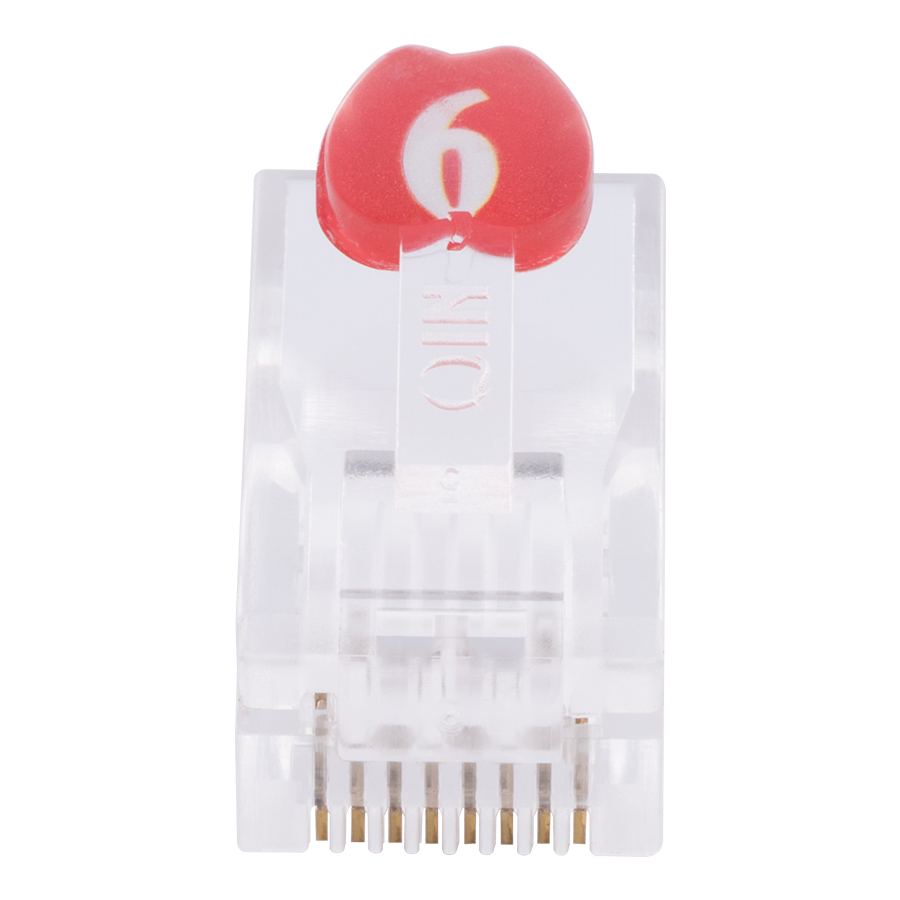
The full-dimensional compatible adaptation of equipment and accessories reduces network upgrade costs. Adopting a standardized 8-core twisted-pair structure, this cable with universal RJ45 interfaces is compatible with all mainstream network devices, including switches, routers, servers, monitoring terminals and intelligent office equipment. It also perfectly matches Category 6A and Category 6 standardized modules, distribution frames, crystal heads and other wiring accessories, and supports both shielded and unshielded structures compatible with the termination technology of conventional wiring systems. In old network renovation projects, large-scale replacement of terminal equipment and supporting accessories is unnecessary, and network performance upgrading can be completed only by replacing core wiring cables, realizing seamless connection between new and old systems and greatly improving the cost performance and implementation efficiency of renovation projects to adapt to the iterative development of new and old networking systems.
The forward-looking adaptation of long-term expansion and technical iteration meets future network upgrading needs. With the rapid iteration of network technology, gigabit broadband is gradually popularized, and 10-gigabit networking has become the mainstream trend in high-end scenarios. Reserved with sufficient performance redundancy, this cable not only meets the basic needs of daily office work, smart home and security monitoring, but also adapts to high-end application scenarios such as future 10-gigabit broadband upgrading, popularization of computing power terminals and ultra-high-definition real-time transmission. One-time standardized wiring construction can meet network usage needs for more than ten years without repeated later wiring renovation. It perfectly conforms to the long-term and forward-looking selection principles of building wiring and serves as the optimal adaptation solution for modern high-end wiring projects.
In conclusion, high-performance solid wiring cables have all-round scenario adaptation advantages in terms of transmission standards, construction working conditions, equipment compatibility and long-term iteration. Their stable physical structure, excellent electrical performance and wide environmental adaptation capabilities accurately match the core needs of modern structured wiring, making up for the shortcomings of insufficient working condition adaptation and limited performance redundancy of traditional wires, while taking into account the convenience of engineering construction and long-term operation and maintenance stability. They serve as the core selection for high-end fixed wiring scenarios and build a solid physical foundation for various high-speed, stable and long-term network systems.
-
-
-
-
-
-
-
-
-
-
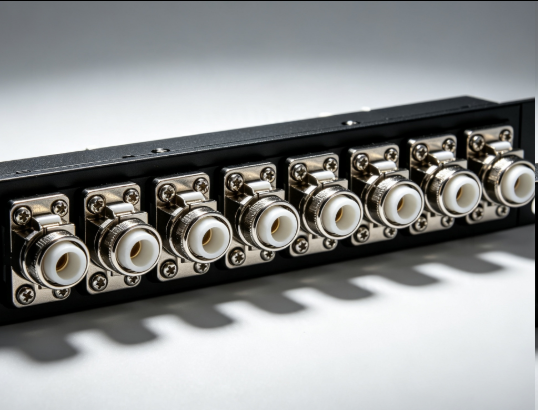
Flange Type Fixed Fiber Optic Adapter for Rack Panel
Sep 19, 2026956
-
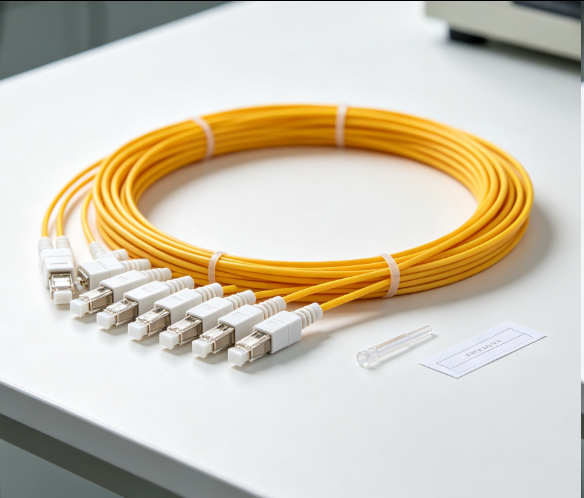
Fiber Pigtail 12 Cores SC UPC Single Mode
Sep 04, 2026930
-
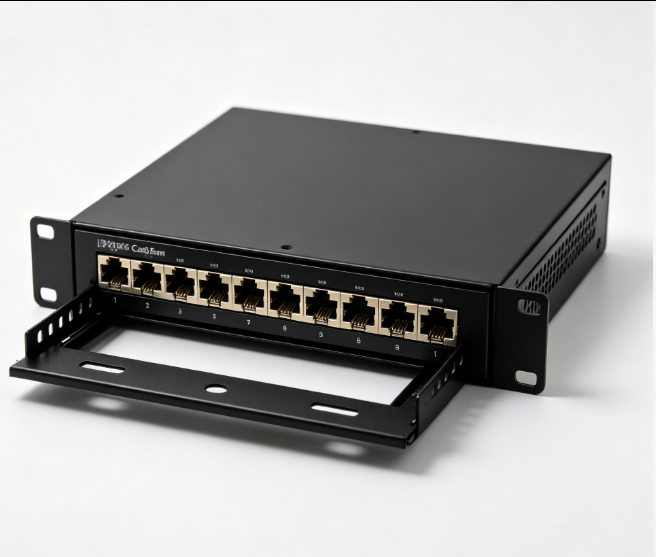
12 Port Cat6 Patch Panel Small Cabinet
Sep 12, 2026929
-
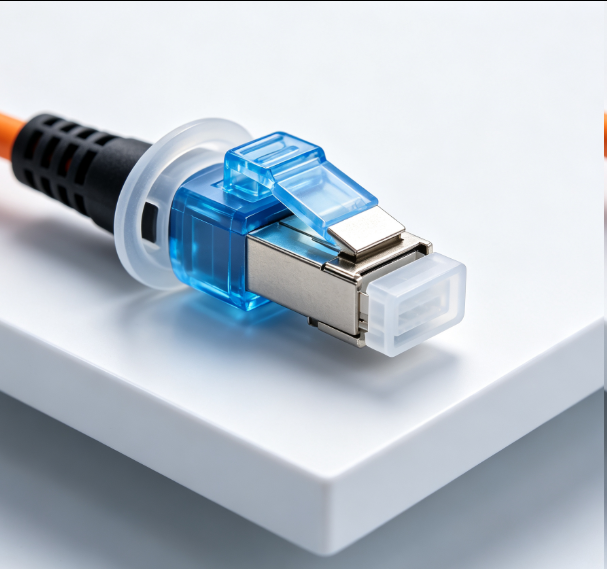
Dust Cap Equipped Fiber Patch Cable Protective
Sep 03, 2026929
-
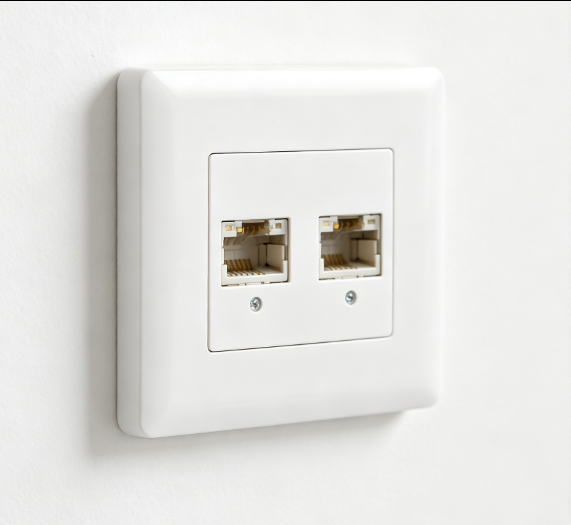
EU Standard Network Faceplate
Sep 11, 2026927