- Language
cat7 patch cord price
In enterprise computer room renovation, whole-house intelligent wiring, industrial Ethernet, high-definition monitoring networking and data center structured wiring projects, the purchase price and wiring adaptation value of Cat7 network patch cords are core factors for engineers, purchasers and end users. Many wiring projects simply select network cables based on low prices while ignoring the impact of cable specifications on overall network stability, construction compatibility, later operation and maintenance costs, and system upgrade potential. This leads to common problems such as insufficient network speed, signal stuttering, frequent failures and secondary renovation losses after project completion. With standardized wiring specifications, full-scenario construction adaptability, strong anti-interference performance and long-term upgrade potential, Cat7 patch cords achieve the optimal balance of wiring cost and application value within a reasonable price range, becoming the mainstream preferred cable for mid-to-high-end professional wiring projects. This article analyzes the pricing logic, wiring adaptation advantages and engineering cost performance of Cat7 patch cords from the perspective of engineering wiring.
From the perspective of engineering wiring cost logic, the pricing of Cat7 patch cords conforms to the standardized requirements of professional networking, balancing initial installation cost and long-term operation and maintenance cost. Compared with low-cost Cat5e and Cat6 patch cords, Cat7 patch cords adopt stricter raw material craftsmanship, shielding structure and transmission standards with a slight price premium, yet deliver lower overall wiring costs. Low-cost ordinary cables adopt non-standard processes, impure copper cores and simple sheaths. Although the initial procurement cost is low, they are prone to signal attenuation, crosstalk and packet loss in dense wiring and complex electromagnetic environments, requiring frequent inspection and replacement in the later stage and resulting in extremely high comprehensive loss. In contrast, formal Cat7 patch cords comply with international standards of 600MHz bandwidth and 10Gbps transmission, adopting oxygen-free copper conductors, precision stranded structures and compliant shielding designs with stable and unified factory parameters. Once wired, they can operate stably for a long time without frequent maintenance and replacement. For long-term operated enterprise computer rooms, commercial offices and industrial wiring projects, Cat7 patch cords realize long-term maintenance-free operation with a small premium, fully meeting the core demand of "one-time construction and long-term use" in engineering wiring.
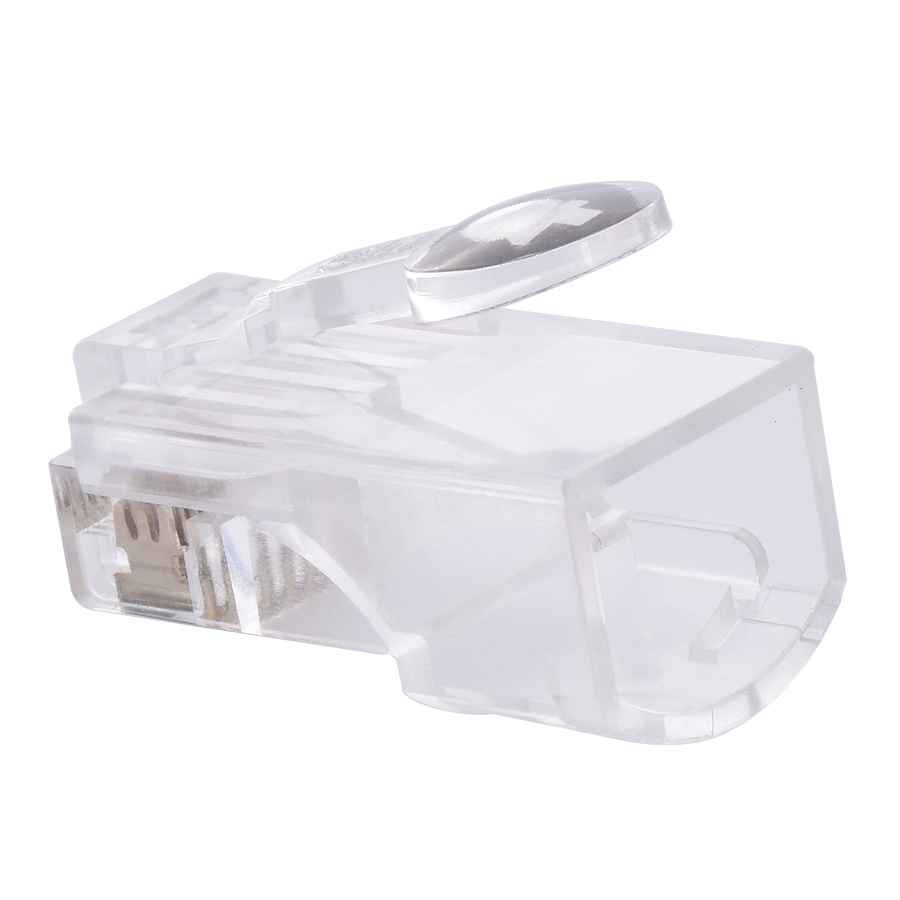
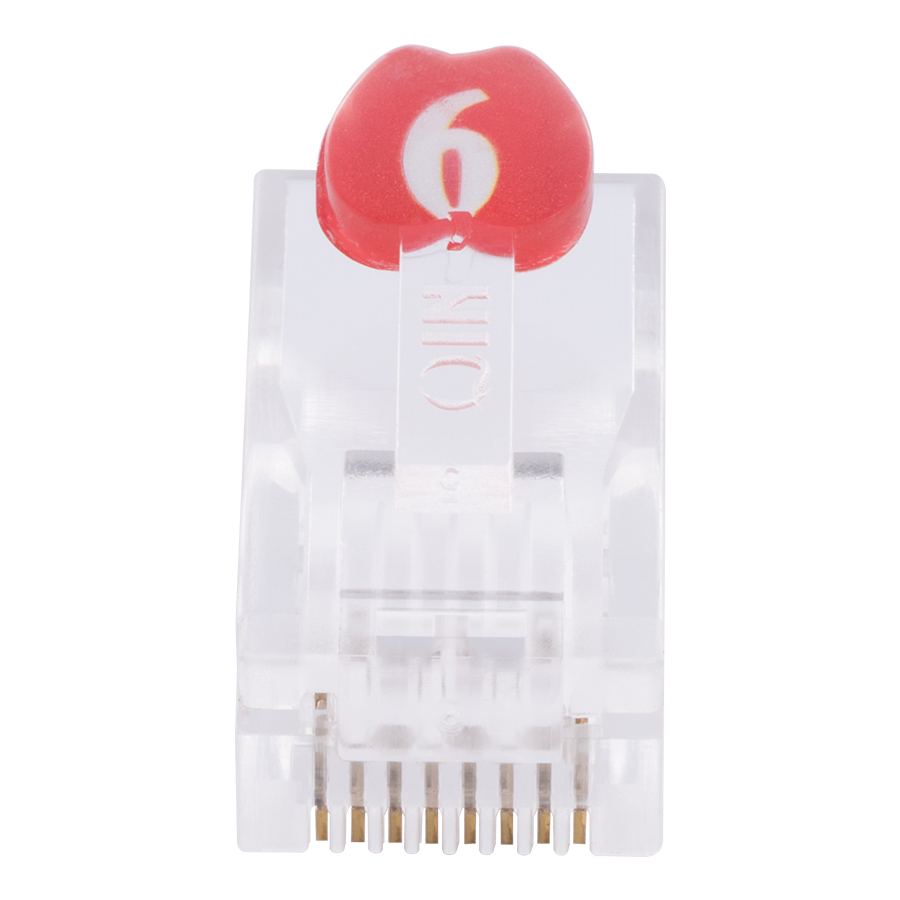
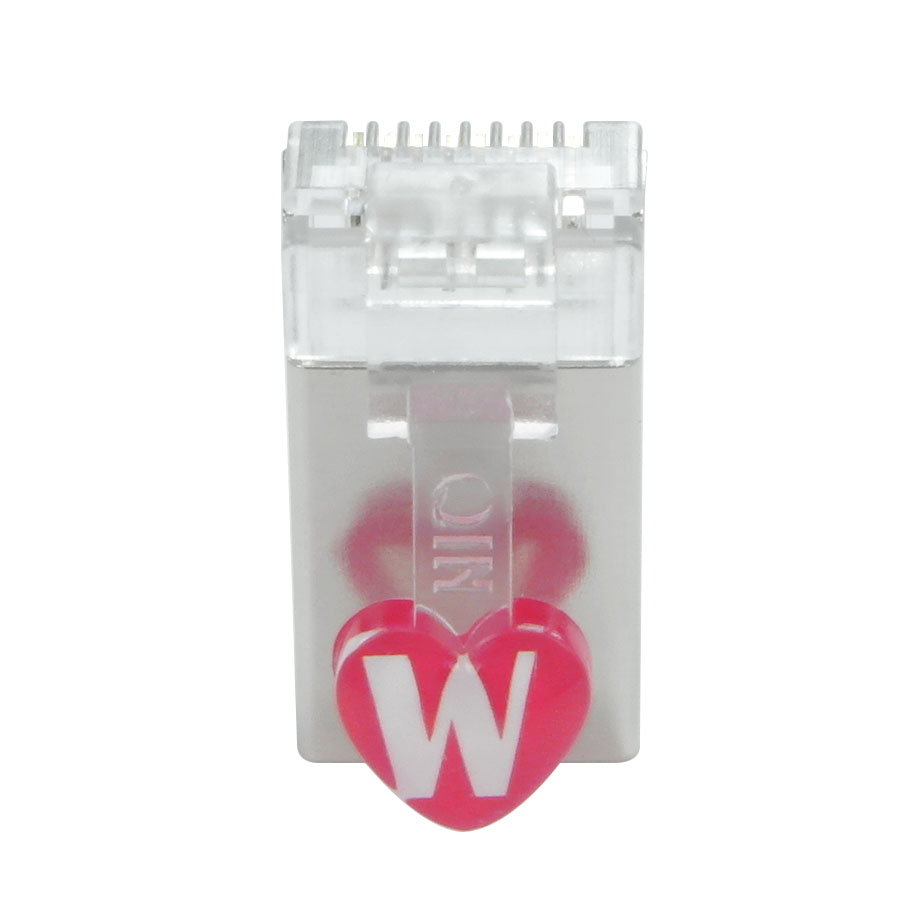
Excellent construction adaptability reduces wiring difficulty and labor costs while improving project efficiency. Engineering wiring requires flexible routing, strong compatibility, convenient installation and low after-sales risks. Cat7 patch cords perfectly adapt to all standardized wiring scenarios. With moderate flexibility and standardized bending radius, they are suitable for dense cabinet wiring, corner routing, trunking wiring and short-distance equipment docking, resisting core fracture and deformation after repeated bending and avoiding construction loss and rework. The unified gold-plated RJ45 interface is compatible with conventional network devices such as switches, routers, servers, monitoring terminals and AP panels, enabling seamless connection with new and old wiring systems without additional modification, greatly saving construction and debugging time. Compared with non-standard low-quality cables with loose interfaces and poor contact, standardized Cat7 patch cords effectively reduce construction tolerance costs and improve project qualification rate and delivery quality.
Superior anti-interference wiring performance solves stability problems in complex working conditions and reduces project after-sales risks. Most commercial and industrial wiring scenarios feature dense bundled cables, concentrated electrical equipment and complex electromagnetic clutter. Ordinary unshielded low-cost cables are highly susceptible to crosstalk and electromagnetic interference, causing unstable network latency, packet loss and stuttering, which become frequent after-sales hazards of wiring projects. Equipped with professional shielding structures, Cat7 patch cords effectively isolate external electromagnetic interference and inter-pair crosstalk, maintaining pure and stable signals in high-interference scenarios such as high-density cabinet wiring, industrial workshop wiring and equipment room wiring. From the perspective of engineering wiring, stable cable performance greatly reduces network failure probability, lowers after-sales rework and debugging costs, and improves project reputation and long-term stability, serving as essential standard accessories for high-end wiring projects.
Forward-looking wiring specifications reserve network upgrade space and avoid secondary reconstruction costs. With the continuous upgrading of network speed, 8K video transmission, cloud data synchronization, multi-device concurrent networking and industrial big data transmission have become mainstream trends. Ordinary cables below Cat6 have limited bandwidth ceilings and cannot adapt to future high-speed network upgrades, requiring overall rewiring and renovation in the later stage with huge labor and material costs. Cat7 patch cords support 600MHz ultra-wide bandwidth and 10Gbps transmission, far exceeding daily networking requirements and reserving sufficient upgrade redundancy for wiring systems. One-time wiring adapts to network iteration and upgrading for the next 5 to 10 years without secondary modification. From the perspective of long-term engineering planning, proper investment in Cat7 patch cords completely eliminates additional costs caused by later network upgrading, such as wiring reconstruction, equipment replacement and re-debugging, greatly improving the long-term cost performance of wiring projects.
In conclusion, evaluating the price cost performance of Cat7 patch cords should not only focus on the unit purchase price, but also the full-cycle wiring costs including construction, operational stability, after-sales maintenance and long-term upgrading. Although Cat7 patch cords have a slightly higher unit price than ordinary network cables, they greatly reduce the comprehensive cost of wiring projects with stable wiring adaptability, powerful anti-interference capability, ultra-low failure and rework rate and advanced upgrade redundancy, adapting to professional scenarios such as enterprise office networking, computer room wiring, industrial cabling and high-end whole-house networking. In the standardized engineering wiring system, Cat7 patch cords are high-cost-performance options balancing price, quality, construction efficiency and long-term value, serving as ideal supporting cables for modern high-quality structured wiring projects.
-
-
-
-
-
-
-
-
-
-
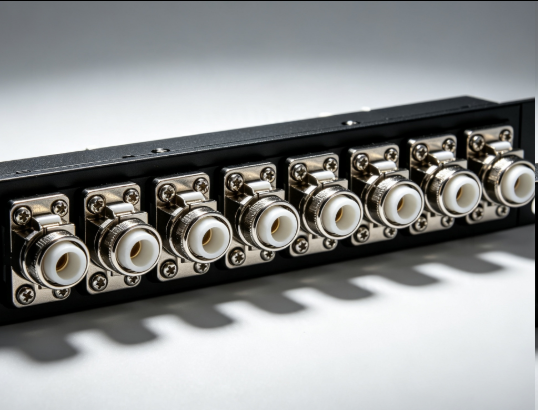
Flange Type Fixed Fiber Optic Adapter for Rack Panel
Sep 19, 2026955
-
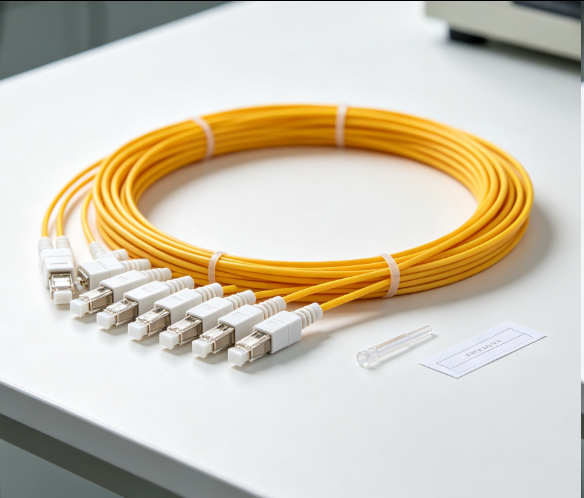
Fiber Pigtail 12 Cores SC UPC Single Mode
Sep 04, 2026930
-
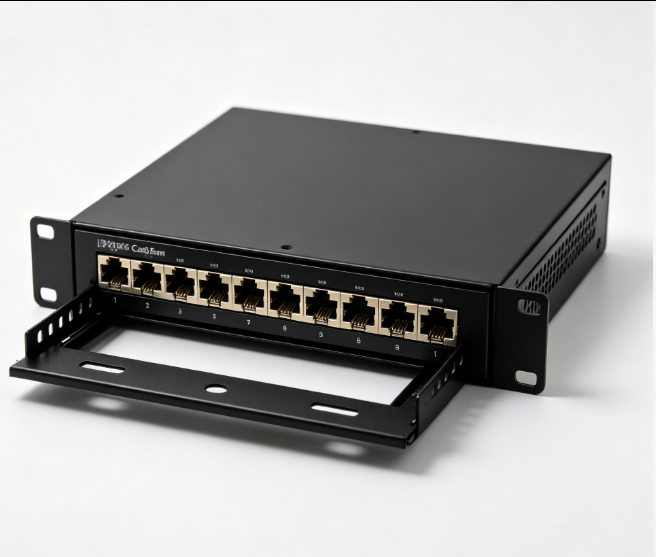
12 Port Cat6 Patch Panel Small Cabinet
Sep 12, 2026929
-
Dust Cap Equipped Fiber Patch Cable Protective
Sep 03, 2026929
-
EU Standard Network Faceplate
Sep 11, 2026927