- Language
china cat7 patch cord price
With the comprehensive popularization of 10G network upgrades in enterprise computer rooms, industrial intelligent manufacturing, high-end intelligent buildings, high-definition video transmission, and small and medium-sized data centers, traditional Cat6 and Cat6A cabling systems can no longer adapt to the complex network working conditions of high density, low latency and high anti-interference. china cat7 patch cord price is not only a simple procurement price reference for wires, but also a core cost benchmark and selection basis for high-end structured cabling solutions in China. As a high-performance shielded cabling product meeting Class F standards, domestic Cat7 patch cords have become the mainstream cabling material with the highest cost performance and the strongest upgrade compatibility for current government and enterprise engineering and high-end commercial networking, relying on the core advantages of 600MHz ultra-high bandwidth, stable 10G transmission throughout the whole process, full shielding anti-interference and lossless transmission within 100 meters. Compared with high-cost and scenario-limited Cat8 network cables, Cat7 patch cords balance high performance and versatility, serving as the optimal solution for mainstream 10G cabling projects at this stage.
Most engineering contractors and end users often fall into the misunderstanding of "only focusing on price while ignoring scheme adaptation" when planning network construction. They simply compare china cat7 patch cord price without formulating standardized cabling solutions combined with construction scenarios, equipment adaptation, anti-interference requirements and long-term operation and maintenance costs, ultimately resulting in network stuttering, signal crosstalk, substandard speed and difficult future upgrades. From the perspective of cabling solutions, this paper systematically disassembles the scenario-based cabling schemes, standardized construction specifications, strong and weak current layout, anti-interference cabling technology, new and old network transformation schemes and cost control strategies of domestic Cat7 patch cords, and deeply analyzes the correlation logic between price and scheme adaptability. It helps users match cost-effective cabling solutions according to engineering needs, avoid dual problems of adaptation errors caused by low-cost wires and performance waste caused by high-cost schemes, and provides a complete, implementable and low-cost implementation reference for various high-end network cabling projects.
The core basis of a stable and compliant high-end cabling solution lies in the performance parameters and structural design of the wires themselves. Domestic Cat7 patch cords strictly comply with international cabling standards including ISO/IEC 11801 and ANSI/TIA-568.2-D. Adopting S/FTP double-layer full shielding structure, 23AWG high-purity oxygen-free copper core and precise stranded technology for four pairs of independent twisted wires, they lay the performance foundation for full-scenario 10G cabling, which is also the core reason why their pricing system is different from ordinary network cables. In terms of transmission performance, Cat7 patch cords support 600MHz ultra-large bandwidth, which can stably achieve 10Gbps full-speed transmission within a 100-meter standard link, perfectly adapting to high-frequency and high-flow data transmission scenarios such as 10G switches, server clusters, 4K/8K high-definition video transmission, industrial automation data backhaul and cloud data synchronization. The sufficient bandwidth redundancy meets the iterative needs of network upgrades in the next 5-10 years.
In terms of cabling stability and anti-interference performance, the full shielding structure of Cat7 patch cords is the core advantage for complex working condition cabling. Different from unshielded and semi-shielded Cat6A wires, their double-layer structure of independent pair foil shielding + overall copper braided shielding can comprehensively isolate electromagnetic interference, radio frequency interference and strong and weak current crosstalk. It perfectly adapts to complex environments with strong electromagnetic interference such as industrial factories, high-density cabinet computer rooms, strong and weak current co-location, rail transit and medical imaging computer rooms, completely solving common network problems such as packet loss, delay fluctuation and unstable network speed caused by ordinary wires after cabling. Meanwhile, domestic Cat7 patch cords adopt flexible flame-retardant outer jackets with excellent bending resistance, tensile resistance and aging resistance, adapting to multiple cabling methods such as ceiling concealed laying, cabinet jumping, floor wire trough and short-distance equipment docking. They feature high construction fault tolerance and low later operation and maintenance difficulty, greatly improving the stability and service life of the overall cabling system, and reducing network failure probability and secondary transformation costs fundamentally from the solution level.
Combined with mainstream high-end networking scenarios and domestic engineering construction standards, four sets of standardized cabling solutions can be divided according to the china cat7 patch cord price gradient of different grades, which accurately adapt to the performance needs and budget standards of different scenarios and achieve the core goals of scheme adaptation, standard performance and controllable cost. The first is the industrial intelligent manufacturing cabling solution. The core pain points of this scenario are dense equipment, numerous motor inverters, strong electromagnetic interference and high real-time data transmission requirements. Signal interference will directly cause production line shutdown, data loss and industrial control failure. For such scenarios, high-end fully compliant domestic Cat7 shielded patch cords are recommended with the whole-process shielded grounding cabling process. The shielding layers of all patch cords are grounded standardly to avoid circulating interference. During construction, wires are kept away from strong electrical equipment such as power cables, inverters and motors. Strong and weak currents are laid in layers with a spacing of more than 30cm, and vertical crossing wiring is adopted at crossing positions to eliminate parallel wiring crosstalk, ensuring zero packet loss and low-delay transmission of industrial control data, equipment sensor data and production monitoring data.
The second is the government and enterprise computer room and high-end office cabling solution. This scenario requires balanced 10G high-speed transmission, multi-device concurrent networking and long-term stable operation with high cost performance requirements, serving as the mainstream scenario with the highest cost performance demand. Mid-range standard domestic Cat7 patch cords are recommended for cabinet internal jumping, switch stacking, server docking and office core network backbone cabling. Construction adopts a standardized structured cabling system to distinguish backbone links, horizontal links and equipment jumper links. Jumpers inside the cabinet are sorted and bound neatly with reasonable bending margin reserved to avoid performance loss caused by wire pulling and excessive bending. Concealed wiring is adopted in office areas with independent isolated wire troughs to prevent close parallel arrangement with strong current lines, ensuring stable operation of 10G network while adapting to diverse needs such as daily office work, video conferencing, cloud office and big data transmission. It balances high-performance networking and long-term stable operation within a reasonable china cat7 patch cord price budget.
The third is the dedicated cabling solution for medical and high-definition audio and video scenarios. Medical imaging room PACS systems, real-time operating room data transmission, high-end live streaming studios and other scenarios have extremely high requirements for data integrity, transmission stability, zero delay and zero packet loss, prohibiting data distortion and interruption. This solution adopts a high-standard pure transmission cabling logic with low-loss and high-shielding precision domestic Cat7 patch cords. An independent shielded wiring channel is used throughout the process to eliminate external electromagnetic interference. The length of invalid jumpers is shortened according to equipment spacing to reduce signal attenuation. All interfaces are crimped tightly with complete shielding layer docking to avoid interface shielding failure, ensuring fast, complete and stable transmission of ultra-large volume image data and high-definition streaming media data, fully meeting the cabling standards of high-precision scenarios.
The fourth is the old network upgrading and reconstruction cabling solution. Aiming at the problems of stuttering and insufficient bandwidth of old Cat6 and Cat6A networks that cannot adapt to 10G equipment, there is no need to completely replace the backbone cables. Instead, Cat7 patch cords can replace the original equipment-end and cabinet-end jumpers to realize low-cost network upgrades. Relying on the full backward compatibility of domestic Cat7 patch cords, this solution is compatible with all low-specification network equipment and cabling systems. The construction requires no large-scale demolition and renovation with short construction period and low transformation cost. It quickly improves network transmission speed and stability with a small incremental china cat7 patch cord price cost, adapting to the iterative upgrading needs of enterprise networks and serving as the optimal lightweight solution for old computer room and office network upgrades.
A high-quality cabling solution relies not only on high-quality wires but also standardized construction technology. Many projects adopt compliant domestic Cat7 patch cords but suffer from unstable shielding, substandard speed and network instability due to non-standard construction, resulting in wasted wire performance and procurement costs. Combined with industry construction specifications, standardized construction details are formulated for the exclusive shielding structure of Cat7 patch cords to ensure the implementation effect of all scenario cabling solutions. Firstly, bending and stretching control: the standard bending radius of Cat7 patch cords is no less than 6 times the outer diameter of the wire. Dead bending, hard bending and excessive stretching are prohibited during construction to prevent internal shielding layer damage and core wire dislocation and protect the integrity of the wire transmission structure. Reasonable redundant length is reserved for cabinet wiring to facilitate later equipment maintenance, displacement and upgrading, while avoiding poor heat dissipation and signal interference caused by messy accumulated wires.
Secondly, shielding layer grounding specification, the core key of Cat7 shielded cabling solutions. Different from unshielded network cables, Cat7 patch cords must be grounded standardly to exert anti-interference performance. During construction, the shielding layers at both ends of the patch cords are ensured to fully contact the shielded shell of the crystal head, and the cabinet ends are grounded uniformly with grounding resistance meeting engineering standards to eliminate unilateral grounding, virtual grounding and shielding layer fracture, effectively isolating external electromagnetic interference and ensuring pure signal transmission. Meanwhile, the separation specification of strong and weak current wiring is strictly implemented. Strong current power lines and network weak current lines are laid in separate grooves and pipes. Parallel arrangement and close binding in the same pipe are prohibited. Parallel spacing strictly follows engineering standards, and vertical crossing wiring is adopted at crossing positions to minimize strong and weak current crosstalk.
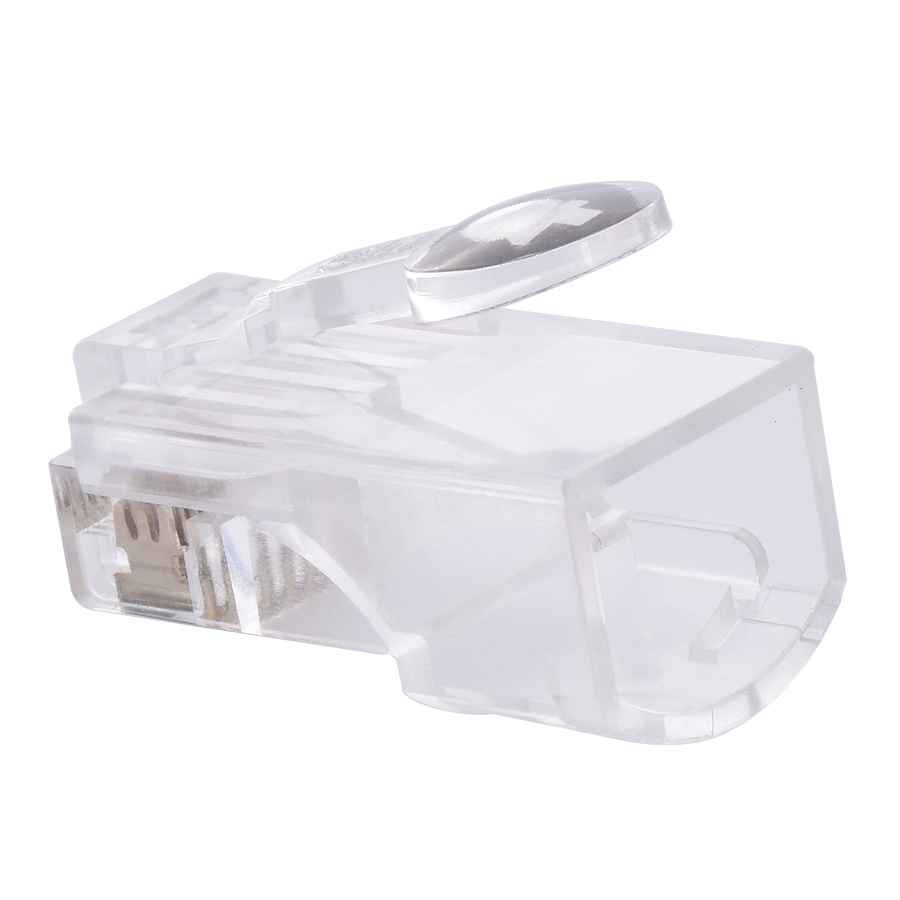
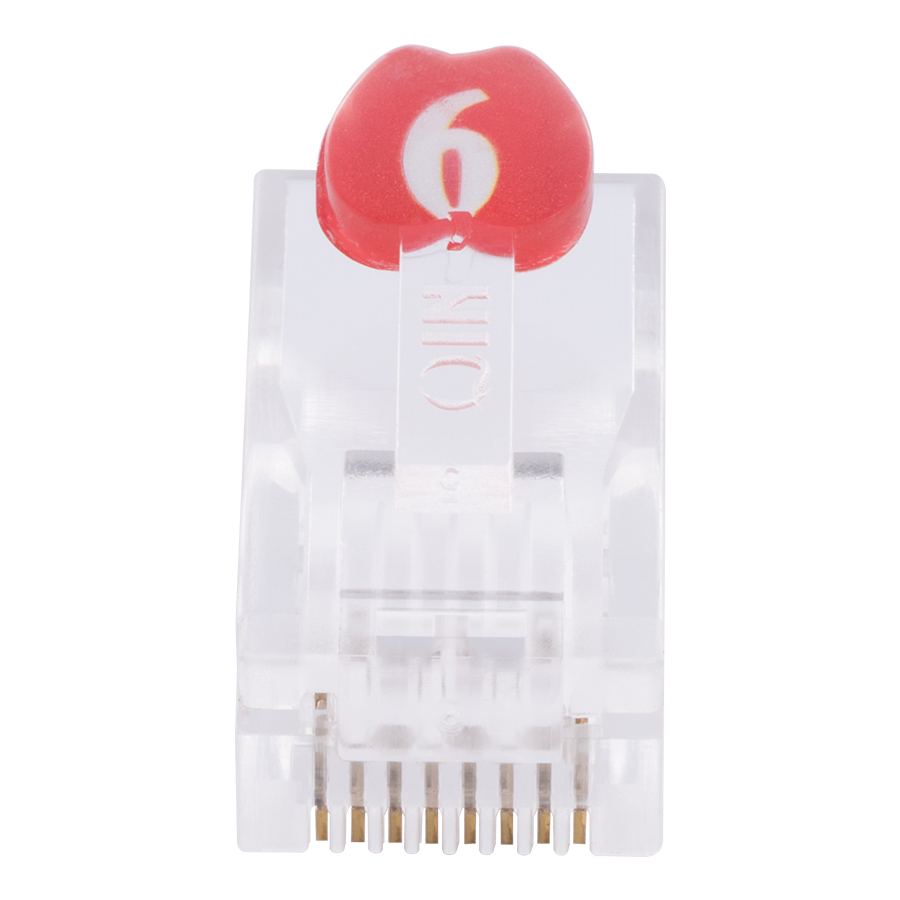
Finally, interface crimping and sorting specifications. Domestic Cat7 patch cords uniformly follow the T568B standard wiring method with tight crystal head crimping and core wires fully inserted to the bottom to avoid virtual connection and poor contact. After construction, each link is tested for continuity, speed and anti-interference to ensure that all links meet the 10G speed standard without packet loss or attenuation. After wiring completion, jumpers are classified, marked and neatly bound to distinguish backbone links, equipment links and backup links, improving the overall neatness of the computer room and the convenience of later operation and maintenance, enabling the whole cabling solution to maintain optimal performance stably for a long time.
The core value of high-end cabling projects is to optimize procurement and construction costs by utilizing the china cat7 patch cord price gradient reasonably under the premise of qualified performance, so as to maximize cost performance. The current domestic Cat7 patch cord market is divided into three price levels corresponding to different cabling solutions, which can accurately adapt to different budgets and performance requirements. The first level is high-end engineering products with relatively high price, full compliant parameters, high shielding precision, low loss and strong weather resistance, suitable for high-demand scenarios such as industry, medical treatment and large data centers, and applied to core links and key equipment docking cabling to ensure network stability under extreme working conditions. The second level is mid-range standard products with moderate price, qualified core transmission parameters and stable shielding performance. As the first choice for government and enterprise offices, small and medium-sized computer rooms and high-end commercial scenarios, it adapts to most 10G cabling needs with optimal cost performance. The third level is low-cost reduced-configuration products with incomplete shielding layers, virtual parameters and excessive loss, only suitable for temporary simple wiring and strictly prohibited from formal engineering structured cabling.
The core of cost optimization is "graded cabling and material selection on demand". Medium and above compliant domestic Cat7 patch cords are selected for engineering core links and key equipment docking positions to ensure stable core network performance; basic wires can be appropriately adopted for non-core backup links and temporary points to accurately control the overall procurement cost, avoiding performance waste caused by full use of high-end wires and project failure and rework risks caused by low-quality inferior wires. Meanwhile, relying on the advantages of domestic localized supply chain, domestic products with the same performance can save more than 30% of procurement costs compared with imported Cat7 patch cords without brand premium and tariff additional costs. Combined with standardized construction technology, it greatly reduces the implementation cost of the whole cabling project and later operation and maintenance costs.
In addition, reasonable planning of jumper length is also the key to cost optimization. Selecting jumpers of corresponding lengths according to equipment spacing and wiring distance avoids waste of ultra-long wires and forced stretching construction of short wires. Based on the china cat7 patch cord price system, it maximizes wire utilization and minimizes engineering costs. Meanwhile, regular domestic Cat7 patch cords feature long service life, aging resistance and stable performance. The built cabling system can operate stably for a long time, greatly reducing implicit costs of later replacement, maintenance and commissioning, with far higher long-term cost performance than ordinary low-specification cabling solutions.
A complete Cat7 cabling solution includes two core links of construction acceptance and later operation and maintenance, which are the key to ensure construction quality and match wire value and china cat7 patch cord price procurement cost. After construction, full-link testing shall be carried out in accordance with international cabling standards, focusing on testing core parameters such as bandwidth, transmission rate, insertion loss, return loss and crosstalk interference, to ensure all links meet Cat7 10G transmission standards without parameter attenuation and signal abnormality. A complete engineering test report shall be issued to ensure the cabling solution is compliant, acceptable and available for long-term use.
In terms of later operation and maintenance, the cabling system built by domestic Cat7 patch cords has excellent stability and maintainability with outstanding aging resistance, vibration resistance and anti-interference ability, requiring no frequent inspection and debugging in daily operation. Meanwhile, standardized wiring sorting and classification marking improve the efficiency of later equipment upgrading, point adjustment and fault troubleshooting, greatly reducing labor costs for operation and maintenance. Aiming at the long-term network upgrading needs of enterprises, the Cat7 cabling solution reserves sufficient bandwidth and performance redundancy, eliminating the need for frequent wire replacement and continuously adapting to iterative upgrades of 10G and below high-speed networks. One-time wiring ensures long-term service, giving full play to the performance and price advantages of domestic Cat7 patch cords and providing a long-term, stable and cost-effective cabling solution for various high-end network scenarios.
-
-
-
-
-
-
-
-
-
-
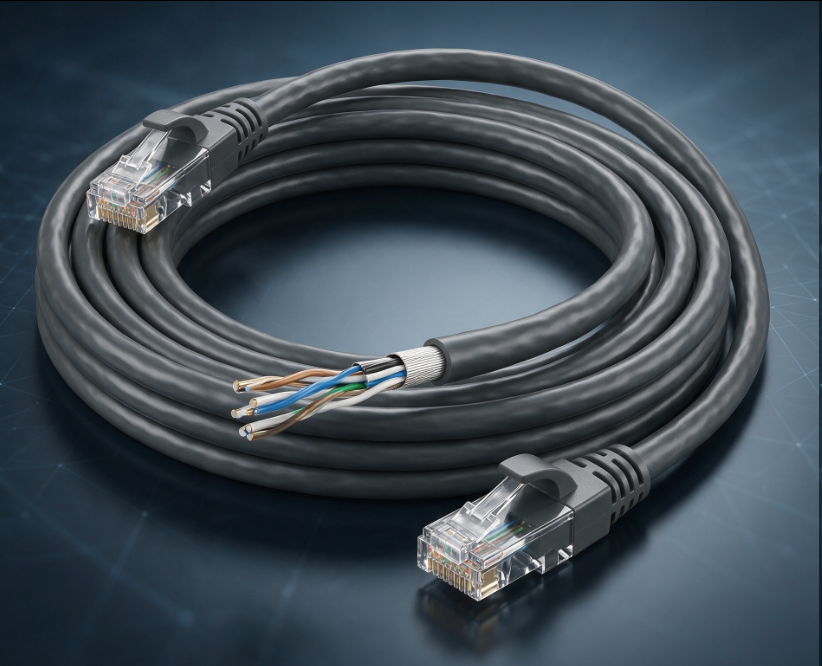
CAT6 Ethernet Gigabit Cable
Aug 15, 2026907
-

Media Converter Network Patch Cord
Jun 27, 2026906
-
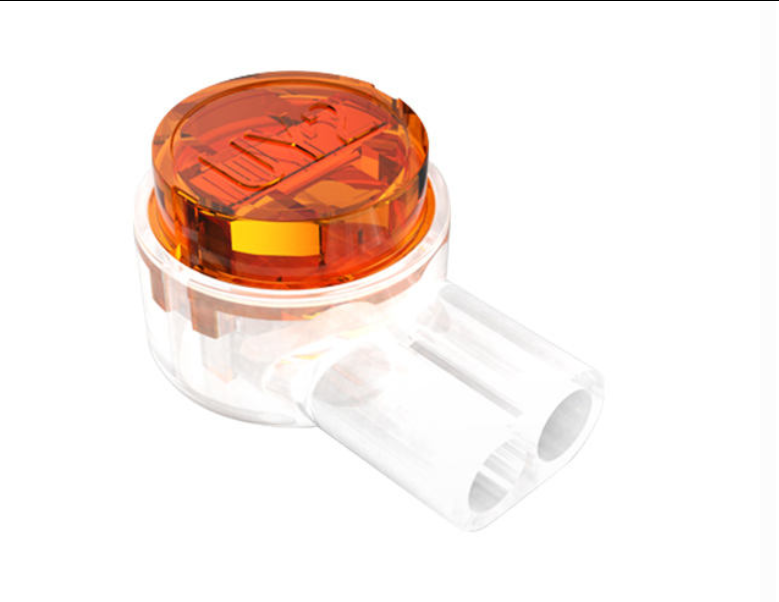
UY2 Connector for Telephone Wire
Jul 08, 2026897
-
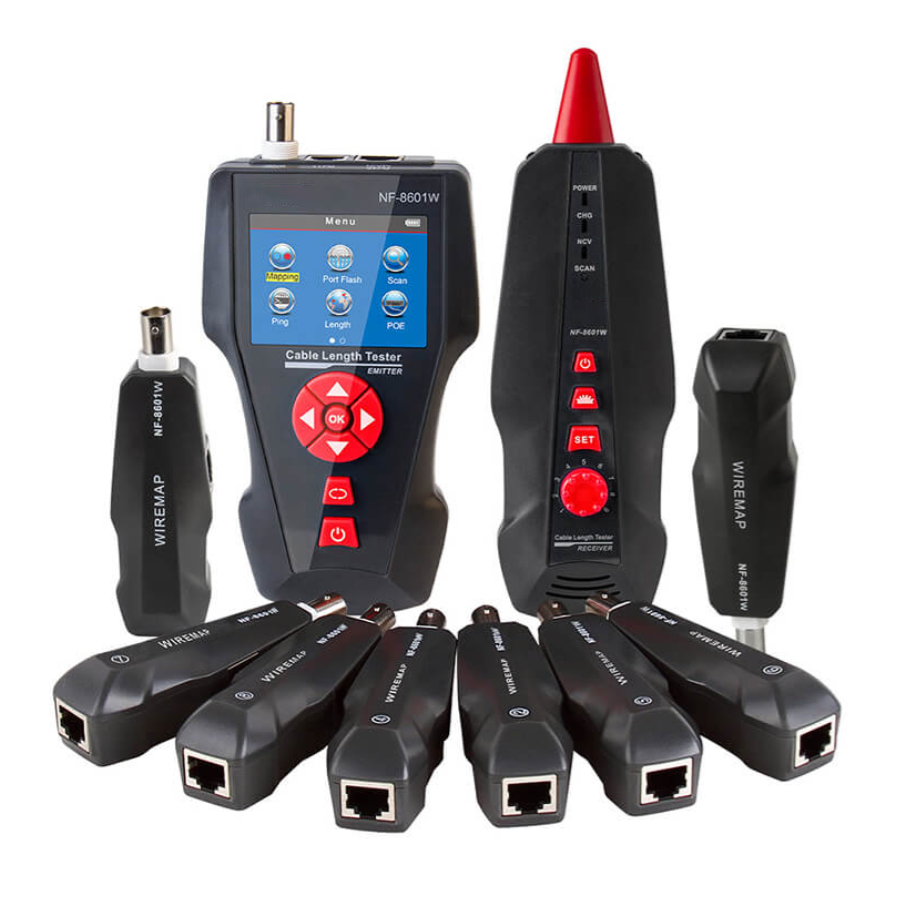
Network Cable Bandwidth Capacity
Jul 06, 2026897
-
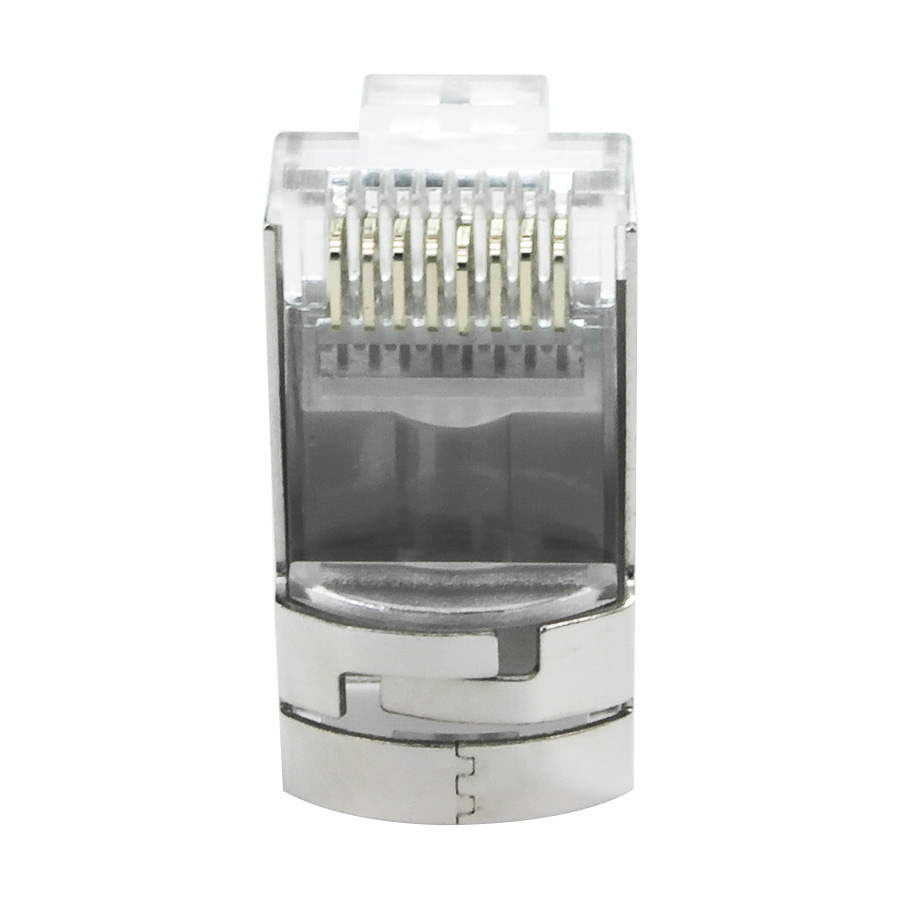
Flame Retardant Cat7 Boot Cover
Jul 14, 2026888