- Language
fiber pigtail 12 cores
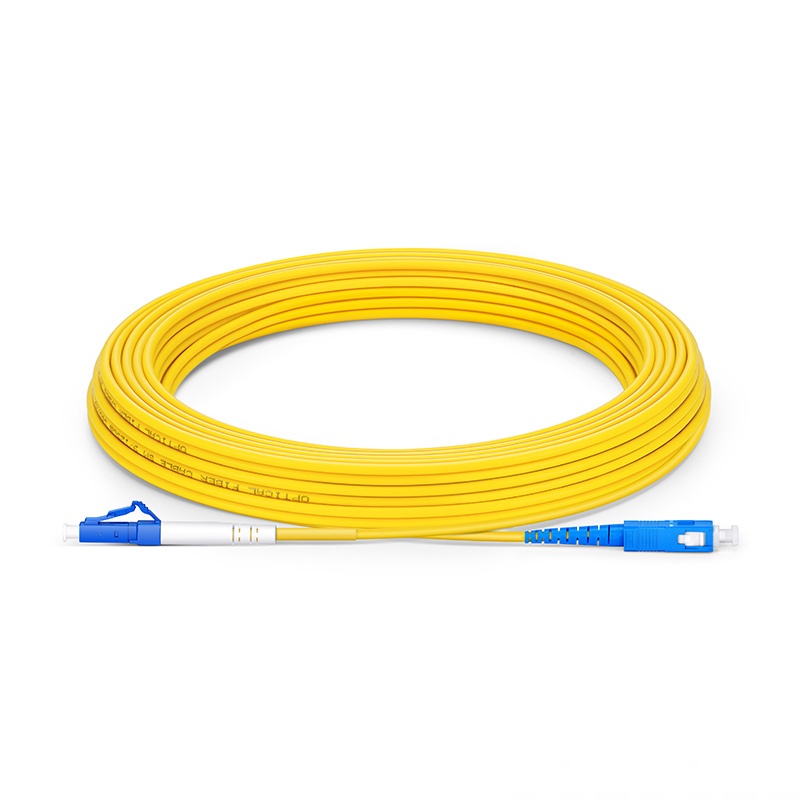
In the construction, operation and maintenance system of optical fiber communication networks, pigtails serve as core accessories for optical cable termination and equipment docking, undertaking the key functions of optical signal conversion and transmission connection. With the large-scale upgrading of smart cities, data centers, 5G base stations and enterprise campus networking, traditional single-core and few-core pigtails can no longer meet the modern networking requirements of high density, multiple links and easy expansion. Multi-core integrated optical fiber termination accessories accurately match the core application demands of current communication projects with their intensive design, becoming standard equipment in large and medium-sized network wiring, computer room renovation and broadband expansion projects. They effectively solve industry pain points such as cumbersome traditional wiring, insufficient link redundancy and difficult operation and maintenance.
The demand for high-density wiring is the core application starting point for such multi-core integrated pigtails. The traditional independent wiring mode of single-core pigtails is prone to messy and tangled lines in narrow spaces such as computer room distribution frames, weak current terminal boxes and optical cross boxes. It not only occupies a large amount of wiring space, but also increases the risks of line extrusion loss and signal interference. The integrated 12-core structure integrates multiple independent fiber cores neatly, greatly improving wiring density, reducing wiring space occupation, and making the line layout of computer rooms and terminal boxes more standardized and orderly. For scenarios such as high-density computer room wiring, building integrated wiring and centralized base station termination, the intensive wiring mode completely optimizes the messy line condition and adapts to the minimalist and standardized wiring construction requirements of modern times.
The demand for network expansion and redundant backup is an important reason for its wide popularity. Various current network scenarios no longer rely on single data transmission, but support the parallel operation of multiple services including voice, video, large data transmission, cloud storage and security monitoring. Each fiber core can independently carry one communication link, and the multi-core design provides sufficient redundant links for networks. In daily use, links can be divided into service links, backup links and expansion links respectively. When the main link fails, the backup link can be switched quickly to ensure uninterrupted network operation. Meanwhile, in the face of subsequent demands such as enterprise office upgrading, bandwidth expansion and new equipment addition, there is no need to re-lay main optical cables, and network expansion can be completed by activating reserved fiber cores, which greatly reduces the cost and construction cycle of network renovation.
The demand for construction efficiency and operation and maintenance convenience fits the practical requirements of project implementation. In large-scale communication projects, the construction mode of crimping and terminating single-core pigtails one by one has cumbersome procedures and low efficiency, and is prone to wrong wiring and confused identification, leading to difficult fault troubleshooting in the later stage. The integrated structure simplifies the construction process, completing multi-link termination in one laying operation, which significantly improves wiring efficiency and shortens the project period. At the same time, the standardized identification of integrated lines can clearly distinguish the purpose of each link, allowing operation and maintenance personnel to quickly locate faulty links, simplify inspection, replacement and expansion operations, and effectively reduce labor and time costs for later network operation and maintenance, adapting to batch and standardized project construction needs.
The demand for parallel transmission of multiple services promotes the scenario-based popularization of multi-core pigtails. Multiple services often coexist in scenarios such as telecommunication, community broadband, campus networking and industrial monitoring, and different services have varying requirements for network stability and bandwidth. Relying on the independent transmission feature of multi-core structures, service isolation transmission can be realized. Broadband Internet access, video monitoring, voice communication and special line services are transmitted through separate cores, avoiding signal congestion, data interference and network speed fluctuation caused by multiple services sharing one link. This isolated transmission mode effectively improves the operational stability of various services and meets the refined network operation requirements of government, enterprise and commercial scenarios for hierarchical, zoned and classified transmission.
The demand for environmental adaptability and long-term stable operation is an important consideration for project selection. Formal multi-core pigtails adopt high-purity fiber core materials and are equipped with flame-retardant, wear-resistant and aging-resistant environmentally friendly outer sheaths. They adapt to a wide operating temperature range from -20℃ to 70℃, with good moisture-proof, dust-proof and anti-corrosion performance. They can stably adapt to complex installation environments such as computer rooms, outdoor optical cross boxes and building weak current wells. Complying with universal industrial communication standards, these pigtails feature low transmission loss and high consistency, which can maintain efficient optical signal transmission for a long time and reduce subsequent line failure rates, meeting the core requirement of long-term stable operation of communication networks.
In conclusion, the core application demands of modern optical fiber networks have upgraded from basic network transmission to comprehensive requirements including high-density wiring, efficient expansion, convenient operation and maintenance, and stable parallel operation of multiple services. With the core advantages of intensification, high redundancy, easy maintenance and strong adaptability, multi-core integrated pigtails accurately fit the practical pain points of various networking scenarios, serving as indispensable basic accessories in modern optical fiber communication projects and providing solid physical support for the long-term and stable operation of various communication networks.
-
-
-
-
-
-
-
-
-
-
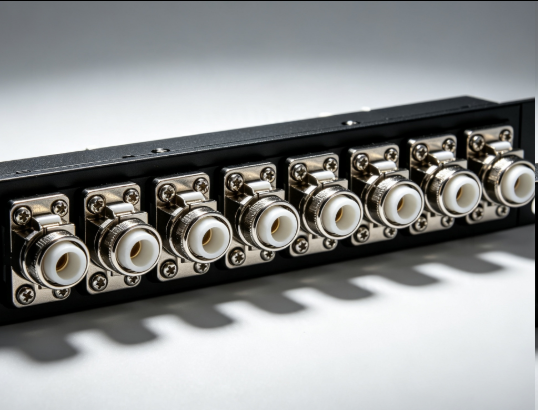
Flange Type Fixed Fiber Optic Adapter for Rack Panel
Sep 19, 2026955
-
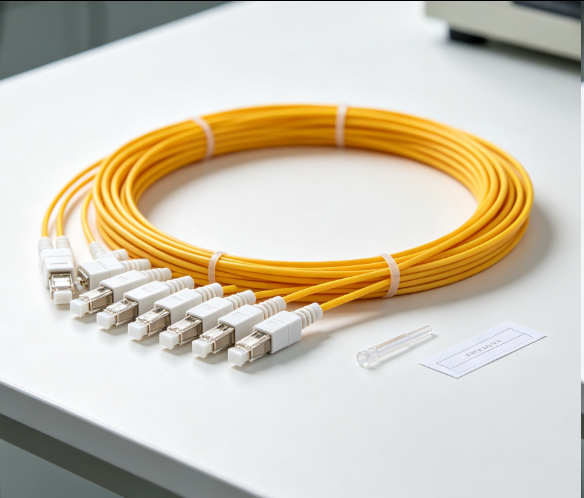
Fiber Pigtail 12 Cores SC UPC Single Mode
Sep 04, 2026930
-
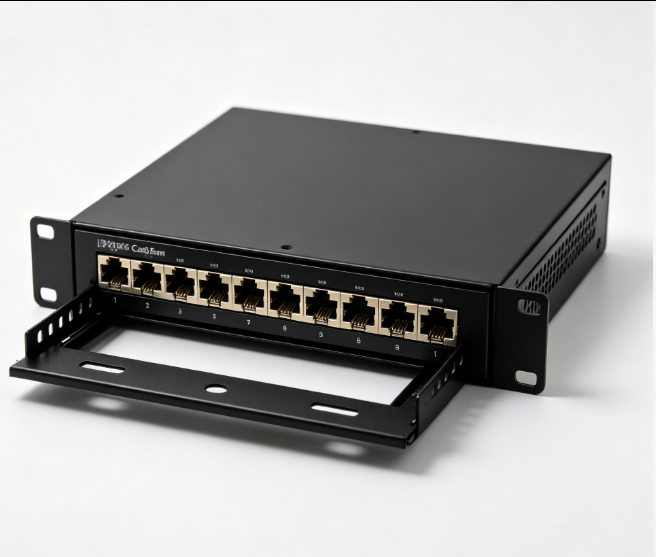
12 Port Cat6 Patch Panel Small Cabinet
Sep 12, 2026929
-
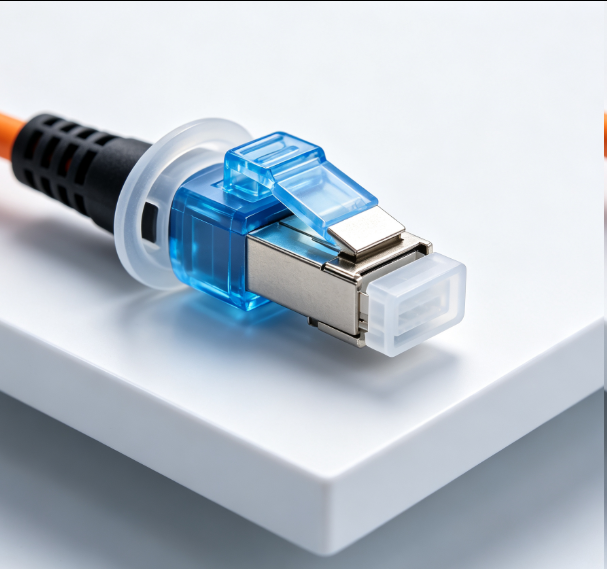
Dust Cap Equipped Fiber Patch Cable Protective
Sep 03, 2026929
-
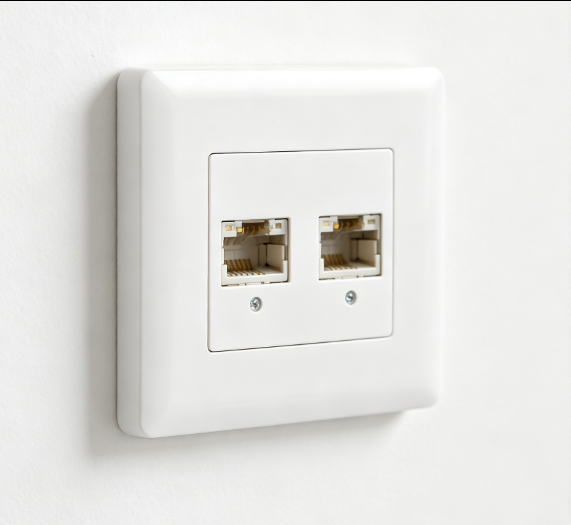
EU Standard Network Faceplate
Sep 11, 2026927