- Language
network patch cord,Network patch cord selection criteria
In modern network cabling systems, network patch cord is the core basic wire for building local area networks and realizing interconnection of network devices, as well as the most commonly used and fundamental connection component in integrated cabling systems. Different from fixed embedded network wires in walls, network patch cords are short-distance, movable and flexibly pluggable connection wires, mainly used for equipment connection in computer rooms, terminal connection at workstations, and series connection of network devices, serving as a key carrier for opening up network signal transmission links. In short, the signal docking between core network equipment such as switches, routers, computers, servers, surveillance cameras, wireless APs and all network terminals relies on the support of network patch cords.
The core function of a network patch cord is to transmit Ethernet data signals, ensure high-speed, stable and low-loss transmission of network data, and realize physical connection and data interaction between devices. As a simple wire, it is the "neural vein" of the entire network system. Its quality and performance directly determine the transmission speed, stability, anti-interference ability and service life of the network. In all network scenarios such as daily office work, home networks, data centers, industrial monitoring and intelligent buildings, network patch cords are indispensable infrastructure. Once the patch cord is aging, damaged or substandard in performance, it will cause a series of network faults such as network stuttering, disconnection, high delay and packet loss, which seriously affect equipment operation and work efficiency.
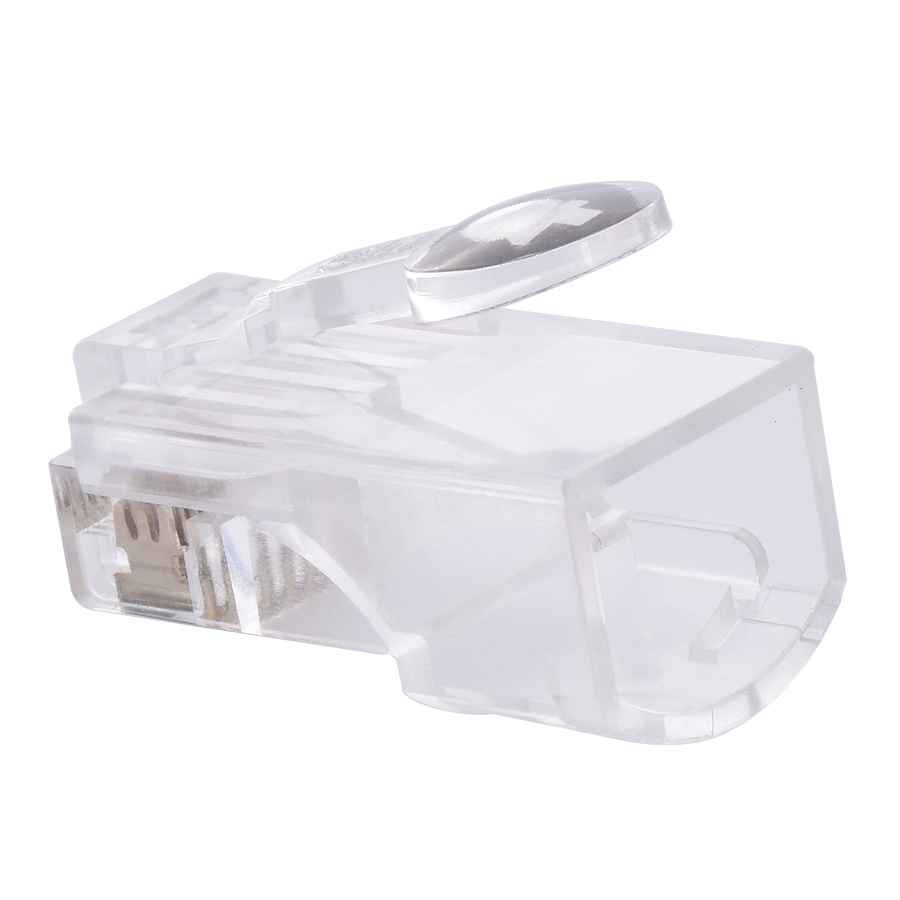
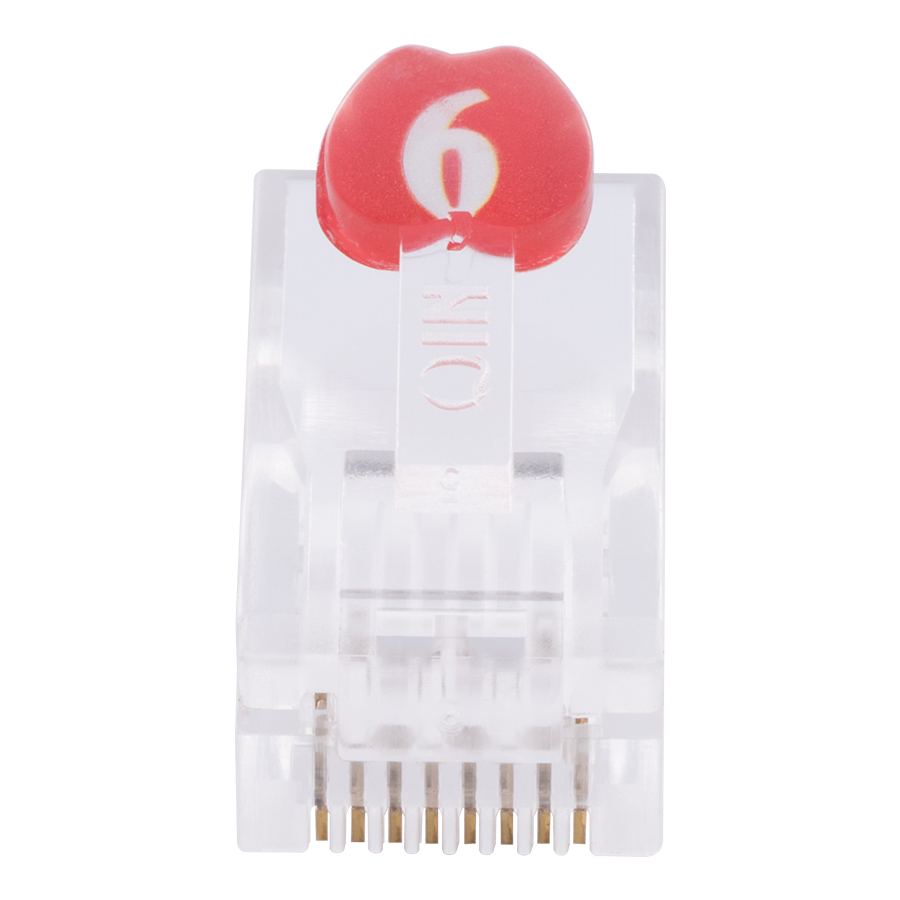
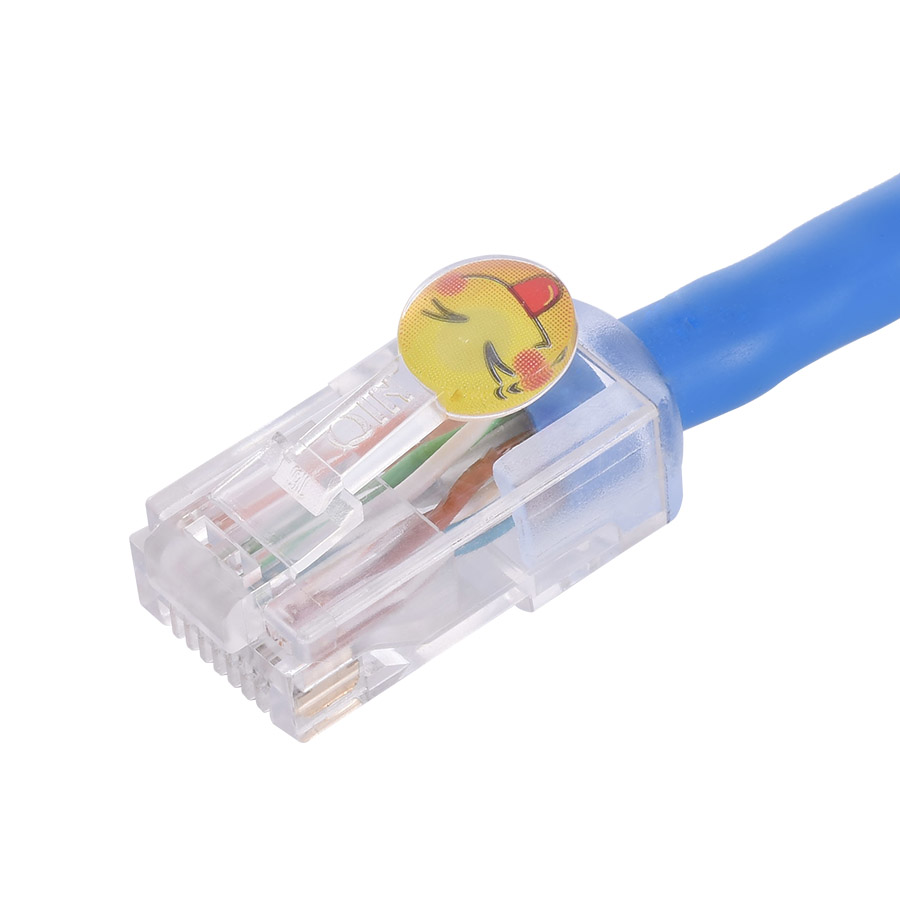
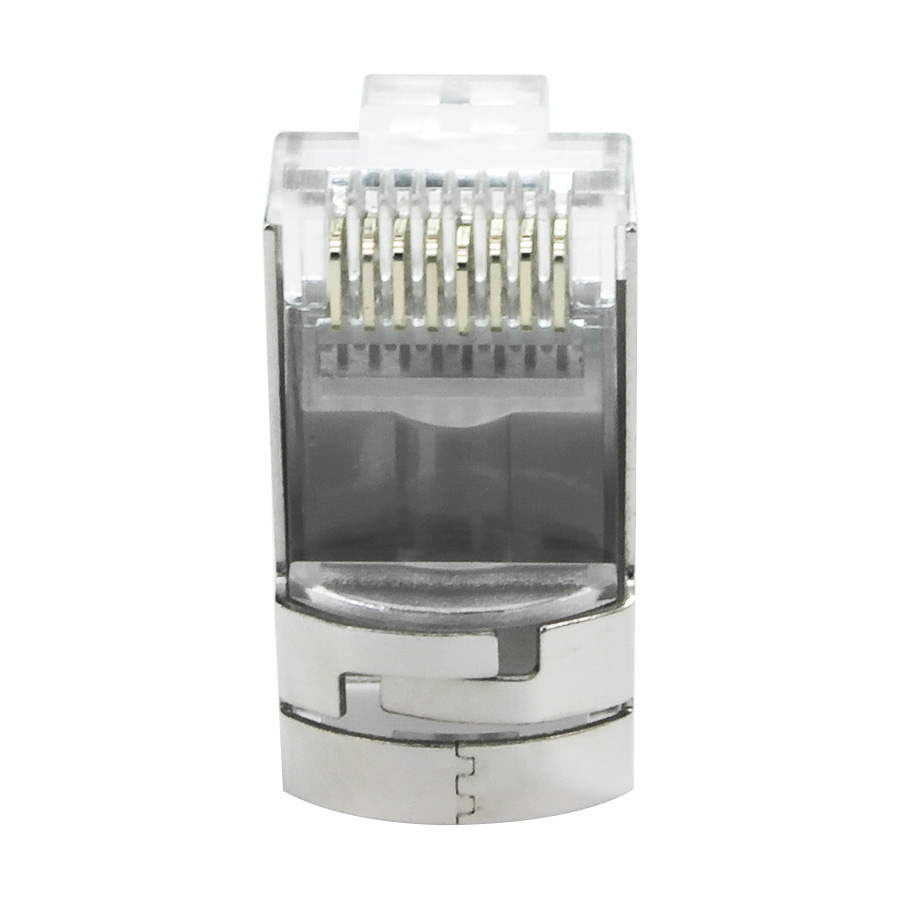
In terms of structure, standard network patch cords are mainly composed of insulating sheaths, internal twisted pairs, copper core conductors and RJ45 crystal heads at both ends. The internal twisted pair design offsets electromagnetic interference through different twisting angles of wire pairs, which is the core design principle for network patch cords to stably transmit signals. The standardized RJ45 interfaces at both ends are compatible with most network device interfaces, featuring plug-and-play and flexible disassembly and assembly, which greatly improves the flexibility of network cabling and the convenience of later operation and maintenance.
With the iterative upgrading of network technology and the continuous improvement of network bandwidth demand, network patch cords have derived multiple specifications. Different types have significant differences in transmission rate, bandwidth, anti-interference performance and applicable scenarios. Users need to select models accurately according to actual network demands to avoid network speed bottlenecks caused by insufficient wire performance. At present, the mainstream network patch cords in the market are divided into four categories: Category 5, Category 5e, Category 6 and Category 6a, which are the core selection types for civil and commercial scenarios.
Category 5 network patch cord is an early basic wire with a maximum transmission bandwidth of 100MHz and a maximum transmission rate of 100Mbps, only adapted to 100M network scenarios. This type of patch cord has weak anti-interference ability and is prone to signal attenuation with excessive transmission distance. It has basically been phased out by the market at present, only used in a small number of old low-end network devices, and is no longer adapted to modern high-speed network demands.
Category 5e network patch cord is a highly popular basic commercial wire at present, with a bandwidth increased to 125MHz and support for Gigabit network transmission, achieving a maximum transmission rate of 1000Mbps. Compared with Category 5 patch cords, it optimizes the wire pair twisting process, effectively reduces crosstalk and signal attenuation, and greatly improves anti-interference performance. It has the advantages of high cost performance, strong stability and wide adaptability, and is widely used in home networks, ordinary office workstations, small shops, ordinary monitoring networks and other scenarios with moderate network speed requirements, serving as the entry-level standard wire for Gigabit networks.
Category 6 network patch cord is a mid-to-high-end commercial wire and the mainstream choice for enterprise computer rooms, office buildings and medium-sized data centers. Its transmission bandwidth reaches 250MHz, supporting Gigabit and above network transmission, and can stably adapt to 1000Mbps Gigabit networks and be compatible with 10G transmission scenarios in a short time. Category 6 patch cords have thicker core wires and upgraded insulating layer materials. The internal cross skeleton isolation design effectively eliminates crosstalk between wire pairs, and the signal transmission accuracy, stability and anti-interference ability are far better than Category 5e patch cords. It can continuously and stably carry high-frequency and large-capacity data transmission, perfectly adapting to high-frequency network usage scenarios such as enterprise office work, high-definition video transmission and cloud data interaction.
Category 6a network patch cord is a high-end special wire for high-speed networks, focusing on 10G high-speed transmission with a transmission bandwidth of up to 500MHz, which can stably realize 10Gbps 10G data transmission with greatly improved transmission distance and signal stability. Adopting brand-new shielding and anti-interference technology, this patch cord can effectively resist electromagnetic interference and signal attenuation in complex environments, and is suitable for large data centers, cloud computing computer rooms, artificial intelligence equipment networking, high-definition security monitoring clusters, industrial intelligent networks and other scenarios with high requirements for high bandwidth and high stability. It is the core supporting wire for modern high-speed intelligent networks.
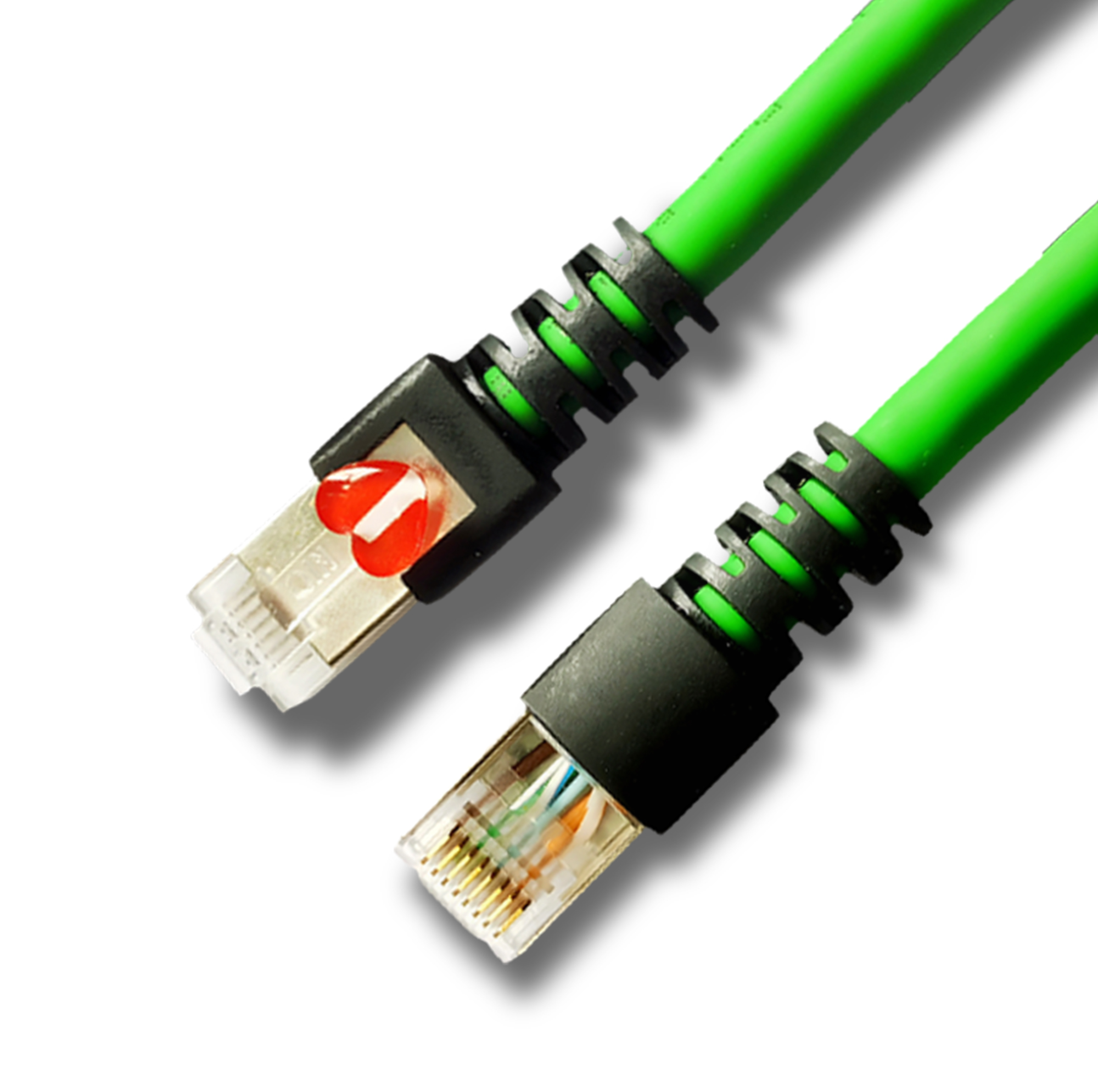
In addition to classification by transmission specifications, network patch cords can also be subdivided by sheath material, shielding structure, length and appearance. According to shielding types, they can be divided into unshielded twisted pair (UTP) patch cords and shielded twisted pair (STP/FTP) patch cords. Unshielded patch cords have high cost performance and are suitable for conventional indoor scenarios; shielded patch cords are equipped with metal shielding layers to resist strong electromagnetic interference, adapting to complex environments such as computer rooms, industrial workshops and dense weak current areas. According to sheath materials, they can be divided into PVC environmental protection sheaths and LSZH low-smoke zero-halogen sheaths. LSZH materials have strong flame retardancy, non-toxic and harmless features, and will not release toxic smoke in case of fire, making them more suitable for closed public scenarios such as office buildings, malls and computer rooms.
High-quality formal network patch cords have multiple core advantages and are the foundation to ensure stable network operation, with value covering the whole cycle of network construction, use and operation and maintenance. Firstly, it features stable transmission, zero stuttering and low packet loss. High-quality network patch cords adopt high-purity oxygen-free copper cores with low resistance and strong conductivity, minimal signal transmission loss. Combined with precision twisting technology, they can effectively avoid crosstalk and signal attenuation, ensuring the continuity and integrity of data transmission. It can realize high-speed and smooth transmission in daily web browsing, file transmission, high-definition video conferences, 4K/8K video playback, large-scale games and cloud data synchronization, eliminating network stuttering, delay fluctuation, data packet loss and disconnection, and perfectly adapting to all-weather continuous network access demands.
Secondly, it has strong anti-interference ability and adapts to complex multi-scenario environments. Formal network patch cords strictly comply with industry production standards. Unshielded patch cords reduce internal interference by optimizing the wire pair twisting structure, while shielded patch cords isolate external electromagnetic signal interference through metal shielding layers, which can effectively resist the electromagnetic impact of surrounding wires, electrical appliances and weak current equipment. It can still maintain stable signal transmission in densely equipped computer rooms, complexly wired office areas and electromagnetically complex industrial scenarios without network speed fluctuation and signal disorder.
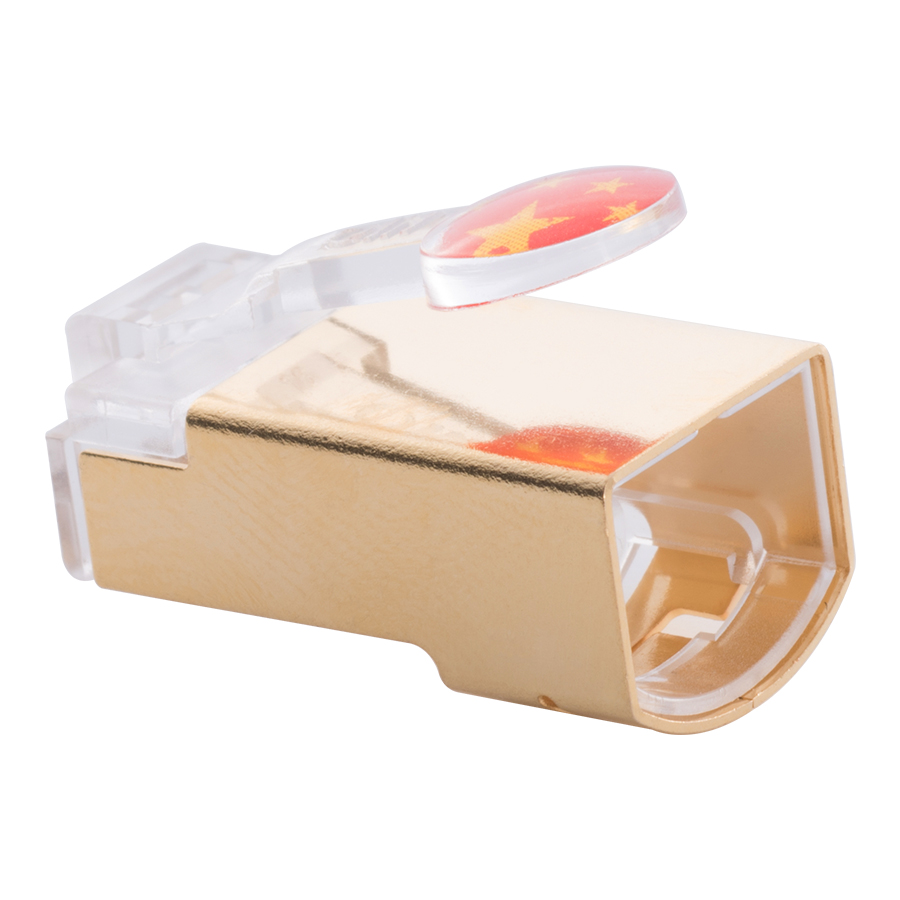
Thirdly, it is durable with a long service life. The RJ45 crystal heads of high-quality patch cords adopt gold-plating technology, with anti-oxidation, anti-corrosion and wear-resistant gold-plated layers, ensuring no poor contact after multiple plugging and unplugging. The wire sheaths are made of thickened high-quality materials, which are tensile, compressive, bending-resistant and wear-resistant, not easy to crack and damage after daily pulling, bending and stepping. Compared with inferior wires which are easy to age, oxidize and have a short service life, formal network patch cords can serve for more than 10 years, greatly reducing the cost of network operation and maintenance and replacement.
Finally, it has wide compatibility and convenient installation. The standardized RJ45 interface is compatible with all Ethernet network devices, including computers, routers, switches, servers, surveillance cameras, wireless APs, set-top boxes and intelligent industrial control equipment, plug-and-play without additional debugging. The wires are flexible and easy to arrange with neat wiring, adapting to various installation methods such as exposed installation, concealed installation and cabinet wiring. It can be perfectly applied to home networking, small office networking and systematic wiring of large computer rooms.
As a universal network connection wire, network patch cords cover all fields including civil use, commerce, industry and public infrastructure, serving as basic consumables for digital network construction and adapting to various network networking demands. Home network scenarios are the most basic application scenarios. Category 5e and Category 6 network patch cords are widely used for the connection between home routers and optical modems, as well as the networking connection of routers with computers, TV boxes, intelligent monitoring and smart home devices, ensuring stable network access for home broadband, whole-house WIFI and smart equipment, and meeting the network demands of daily internet access, audio-visual entertainment and home office work.
Office and commercial scenarios are the core application fields of network patch cords. Office buildings, industrial parks, shops, hotels and other places require a large number of patch cords to connect office computers, printers, office all-in-one machines, conference large screens and wireless APs with computer room switches, build stable office local area networks, and ensure the efficient development of daily office work, video conferences, file sharing and online business transmission of enterprises.
Computer room and data center scenarios have the highest performance requirements for network patch cords. Large-scale internet data centers, cloud computing computer rooms and enterprise core computer rooms all adopt high-end Category 6 and Category 6a patch cords for the high-speed docking of servers, switches, firewalls and storage devices, carrying core businesses such as high-speed transmission of massive data, cloud interaction and data backup, which have extreme requirements for network speed, stability, anti-interference and sustainability.
Security monitoring scenarios are also important application fields of patch cords. High-definition surveillance cameras in communities, malls, factories, roads and buildings are connected to switches and back-end storage devices through network patch cords to realize real-time transmission, recording and playback of high-definition video images. Stable patch cords can avoid monitoring screen stuttering, blurring and recording interruption, ensuring the all-weather normal operation of the security system.
In addition, industrial intelligent networking, campus networks, hospital intelligent medical networks, rail transit intelligent networks, smart city infrastructure and other scenarios also fully rely on network patch cords for equipment networking, which are indispensable basic wires in digital and intelligent construction.
To ensure the long-term stable operation of the network, accurate selection of high-quality network patch cords and daily maintenance are crucial. Most network faults of users can be effectively avoided through scientific selection and standardized operation and maintenance. In terms of selection, firstly, the model should match the network bandwidth. 100M broadband is adapted to Category 5e and above patch cords, Gigabit broadband preferentially selects Category 6 patch cords, and 10G networks and core computer room networking must adopt Category 6a patch cords to prevent network speed bottlenecks caused by insufficient wire performance. Secondly, users should distinguish wire materials, prioritize high-purity oxygen-free copper core wires, and avoid inferior copper-clad aluminum and iron core wires, which have high resistance, high signal loss and easy oxidation, seriously affecting network quality. At the same time, attention should be paid to the crystal head technology, and gold-plated contact crystal heads are preferred to ensure stable contact and oxidation resistance. Finally, select appropriate sheath and shielding types according to application scenarios, low-smoke zero-halogen flame-retardant wires are preferred for closed public scenarios, and shielded network patch cords are preferred for scenarios with dense equipment and complex electromagnetism.
In terms of daily maintenance, avoid excessive bending and pulling of wires during wiring to prevent internal core wire fracture and insulating layer damage; avoid binding wires with high-voltage wires and high-power electrical appliances closely to reduce electromagnetic interference; regularly check whether the wire interface is loose or oxidized, clean the dust on crystal head contacts in time to avoid poor contact; disconnect patch cords for unused equipment to reduce interface oxidation loss; replace aging, damaged and outdated patch cords in a timely manner to eliminate hidden network safety hazards.
In conclusion, although network patch cords are tiny network accessories, they bear the core function of data transmission of the entire network system, and their performance and quality directly determine the network operation quality. From basic home internet access and office networking to high-end data center and industrial intelligent networking, network patch cords of different specifications adapt to full-scenario network demands. With the rapid development of digital networks, users should abandon the misunderstanding that "wires are insignificant", select compliant and high-quality network patch cords according to their own network bandwidth and application scenarios, and do a good job in daily operation and maintenance, so as to ensure the high-speed, stable and safe operation of the network from the basic level, and lay a solid foundation for the efficient operation of various network devices and the orderly development of digital businesses.
-
-
-
-
-
-
-
-
-
-
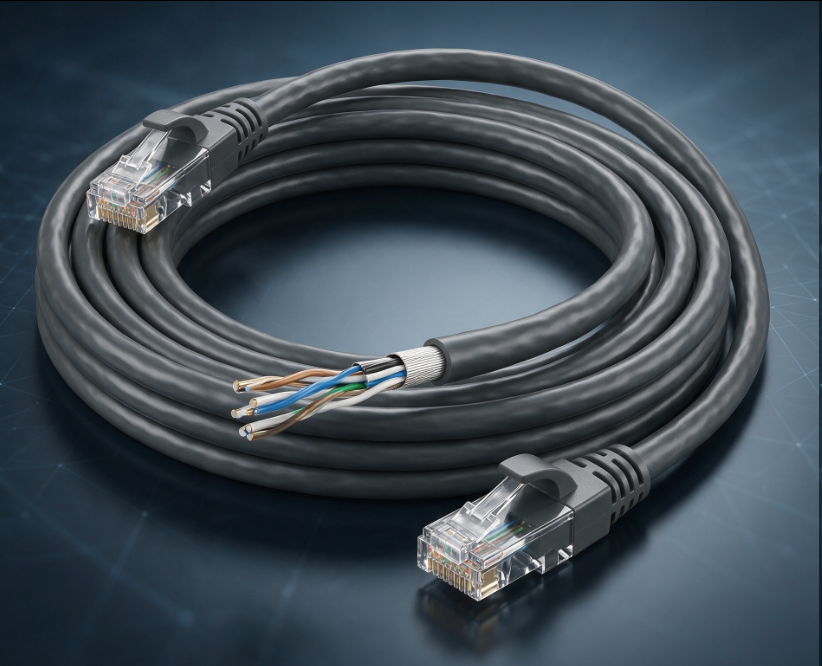
CAT6 Ethernet Gigabit Cable
Aug 15, 2026907
-

Media Converter Network Patch Cord
Jun 27, 2026906
-
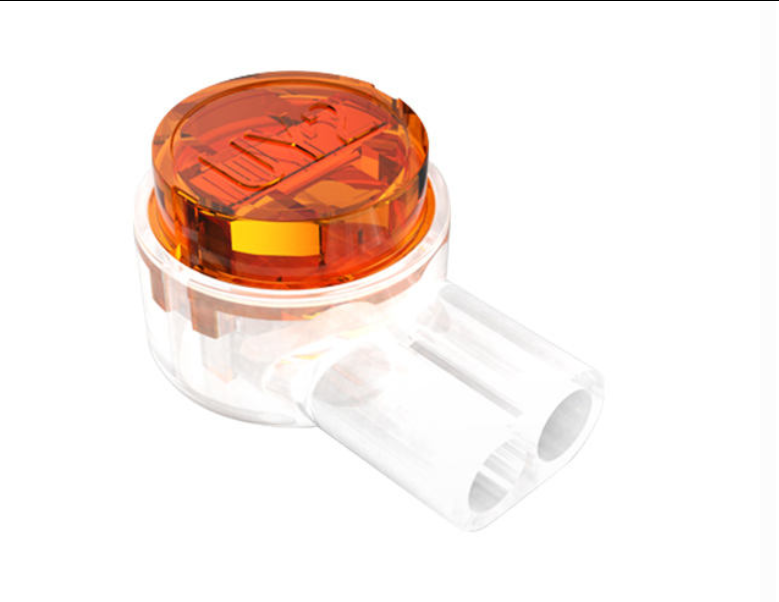
UY2 Connector for Telephone Wire
Jul 08, 2026897
-
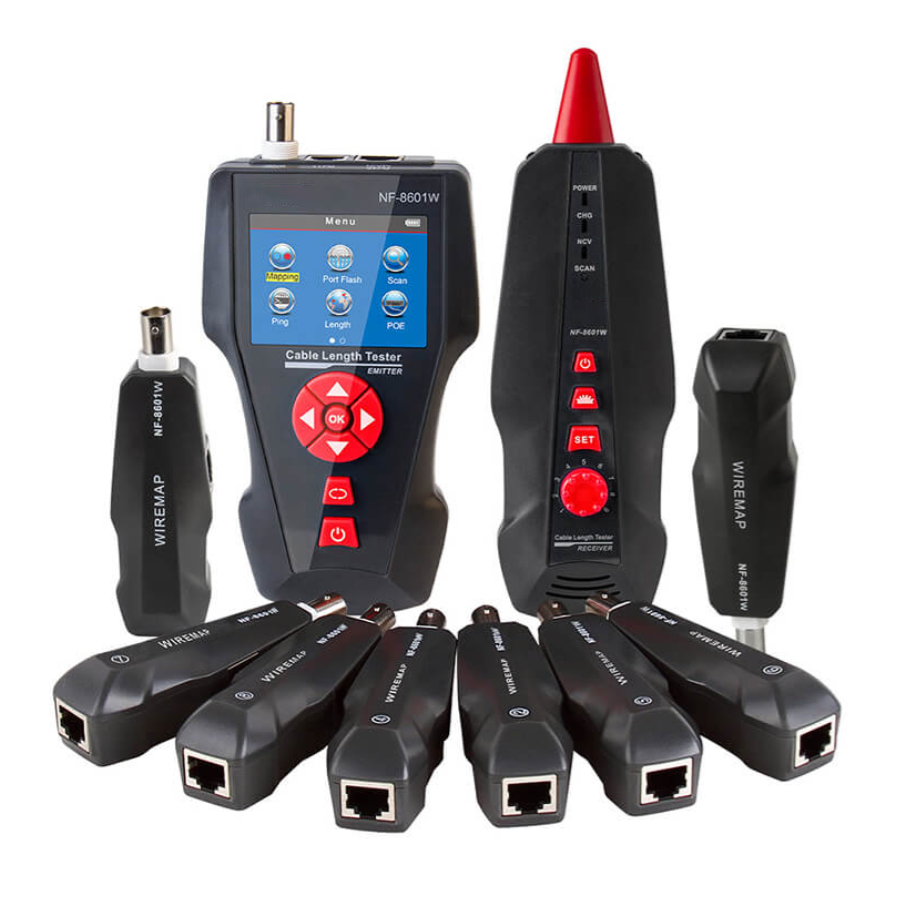
Network Cable Bandwidth Capacity
Jul 06, 2026897
-
Flame Retardant Cat7 Boot Cover
Jul 14, 2026888