- Language
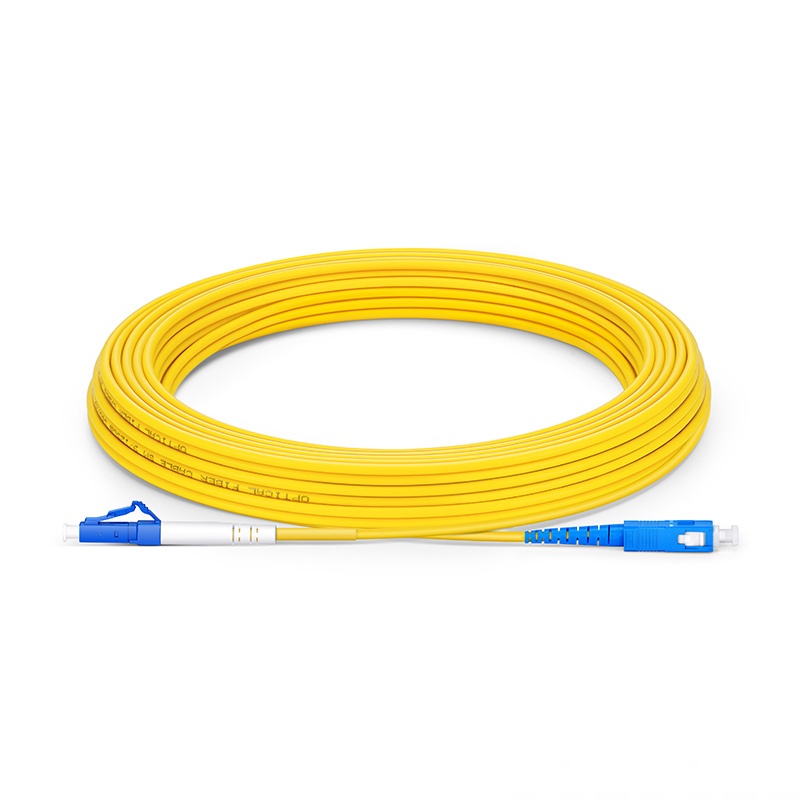
om4 fiber patch cord
In modern data center clusters, government and enterprise core computer rooms, 5G supporting wiring, intelligent park weak current engineering, and high-definition monitoring private network construction, fiber patch cords serve as core engineering consumables for equipment docking, link jumping and hierarchical interconnection. Their transmission performance, construction adaptability, high-density deployment capability, long-term stability and compliance directly determine the acceptance rate, operational reliability and later O&M costs of the entire network project. As a new generation of laser-optimized multimode wiring product, OM4 fiber patch cords comprehensively outperform traditional OM3 and OM2 multimode fibers. With ultra-high modal bandwidth, ultra-low transmission attenuation, excellent bend-insensitive performance and full-scenario engineering adaptability, they have become the standard selection for current 10G, 40G and 100G high-speed networking projects. From an engineering implementation perspective, OM4 patch cords are not merely simple wire upgrades, but complete engineering-grade solutions adapted to high-density computer room wiring, standardized construction, long-term fault-free operation and system iteration compatibility. They effectively solve common engineering pain points of traditional fiber wiring such as insufficient bandwidth, limited transmission distance, large bending loss, severe interference in high-density wiring and difficult later expansion, fully meeting the high-standard construction and long-term operation and maintenance requirements of large-scale weak current projects.
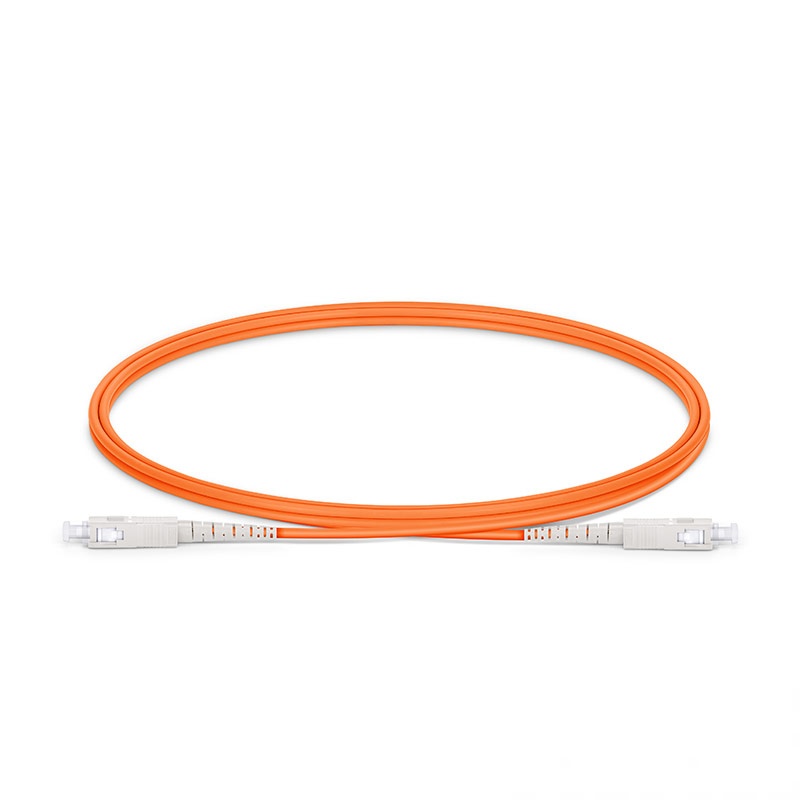
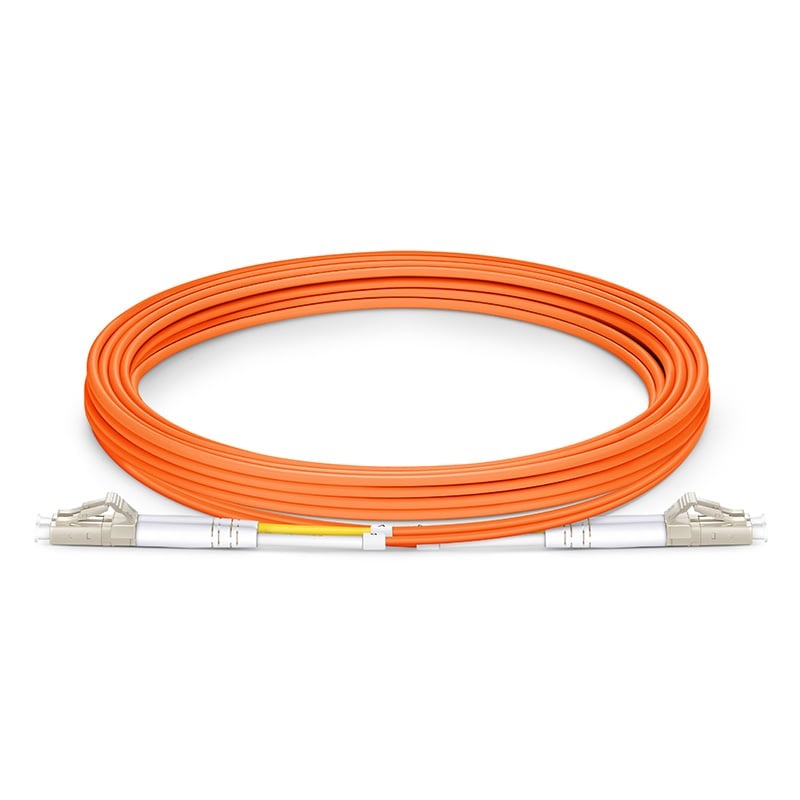
Delivering superior engineering transmission performance, OM4 fiber patch cords meet dual standards of bandwidth and distance for high-speed networking projects and adapt to mainstream engineering transmission protocols. Adopting a standard 50/125μm core-cladding structure and precise laser optimization technology, OM4 fiber patch cords feature an effective modal bandwidth of 4700MHz·km, more than double the 2000MHz·km bandwidth of OM3 fibers, forming the core performance foundation for high-speed network engineering. The maximum attenuation coefficient is only 2.3dB/km at 850nm wavelength and 0.6dB/km at 1300nm wavelength, ensuring ultra-low transmission loss and pure long-distance signal transmission. Engineering tests verify that it stably supports 10G Ethernet transmission up to 550 meters and 40G/100G parallel optical transmission up to 150 meters, perfectly adapting to engineering scenarios such as cross-layer cabinet interconnection in data centers, long-distance computer room jumping and park backbone branch interconnection. Strictly compliant with international engineering standards including IEEE, TIA-568 and IEC 60793, LC/UPC connectors achieve insertion loss ≤0.15dB and return loss ≥35dB. The ultra-precise optical parameters eliminate common engineering problems such as signal dispersion, bandwidth attenuation and data packet loss in high-speed links, ensuring stable full-network operation with high speed, low latency and zero error codes and smooth acceptance of various high-standard weak current projects.
Adaptable to high-density computer room engineering wiring, the superior bend-insensitive performance greatly reduces construction difficulty and wiring loss. Modern core computer rooms are generally characterized by dense cabinets, complex wiring, limited bridge space and numerous bent and tangled patch cords. Ordinary optical fibers are prone to high loss, signal interruption and hidden core cracks after rigid bending, requiring extremely high construction craftsmanship with low fault tolerance and high rework rates. Featuring an upgraded bend-insensitive structural design with optimized core-cladding ratio and internal stress structure, OM4 fiber patch cords withstand small-radius dense bending without additional loss or parameter drift, perfectly adapting to complex construction conditions such as compact cabinet side storage, bridge corner wiring and dense equipment docking. In high-density upper wiring, stacked internal cabinet wiring and standardized cable arrangement, they support compact, standardized and neat wiring, significantly improving computer room space utilization and wiring appearance. Meanwhile, the wires feature excellent flexibility, tensile resistance and extrusion resistance, avoiding fiber core damage caused by construction dragging and threading, eliminating hidden faults induced by manual operation, and greatly improving construction efficiency and one-time project acceptance rate.
Adopting standardized engineering materials and protective structures, OM4 patch cords adapt to harsh full-scenario construction environments and long-term operation. Targeting the rigorous working conditions of long-term 7×24-hour uninterrupted operation, alternating temperature and humidity, dust and moisture erosion, and long-term vibration and extrusion in engineering wiring scenarios, OM4 patch cords adopt high-quality engineering-grade outer jackets. Equipped with mainstream LSZH low-smoke halogen-free flame-retardant sheaths with self-extinguishing performance and zero toxic smoke emission, they meet fire safety specifications for confined computer room spaces and dense indoor wiring, complying with fire protection acceptance standards of government and enterprise computer rooms and data centers. The cables feature excellent aging resistance, wide-temperature tolerance, moisture and dust proof performance, operating stably from -20℃ to 75℃ without hardening, cracking or performance aging during long-term service. High-precision ceramic ferrules with fine end-face grinding ensure smooth plugging and accurate alignment. Maintaining low-loss docking performance after thousands of plugging cycles, they effectively avoid later poor contact and signal fluctuation, fully adapting to full-life-cycle stable operation of engineering projects and reducing long-term maintenance frequency and replacement costs.
With strong full-system engineering compatibility, OM4 patch cords support new and old network iteration and multi-device linkage networking. Engineering wiring projects often involve old computer room renovation, equipment iteration and upgrading, mixed use of multi-brand devices and link expansion. Cable compatibility directly determines project transformation difficulty and implementation cost. OM4 fiber patch cords feature excellent downward compatibility with traditional OM3, OM2 and OM1 multimode systems, and fully adapt to mainstream engineering devices such as 10G/40G/100G optical modules, switches, servers and optical transceivers. They support network bandwidth upgrading and system iteration without replacing the original wiring architecture. Whether for old computer room speed renovation, new data center high-speed networking, or construction of park private networks, monitoring private networks and industrial control networks, they realize seamless plug-and-play docking without additional link modification or debugging, greatly simplifying construction procedures, shortening project schedules and reducing transformation costs. Supporting multiple commonly used engineering connector specifications including duplex and MPO types, they adapt to diverse wiring topologies and meet customized wiring demands of large-scale weak current projects.
Featuring long-term engineering stability and low O&M costs, OM4 patch cords adapt to full-life-cycle management of large-scale projects. From the perspective of engineering operation and maintenance, the core value of a wiring system lies not only in short-term qualified acceptance, but also in long-term fault-free, low-loss and maintenance-free stable operation. Ordinary multimode fibers suffer from soaring loss, signal degradation and link instability after long-term operation, requiring substantial annual manpower and material resources for inspection and replacement. In contrast, OM4 fiber patch cords maintain almost no attenuation in optical and physical parameters throughout the full lifecycle, thanks to mature laser optimization technology, stable optical structure and high-quality engineering materials. With outstanding anti-interference, anti-aging and anti-deformation capabilities, they support long-term stable operation with extremely low link failure rates. In key engineering scenarios such as data centers and government enterprise core networks, they effectively avoid service failures caused by network interruption and abnormal data transmission, significantly reducing later O&M pressure and operational risks. Meanwhile, standardized unified parameters and craftsmanship enable efficient batch construction, replacement and maintenance, serving as the preferred high-cost-performance wiring product for large-scale high-speed network engineering to reduce costs and improve efficiency.
Integrating five core advantages including engineering implementation, construction adaptability, performance compliance, long-term operation and compatibility iteration, OM4 fiber patch cords fully meet the construction standards of modern high-speed weak current engineering and solve various industry pain points of traditional multimode fibers such as insufficient bandwidth, limited wiring conditions, poor stability and high maintenance costs. Widely applicable to new high-end data center construction, government and enterprise core computer room upgrading, intelligent park development, high-definition private network and industrial high-speed network projects, OM4 fiber patch cords provide compliant, efficient and reliable wiring support with high-standard engineering performance, strong construction adaptability and long-term stable quality, becoming the standardized essential wiring product for current 10G-100G high-speed network engineering.
-
-
-
-
-
-
-
-
-
-
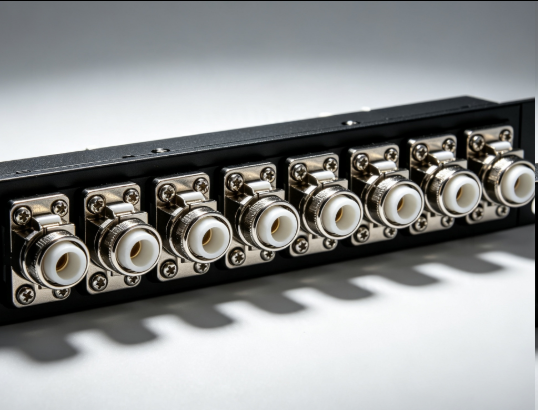
Flange Type Fixed Fiber Optic Adapter for Rack Panel
Sep 19, 2026956
-
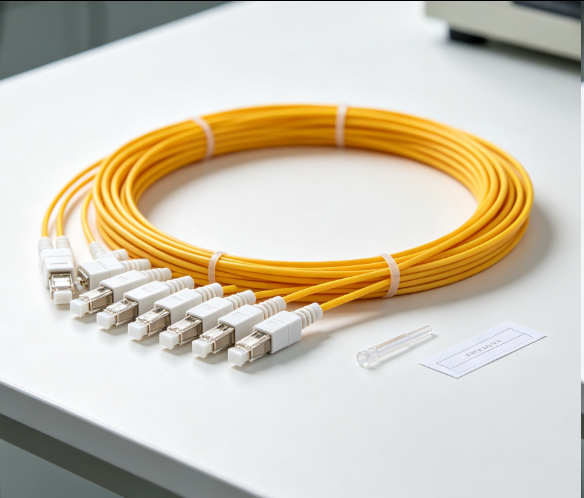
Fiber Pigtail 12 Cores SC UPC Single Mode
Sep 04, 2026930
-
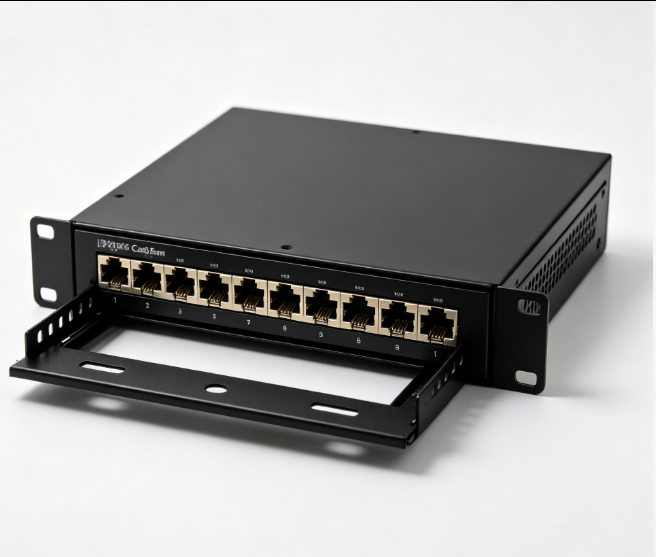
12 Port Cat6 Patch Panel Small Cabinet
Sep 12, 2026929
-
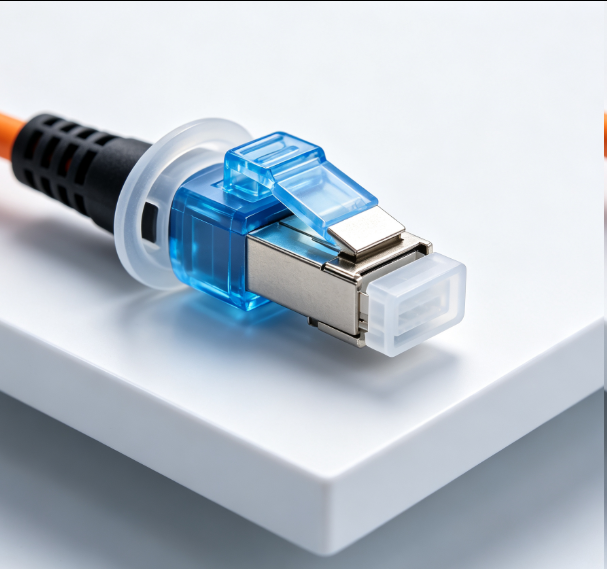
Dust Cap Equipped Fiber Patch Cable Protective
Sep 03, 2026929
-
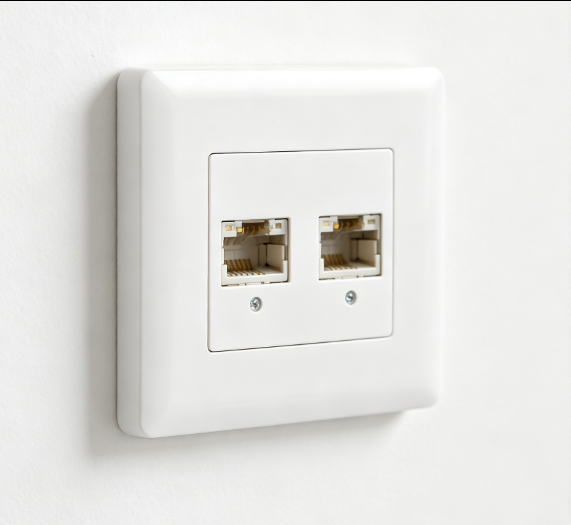
EU Standard Network Faceplate
Sep 11, 2026927