- Language
outdoor fiber optic cable
gyta53 fiber optic cable is a mainstream directly buried armored optical fiber cable in communication engineering. With an integrated structural design of double-layer sheath, steel strip armor and moisture-proof and water-blocking performance, it serves as the core cable material for outdoor buried communication networking, urban and rural trunk transmission, park infrastructure construction, and security monitoring projects. Compared with ordinary non-armored optical cables, its core advantages lie in ultra-long service life and strong environmental adaptability. It can achieve a theoretical service life of 25 to 30 years under standard working conditions, providing crucial support for the long-term stable operation of outdoor communication projects. The service life of optical cables directly determines the operation and maintenance cost, stability and service cycle of communication links. Analyzing the structural advantages, aging inducements, loss rules and maintenance strategies of gyta53 fiber optic cable from the perspective of service life can effectively avoid premature aging, signal attenuation and fiber breakage faults, and maximize its long-term service value.
The ultra-long service life of gyta53 fiber optic cable stems from its exclusive protective structure, which is the core feature distinguishing it from ordinary optical cables. The cable adopts a loose tube stranded structure. The optical fiber core is placed in a loose tube filled with water-blocking fiber paste, which can effectively isolate water vapor erosion and buffer the damage of fiber core caused by temperature deformation and mechanical extrusion. A corrugated steel strip armor layer is added in the middle layer, featuring anti-rolling, anti-rat biting, anti-tensile and anti-impact performance, which perfectly adapts to external force losses such as soil extrusion, heavy object rolling and biological damage under direct burial working conditions. The outer layer is equipped with a high-density polyethylene flame-retardant sheath, and the inner layer is provided with an aluminum-plastic composite moisture-proof layer, forming a double-layer sealed waterproof and anti-corrosion system. It can resist acid-base corrosion of soil, rainwater penetration and alternating high and low temperature erosion, greatly delay the aging speed of optical cables from the structural level, and lay a foundation for long-term service.
Despite its excellent original protective structure, the actual service life of gyta53 fiber optic cable is still affected by three core factors: construction technology, operating environment and daily operation and maintenance, which may cause service life attenuation and premature failure. Non-standard construction is the primary inducement of shortened service life. Excessive stretching, excessive bending and violent dragging during laying will cause hidden damage to the fiber core and cracking of the sheath, gradually resulting in increased optical attenuation and fiber breakage faults in the later stage. Uneven trench bottom and backfilling with hard objects during direct burial laying will wear the armor layer and outer sheath for a long time, damaging the overall protective structure. Secondly, harsh environmental erosion such as long-term high humidity and water accumulation, saline-alkali soil and strong ultraviolet exposure will accelerate the aging and embrittlement of the sheath, rusting of steel strips and failure of water-blocking materials, leading to water vapor penetration and fiber core oxidation attenuation. In addition, insufficient operation and maintenance such as lack of regular inspection, aging sealing of joint boxes and damage caused by surrounding construction will greatly reduce the actual service life of optical cables.
To ensure the full-life service of gyta53 fiber optic cable, standardized construction and regular life-extending maintenance must be implemented. During the construction phase, strictly follow the laying specifications, control the stretching force and bending radius, level the trench bottom and standardize backfilling to avoid mechanical damage. For harsh environments such as saline-alkali and high humidity, additional outer protective sleeves can be added to strengthen protection. In the operation and maintenance phase, establish a regular inspection mechanism, regularly test optical attenuation data, check hidden dangers such as sheath damage, failed joint sealing and steel strip corrosion, and repair aging components in a timely manner. Meanwhile, avoid illegal construction and heavy object accumulation around the line to reduce external force damage. Adaptive working condition matching and refined operation and maintenance can effectively delay cable aging, ensure gyta53 fiber optic cable operates stably at full load for 30 years, and greatly reduce the iteration and operation and maintenance costs of communication projects.
-
-
-
-
-
-
-
-
-
-
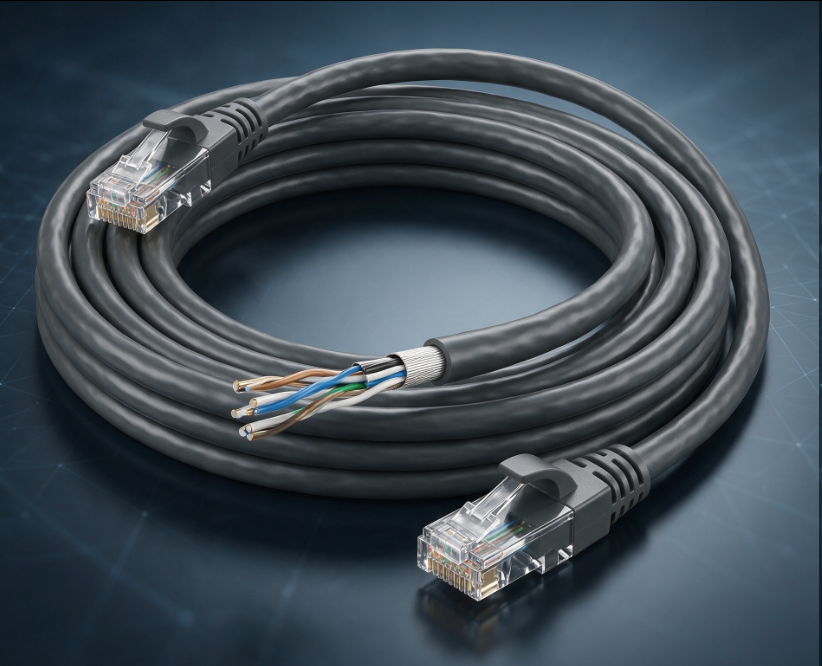
CAT6 Ethernet Gigabit Cable
Aug 15, 2026907
-

Media Converter Network Patch Cord
Jun 27, 2026906
-
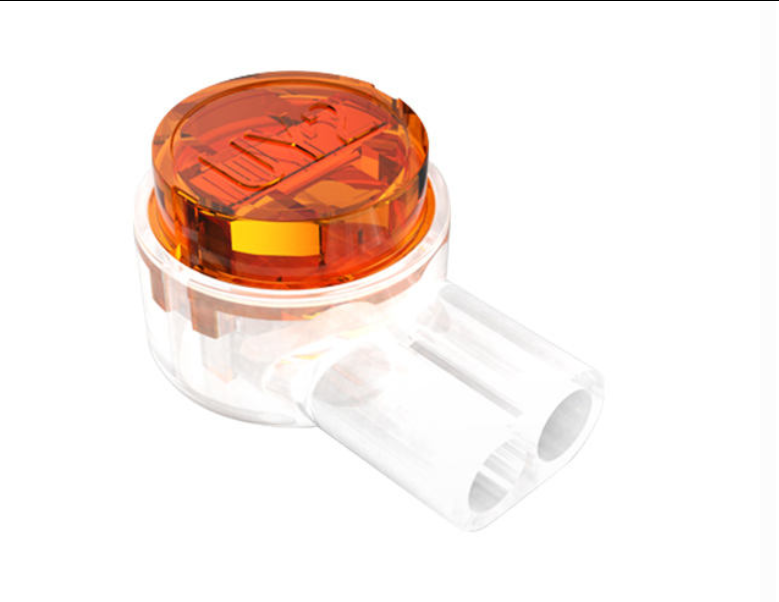
UY2 Connector for Telephone Wire
Jul 08, 2026897
-
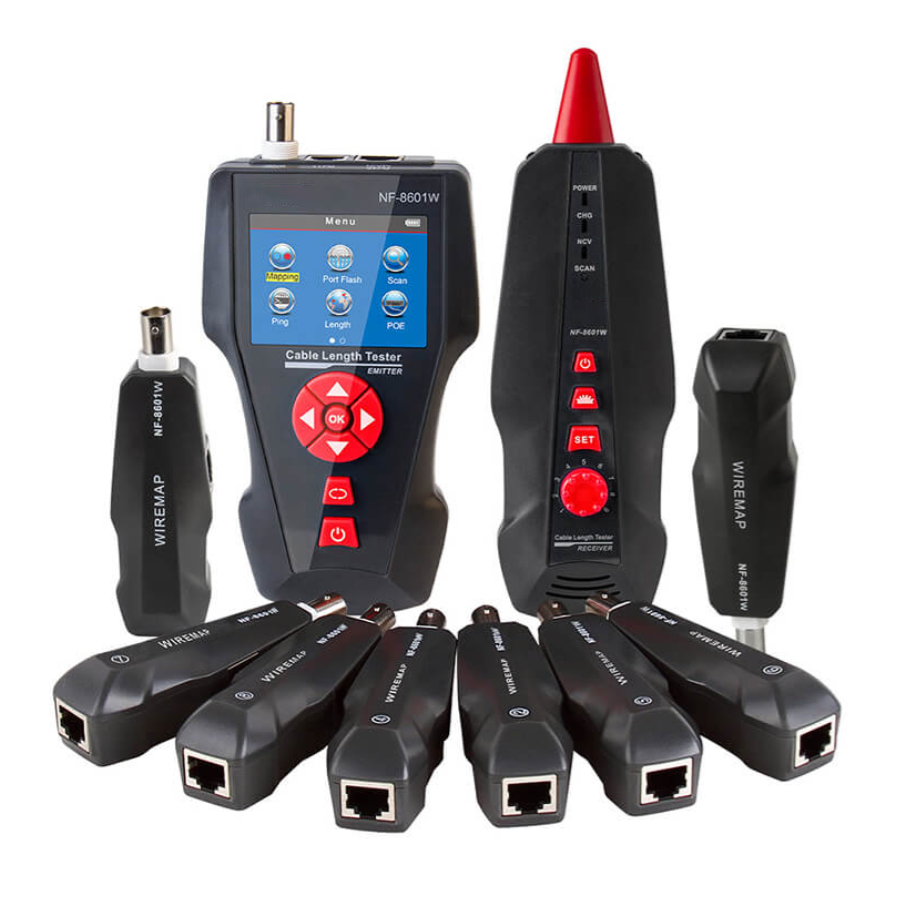
Network Cable Bandwidth Capacity
Jul 06, 2026897
-
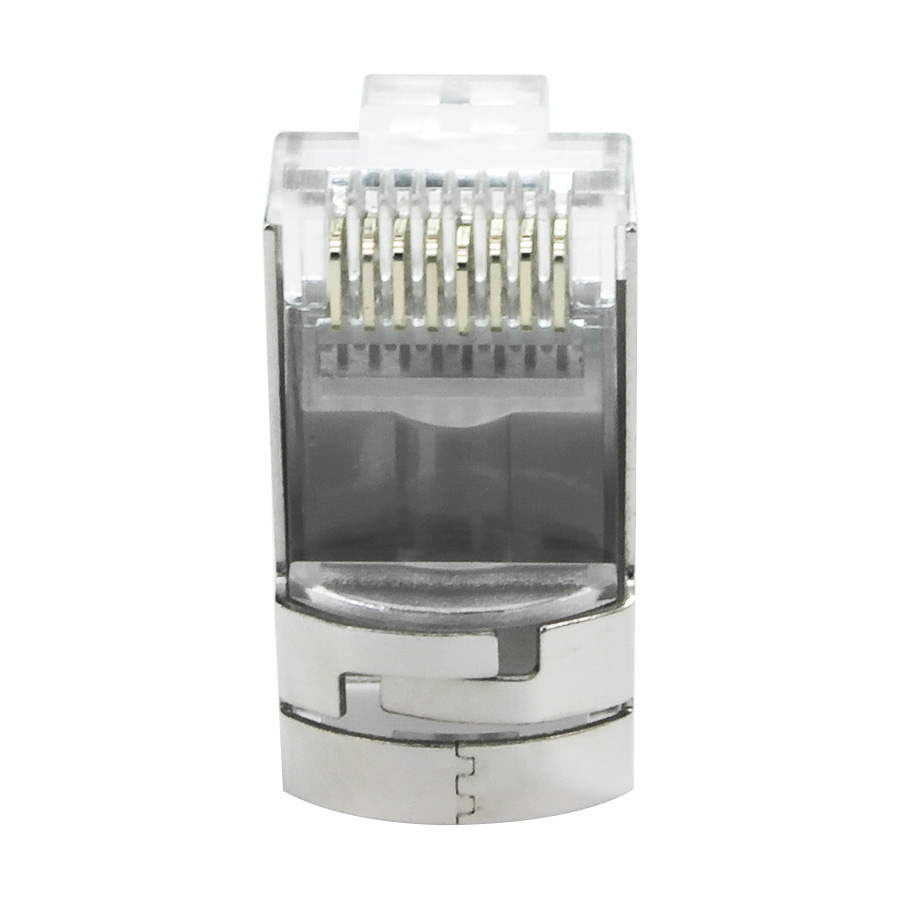
Flame Retardant Cat7 Boot Cover
Jul 14, 2026888