- Language
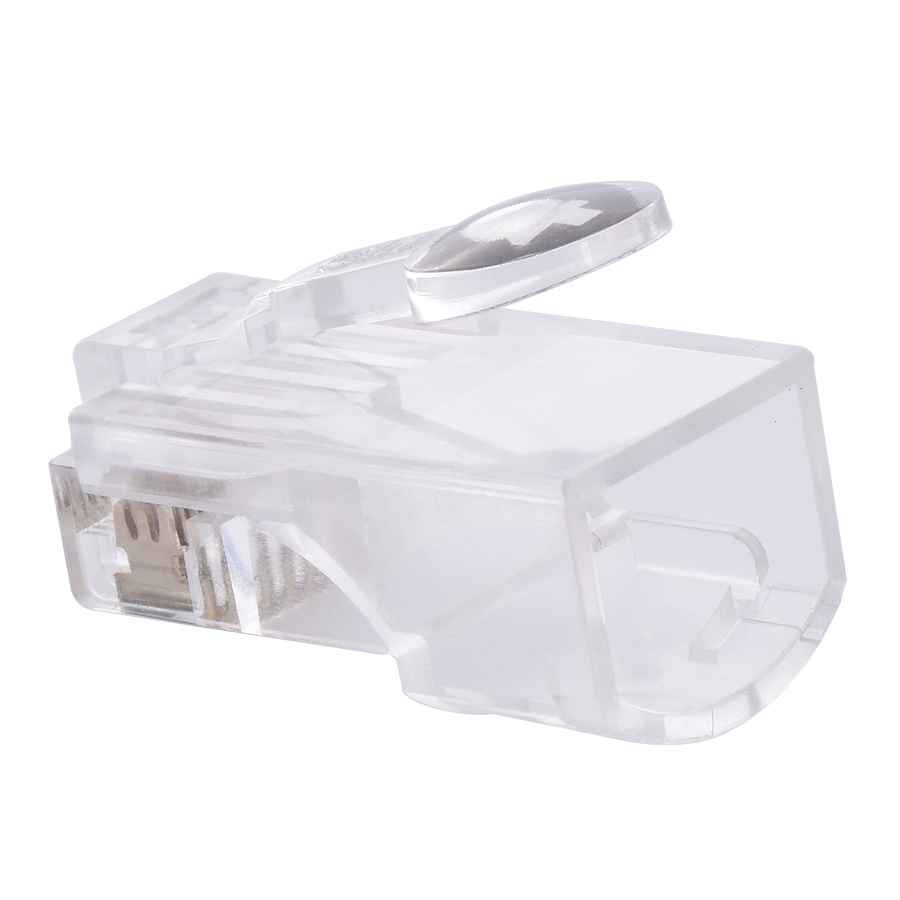
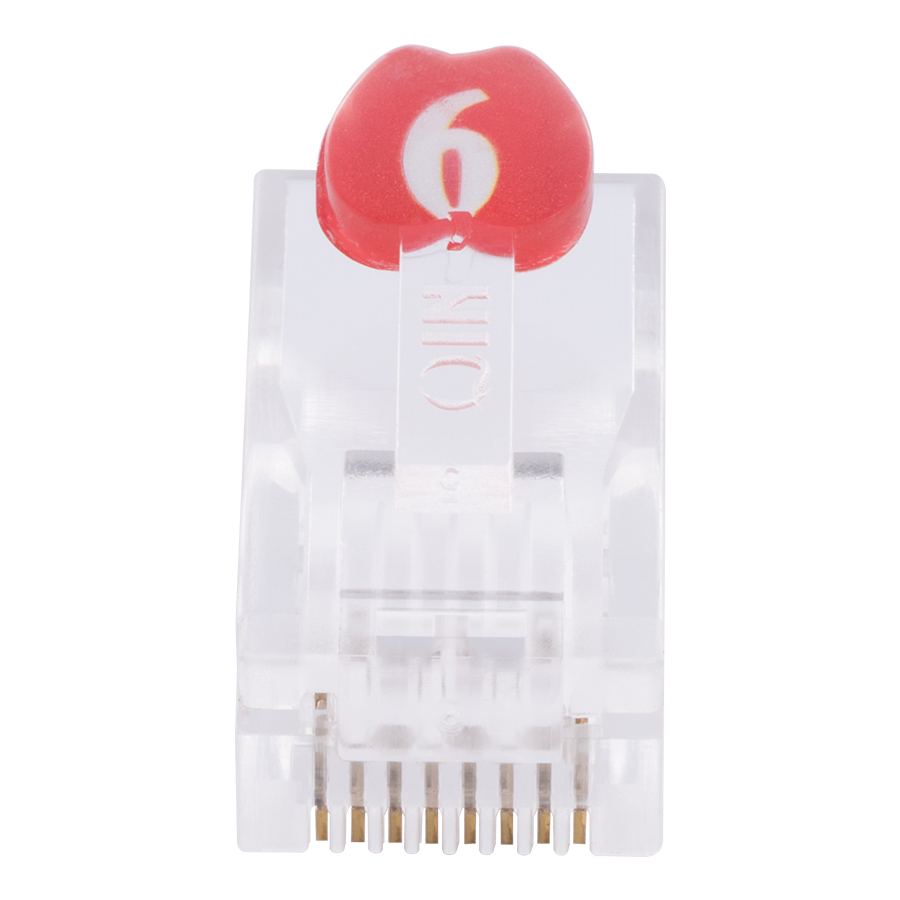
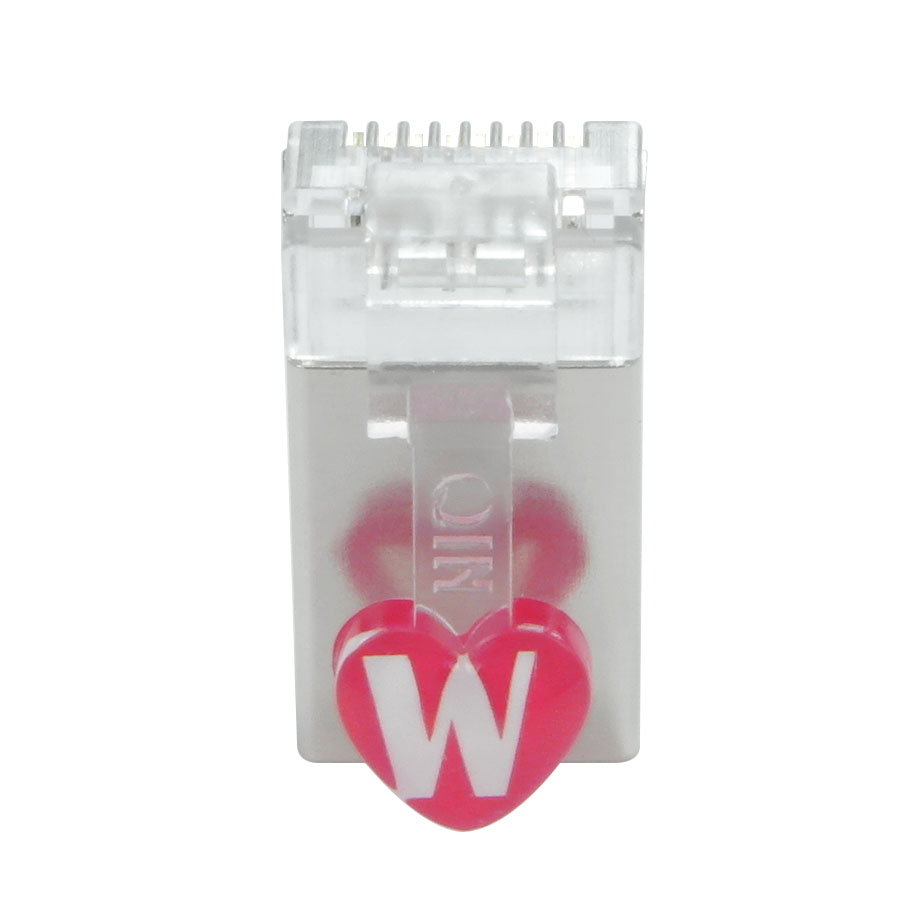
rj45 cat6 connector
RJ45 Cat6 Connector: Constant High Conductivity to Build a Metal Conduction Hub for 10Gbps Links
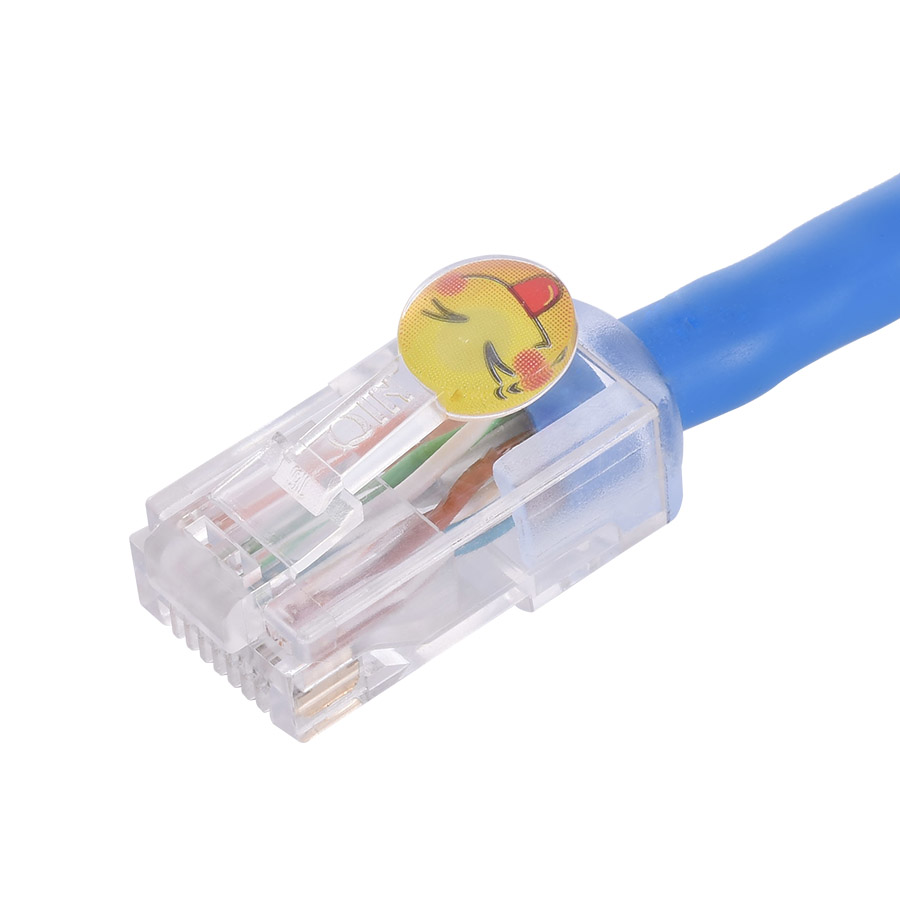
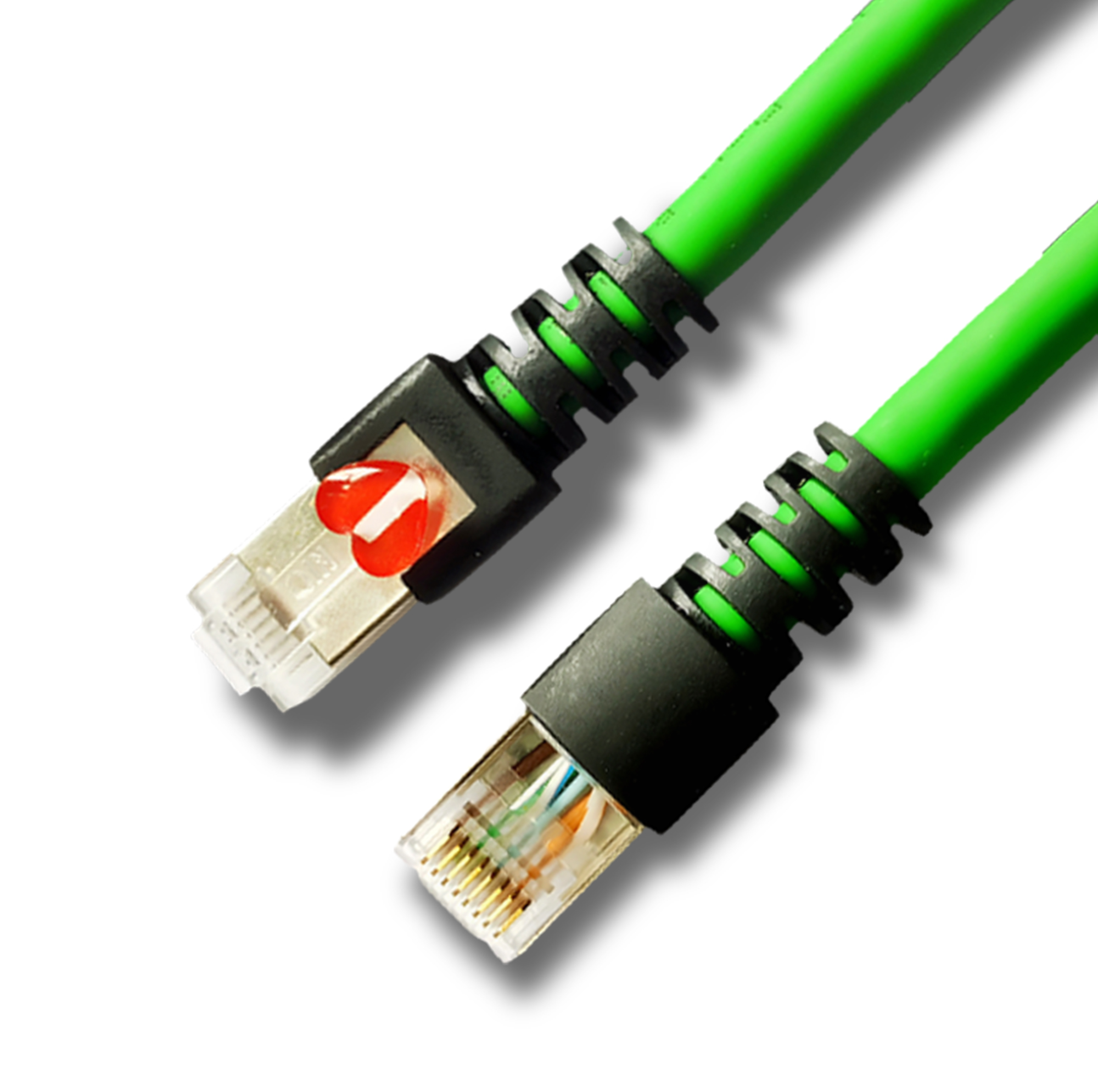
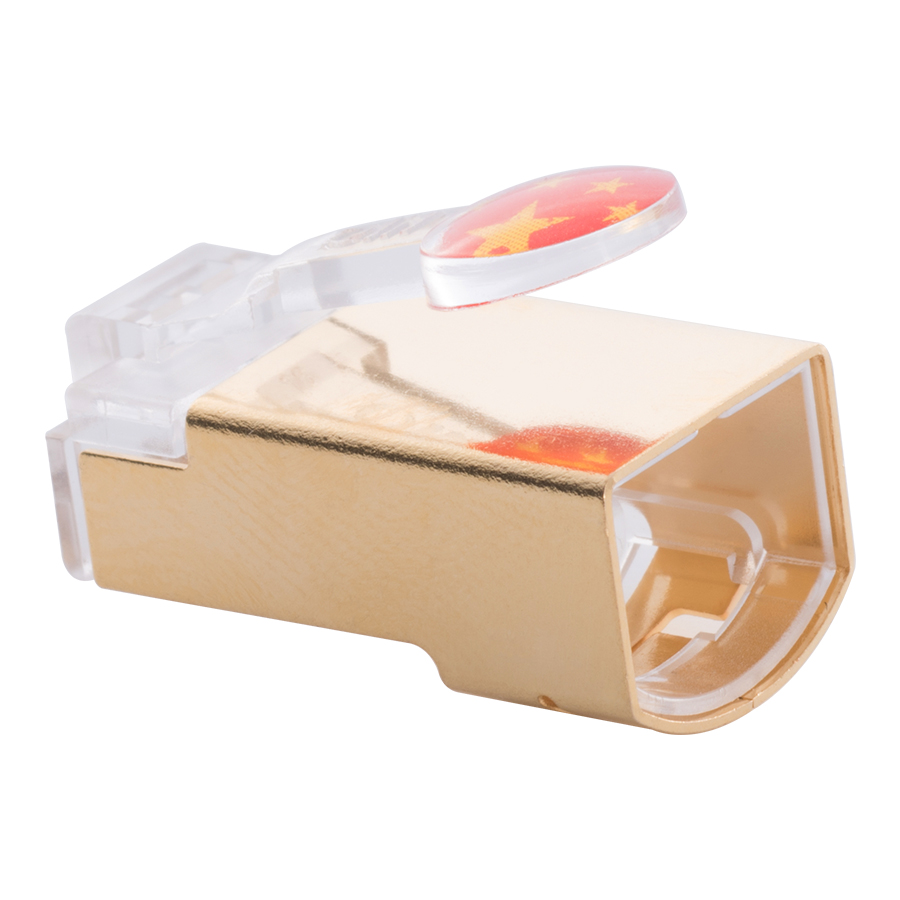
In the integrated cabling system, most network failures occur not on the cable body, but on the connecting nodes linking the ports. As the only metal conduction interface between network cables and terminal devices, the conductivity of RJ45 Cat6 Connector is the most essential and rigid electrical indicator for judging connector quality. Conductivity refers to the ability of metal media to transmit electric current and high-frequency signals, which directly determines contact resistance, signal attenuation, transmission delay and long-term connection stability. Low-quality ordinary connectors feature poor conductivity, which is prone to signal cutoff, clutter interference and thermal loss during high-frequency transmission, resulting in network lag, intermittent disconnection and unstable PoE power supply. Developed specifically for high-speed 10Gbps cabling, this Cat6 RJ45 connector adopts high-conductivity metal base material, thickened gold-plated contacts and precision three-prong occlusion structure. It optimizes conductivity from four dimensions: metal material, plating technology, structural design and electrical control. Strictly complying with Cat6 cabling electrical standards, it accurately adapts to 250MHz high bandwidth and serves as an essential high-conductivity connecting accessory for home networking, engineering wiring, computer room distribution and security monitoring. This paper deeply analyzes the conductivity principle, core advantages, process control and measured electrical performance of RJ45 Cat6 Connector, and elaborates on the enabling effect of high-conductivity connectors on high-speed network links.
1. Substrate Conductivity: Phosphor Bronze Alloy Base to Form High-Conduction Physical Properties
Metal substrate is the fundamental basis for determining the conductivity of RJ45 connectors. Substrate purity, alloy ratio and internal lattice structure directly affect charge transfer efficiency. Low-end connectors on the market generally adopt cheap brass and recycled impure copper with high impurity content and disordered lattice, whose conductivity is only about 45% of pure copper, causing great resistance to high-frequency signal transmission. Abandoning inferior metal raw materials, this RJ45 Cat6 Connector selects industrial-grade high-elasticity phosphor bronze alloy as the PIN needle substrate with scientific and accurate alloy ratio and extremely high copper content. Its internal lattice is densely and uniformly arranged without pores, impurities and lattice faults. At room temperature, the substrate conductivity is stably maintained at 26MS/m, with conductive performance far exceeding that of ordinary brass. Meanwhile, it has excellent mechanical elasticity to balance conductivity and repeated insertion durability.
The phosphor bronze alloy features low resistivity, which is controlled at ≤6.5μΩ·cm under standard working conditions, enabling unobstructed charge movement and rapid transmission of high-frequency network current and weak power supply current. Compared with conventional metal materials, this alloy has stronger metal fatigue resistance, free from metal deformation and elastic attenuation after long-term insertion and extrusion. The PIN needle spacing remains standard permanently to avoid poor conductive contact caused by metal dislocation. The pure metal substrate reduces conduction loss from the source and minimizes thermal conversion during electron transmission. Even under long-term high-load electrification and high-density data transmission, the connector maintains constant conductivity without conductive performance decline caused by continuous electrification temperature rise, perfectly adapting to computer rooms, security monitoring and other engineering scenarios requiring uninterrupted long-term operation.
2. Coating Conductivity: 50μ Thickened Gold-Plated Layer to Optimize Surface Conduction Efficiency
A high-quality substrate alone cannot guarantee long-term stable conductivity. Metal contacts are prone to oxidation, vulcanization and corrosion when exposed to the air for a long time, and the oxide layer will greatly increase contact resistance and directly reduce conductivity. The contact surface of PIN needles of this Cat6 connector adopts 50 micro-inch thickened gold-plating technology with uniform, dense and non-peeling gold-plated layer. Gold has excellent metal conductivity, second only to silver, and features stable chemical properties against oxidation and discoloration. The thickened gold-plated layer completely covers the conductive contact surface of PIN needles to isolate erosion from air, moisture and dust, permanently maintain metal conduction activity, optimize surface conduction efficiency, and strictly control the interface contact resistance below 20mΩ, far lower than the industry standard limit.
The gold-plated coating adopts a layered electroplating process with a nickel-plated bottom layer to enhance adhesion and a gold-plated surface layer to optimize conductivity. The double-layer composite structure prevents peeling and wear of the gold-plated layer and strengthens high-frequency signal conduction capability. Under the 250MHz Cat6 high-frequency bandwidth, ordinary tin-plated and thin-gold-plated connectors are susceptible to obvious skin effect, where high-frequency charges accumulate on the metal surface. The rough and oxidized surface causes severe signal loss; while the ultra-smooth gold-plated contacts have extremely low surface resistance for smooth charge flow, keeping the high-frequency conductivity attenuation within 1% and completely eliminating high-frequency transmission stuttering and signal distortion. Even after thousands of repeated insertions and extractions, the gold-plated layer is not easy to wear and peel off, maintaining high conductivity for a long time and adapting to weak current engineering projects requiring frequent disassembly and debugging.
3. Structural Conductivity: Three-Prong Conduction Structure to Reduce Connection Conduction Resistance
The physical occlusion structure directly changes the conductive contact area; the smaller the contact area and the larger the gap, the more severe the conductivity loss. Low-end connectors on the market mostly adopt a single-blade stamping structure with insufficient blade sharpness, resulting in loose copper core fitting, large contact gaps, easy electric arc heating and fluctuating conductivity after crimping. This upgraded RJ45 Cat6 Connector is equipped with an integrated three-prong piercing conduction structure. The three alloy blades are precisely arranged with high hardness and strong penetration. During crimping, they can pierce the cable insulation layer synchronously, closely occlude eight copper conductors, expand the metal contact area, eliminate conduction gaps, form an integrated conductive path between cable conductors and connector PIN needles, greatly reduce interface conduction resistance, and stabilize the overall link conductivity.
The connector adopts staggered PIN needle arrangement internally to optimize pin spacing in accordance with Cat6 cabling standards, avoid high-frequency crosstalk interference, balance the conductive load of eight pins, and prevent conductivity imbalance caused by single-pin current overload. Made of high-transparency flame-retardant PC material, the insulating shell has an insulation resistance of ≥500MΩ, which accurately isolates each metal pin to prevent inter-pin electric leakage and coupling interference and ensure independent conductive transmission of each signal. The internal clamping slot of the shell accurately positions the wire core without loosening and displacement after crimping, avoiding virtual contact caused by cable swinging and continuously maintaining stable conduction. Thanks to the scientific structural design, the conductivity fluctuation of the connector is always lower than the industry standard under complex working conditions such as vibration, bending and movement, greatly improving link transmission stability.
4. High-Frequency Conductivity: Accurate Impedance Matching to Adapt to 10Gbps High-Speed Transmission
The core requirement of Cat6 cabling is high-frequency transmission stability, and conductivity is highly susceptible to impedance, stray capacitance and electromagnetic coupling under high-frequency conditions. Strictly complying with the T568B international wiring standard, this RJ45 connector controls electrical impedance throughout the production process, stably locking the link characteristic impedance at 100Ω±5Ω. It achieves perfect impedance matching with Cat6 cables, eliminates signal reflection loss caused by discontinuous impedance, and ensures constant high-frequency conductivity. Professional electrical tests show that under the 250MHz bandwidth, all indicators including near-end crosstalk, return loss and attenuation crosstalk ratio meet the standards with extremely low high-frequency conduction loss. It can stably achieve 10Gbps high-speed transmission within a short distance when matched with Cat6 cables.
The excellent high-frequency conductivity enables full compatibility with the PoE power supply system and compliance with IEEE 802.3af/at/bt power supply protocols, realizing simultaneous transmission of data signals and power current. The high-conductivity metal structure can balance power supply current fluctuation, suppress electromagnetic clutter generated by electrification, prevent power current from interfering with network signals, and eliminate faults such as monitoring screen stuttering, AP disconnection and power supply restart. Different from ordinary connectors with sharply declining high-frequency conductivity, this product has passed special high-frequency testing by Fluke instruments with stable full-band conductive performance and no obvious attenuation, meeting high-precision network requirements such as e-sports live broadcast, cloud computing and big data transmission.
5. Durable Conductivity: Strict Quality Inspection for Long-Term Conduction Performance
The long-term stability of conductivity is the core evaluation criterion for engineering-grade accessories. Low-quality connectors suffer from oxidation blackening, sharp resistance surge and conductivity collapse after half a year of use. This RJ45 Cat6 Connector implements strict electrical quality control throughout the whole process, completing conduction test, contact resistance test, insertion durability test and salt spray corrosion test before delivery to screen out defective products with abnormal conductivity. After high-temperature annealing and hardening treatment, the PIN needles are high-temperature resistant and anti-oxidative, suitable for the temperature range of -20℃~60℃. They are not easy to corrode and deteriorate in high-temperature cabinets and humid weak current boxes, maintaining high metal conductivity for a long time.
Featuring excellent mechanical performance, the product supports more than 1,250 times of insertion and extraction without metal fatigue and loose contact caused by repeated occlusion and extrusion. The transparent flame-retardant PC shell is compression-resistant and drop-proof, not easy to deform and crack. It permanently locks the internal pin structure to prevent conductive abnormality caused by pin deviation. The standardized universal specification is compatible with all Cat6 unshielded network cables and conventional crimping pliers, enabling convenient construction and crimping without professional tools and adapting to mass engineering wiring. It has obvious cost advantages and outstanding cost performance among equivalent high-conductivity Cat6 connectors. Balancing quality and practicability, it is widely applicable to various wiring scenarios such as home networking, office buildings, industrial parks, computer room renovation and security weak current engineering.
In conclusion, the RJ45 Cat6 Connector takes high conductivity as its core design logic. Relying on four major advantages including phosphor bronze substrate, thickened gold-plated coating, three-prong conduction structure and accurate impedance matching, it comprehensively optimizes metal conduction capability and solves industrial pain points of ordinary connectors such as poor conduction, high loss, easy oxidation and unstable high-frequency performance. As a key connecting node of network links, its stable and constant conductivity can reduce transmission loss, lower network failure rate and extend wiring service life. Matched with Cat6 cables, it builds a complete 10Gbps transmission link and provides safe, efficient and long-lasting metal conduction guarantee for various high-speed LANs. It is an indispensable high-quality connecting accessory in integrated cabling engineering.
-
-
-
-
-
-
-
-
-
-
Flange Type Fixed Fiber Optic Adapter for Rack Panel
Sep 19, 2026955
-
Fiber Pigtail 12 Cores SC UPC Single Mode
Sep 04, 2026930
-
12 Port Cat6 Patch Panel Small Cabinet
Sep 12, 2026929
-
Dust Cap Equipped Fiber Patch Cable Protective
Sep 03, 2026929
-
EU Standard Network Faceplate
Sep 11, 2026927