- Language
stranded cat6 patch leads pass fluke test
In the acceptance of structured cabling projects and supporting procurement of computer room equipment, stranded cat6 patch leads pass fluke test serves as the core judgment conclusion to measure whether the transmission performance of stranded Category 6 patch cords meets standards. Ordinary continuity testers can only check wire sequence and connectivity. Only a full qualified report issued by professional Fluke cable analyzers can prove that the patch cords comply with international transmission specifications of TIA568 and ISO11801. This article disassembles the complete detection logic of this certification from the test dimension, and clearly distinguishes the test differences between stranded soft patch cords and solid single-conductor cables.
Fluke adopts a dedicated channel test model for stranded cat6 patch leads, with test frequencies covering the Category 6 standard range of 0–250 MHz. Seven core electrical parameters are detected: wire map judgment, insertion loss, near-end crosstalk (NEXT), power sum near-end crosstalk (PS-NEXT), attenuation-to-crosstalk ratio far-end (ACR-F), return loss, and propagation delay skew. Stranded conductors are twisted from multiple fine oxygen-free copper wires with superior bending flexibility, yet the twisted structure easily causes impedance fluctuations, resulting in higher test thresholds than solid cables. Insufficient conductor purity, misaligned crimping of RJ45 plugs, or loose twist pitch of wire pairs will lead to insufficient margin for any parameter, failing to reach the pass fluke test result.
The test process includes four steps: sample pretreatment, instrument calibration, segmented detection, and report filing. Tested stranded cat6 patch leads undergo fatigue pretreatment with one thousand bends to simulate frequent plugging and unplugging in cabinets. Fluke DSX series instruments are pre-calibrated to eliminate equipment errors, testing patch cords of all lengths from 0.5m to 10m in sequence and recording the worst test margin of each wire pair. Low-cost stranded patch cords on the market often suffer from excessive return loss and near-end crosstalk margin close to the red line, which will cause packet loss, stuttering, unstable PoE power supply and other faults under long-term high-load transmission, failing to pass the complete Fluke certification.
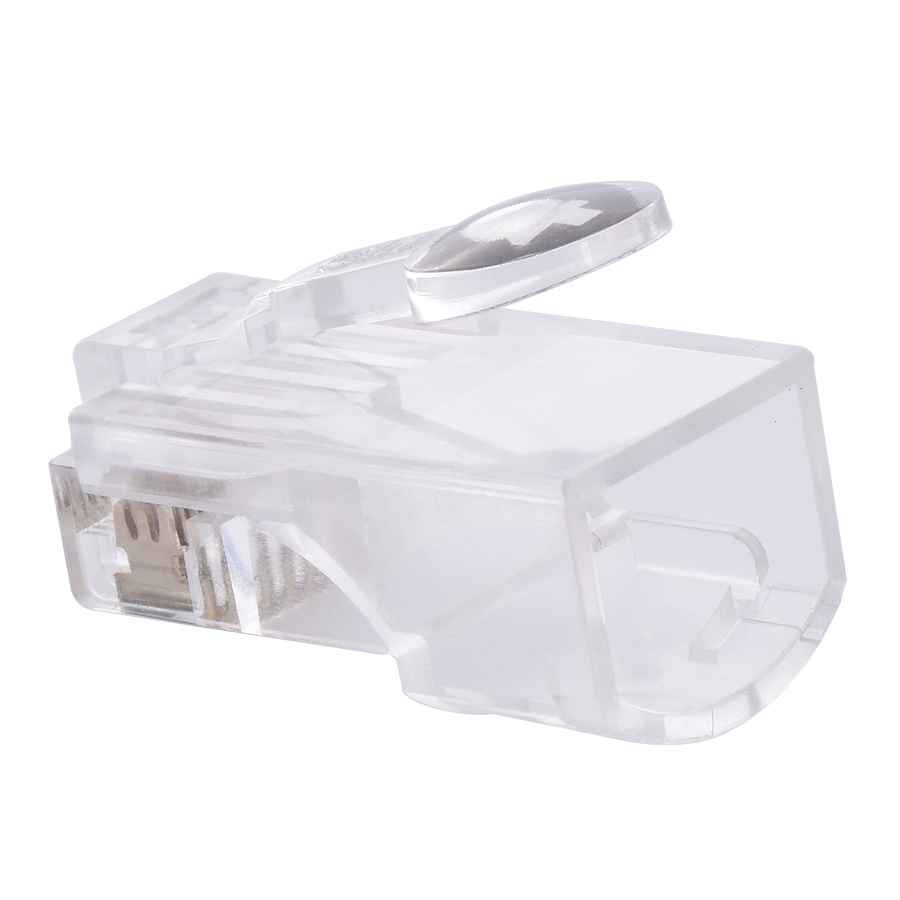
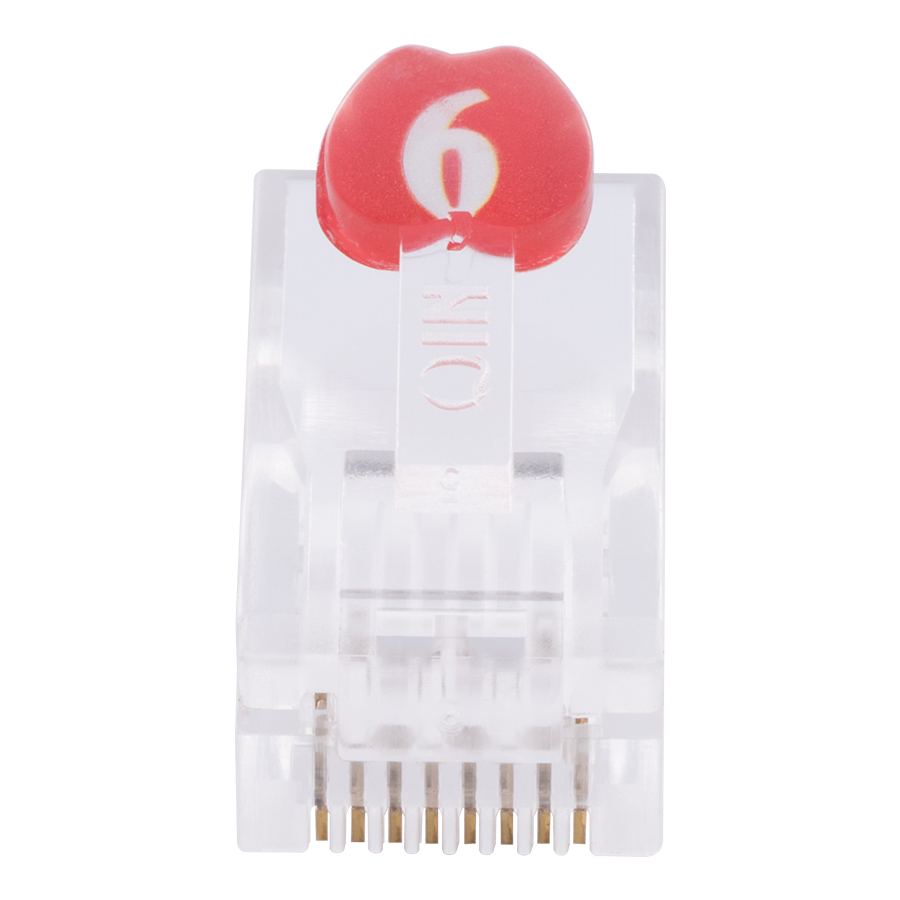
Products that can steadily achieve stranded cat6 patch leads pass fluke test adopt 99.99% high-purity oxygen-free copper for conductors, maintain a constant twist pitch for wire pairs, and use three-prong gold-plated shrapnel for precise crimping of RJ45 plugs, keeping impedance stably within the 100Ω standard range. 100% full inspection with test reports archived for each batch of finished products, suitable for Gigabit and 10-Gigabit network scenarios such as data centers, monitoring computer rooms and office structured cabling, avoiding link hidden dangers from the test source and providing authoritative quality endorsement for long-term stable data transmission.
-
-
-
-
-
-
-
-
-
-
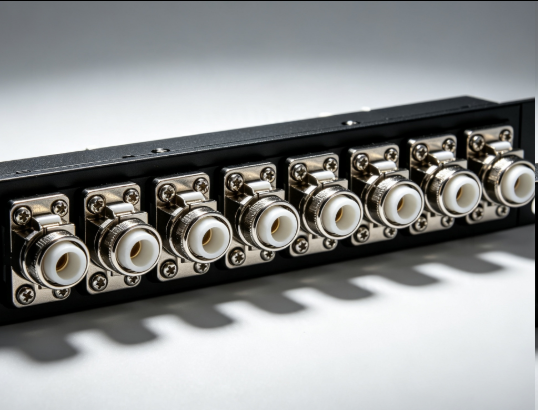
Flange Type Fixed Fiber Optic Adapter for Rack Panel
Sep 19, 2026956
-
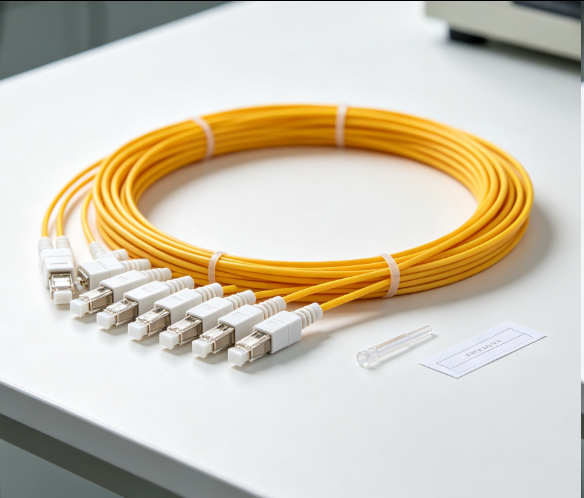
Fiber Pigtail 12 Cores SC UPC Single Mode
Sep 04, 2026930
-
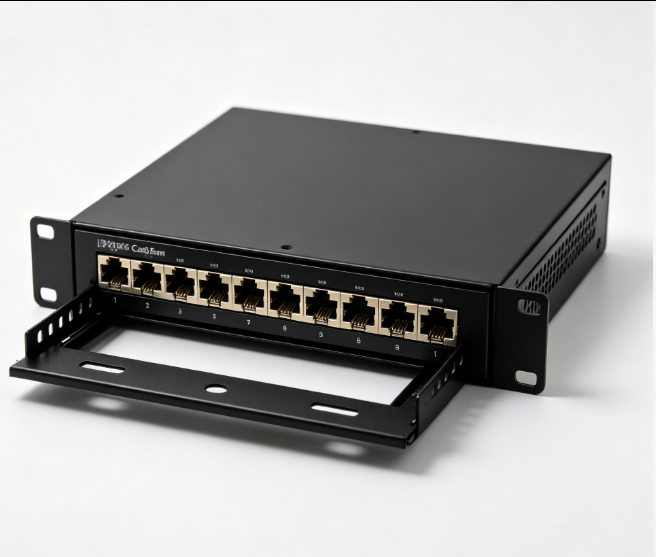
12 Port Cat6 Patch Panel Small Cabinet
Sep 12, 2026929
-
Dust Cap Equipped Fiber Patch Cable Protective
Sep 03, 2026929
-
EU Standard Network Faceplate
Sep 11, 2026927