- Language
ADSS Direct Burial Fiber Optic Cable
ADSS (All-Dielectric Self-Supporting) direct burial fiber optic cable is a specialized optical cable designed for underground installation, combining the advantages of all-dielectric structure and self-supporting performance to adapt to harsh underground environments. Unlike traditional fiber optic cables that require additional support structures, ADSS direct burial cables feature a robust design that eliminates the need for metal components, making them ideal for use in areas near high-voltage power lines where electrical interference must be minimized. The cable’s core structure consists of 250μm optical fibers placed in loose tubes made of high-modulus plastic, which are filled with water-resistant compound to prevent moisture intrusion— a critical requirement for underground installations where cables are exposed to soil moisture, groundwater, and potential chemical corrosion from the surrounding environment.
The mechanical performance of ADSS direct burial cables is optimized for underground deployment. A fiber-reinforced plastic (FRP) non-metallic central strength member provides excellent tensile strength, while stranded aramid yarns around the inner sheath further enhance the cable’s resistance to pulling and crushing forces. The outer sheath is typically made of polyethylene (PE) or anti-tracking (AT) material: PE sheaths are suitable for overhead power lines below 110kV, while AT sheaths are used for lines at or above 110kV to withstand higher inductive voltages of up to 25kV. This design ensures the cable can endure the pressures of soil compaction, root intrusion, and accidental impact during excavation, maintaining structural integrity over long-term use.
In terms of optical performance and applications, ADSS direct burial cables support both single-mode and multimode fibers, complying with ITU-T G.652 and G.655 standards. The attenuation rate is as low as 0.22dB/km at 1550nm and 0.36dB/km at 1310nm, ensuring high-speed, low-loss data transmission over long distances. With a design life of 30 years, these cables are widely used in power communication networks, broadband access systems, and industrial control systems, especially in rural and remote areas where overhead installation is impractical. Their lightweight and small diameter also reduce the load on installation equipment and simplify underground routing, making them a cost-effective and reliable solution for building resilient fiber optic infrastructures.
Read recommendations:
LEG 77252 Multi-support Double Socket Mosaic - 2 x 2P+E Automatic Terminals German Standard White
Smart Switch Outlet 1 Gang with Wireless APP Remote Control Compatible with Legrand Faceplate
-
-
-
-
-
-
-
-
-
-
CAT6 Ethernet Gigabit Cable
Aug 15, 2026907
-

Media Converter Network Patch Cord
Jun 27, 2026906
-
UY2 Connector for Telephone Wire
Jul 08, 2026897
-
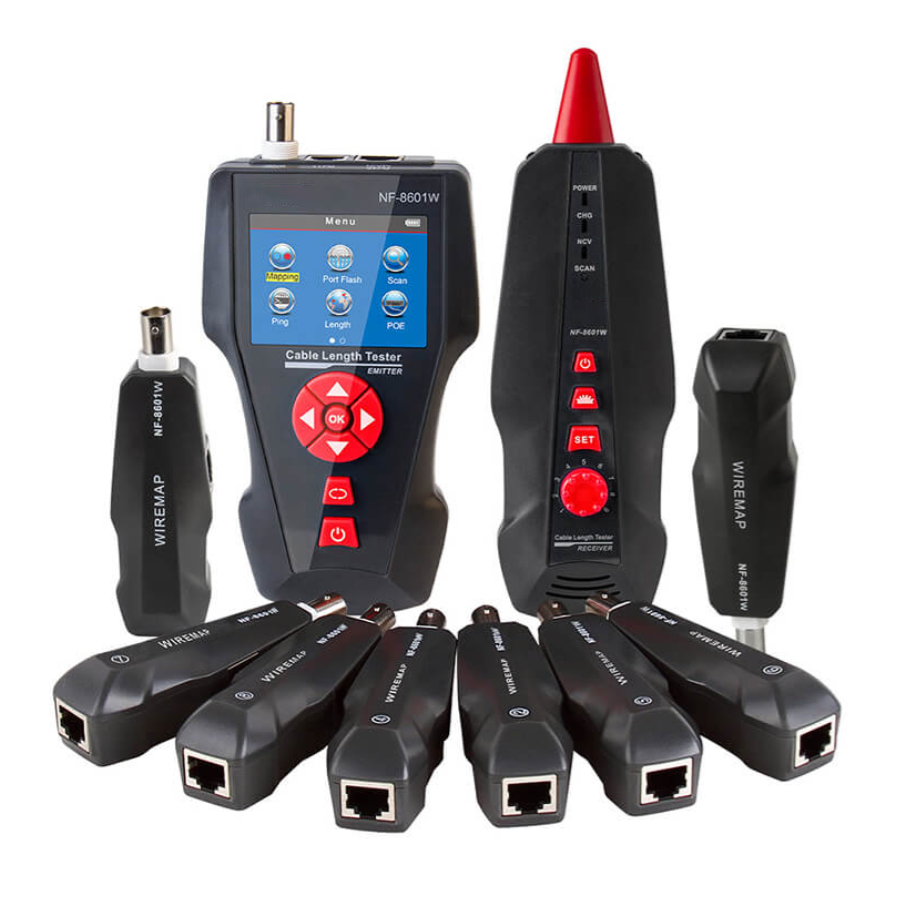
Network Cable Bandwidth Capacity
Jul 06, 2026897
-
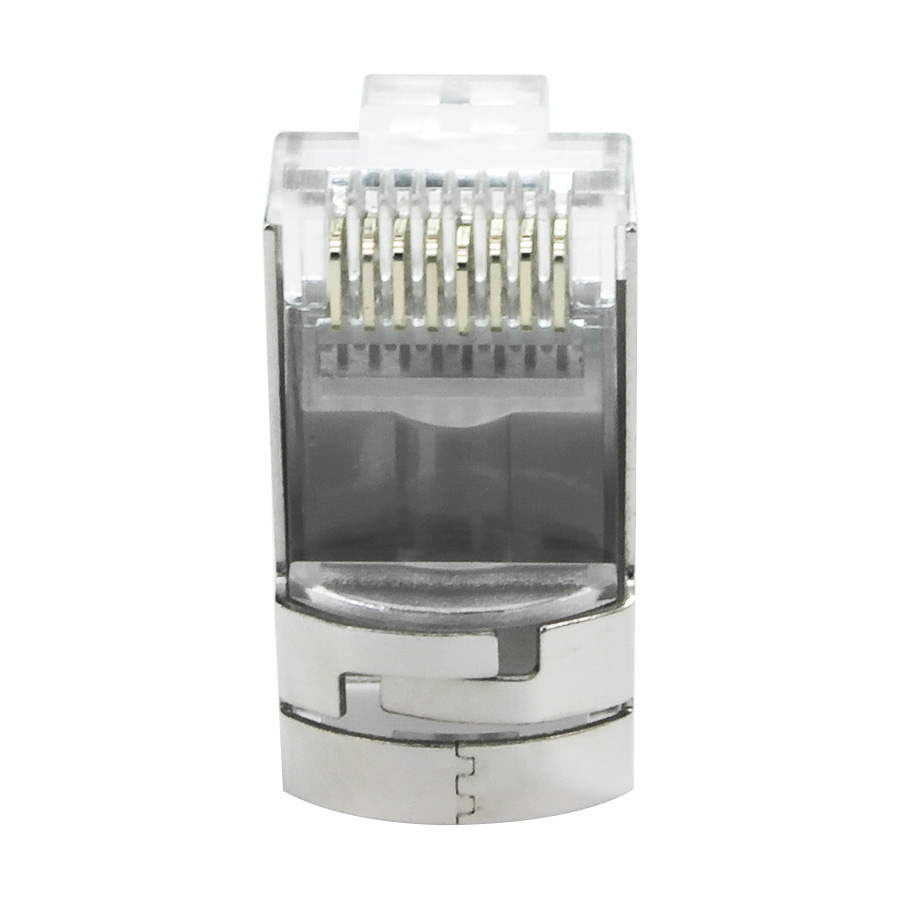
Flame Retardant Cat7 Boot Cover
Jul 14, 2026888