- Language
CAT6 Unshielded Twisted-Pair (UTP) Cable
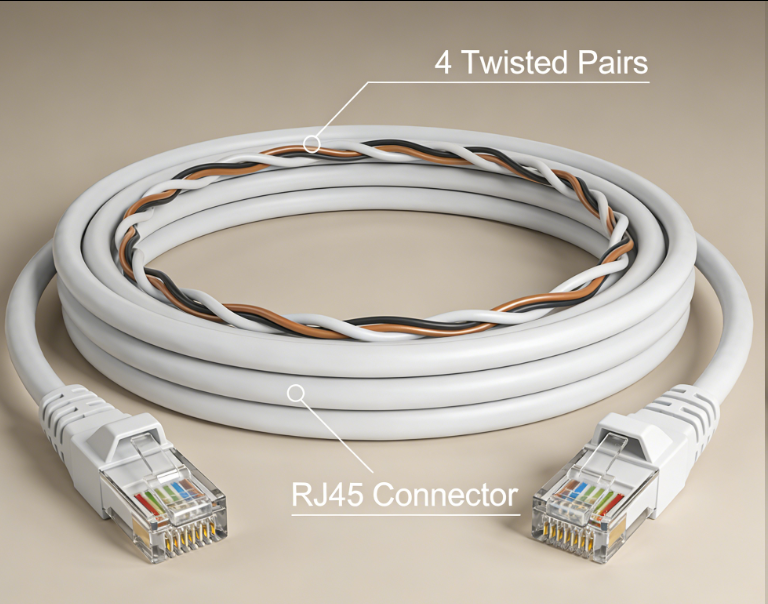
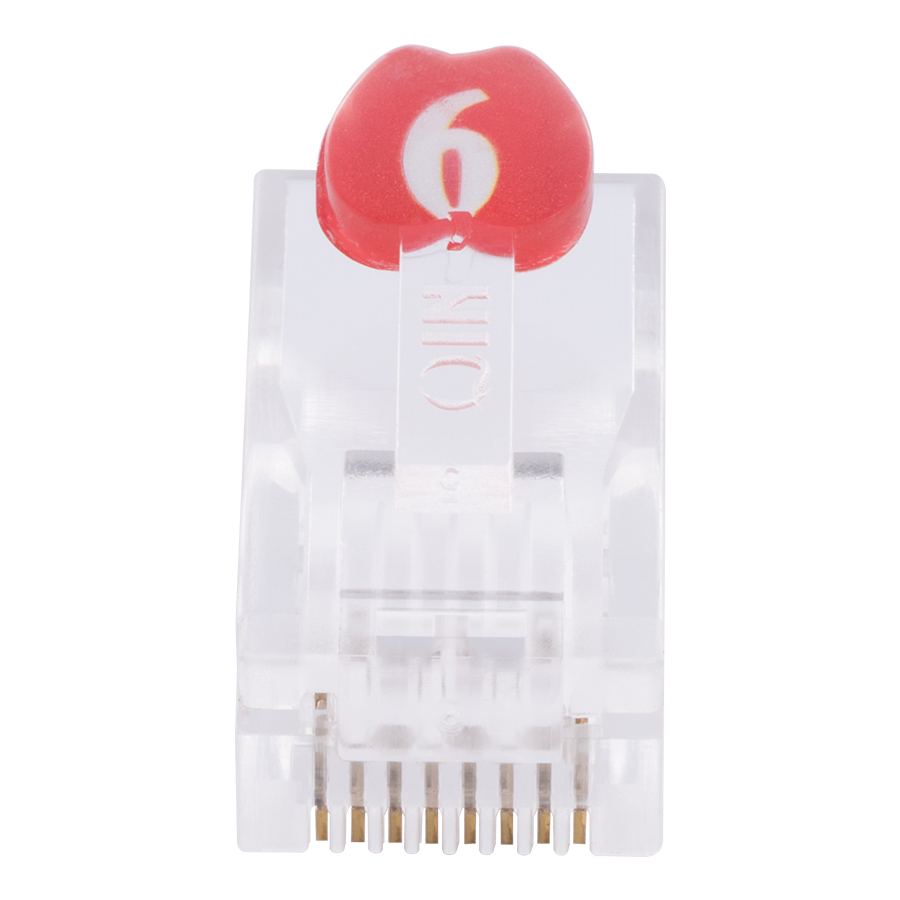
The CAT6 Unshielded Twisted-Pair (UTP) cable stands as the cornerstone of contemporary networking infrastructure, offering a balanced blend of performance, reliability, and cost-effectiveness. As an enhanced version of its predecessors, CAT6 UTP is designed to support significantly higher data transmission speeds, up to 10 Gbps for short distances, and a bandwidth capacity of 250 MHz—double that of CAT5e. This makes it the go-to solution for a wide range of applications, from small office/home office (SOHO) setups to mid-sized enterprise networks that require stable connectivity for high-definition video streaming, large file transfers, and cloud-based services. The design of CAT6 UTP relies on four pairs of twisted copper wires, each insulated with color-coded jackets for easy identification and installation. The tighter twist ratios and improved wire insulation minimize crosstalk and electromagnetic interference (EMI), ensuring that data signals remain clear and accurate even when the cable is run alongside other electronic equipment or power cables. Unlike shielded variants, UTP cables do not feature an additional metallic foil or braided shield, which simplifies their physical design and reduces overall costs.
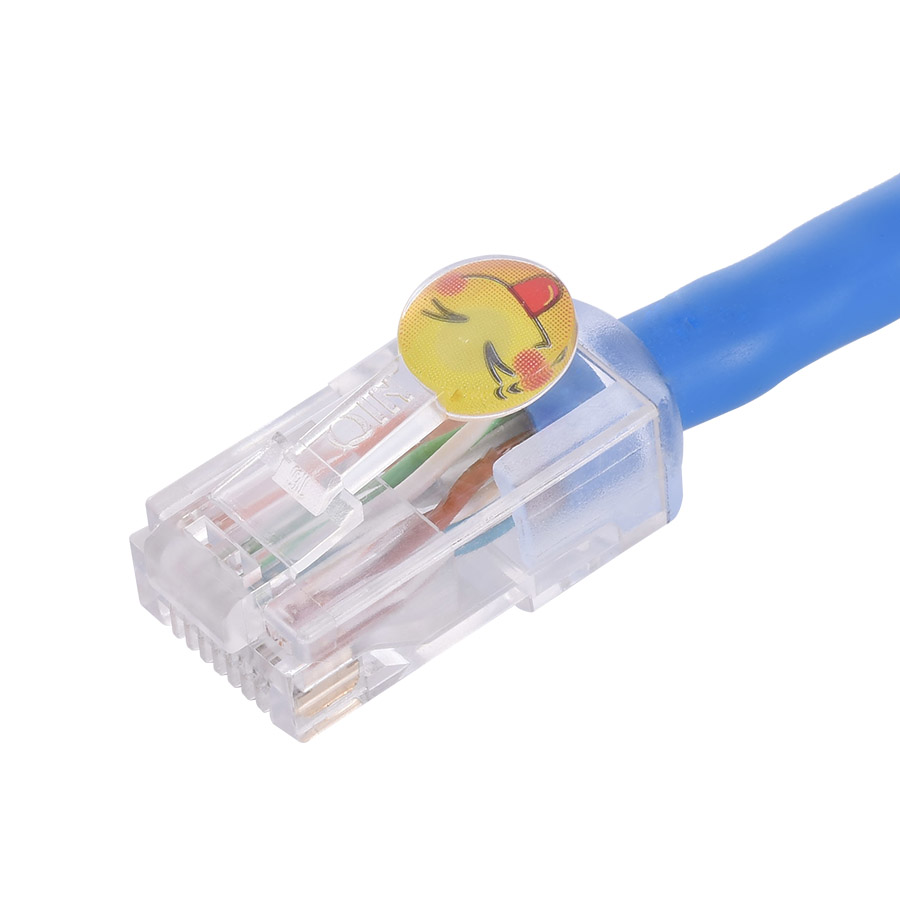
One of the primary advantages of CAT6 UTP cable is its exceptional backward compatibility. It seamlessly integrates with existing CAT5e and CAT5 installations, allowing network administrators to upgrade their infrastructure without a complete overhaul. This compatibility extends to both hardware and cabling, meaning that CAT6 UTP can be terminated into standard RJ45 connectors and used with existing network interface cards (NICs) and switches. For installers, this means less specialized equipment is required, streamlining the deployment process and lowering labor costs. Additionally, CAT6 UTP cables are widely available in various lengths and configurations, from pre-made patch cords to bulk spools for custom installations, making them a versatile and accessible option for any network project. Despite the availability of more advanced options like shielded CAT6, the UTP variant remains popular due to its straightforward installation and maintenance. It is less susceptible to physical damage from improper grounding, and its thinner profile makes it easier to route through tight spaces in walls, ceilings, and underfloor conduits. For most business and residential networking needs that do not demand the absolute highest level of EMI protection, CAT6 UTP provides an optimal, future-proof solution that delivers consistent performance without breaking the budget.
Read recommendations:
LEG 77210 Multi-support Single Socket Mosaic - German Std - 2P+E w/o Shutters White
Graffiti WiFi Circuit Breaker RMDZT-1PNL 63A (DJ)
-
-
-
-
-
-
-
-
-
-
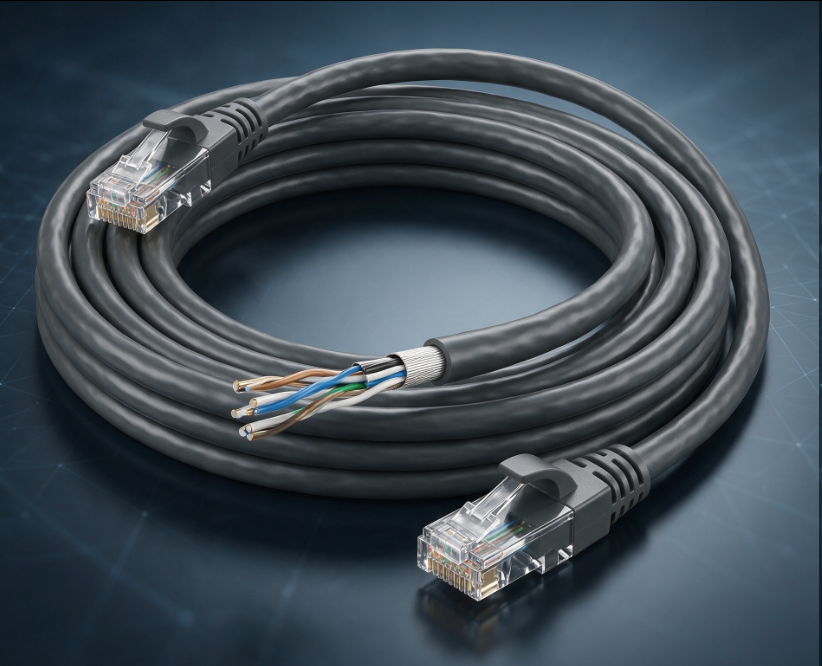
CAT6 Ethernet Gigabit Cable
Aug 15, 2026907
-

Media Converter Network Patch Cord
Jun 27, 2026906
-
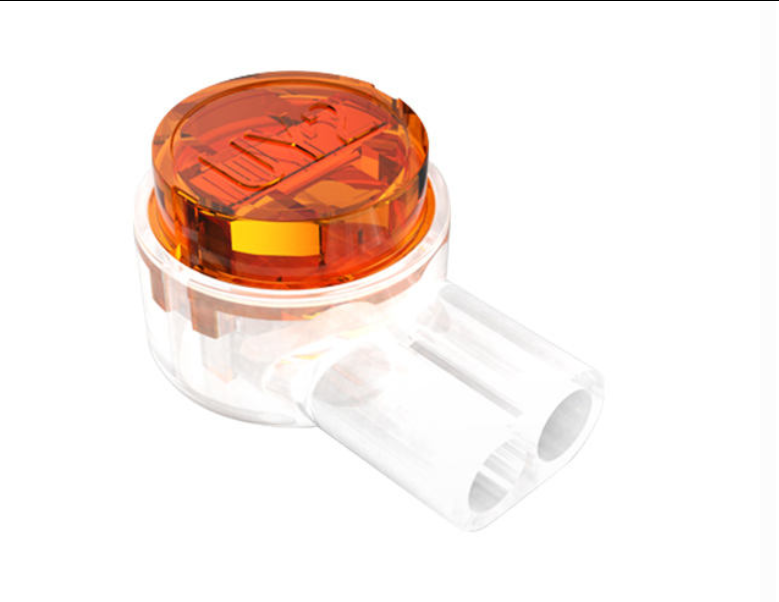
UY2 Connector for Telephone Wire
Jul 08, 2026897
-
Network Cable Bandwidth Capacity
Jul 06, 2026897
-
Flame Retardant Cat7 Boot Cover
Jul 14, 2026888