- Language
Cat6 cable cat6a comparison for network selection
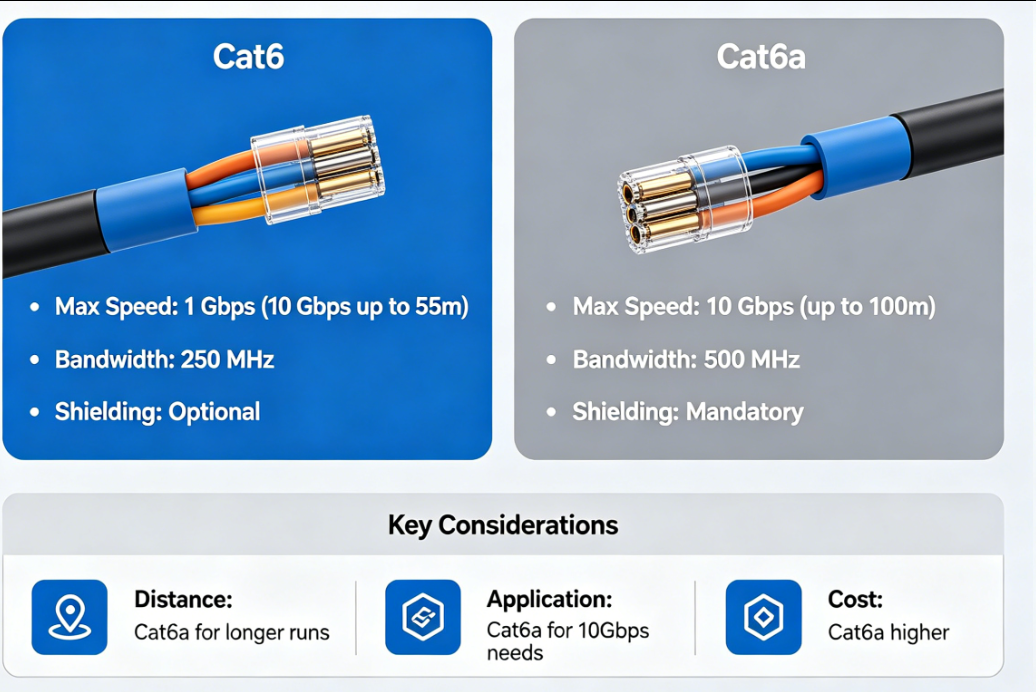
When selecting a network cable, understanding the differences between Cat6 and Cat6a cables is crucial, as these differences directly impact network performance, scalability, and cost. The most fundamental distinction between the two is bandwidth support: Cat6 cables are designed to handle bandwidths of up to 250 MHz, while Cat6a cables support up to 500 MHz. This bandwidth difference translates to varying capabilities for high-speed data transmission: Cat6 cables can support 10GbE, but only over distances of up to 55 meters, whereas Cat6a cables can maintain 10GbE speeds over the full 100-meter distance that is standard for Ethernet cabling. This makes Cat6a the preferred choice for networks that require long-distance high-speed connectivity, such as large data centers, enterprise campuses, or multi-story commercial buildings where devices may be located far from network switches. In contrast, Cat6 cables are more suitable for smaller networks, such as small businesses or home offices, where device distances are shorter and 10GbE may not be a immediate requirement.
Another key factor in the Cat6 vs. Cat6a comparison for network selection is interference resistance and physical construction. Both cables feature twisted pairs to reduce crosstalk, but Cat6a cables typically have tighter twist ratios and may offer enhanced shielding options (such as FTP or SFTP) that provide better protection against EMI and RFI compared to standard Cat6 cables. This makes Cat6a more reliable in high-interference environments, such as industrial facilities or areas with dense electrical wiring. Cost is also a significant consideration: Cat6a cables are generally more expensive than Cat6 cables, both in terms of the cable itself and installation costs, due to their thicker insulation, tighter twist ratios, and potential for additional shielding. For organizations with limited budgets or basic network needs, Cat6 may be a more cost-effective option that still provides sufficient performance for most modern applications, such as streaming video, online collaboration, and general office productivity tools. However, for networks that are being designed for future scalability, Cat6a is a better investment, as it can support higher speeds and more demanding applications as technology evolves.
Read recommendations:
LEG 77111 Mosaic Socket French Std 2P+E Automatic Terminals Surface White
RSH Graffiti Zigbee Bluetooth Mesh Three in One Multimode Gateway
-
-
-
-
-
-
-
-
-
-
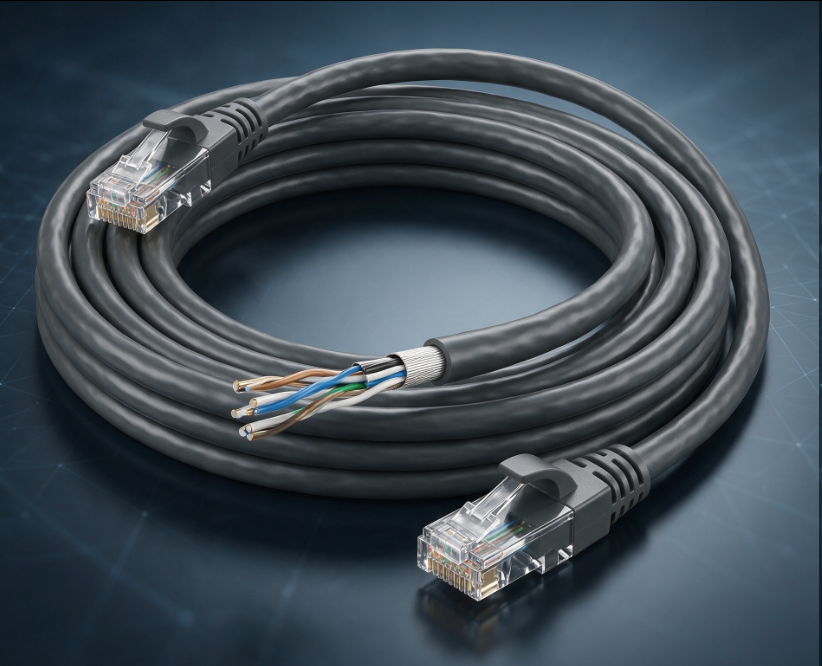
CAT6 Ethernet Gigabit Cable
Aug 15, 2026907
-

Media Converter Network Patch Cord
Jun 27, 2026906
-
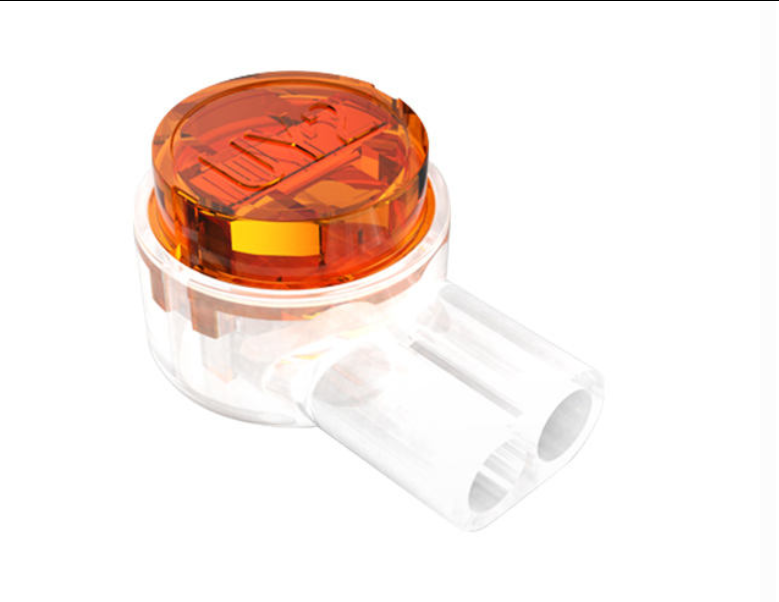
UY2 Connector for Telephone Wire
Jul 08, 2026897
-
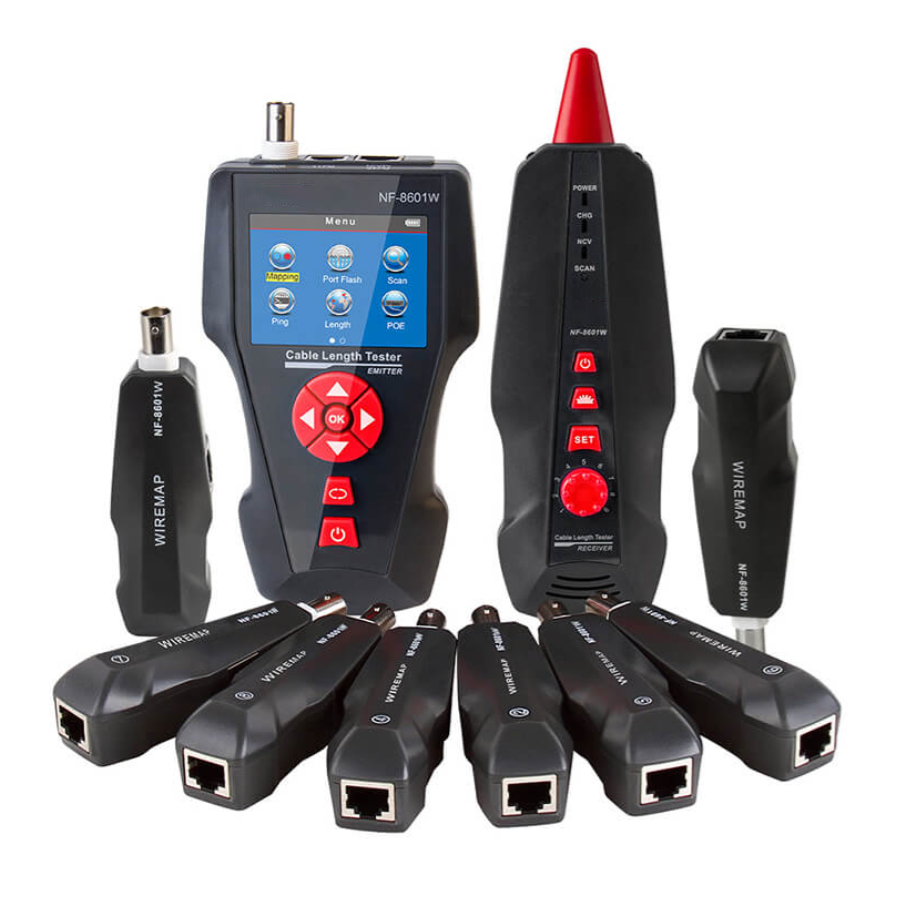
Network Cable Bandwidth Capacity
Jul 06, 2026897
-
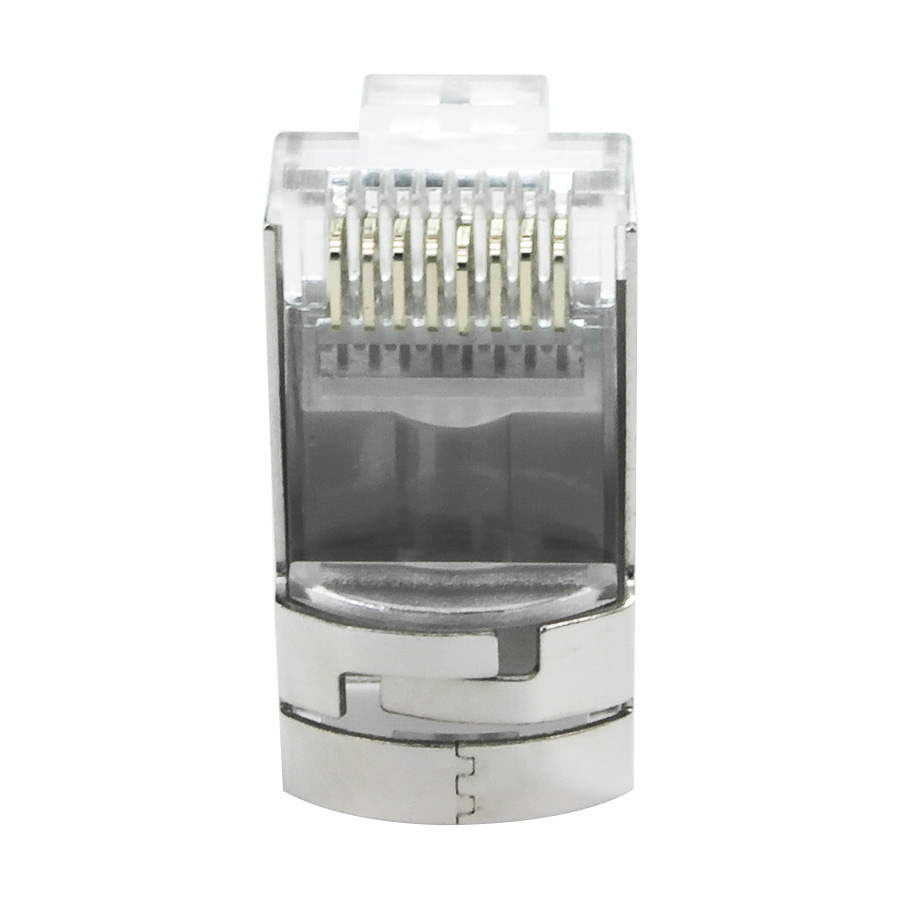
Flame Retardant Cat7 Boot Cover
Jul 14, 2026888