- Language
Copper Network Patch Cord
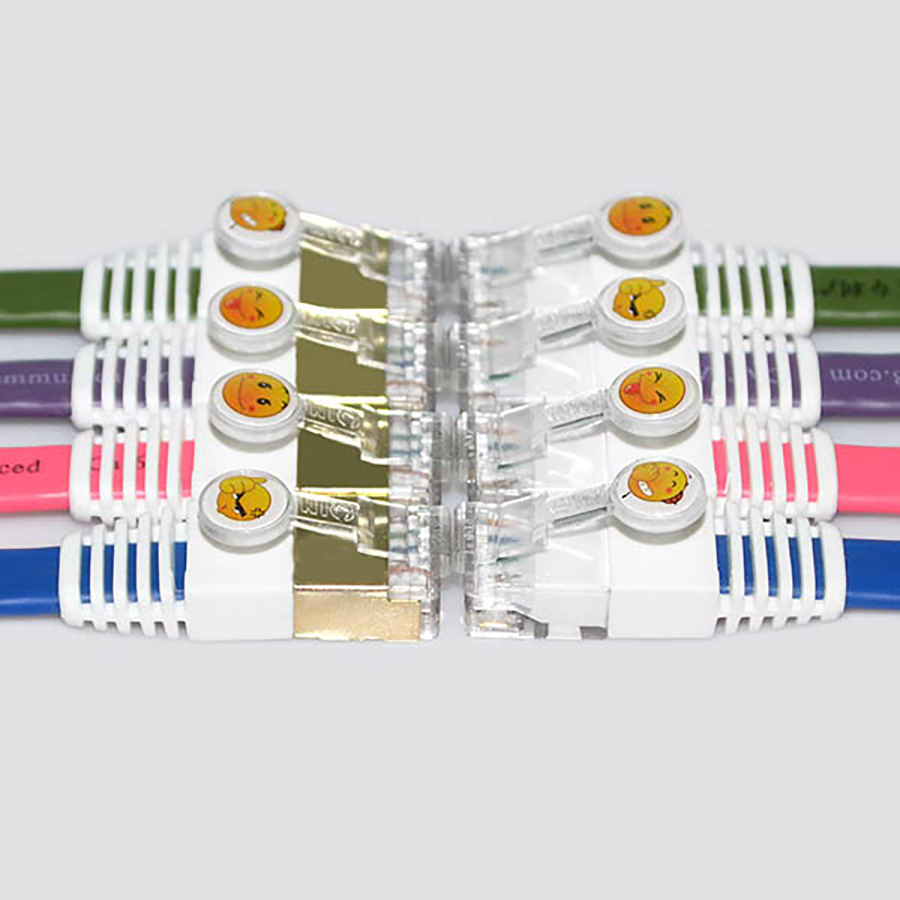
Copper network patch cords are the most fundamental and widely adopted connectivity components in modern structured cabling systems, serving as the core link for short-distance network signal transmission in home, commercial, and industrial scenarios. Crafted with high-quality twisted-pair copper conductors, these patch cords strictly comply with TIA/EIA and ISO industry standards, covering mainstream specifications including Cat5e, Cat6, Cat6a, and Cat7 to meet diverse bandwidth and speed requirements. The internal four pairs of color-coded twisted copper wires adopt precise twisting technology, which effectively suppresses crosstalk, near-end crosstalk (NEXT), and far-end crosstalk (FEXT), ensuring stable and low-loss transmission of network signals within a 100-meter standard distance. Equipped with high-density polyethylene (HDPE) insulation layers, the cords feature excellent dielectric stability, wear resistance, and anti-aging performance, adapting to long-term continuous operation in complex indoor environments.
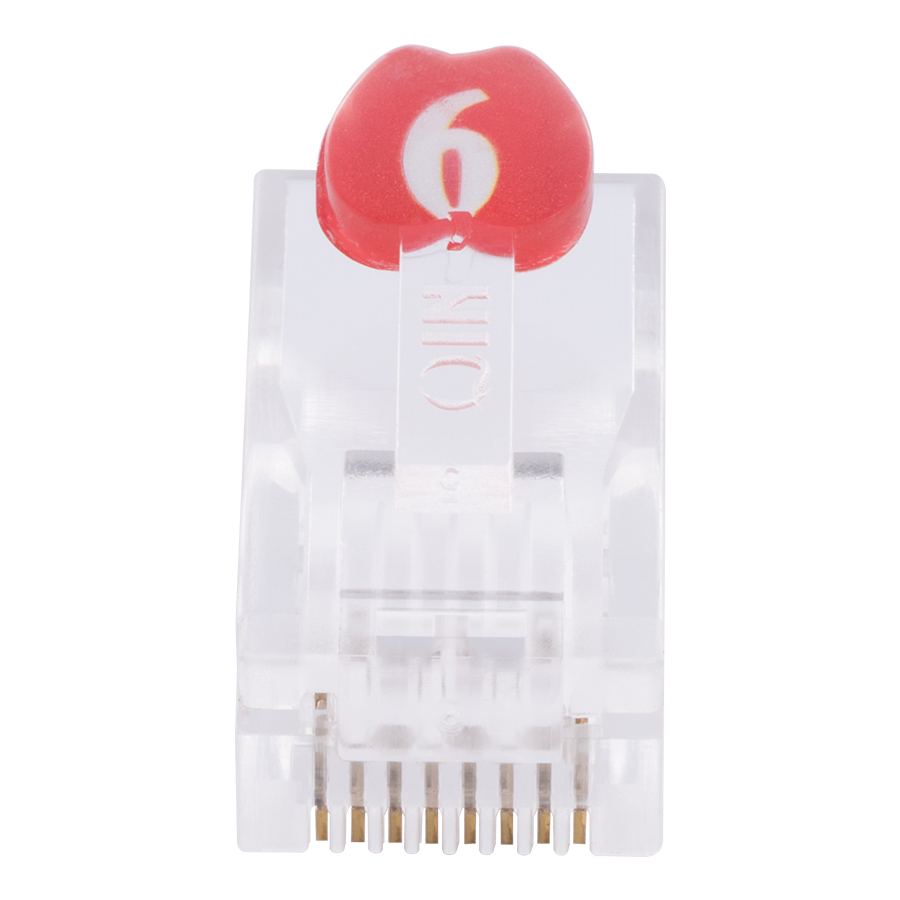
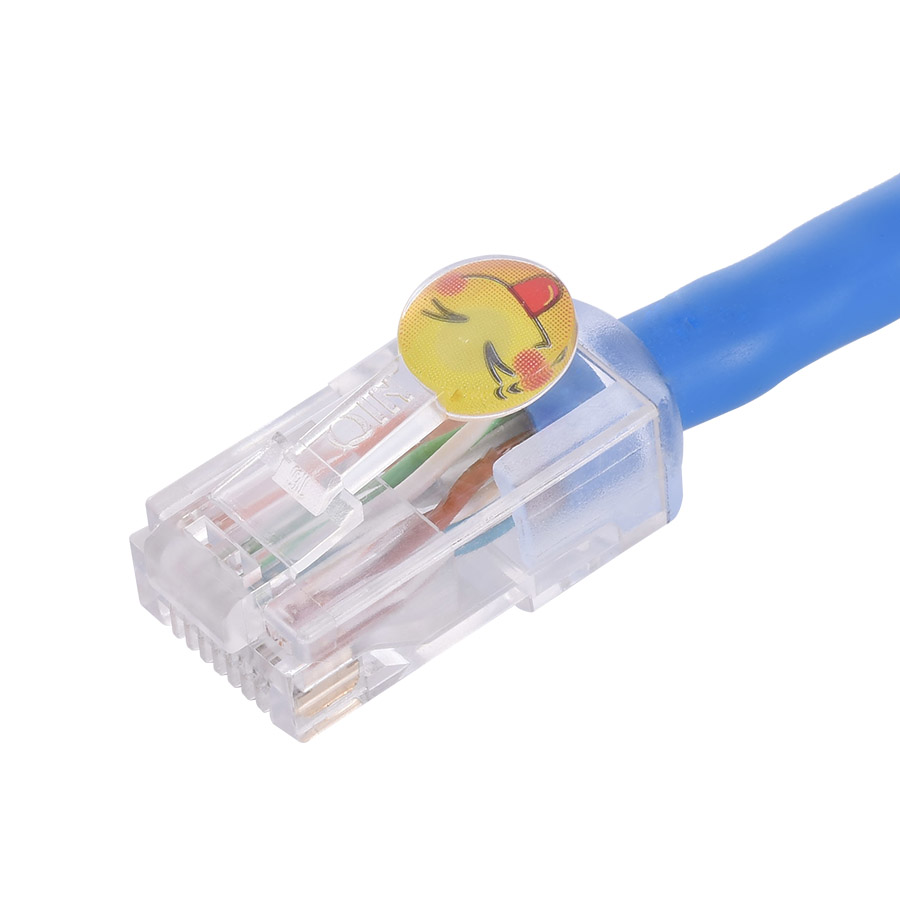
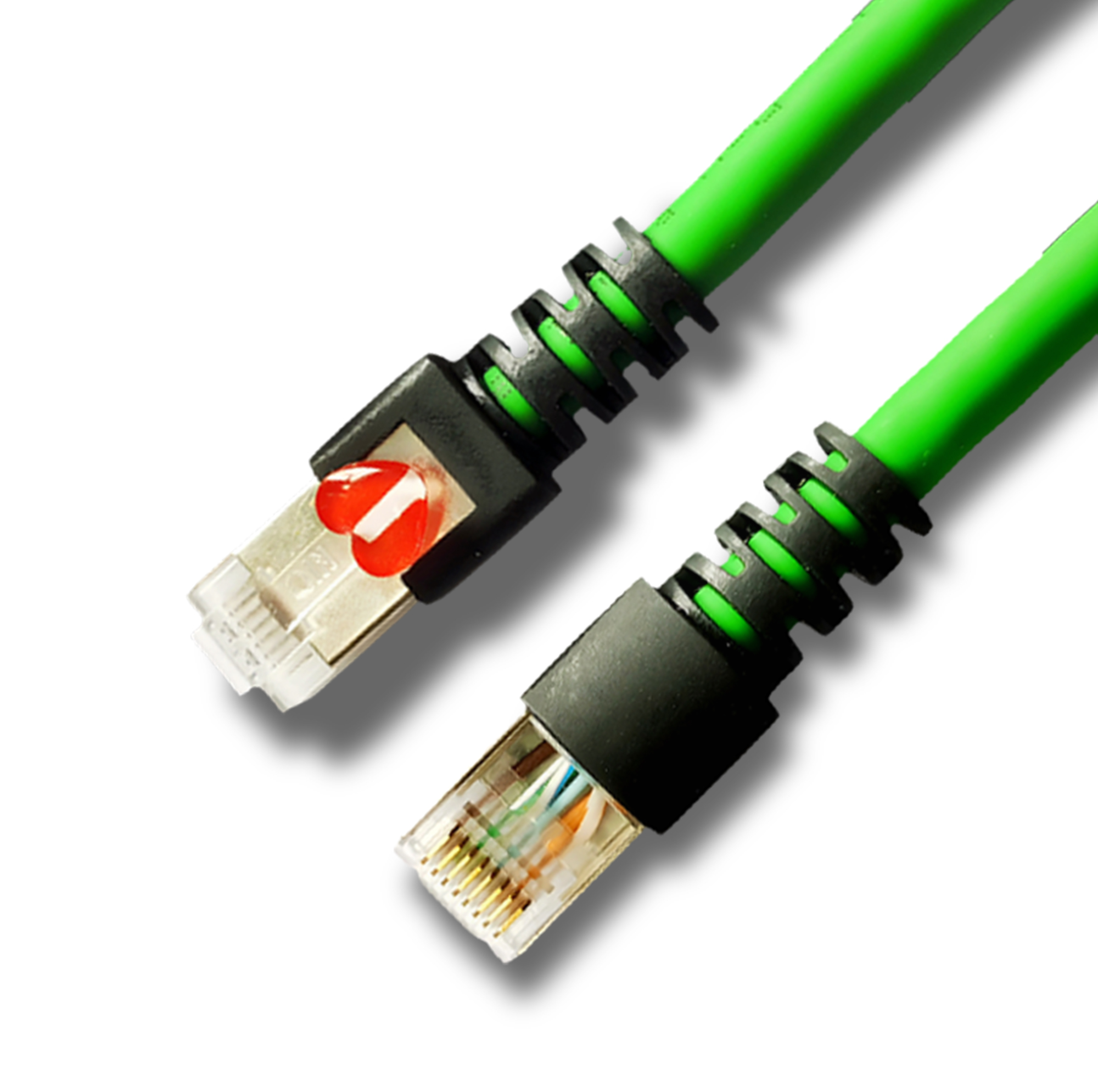
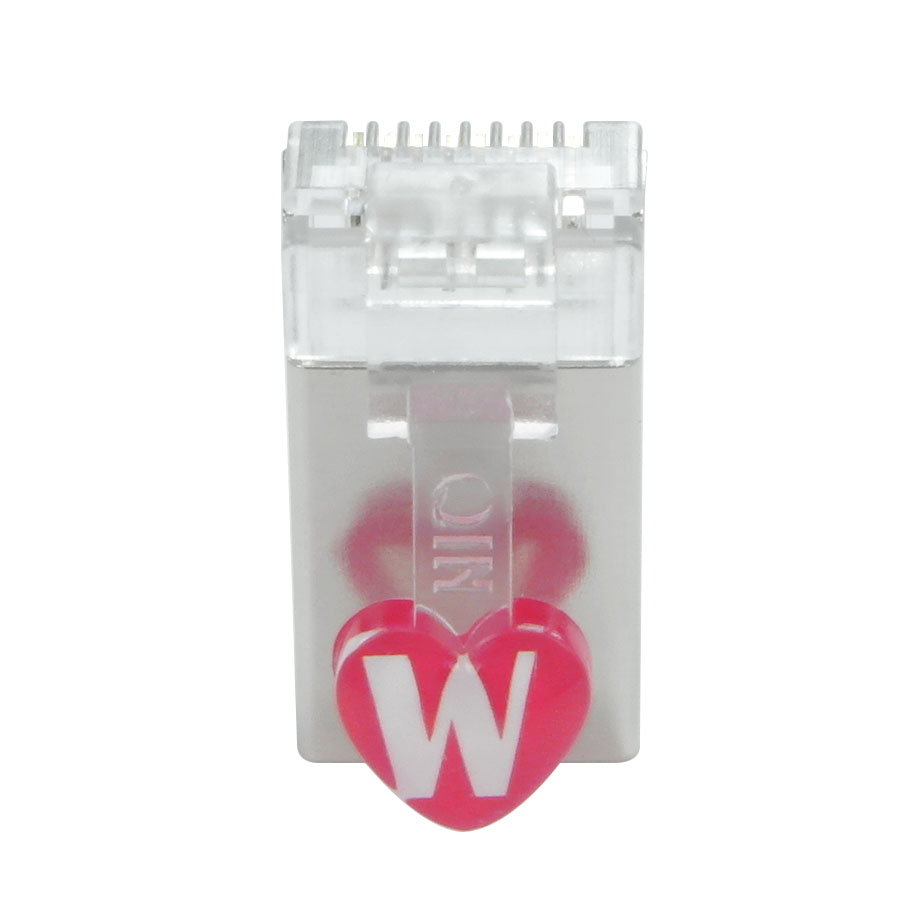
The connectors at both ends of the copper patch cord adopt standard RJ45 interfaces with 50-micron gold-plated contacts, which deliver superior conductivity, oxidation resistance, and plug-and-play stability. The integrated molded strain relief and snagless rubber boot design effectively prevents cable bending damage, loose connections, and signal interruption caused by frequent plugging and unplugging. Different from fragile optical fibers, copper patch cords boast outstanding flexibility and ductility, supporting arbitrary bending and wiring in narrow spaces such as server rooms, wiring cabinets, and office desks. They can seamlessly connect core network devices including computers, routers, switches, patch panels, and printers, realizing efficient data transmission for local area networks (LANs).
In terms of practical application value, copper network patch cords stand out with their high cost performance, mature technology, and strong compatibility. Compared with other network connection solutions, they require no auxiliary equipment or complex debugging, and are compatible with almost all mainstream Ethernet devices on the market. Cat5e copper patch cords support 1Gbps high-speed transmission suitable for daily home and office network use, while Cat6 and above specifications achieve 10Gbps ultra-high bandwidth, fully meeting high-load scenarios such as enterprise office networking, video surveillance, and large-file data transmission. With reliable transmission performance, long service life, and wide applicability, copper patch cords remain the indispensable basic hardware for building stable and efficient network systems.
Read recommendations:
LEG 77272 Multi-support Double Socket Mosaic - 2 x 2P+E Automatic Terminals German Standard Red
-
-
-
-
-
-
-
-
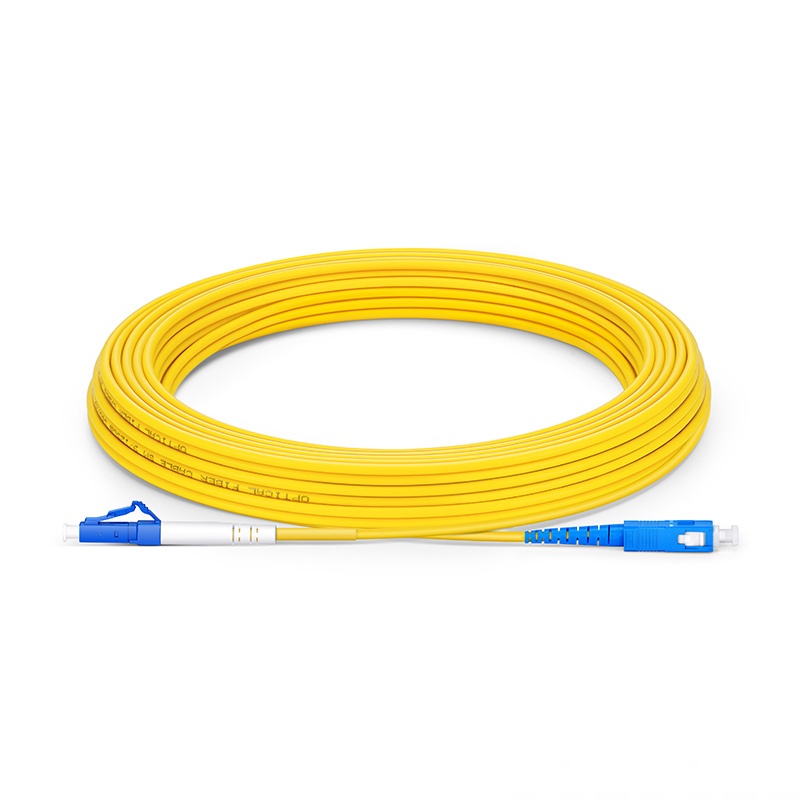
-
-
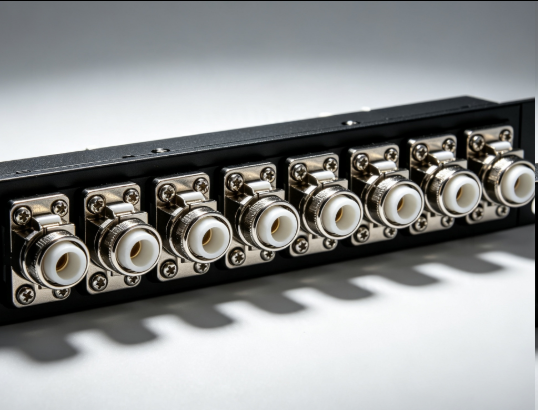
Flange Type Fixed Fiber Optic Adapter for Rack Panel
Sep 19, 2026955
-
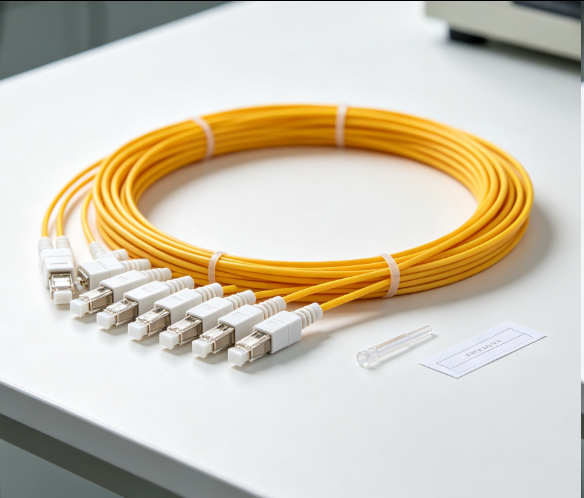
Fiber Pigtail 12 Cores SC UPC Single Mode
Sep 04, 2026930
-
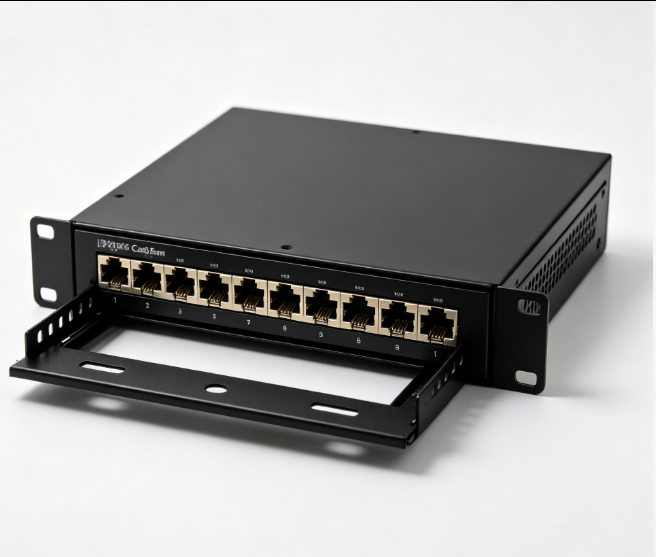
12 Port Cat6 Patch Panel Small Cabinet
Sep 12, 2026929
-
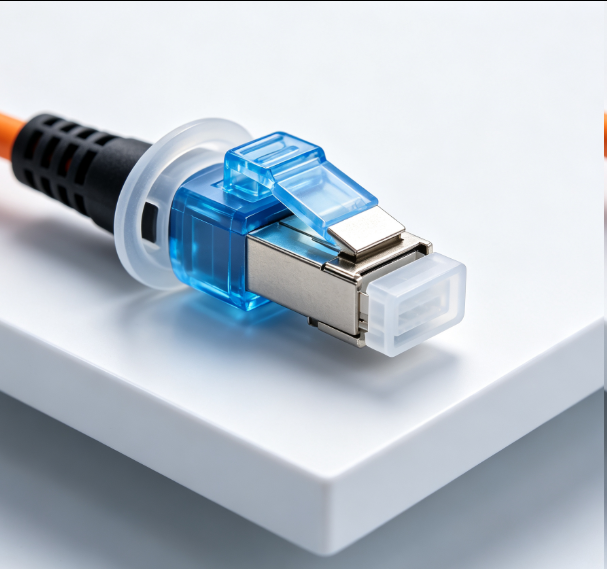
Dust Cap Equipped Fiber Patch Cable Protective
Sep 03, 2026929
-
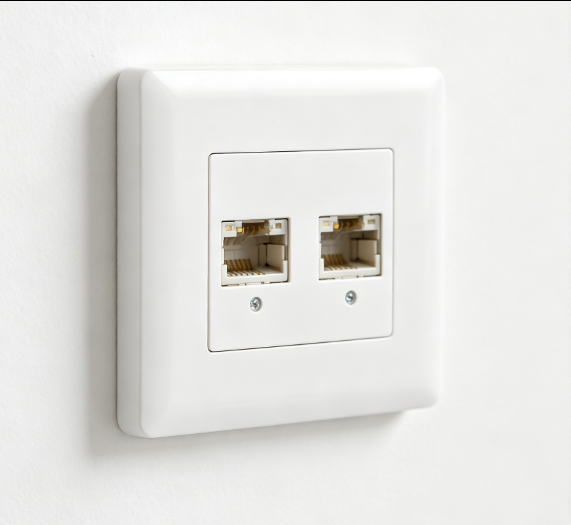
EU Standard Network Faceplate
Sep 11, 2026927