- Language
FTTH Pigtail Fiber Optic Cable
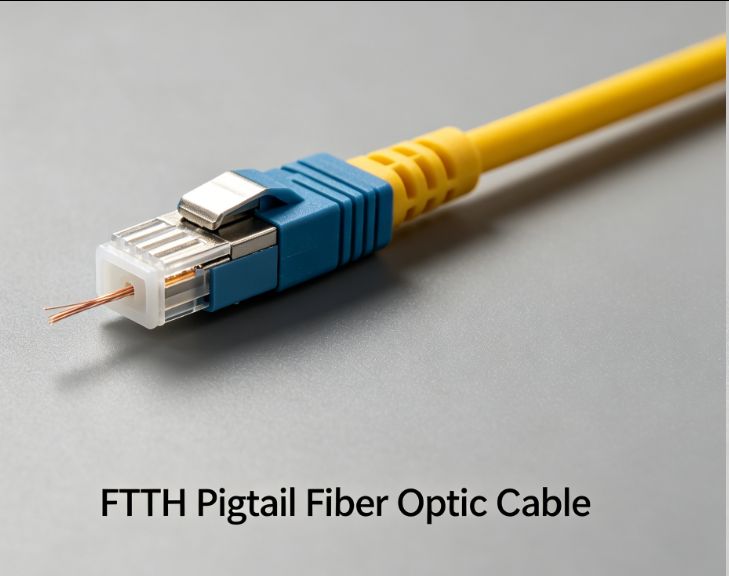
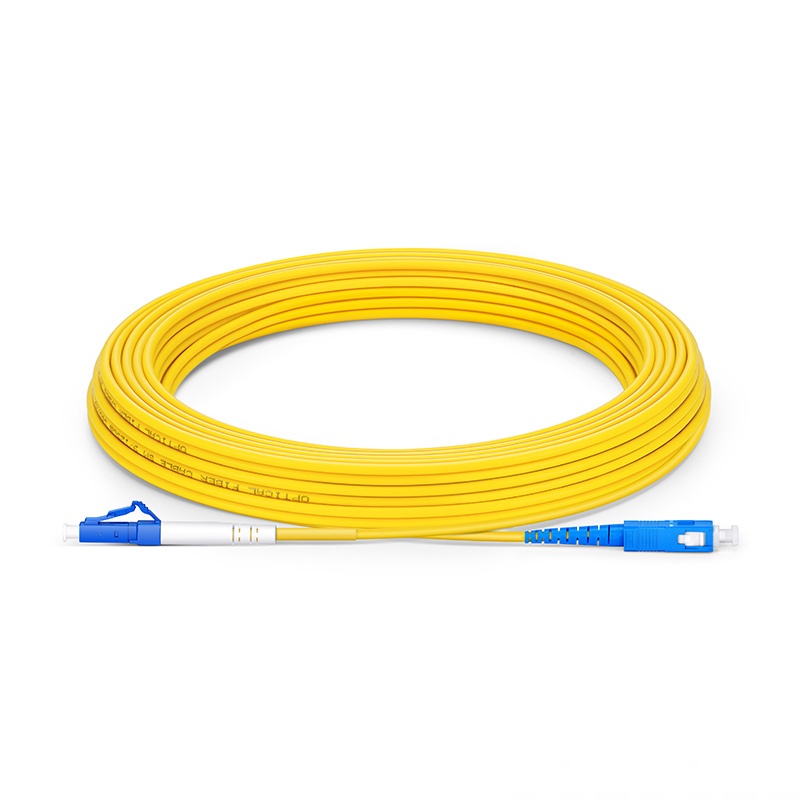
FTTH (Fiber to the Home) pigtail fiber optic cable is a short-length fiber optic cable with a pre-terminated connector at one end and a bare fiber at the other end, widely used in FTTH communication systems to connect optical components such as optical splitters, ONUs (Optical Network Units), and optical distribution boxes. The pigtail cable acts as a bridge between the main fiber optic cable and the end devices, ensuring efficient and reliable signal transmission. Unlike traditional fiber optic cables, FTTH pigtail cables are pre-terminated, which means they do not require on-site termination, saving installation time and reducing the risk of termination errors, thus improving the efficiency and quality of FTTH network construction.
The structure of FTTH pigtail fiber optic cable is designed to be compact and durable. It typically consists of a single-mode or multi-mode fiber core, a buffer layer, a strength member, and a protective jacket. The fiber core is the core component of the cable, responsible for transmitting optical signals. Single-mode fiber cores are commonly used in FTTH systems due to their low signal attenuation and high transmission bandwidth, which can support long-distance transmission. The buffer layer, made of soft and flexible materials, such as polypropylene (PP) or nylon, provides protection for the fiber core, preventing it from being damaged by external forces. The strength member, usually made of aramid yarn, enhances the cable’s tensile strength, ensuring that the cable can withstand the tension during installation and use without breaking. The protective jacket is made of high-quality materials such as polyethylene (PE) or PVC, which has excellent wear resistance, corrosion resistance, and weather resistance, protecting the internal components from damage.
FTTH pigtail fiber optic cables are available in various types and specifications to meet different application needs. The most common types include SC, LC, FC, and ST connectors, which are compatible with different optical devices. The length of the pigtail cable usually ranges from 0.5 meters to 10 meters, with 1 meter, 2 meters, and 3 meters being the most commonly used lengths. Additionally, the cable can be designed as single-core or multi-core, depending on the number of optical signals that need to be transmitted. For example, single-core pigtail cables are used for single-channel signal transmission, while multi-core pigtail cables are used for multi-channel signal transmission, such as in enterprise FTTH applications.
The advantages of FTTH pigtail fiber optic cable are numerous. First, the pre-terminated design saves installation time and labor costs, as on-site termination requires professional skills and equipment, which can be time-consuming and error-prone. Pre-terminated pigtail cables ensure that the connector is of high quality and stable performance, reducing the risk of signal loss and communication interruption. Second, the cable is compact and flexible, making it easy to install in tight spaces, such as inside optical distribution boxes and ONUs. Third, the cable’s durable structure ensures long-term stable operation, reducing maintenance costs. Fourth, the variety of connector types and lengths makes the cable highly versatile, suitable for different FTTH network configurations. With the continuous expansion of FTTH networks, FTTH pigtail fiber optic cable has become an indispensable component, providing a reliable and efficient connection solution for FTTH systems, ensuring that end users can enjoy high-speed and stable broadband services.
Read recommendations:
LEG 77000 French Type Mosaic Energy Saving Switch 1 Way Switch 10AX (1 module) White
-
-
-
-
-
-
-
-
-
-
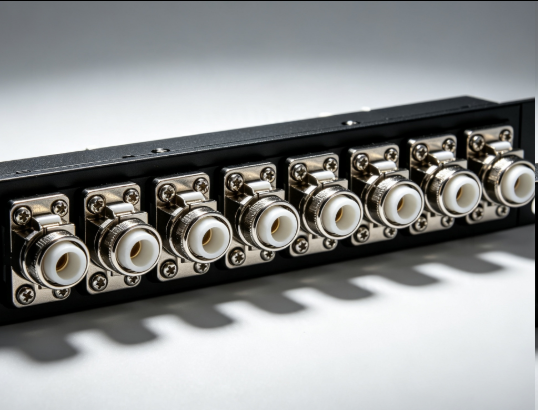
Flange Type Fixed Fiber Optic Adapter for Rack Panel
Sep 19, 2026955
-
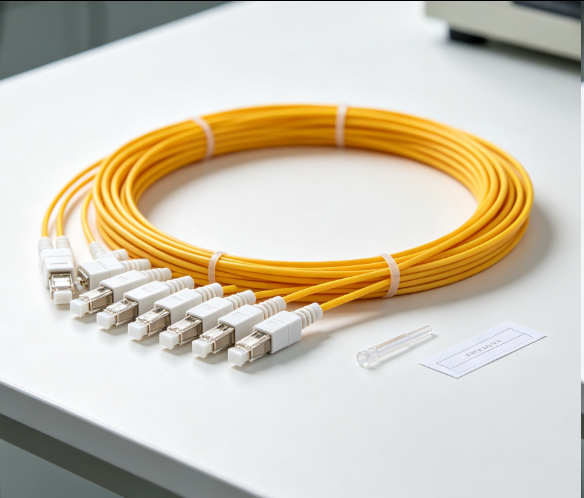
Fiber Pigtail 12 Cores SC UPC Single Mode
Sep 04, 2026930
-
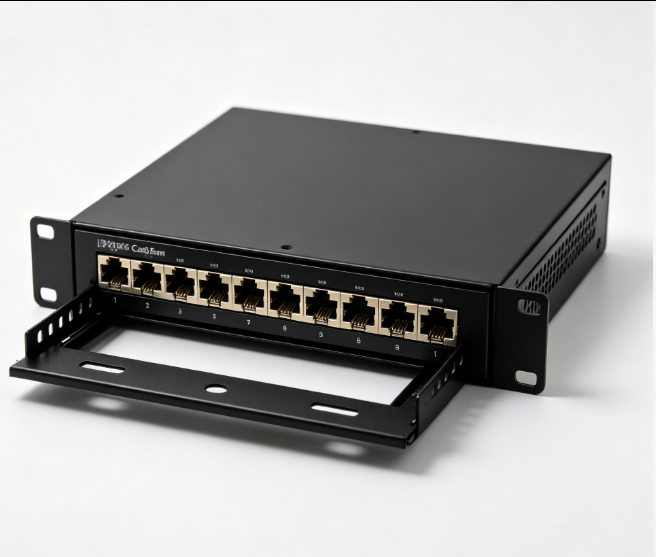
12 Port Cat6 Patch Panel Small Cabinet
Sep 12, 2026929
-
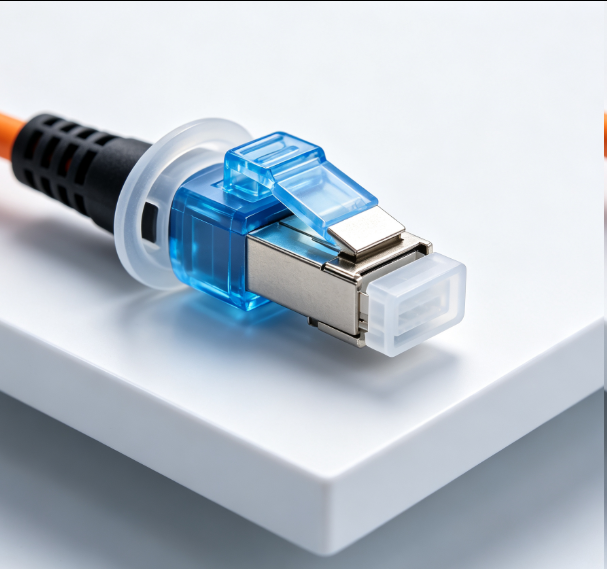
Dust Cap Equipped Fiber Patch Cable Protective
Sep 03, 2026929
-
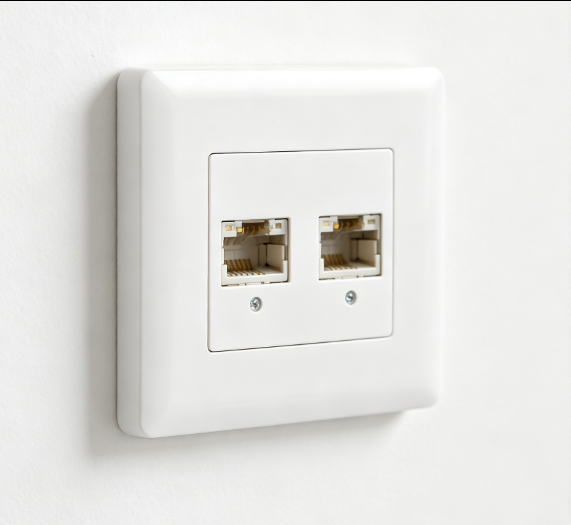
EU Standard Network Faceplate
Sep 11, 2026927