- Language
Industrial Ethernet Network Patch Cord
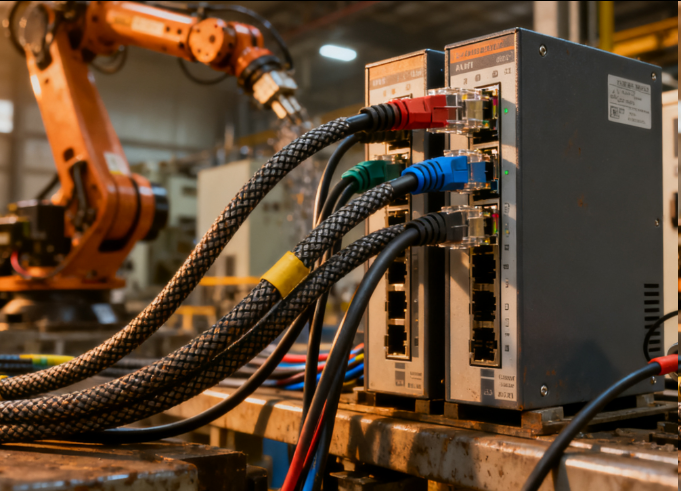
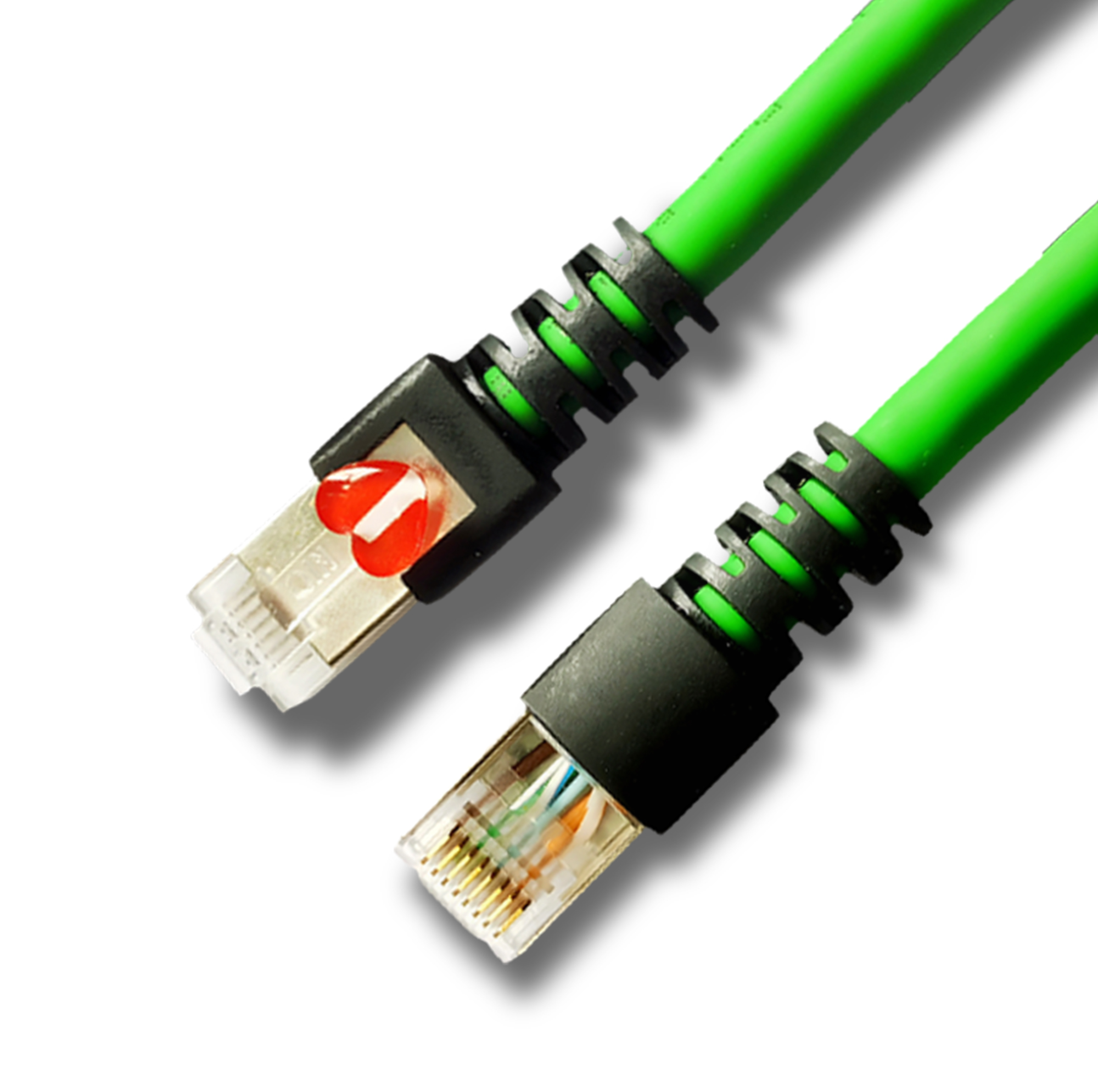
Industrial Ethernet network patch cords are engineered to withstand harsh environments, including extreme temperatures, vibration, and exposure to chemicals or moisture. These cables are commonly used in manufacturing plants, oil refineries, and transportation systems, where traditional networking components would fail. Constructed with ruggedized jackets made of materials like polyurethane (PUR) or thermoplastic elastomer (TPE), they resist abrasion, UV radiation, and mechanical stress.
The conductors in industrial Ethernet patch cords are often stranded copper for flexibility, allowing them to bend without breaking. Many models feature shielded twisted pairs (STP) or foiled twisted pairs (FTP) to minimize EMI and crosstalk in electrically noisy environments. The connectors, typically M12 or industrial RJ45 plugs, are sealed to prevent ingress of dust or liquids, meeting IP67 or IP68 ratings for water and dust resistance.
When deploying industrial Ethernet patch cords, it’s crucial to select cables rated for the specific environmental conditions. For example, cables used in outdoor applications may require additional UV protection, while those in explosive environments must comply with ATEX or IECEx standards. Proper cable routing and secure fastening also prevent damage from machinery or foot traffic, ensuring long-term reliability in industrial settings.
Read recommendations:
Cat5e/Cat6 UTP keystone jack 40x25cm for faceplate/wallplate UK type
LEG 77210 Multi-support Single Socket Mosaic German Std - 2P+E w/o Shutters with Screw White
Graffiti WiFi Circuit Breaker RMDZT-1PNL 63A (DJ)
-
-
-
-
-
-
-
-
-
-
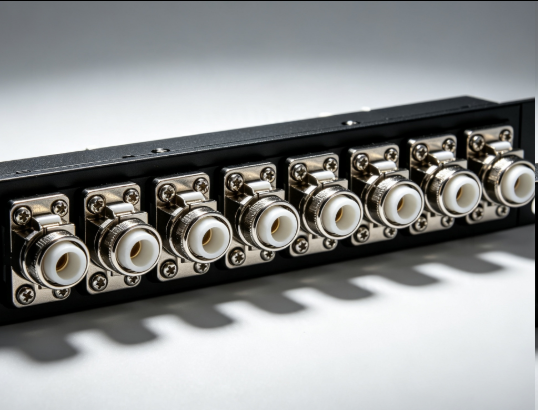
Flange Type Fixed Fiber Optic Adapter for Rack Panel
Sep 19, 2026956
-
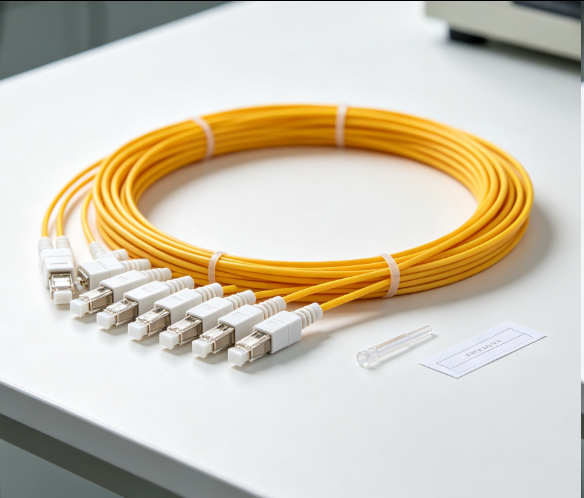
Fiber Pigtail 12 Cores SC UPC Single Mode
Sep 04, 2026930
-
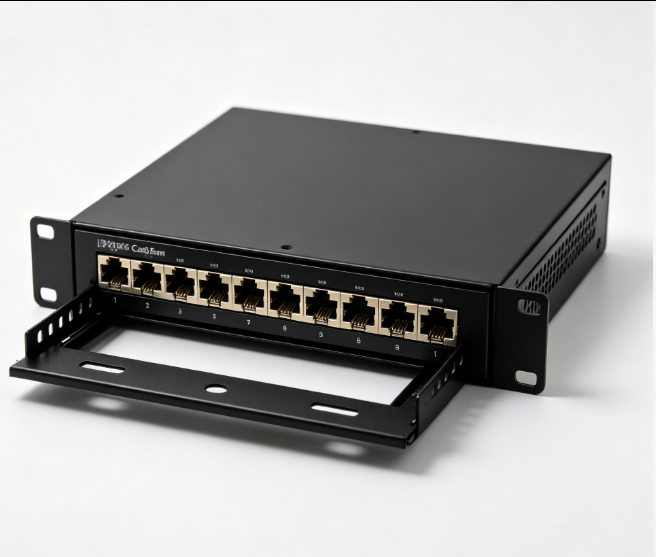
12 Port Cat6 Patch Panel Small Cabinet
Sep 12, 2026929
-
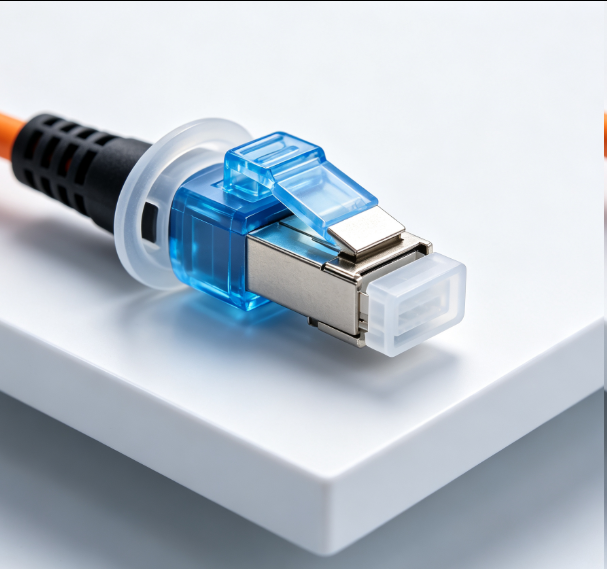
Dust Cap Equipped Fiber Patch Cable Protective
Sep 03, 2026929
-
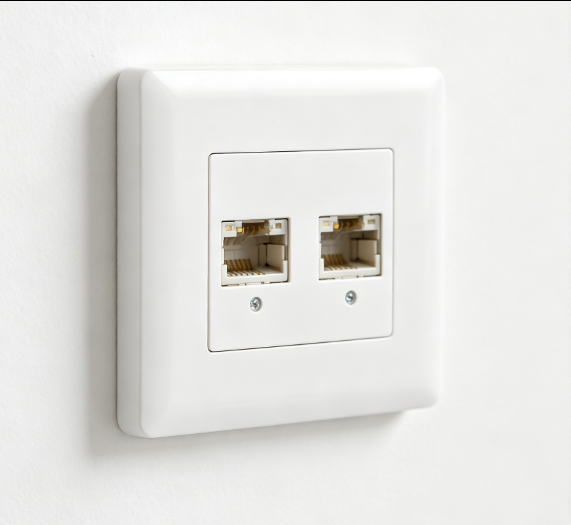
EU Standard Network Faceplate
Sep 11, 2026927