- Language
Network Cable Management for Data Room

Network cable management in a data room is a critical and complex task that plays a pivotal role in ensuring the reliability, efficiency, and scalability of the entire network infrastructure. Data rooms house a vast array of high - performance servers, switches, routers, and other networking equipment, all interconnected by a multitude of cables. Without proper management, these cables can quickly become a chaotic mess, leading to increased maintenance time, potential cable failures, and disruptions to network services.
The first step in effective data room cable management is meticulous planning. Before installing any equipment or cables, a detailed cable layout plan must be developed. This plan takes into account factors such as the location of network ports on devices, the type of cables (e.g., Ethernet, fiber - optic), the required cable lengths, and the desired routing paths. By having a comprehensive plan, it becomes easier to ensure that cables are routed in an organized manner, minimizing interference and facilitating future upgrades and expansions.
Once the plan is in place, various cable management tools are employed to execute the layout. Cable trays are commonly used in data rooms to support and organize cables. These trays are installed horizontally or vertically within the room, providing a flat surface or channels where cables can be laid out and guided. They prevent cables from sagging, tangling, and being damaged by foot traffic or equipment movement. Additionally, cable managers, such as horizontal and vertical rack - mount cable managers, are essential for organizing cables within server racks. They keep cables separated, neatly routed, and easily accessible for maintenance and troubleshooting.
Cable labeling is another crucial aspect of data room cable management. Each cable should be clearly labeled at both ends, indicating its source, destination, and function. This labeling system simplifies cable identification, making it easier for technicians to quickly locate and manage cables. In a large data room with hundreds or even thousands of cables, proper labeling can significantly reduce the time and effort required for network maintenance and upgrades.
Data room cable management also involves considerations for cable protection and environmental factors. Cables should be protected from physical damage, electromagnetic interference, and temperature fluctuations. Shielded cables and conduits can be used to minimize interference, while proper ventilation and temperature control systems ensure that the cables operate within their optimal temperature range. Furthermore, as data rooms are often subject to frequent equipment changes and network expansions, the cable management system should be designed to be modular and scalable, allowing for easy addition or removal of cables and equipment without major disruptions. Overall, effective network cable management in a data room is essential for maintaining a reliable, high - performance network infrastructure.
Read recommendations:
LEG 77210 Multi-support Single Socket Mosaic - German Std - 2P+E w/o Shutters White
Smart Switch Outlet 1 Gang with Wireless APP Remote Control Compatible with Legrand Faceplate
-
-
-
-
-
-
-
-
-
-
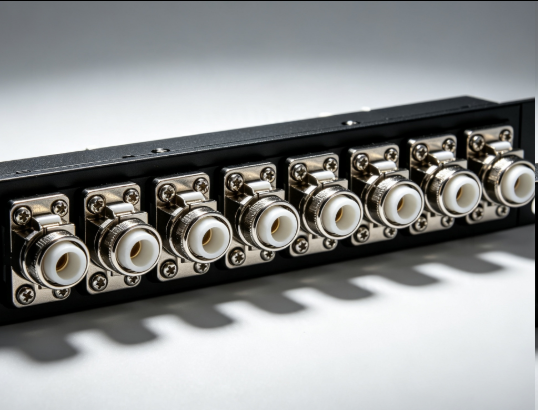
Flange Type Fixed Fiber Optic Adapter for Rack Panel
Sep 19, 2026955
-
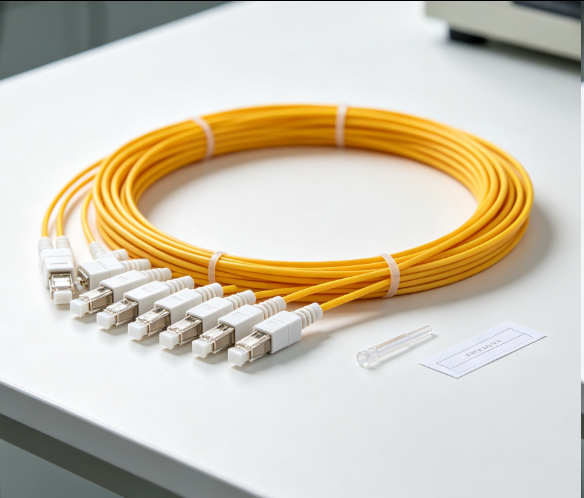
Fiber Pigtail 12 Cores SC UPC Single Mode
Sep 04, 2026930
-
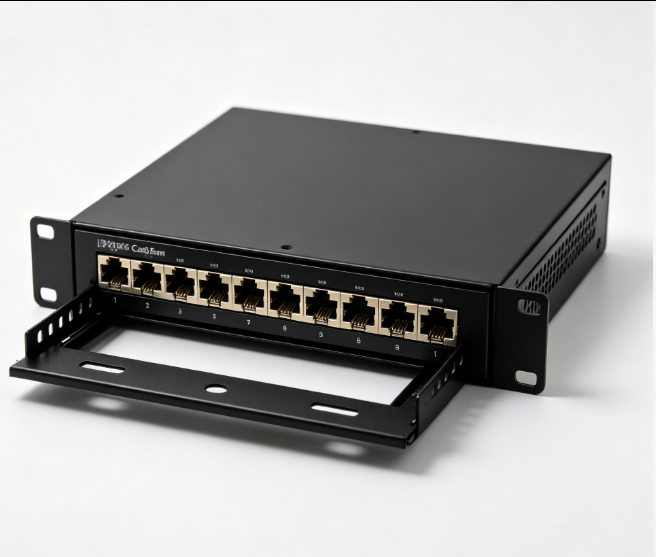
12 Port Cat6 Patch Panel Small Cabinet
Sep 12, 2026929
-
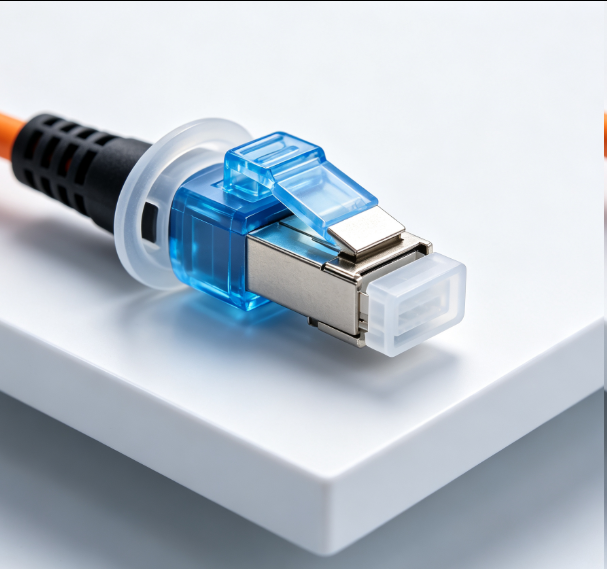
Dust Cap Equipped Fiber Patch Cable Protective
Sep 03, 2026929
-
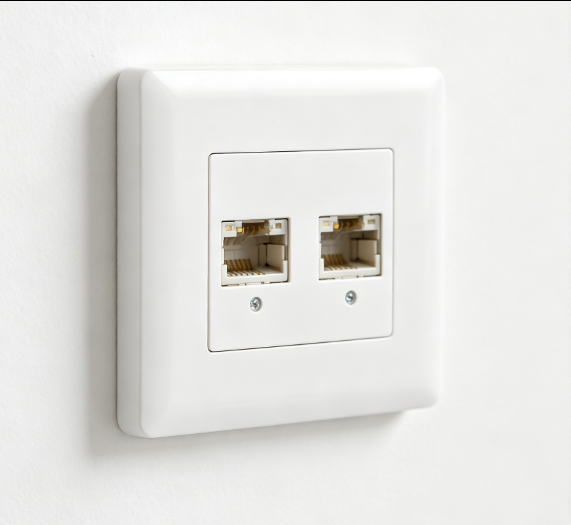
EU Standard Network Faceplate
Sep 11, 2026927