- Language
cat6a patch cable pass fluke test
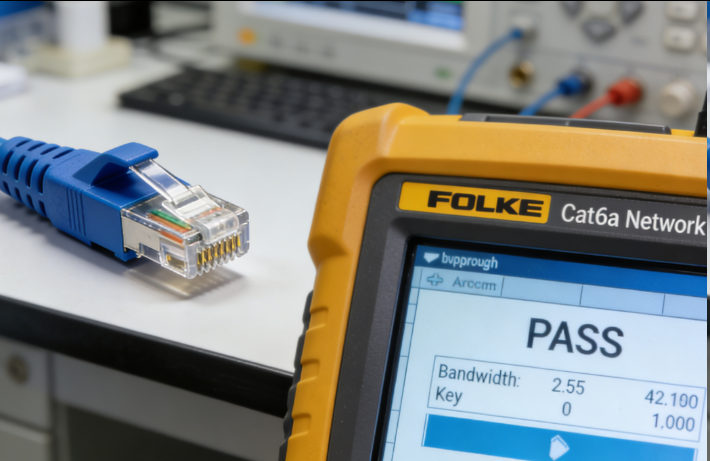
I. Core Test Standards and Must-Pass Parameters (Fluke Default Test Items)
1. Mandatory Compliance Standards
North American: TIA/EIA-568.2-D (500MHz bandwidth, supports 10GBASE-T)
International: ISO/IEC 11801:2017 (Class E Augmented)
2. Key Parameter Limits (At 500MHz)
Insertion Loss (IL): Compliance requirement ≤24.0 dB/100m; failure leads to signal attenuation and reduced transmission speed
Return Loss (RL): Compliance requirement ≥12.0 dB; failure causes signal reflection and data packet loss
Near-End Crosstalk (NEXT): Compliance requirement ≥39.9 dB; failure results in adjacent pair interference and increased bit error rate
Far-End Crosstalk (FEXT): Compliance requirement ≥37.1 dB; failure leads to far-end pair interference and long-distance transmission failure
Alien Crosstalk (AXT): Compliance requirement ≥35.3 dB (for unshielded cables); failure causes external cable interference and malfunctions in multi-cable parallel scenarios
Delay Skew: Compliance requirement ≤50 ns; failure results in signal synchronization anomalies and 10Gbps transmission disconnection
Wire Map: Compliance requirement – no opens, shorts, or crossed pairs; failure leads to complete communication breakdown
II. Patch Cord Compliance Requirements (Directly Determine Test Success)
1. Cable Itself
Conductor: Pure copper material, specification ≥23 AWG (0.57mm in diameter); Copper-Clad Aluminum (CCA) is strictly prohibited
Twist Ratio: Uniform twist ratio for 4 pairs, with reference ranges: Pair 1-2 ~19mm, Pair 3-6 ~15mm, Pair 4-5 ~21mm, Pair 7-8 ~25mm
Shielding (Optional): STP/SFTP types require full shielding design (foil + braided mesh) with 100% shielding coverage
Jacket: PVC or LSZH material, thickness ≥0.6mm, no damage or cracks on the surface
Length: Optimal length 1-5m; maximum length shall not exceed 10m
2. Connectors and Termination (A High-Failure Area)
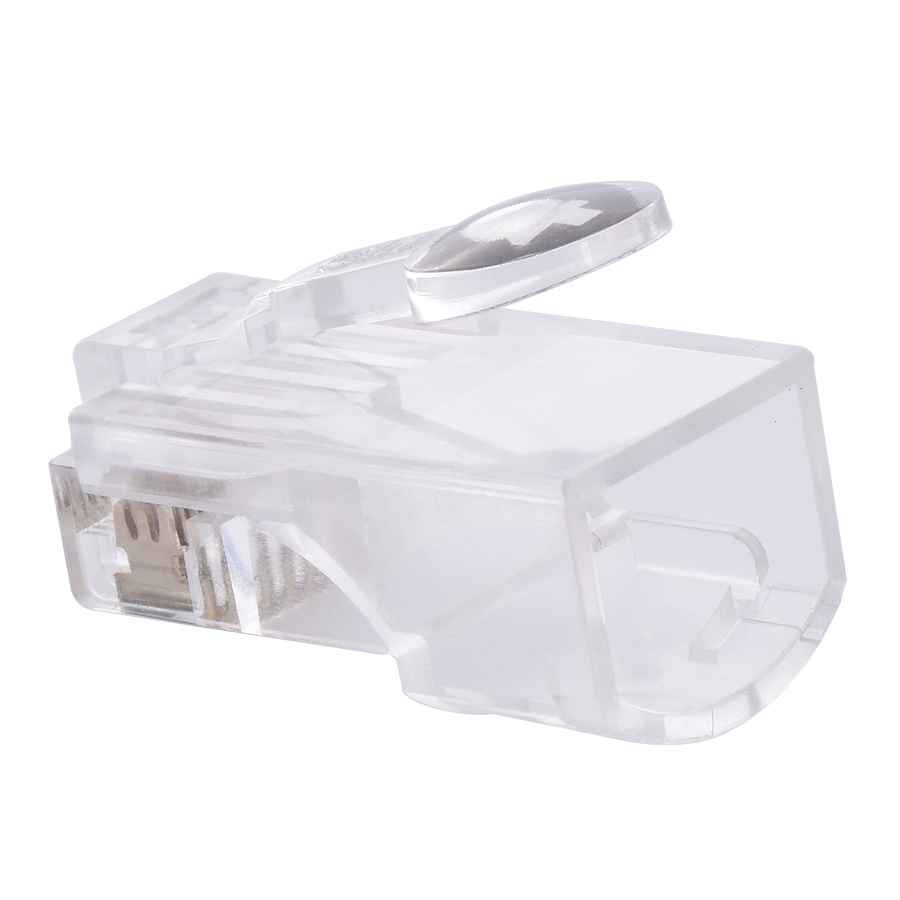
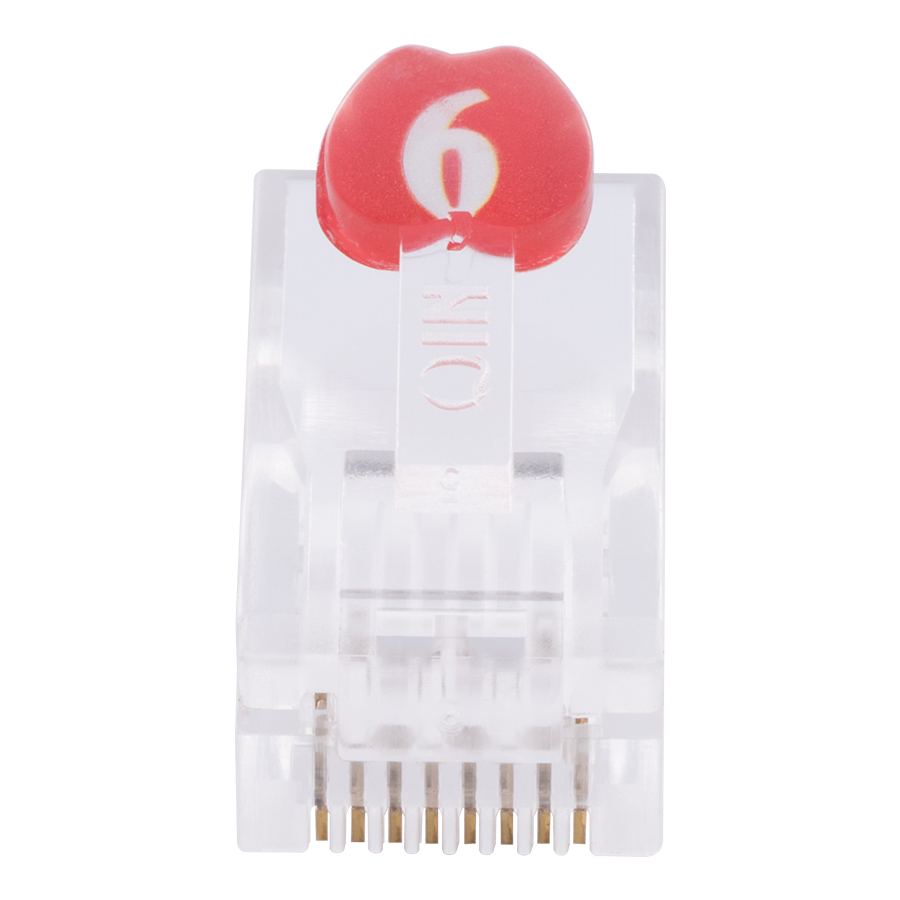
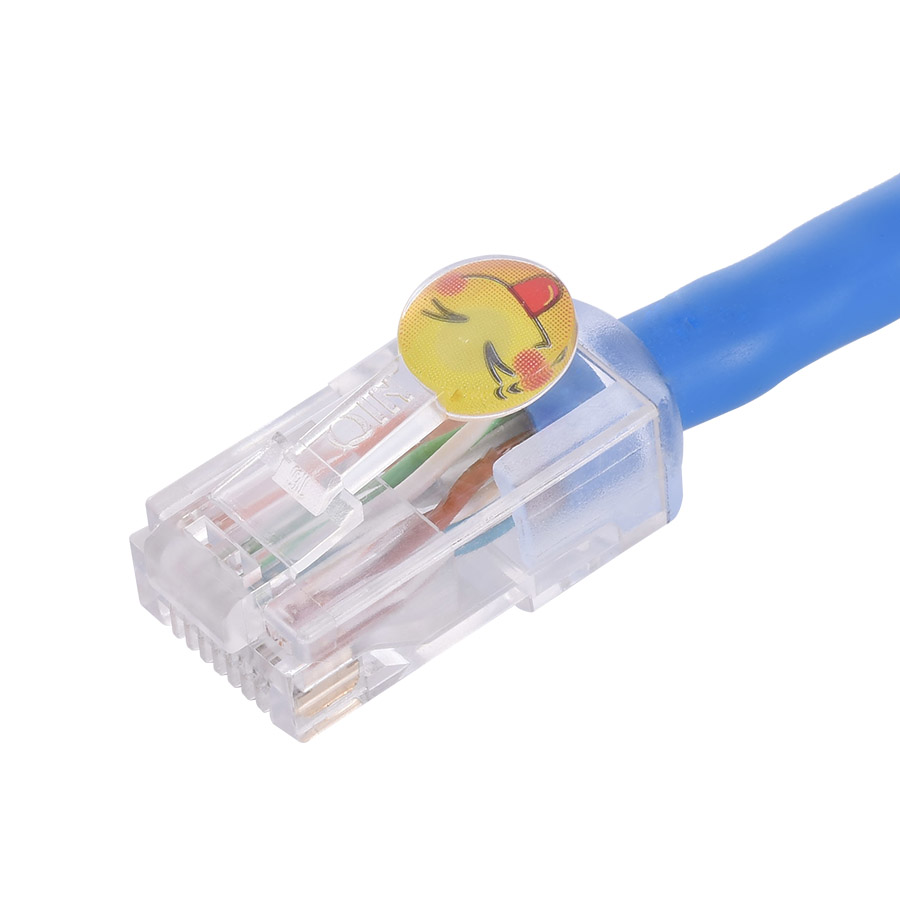
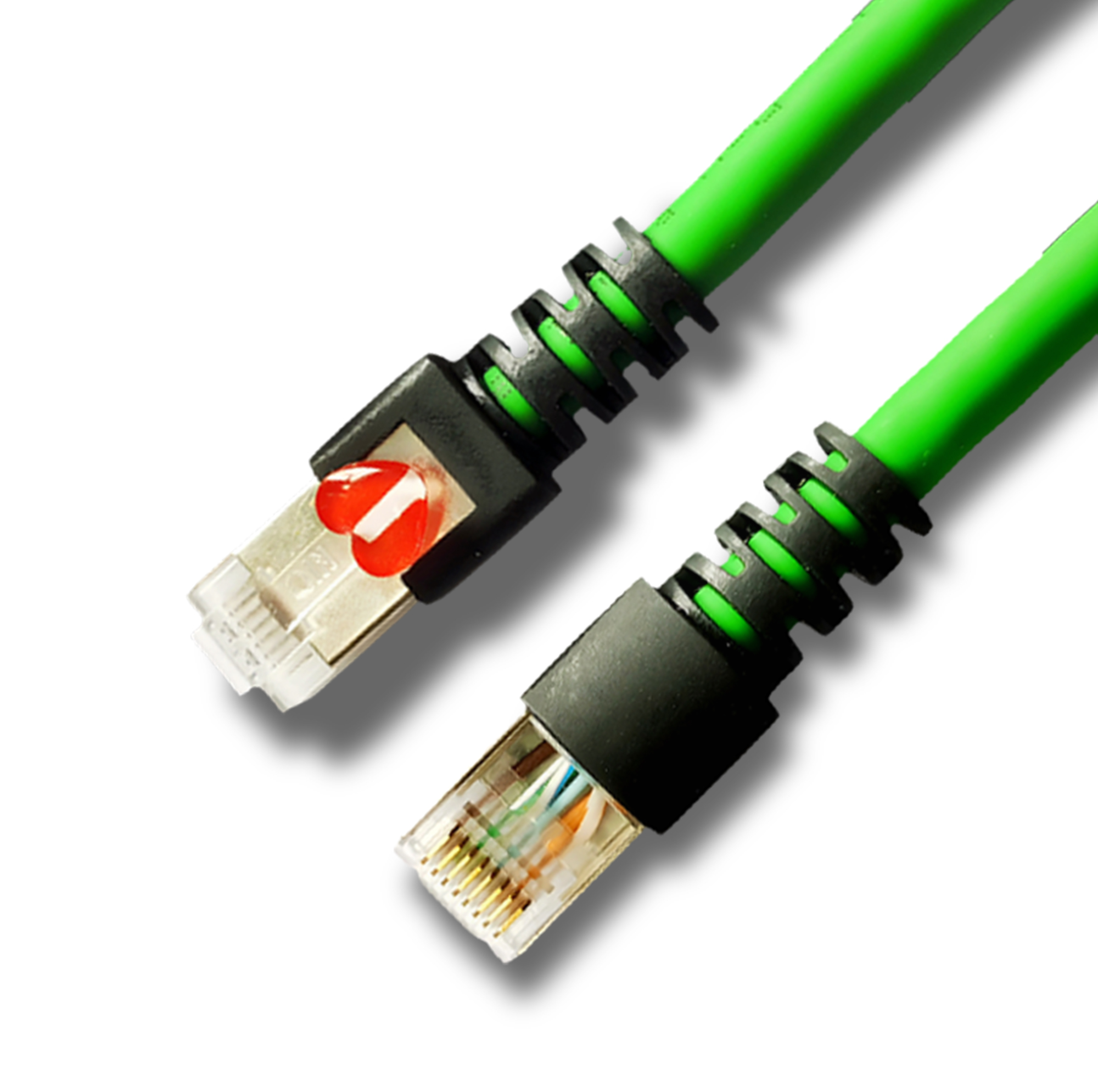
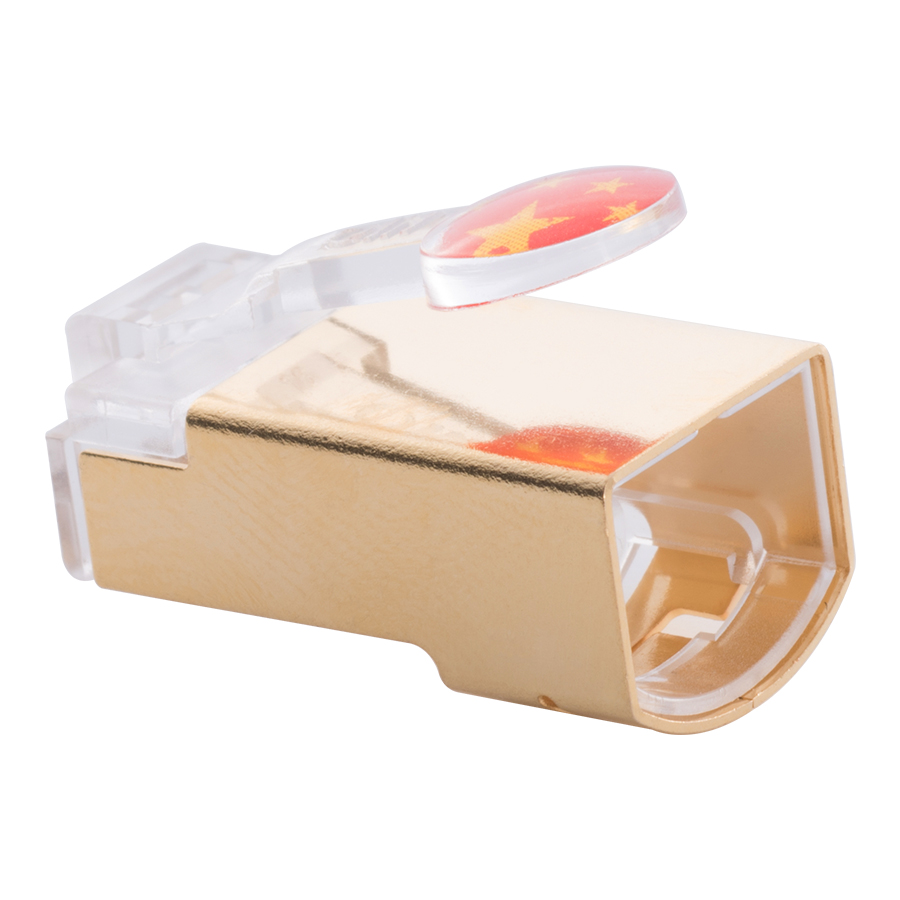
RJ45 Plug: Cat6a-specific 8P8C RJ45 connector with gold-plated contacts ≥50μm; shielding type must match the cable (shielded cable with shielded plug, unshielded cable with unshielded plug)
Termination Specifications:
Uniformly adopt T568A or T568B wiring standard; wiring method must be identical at both ends of the cable
Jacket stripping length ≤15mm; pair untwisting length ≤6mm (excessive untwisting will directly cause NEXT test failure)
Use a torque-controlled Cat6a-specific crimping tool to ensure tight crimping and good contact between conductors and plug contacts
Shielded plugs must ensure reliable contact between the shielding layer and the plug's metal shell to achieve effective grounding
III. Fluke Test Operation Steps (Taking DTX-1800 as Example)
1. Pre-Test Preparation
Tool Calibration: Calibrate the tester with original factory reference calibration cables to eliminate instrument errors
Cable Inspection: Visually inspect for no jacket damage or plug deformation; use a simple cable tester to initially verify wire map correctness
Environment Control: Maintain test environment at room temperature (20-25℃); avoid cable bundling and keep away from strong electromagnetic interference sources such as motors and inverters
2. Test Execution
Insert both ends of the patch cord into the test main unit and remote test unit respectively
Power on the device → select "Cable Test" → "Cat6a" → "Patch Cable" (patch cord mode)
Select the target compliance standard (e.g., TIA/EIA-568.2-D) and start the test (single test duration: ~30 seconds)
View test results: All parameters marked green = Pass; Red-marked parameters = Fail, focus on the failed parameters for subsequent troubleshooting
3. Report Retention
Save the test report (supports PDF/CSV formats); the report must include unique cable identification, test date, adopted standards, and measured values of all parameters (essential for acceptance)
IV. Common Failure Scenarios and Quick Troubleshooting
Wire Map Failure: Typical causes include crossed pairs and poor contact of plug pins; Solution: Re-terminate strictly according to T568A/B standard, replace with new plugs and retest
Insertion Loss (IL) Exceedance: Typical causes include CCA conductors, cable length exceeding 10m, and loose crimping leading to high contact resistance; Solution: Replace with pure copper Cat6a cable, shorten to compliance length, and re-crimp with proper force using a dedicated tool
Near-End Crosstalk (NEXT) Failure: Typical causes include pair untwisting length >6mm and uneven cable twist ratio; Solution: Re-terminate with untwisting length ≤6mm, replace with compliant cable with uniform twist ratio
Return Loss (RL) Failure: Typical causes include low-quality plugs and impedance mismatch between cable and plug; Solution: Replace with Cat6a certified plugs, ensure matching specifications and consistent impedance
Alien Crosstalk (AXT) Exceedance: Typical causes include unshielded cables and bundled parallel cables during testing; Solution: Replace with shielded Cat6a (STP/SFTP), place cables individually during testing to avoid parallel bundling
Delay Skew Failure: Typical causes include uneven cable material and excessive length; Solution: Replace with qualified cable of uniform material, shorten length to ≤5m
V. Critical Avoidance Tips
Do not mix shielded and unshielded components (e.g., unshielded cable with shielded plug, or vice versa)
Do not use "non-standard Cat6a" cables; low-cost inferior cables often have substandard twist ratios and adulterated conductor materials
Avoid damaging conductors during termination; adjust wire stripper force appropriately to prevent cutting copper cores or damaging insulation layers
Clean plug contacts before testing to remove dust and oxidation, avoiding test failure due to poor contact
Professional cable testers must be calibrated annually as required; expired calibration will render test results invalid
-
-
-
-
-
-
-
-
-
-
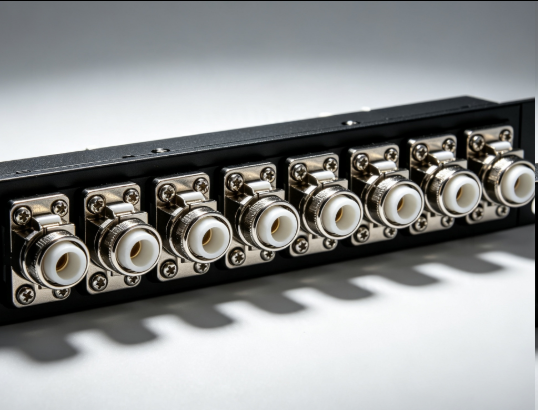
Flange Type Fixed Fiber Optic Adapter for Rack Panel
Sep 19, 2026955
-
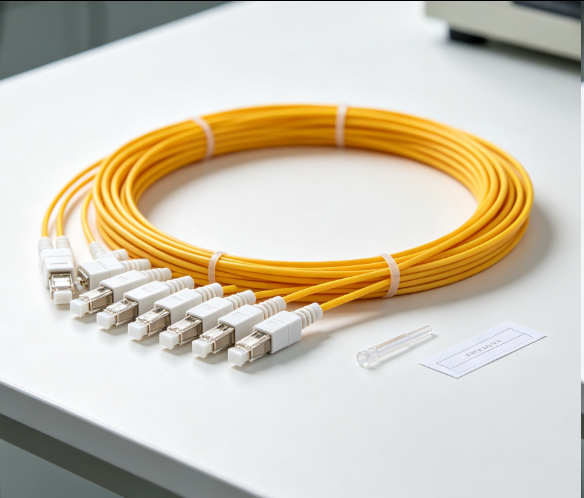
Fiber Pigtail 12 Cores SC UPC Single Mode
Sep 04, 2026930
-
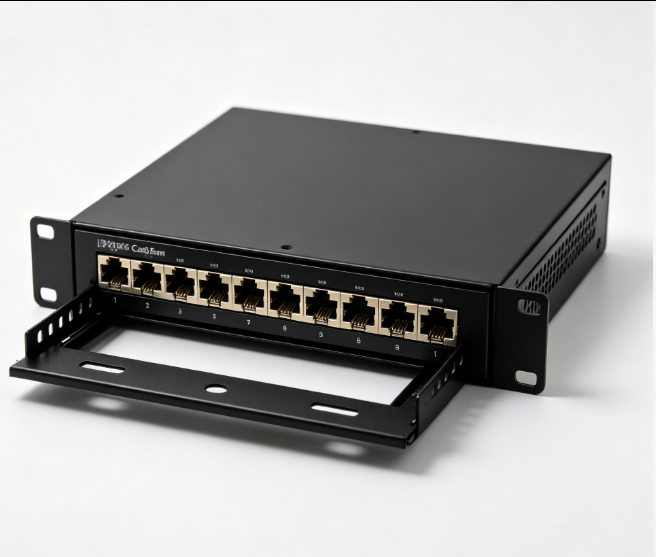
12 Port Cat6 Patch Panel Small Cabinet
Sep 12, 2026929
-
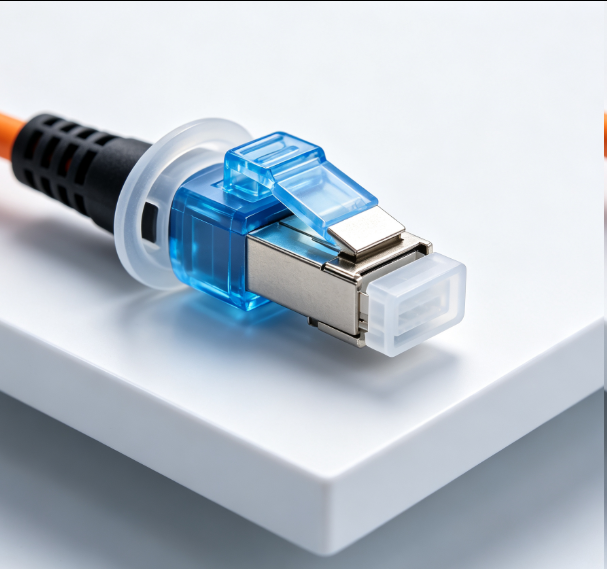
Dust Cap Equipped Fiber Patch Cable Protective
Sep 03, 2026929
-
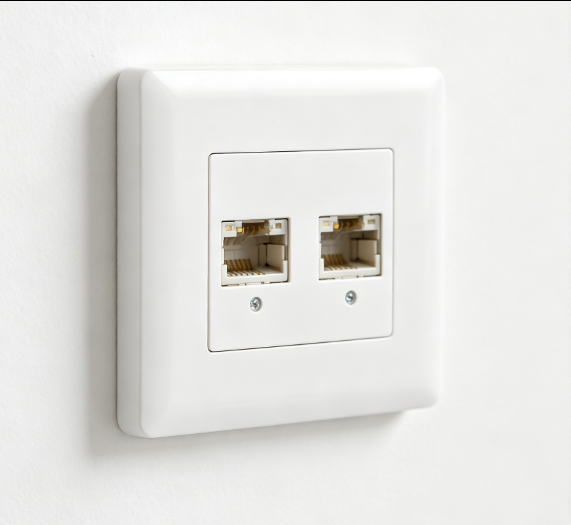
EU Standard Network Faceplate
Sep 11, 2026927