- Language
Network Patch Cord for Industrial Environment
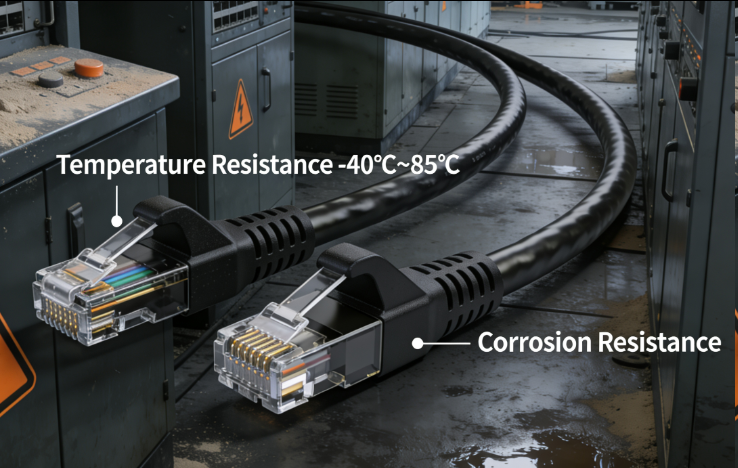
Industrial environments, such as oil refineries, mining sites, and chemical plants, present unique challenges for network patch cords, including dust, moisture, chemical exposure, and physical impact. Network patch cords designed for these environments are specifically engineered to withstand these harsh conditions, ensuring reliable data transmission in critical applications such as process control, asset monitoring, and safety systems. Their robust construction is the key to their ability to operate in such demanding settings.
Dust and moisture resistance are achieved through the use of sealed connectors and water-resistant jacket materials. Many industrial environment patch cords feature IP67 or higher ingress protection ratings, meaning they are completely dust-tight and can withstand temporary immersion in water. For chemical resistance, the jacket materials are often made from halogen-free, flame-retardant compounds that can resist exposure to oils, solvents, and other corrosive substances commonly found in industrial settings.
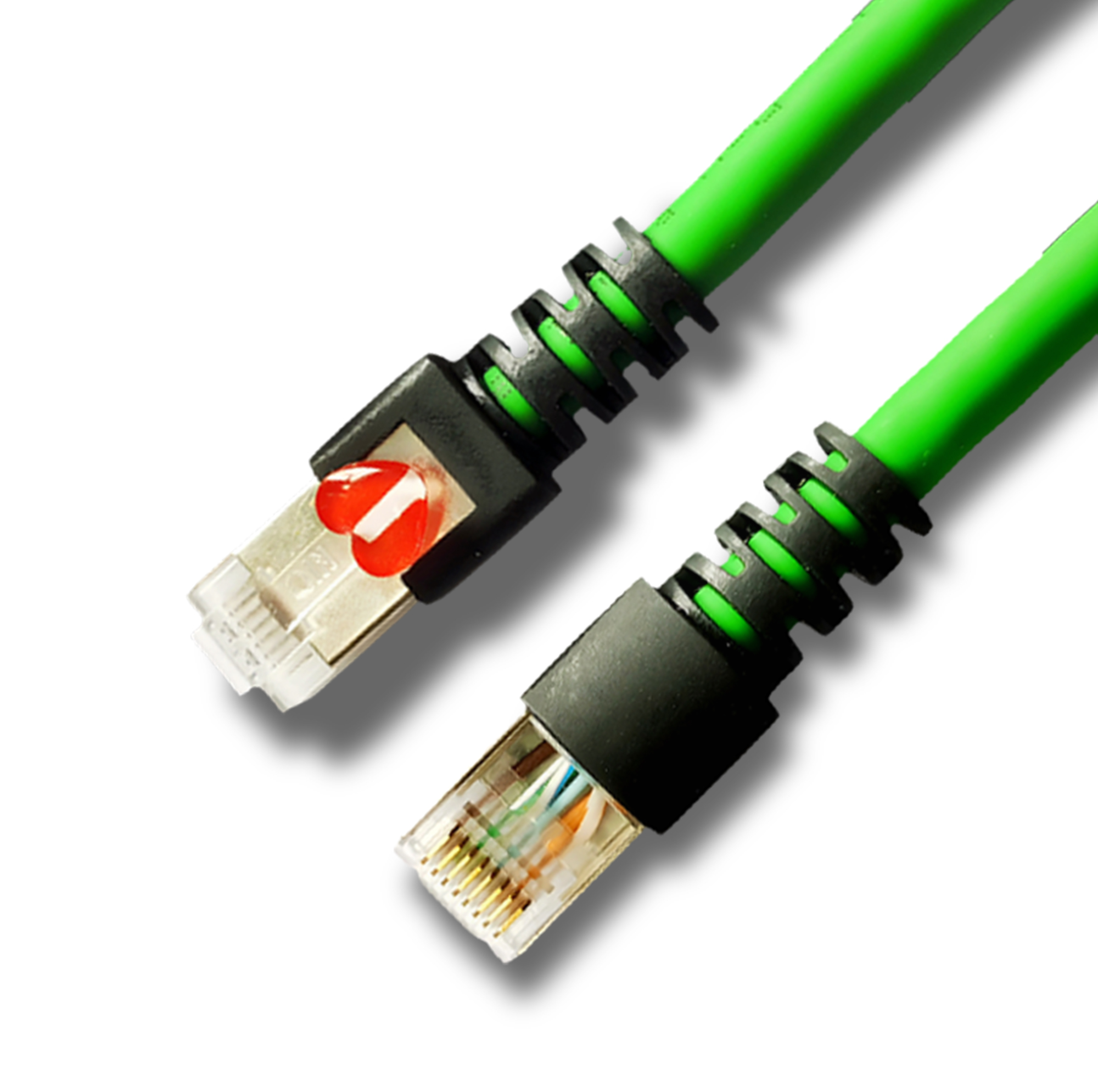
Physical durability is another important aspect. These patch cords are reinforced with materials like aramid fiber (Kevlar) to resist pulling and stretching, and their connectors are designed to be impact-resistant. Some models also feature strain relief boots that prevent the cable from breaking at the connector junction. By combining these features, network patch cords for industrial environments ensure reliable performance even in the most challenging conditions, helping to maintain the integrity of industrial networks and prevent costly downtime.
Read recommendations:
LEG 77118 Mosaic Socket French Std 2P+E Automatic Terminals Surface Red
-
-
-
-
-
-
-
-
-
-
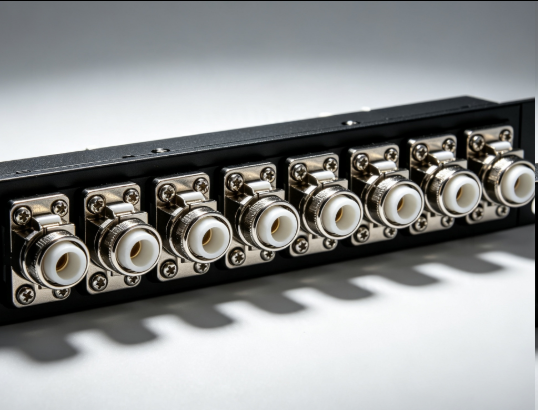
Flange Type Fixed Fiber Optic Adapter for Rack Panel
Sep 19, 2026955
-
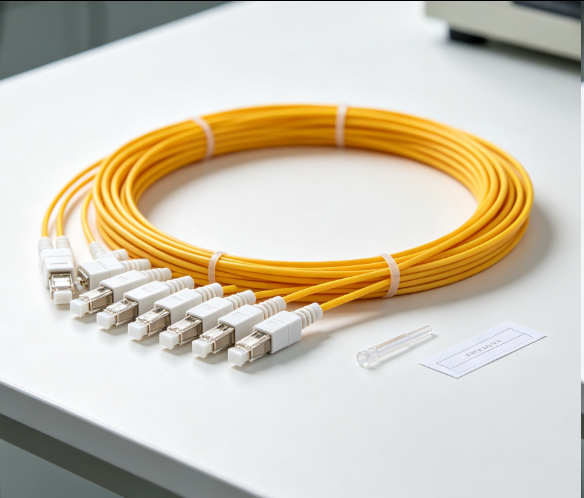
Fiber Pigtail 12 Cores SC UPC Single Mode
Sep 04, 2026930
-
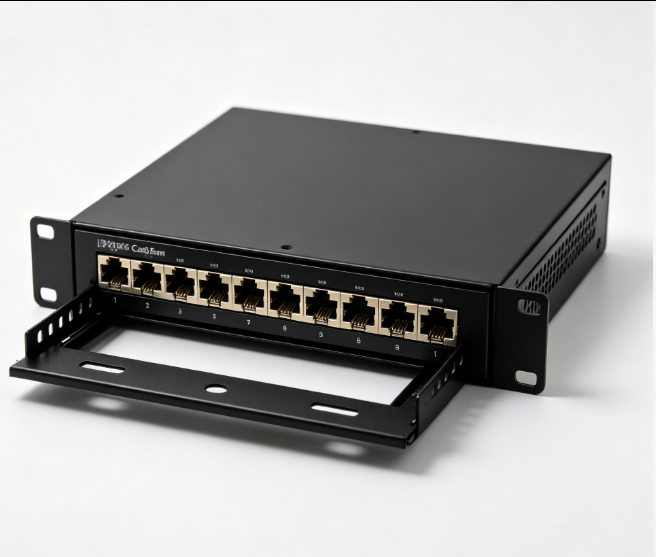
12 Port Cat6 Patch Panel Small Cabinet
Sep 12, 2026929
-
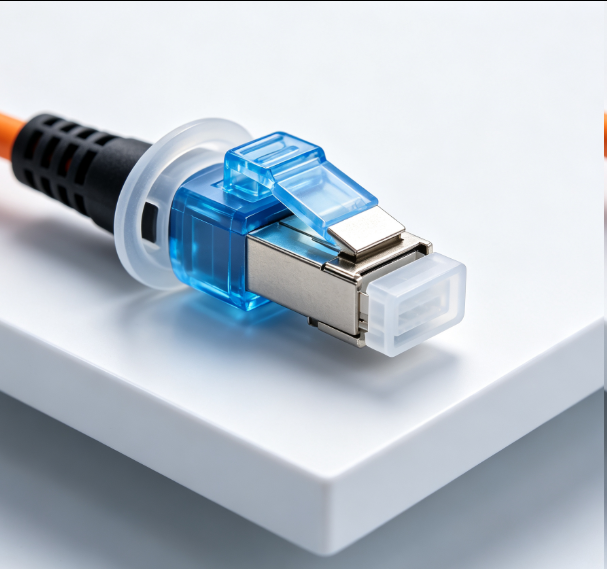
Dust Cap Equipped Fiber Patch Cable Protective
Sep 03, 2026929
-
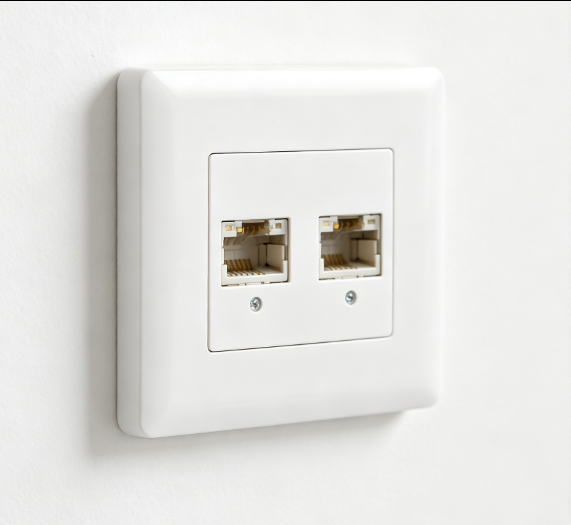
EU Standard Network Faceplate
Sep 11, 2026927