- Language
Network Rack 42U Mounting Rails

Mounting rails in a 42U network rack are essential components that play a pivotal role in the installation, organization, and stability of network equipment. Standing at 73.5 inches in height, a 42U rack is designed to house a diverse range of devices, and the mounting rails are the key elements that enable secure and flexible placement of these components within the rack.
Constructed from durable materials such as heavy - duty steel or high - quality aluminum, 42U network rack mounting rails are engineered to withstand the weight of various network devices. Steel rails, known for their exceptional strength, can support heavy - duty equipment like multiple high - performance servers, large - capacity storage arrays, and powerful network switches. The robust build of steel rails, often reinforced with additional structural elements, ensures that they can bear significant loads without bending or deforming over time. Aluminum mounting rails, on the other hand, offer a lightweight yet sturdy alternative. They are highly resistant to corrosion, making them suitable for environments where moisture or humidity may be a concern, and their lighter weight can also simplify the installation process in some cases.
One of the primary functions of 42U network rack mounting rails is to provide a standardized and adjustable framework for equipment installation. Most mounting rails feature a series of evenly spaced holes or slots that conform to the 19 - inch industry standard for rack - mountable equipment. This standardization allows for seamless integration of a wide variety of devices, from servers and switches to routers and patch panels. The adjustable nature of the rails is a significant advantage. They can be moved horizontally or vertically within the rack, enabling users to customize the placement of equipment according to specific requirements. For example, some devices may have different depth requirements, and the adjustable rails can be positioned to ensure a proper fit, preventing any part of the device from protruding beyond the rack and causing potential safety hazards or interference with other equipment.
The installation of mounting rails in a 42U rack is a precise process that requires careful attention to detail. Typically, the rails are attached to the sides of the rack using screws or bolts, and they need to be aligned accurately to ensure a level and stable installation. Once installed, the rails provide a secure surface on which equipment can be mounted using rack - mount screws or other appropriate hardware. This secure attachment is crucial for maintaining the stability of the rack, especially when housing heavy or vibration - prone devices. Loose or improperly installed rails can lead to instability, which may cause damage to the equipment, disrupt network operations, and even pose safety risks.
In addition to providing a mounting surface, 42U network rack mounting rails also contribute to the overall cable management within the rack. Many rails are designed with cable management features, such as integrated cable clips or channels. These features allow cables to be neatly routed and secured along the rails, preventing them from hanging loose or getting tangled. By organizing the cables in this way, it becomes easier to identify and manage individual connections, reducing the risk of signal interference and improving the overall aesthetics and maintainability of the rack. Overall, the mounting rails in a 42U network rack are indispensable components that ensure the secure, flexible, and organized installation of network equipment, contributing to the reliable operation of the entire network infrastructure.
Read recommendations:
LEG 77272 Multi-support Double Socket Mosaic - 2 x 2P+E Automatic Terminals German Standard Red
Graffiti WiFi Circuit Breaker RMDZT-1PNL 63A (DJ)
-
-
-
-
-
-
-
-
-
-
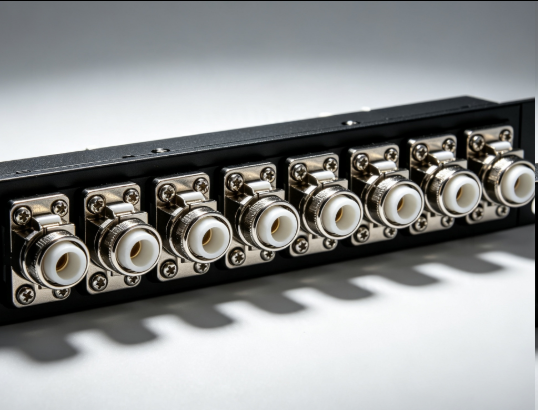
Flange Type Fixed Fiber Optic Adapter for Rack Panel
Sep 19, 2026955
-
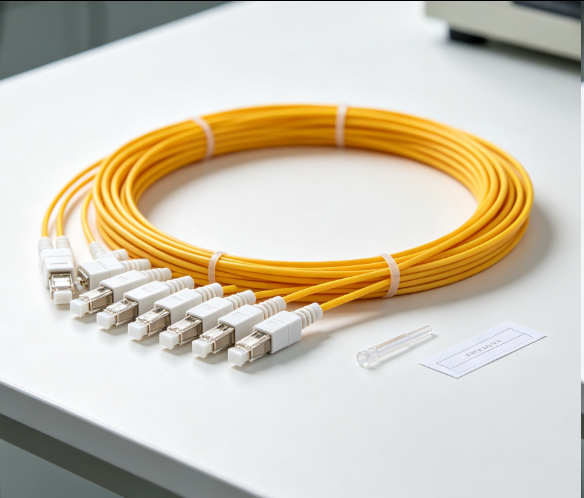
Fiber Pigtail 12 Cores SC UPC Single Mode
Sep 04, 2026930
-
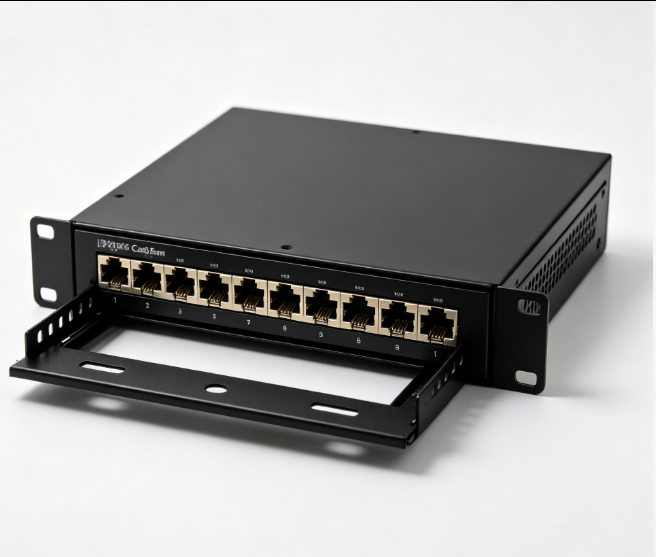
12 Port Cat6 Patch Panel Small Cabinet
Sep 12, 2026929
-
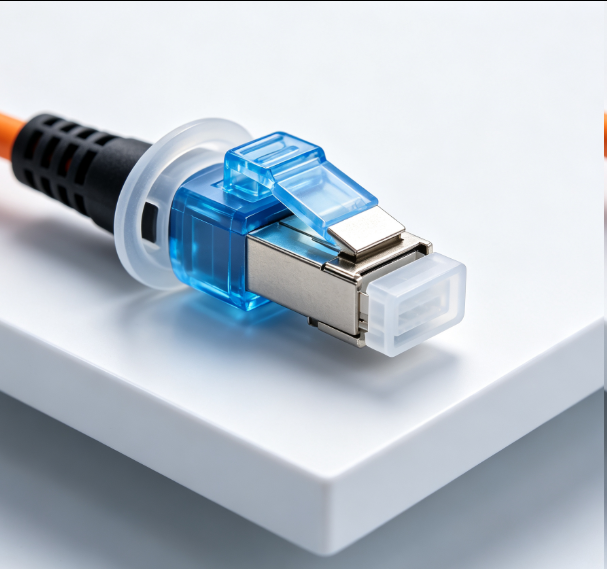
Dust Cap Equipped Fiber Patch Cable Protective
Sep 03, 2026929
-
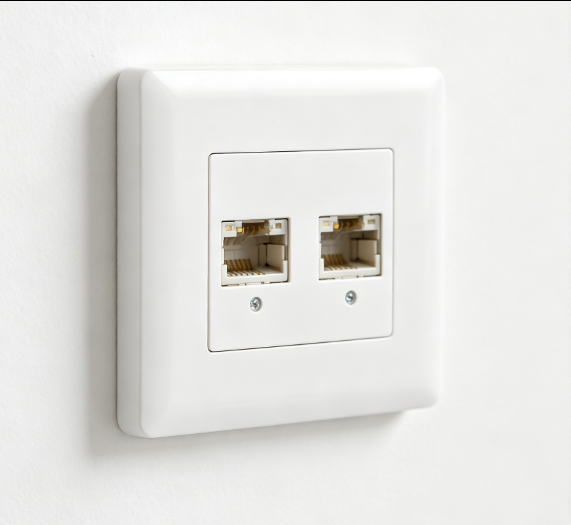
EU Standard Network Faceplate
Sep 11, 2026927