- Language
RJ45 Cable Tester Continuity Check
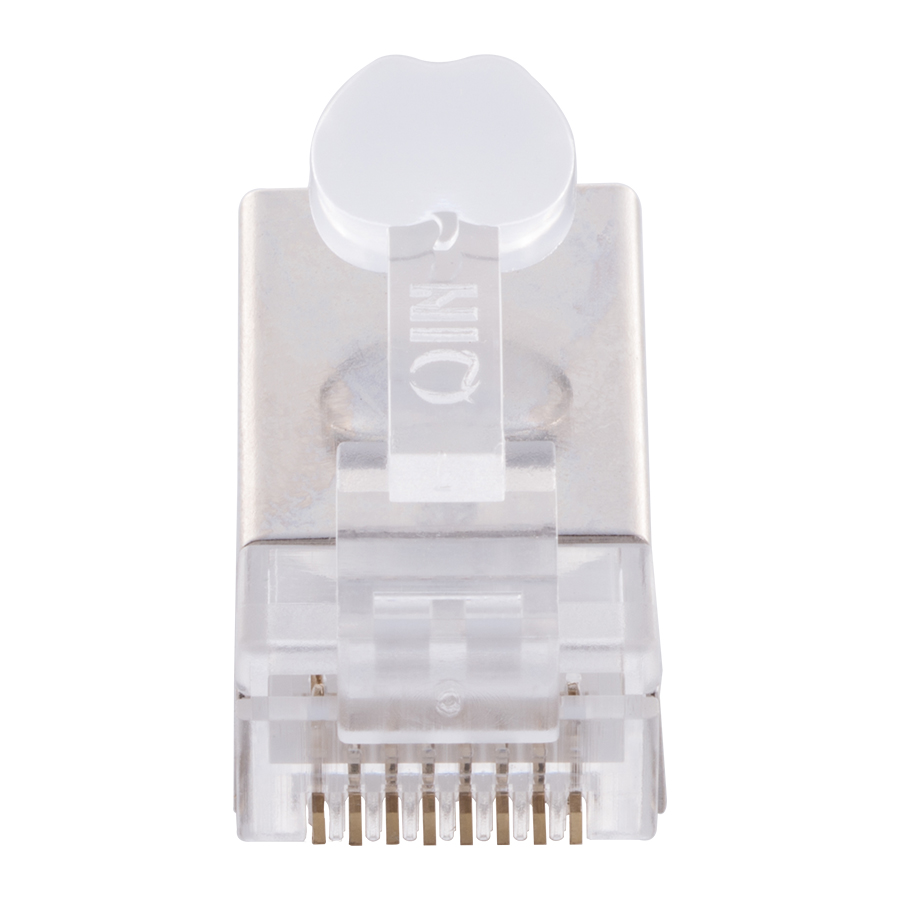
Performing a continuity check with an RJ45 cable tester is a fundamental and essential process in network cable testing, crucial for ensuring the integrity and reliability of Ethernet connections. Continuity refers to the unbroken electrical path within a cable, and a continuity check determines whether all the wires in an RJ45 - terminated Ethernet cable are properly connected from one end to the other without any breaks or interruptions.
When using an RJ45 cable tester for a continuity check, the process typically begins with preparing the cable. The cable should be terminated with RJ45 connectors at both ends, following either the T568A or T568B wiring standard. Once the cable is ready, one end is connected to the main unit of the cable tester, and the other end is connected to the remote unit (if the tester has a dual - unit design). If it's a single - unit tester, the cable is simply connected to the appropriate ports on the tester.
After the cable is connected, the tester is powered on, and the continuity testing mode is selected. In this mode, the tester sends electrical signals through each wire of the cable. If a wire has continuity, the signal will travel through the wire and reach the other end of the cable, where the tester will detect it. The tester then provides an indication of the continuity status for each wire. This indication can be in the form of LED lights, where a lit LED represents a wire with continuity, or an LCD screen display that shows "Pass" for wires with proper connections and "Fail" for those with issues. For example, if an LED corresponding to pin 3 of the RJ45 connector remains unlit during the test, it indicates that there is a break or open circuit in the wire connected to that pin.
A continuity check is not only useful for identifying obvious cable breaks but also for detecting loose connections or poor terminations. Even if a wire is not completely severed, a loose connection at the RJ45 connector can cause a lack of continuity, leading to intermittent network connectivity issues. By performing a continuity check, technicians can quickly pinpoint these problem areas and take corrective actions, such as re - crimping the connector or replacing the cable if necessary.
In more complex network installations, where multiple cables are used, a continuity check helps in ensuring that each cable is functioning correctly before it is integrated into the network. This is especially important in data centers, where a large number of cables are connected to servers, switches, and other network devices. A faulty cable with a lack of continuity can disrupt the entire network, causing data transfer errors or even complete network outages. By conducting thorough continuity checks using an RJ45 cable tester, network technicians can prevent such issues and maintain the smooth operation of the network infrastructure. Overall, the continuity check is a vital step in the cable testing process, providing a quick and effective way to verify the integrity of Ethernet cables.
Read recommendations:
Cat6a Keystone RJ45 Shielded Coupler Female to Female SFTP Inline Insert Telecom Parts
LEG 77010 French Type Mosaic Energy Saving Switch 1 Way Switch 10AX (2 modules) White
Smart Switch Outlet 1 Gang with Wireless APP Remote Control Compatible with Legrand Faceplate
-
-
-
-
-
-
-
-
-
-
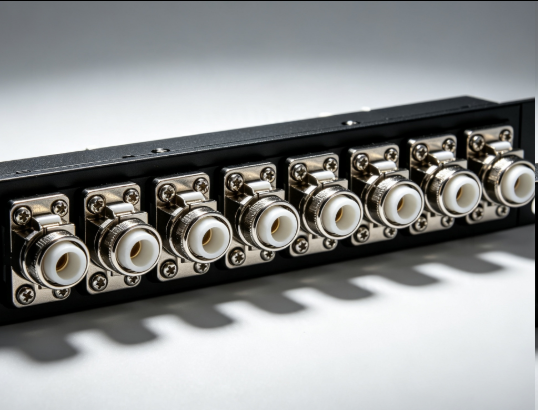
Flange Type Fixed Fiber Optic Adapter for Rack Panel
Sep 19, 2026955
-
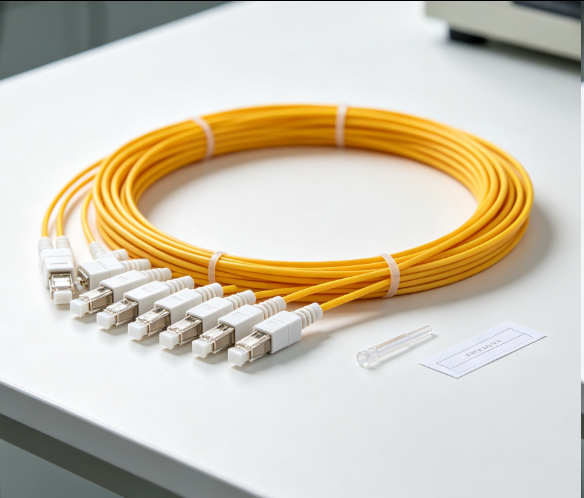
Fiber Pigtail 12 Cores SC UPC Single Mode
Sep 04, 2026930
-
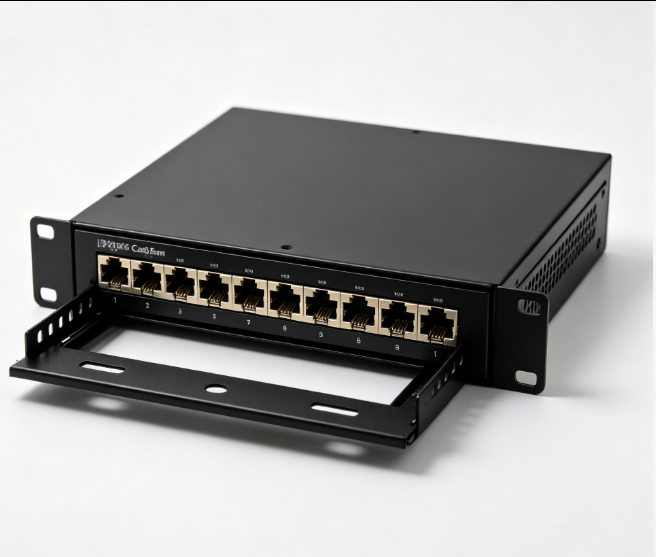
12 Port Cat6 Patch Panel Small Cabinet
Sep 12, 2026929
-
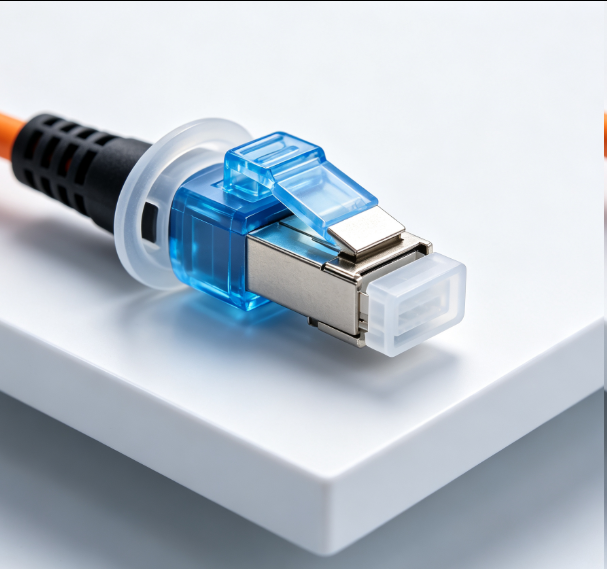
Dust Cap Equipped Fiber Patch Cable Protective
Sep 03, 2026929
-
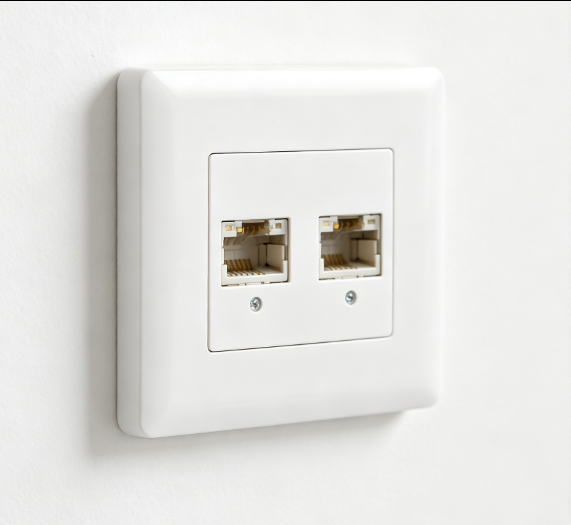
EU Standard Network Faceplate
Sep 11, 2026927