- Language
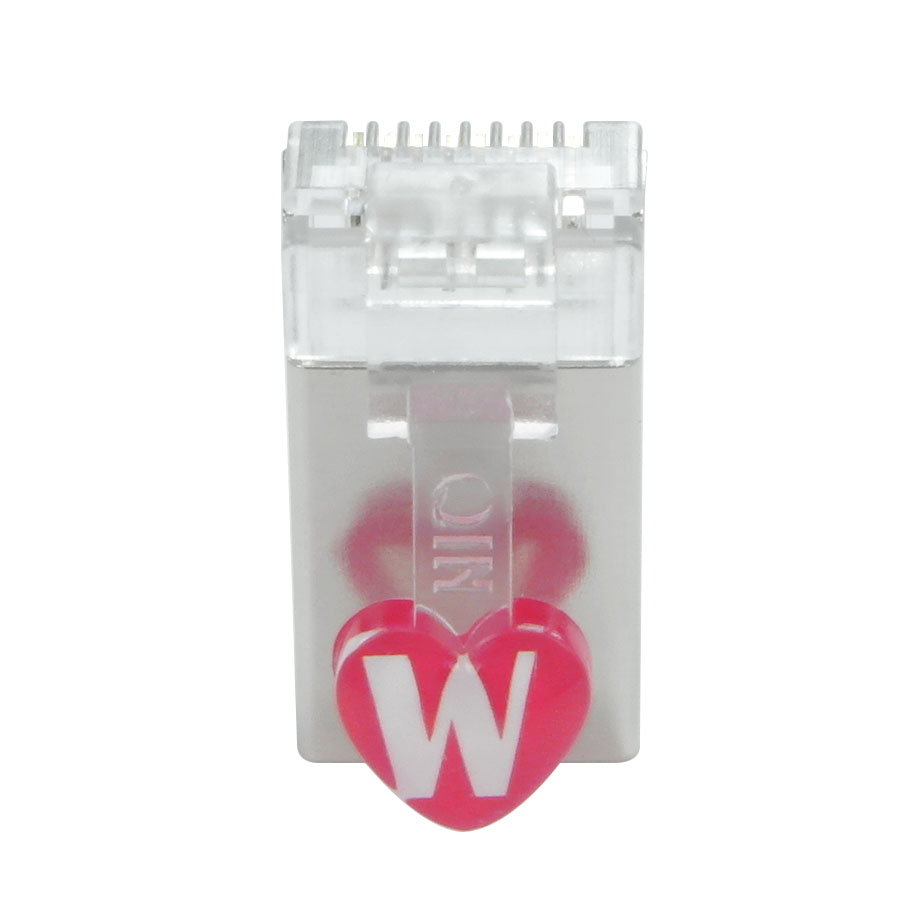
RJ45 Connector Color Coding
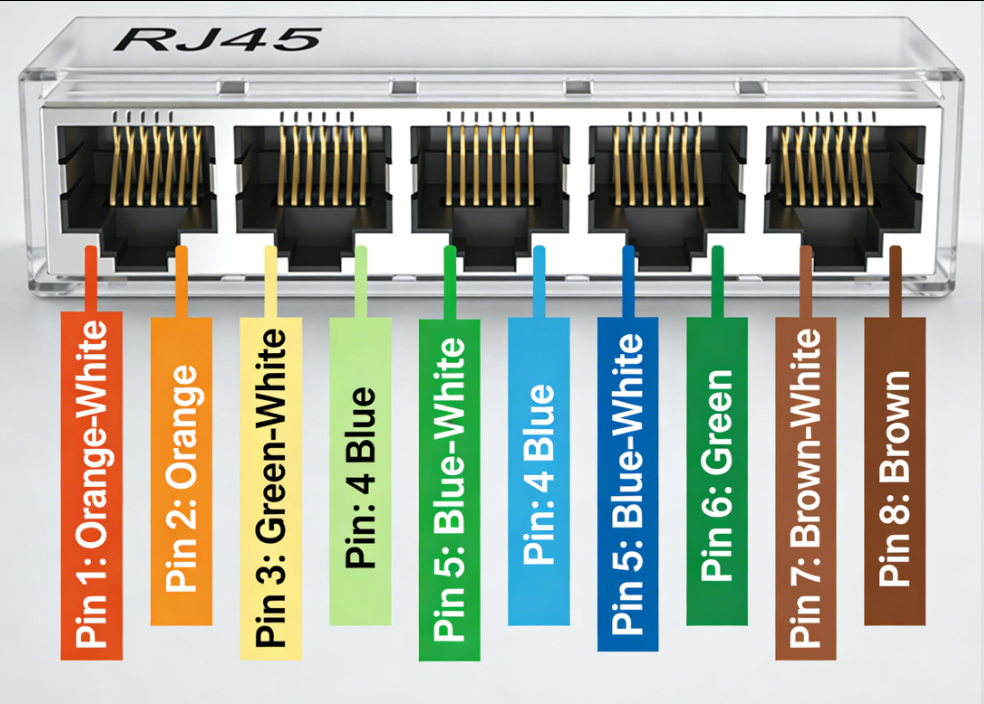
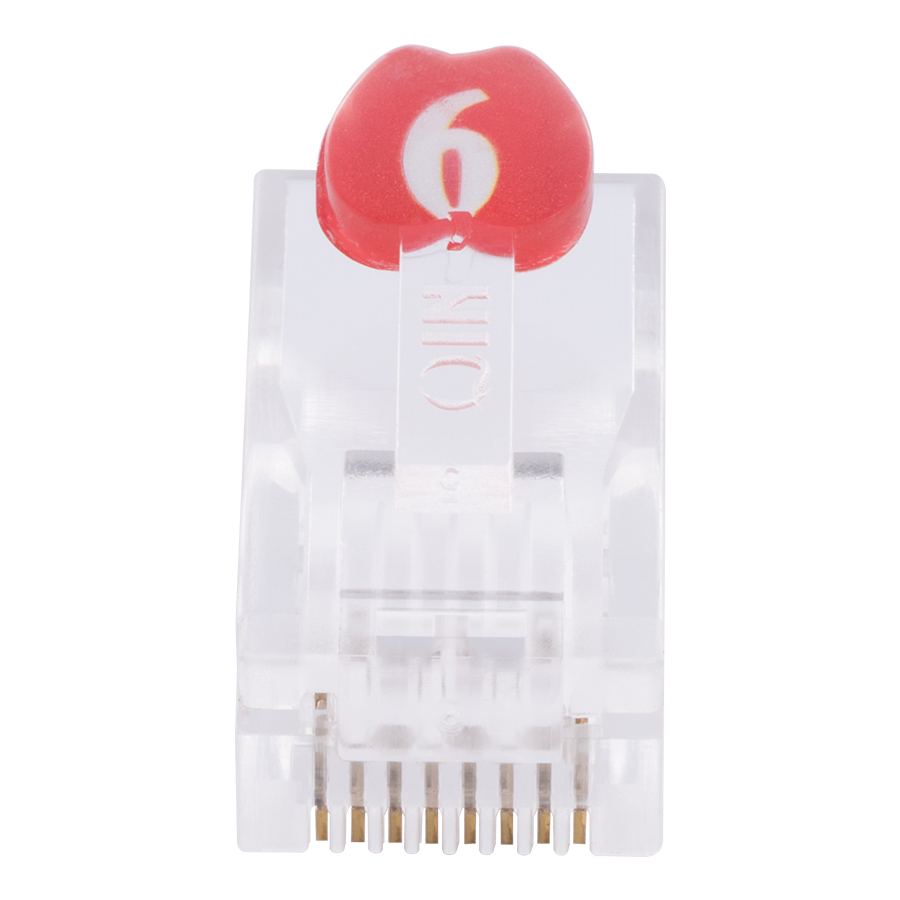
Color coding in RJ45 connectors is a standardized and essential practice in Ethernet networking that serves multiple crucial functions, primarily focusing on cable identification, management, and ensuring proper connections. This system of color - coding helps technicians, installers, and network administrators quickly distinguish between different types of cables, their functions, and the correct wiring configurations, reducing the likelihood of errors and streamlining network installation and maintenance processes.
Each wire within an Ethernet cable connected to an RJ45 connector is typically color - coded, and these colors follow specific standards. In the most common wiring standards, T568A and T568B, there are four pairs of wires, each pair having a solid - colored wire and a striped wire. For example, one pair consists of an orange wire and a white - orange wire, another pair has a green wire and a white - green wire, the third pair includes a blue wire and a white - blue wire, and the last pair comprises a brown wire and a white - brown wire. The consistent use of these colors across different cables and connectors allows for easy identification of the wire order and proper termination.
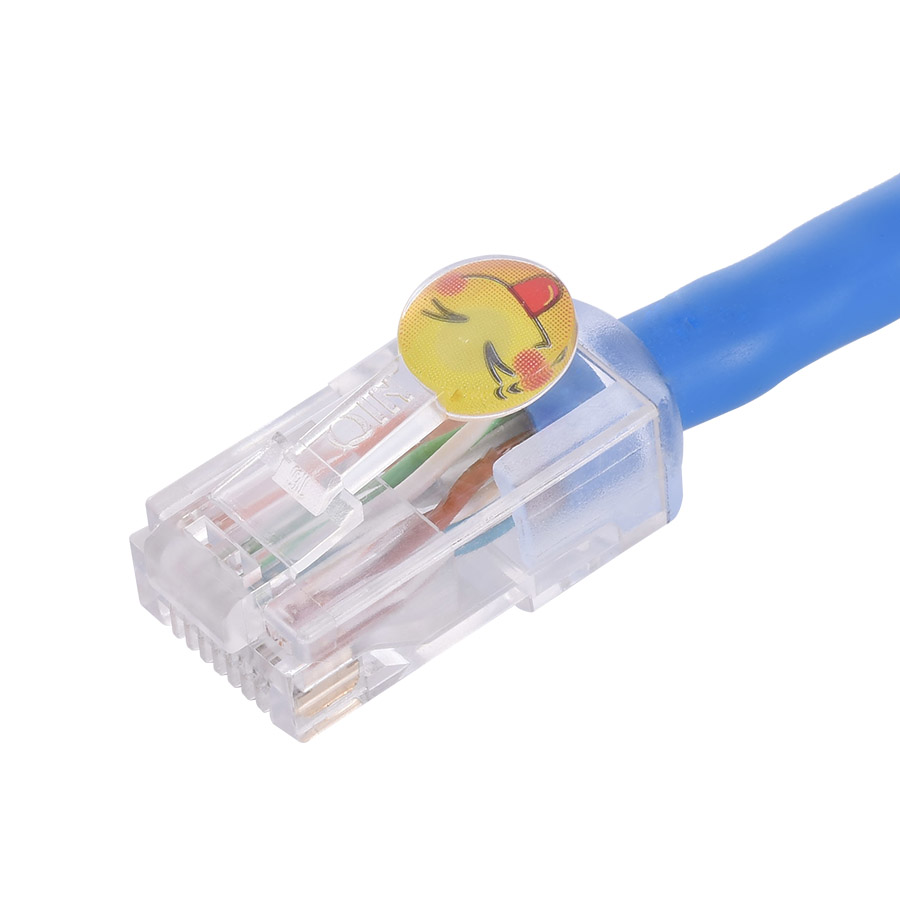
Color coding is also used to differentiate between various types of Ethernet cables, such as Cat5e, Cat6, Cat6A, and Cat7. While the internal wire color - coding for the pins remains relatively consistent across these categories to maintain compatibility with the T568A and T568B standards, the outer jacket of the cables may be color - coded differently. For instance, Cat5e cables might commonly have a blue outer jacket, while Cat6 cables could be identified by a gray jacket. This external color - coding helps in quickly recognizing the cable category and its associated performance capabilities, ensuring that the appropriate cable is used for specific networking requirements. For example, in a data center where high - speed data transfer is essential, identifying Cat6A or Cat7 cables by their distinct outer jacket colors allows technicians to ensure that the network infrastructure can support the required bandwidth.
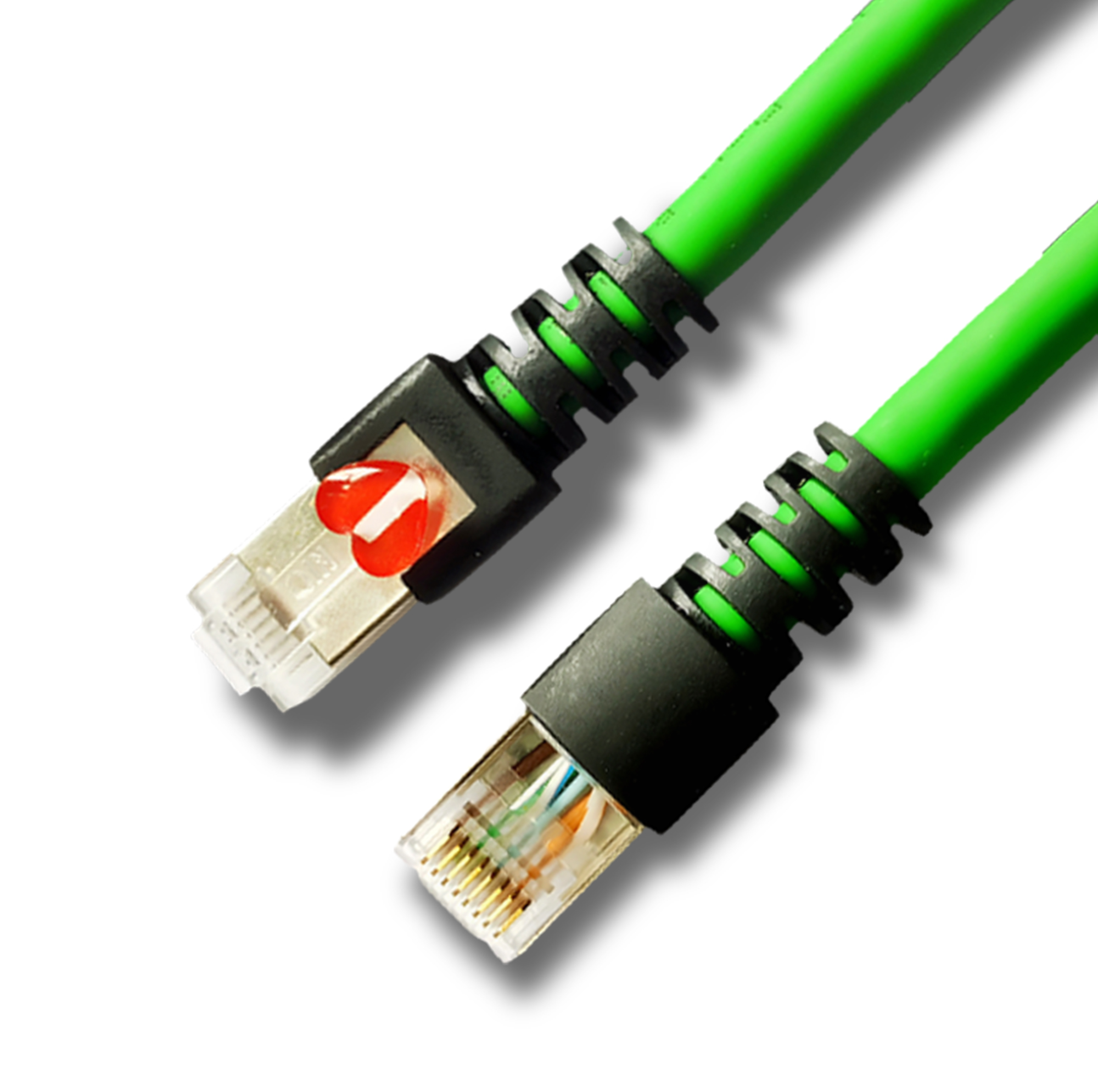
In addition to cable identification, color coding plays a significant role in cable management. In large - scale network installations with numerous cables, organizing them by color can create a more structured and orderly cabling environment. For example, in a server room, cables used for data connections can be color - coded one way, while those for voice connections can be a different color. This makes it easier to route the cables, label them, and troubleshoot any issues that may arise. When a network problem occurs, technicians can quickly identify the relevant cables based on their color - coding, reducing the time spent on diagnosing and resolving the issue. Overall, color coding in RJ45 connectors is a fundamental aspect of Ethernet networking that enhances cable identification, management, and the overall reliability of network installations.
Read recommendations:
LEG 77210 Multi-support Single Socket Mosaic German Std - 2P+E w/o Shutters with Screw White
Smart Switch Outlet 1 Gang with Wireless APP Remote Control Compatible with Legrand Faceplate
-
-
-
-
-
-
-

-
-
-
Flange Type Fixed Fiber Optic Adapter for Rack Panel
Sep 19, 2026955
-
Fiber Pigtail 12 Cores SC UPC Single Mode
Sep 04, 2026930
-
12 Port Cat6 Patch Panel Small Cabinet
Sep 12, 2026929
-
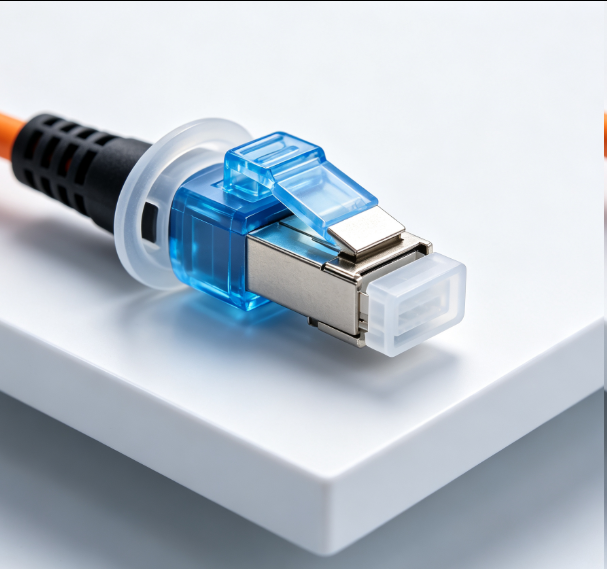
Dust Cap Equipped Fiber Patch Cable Protective
Sep 03, 2026929
-
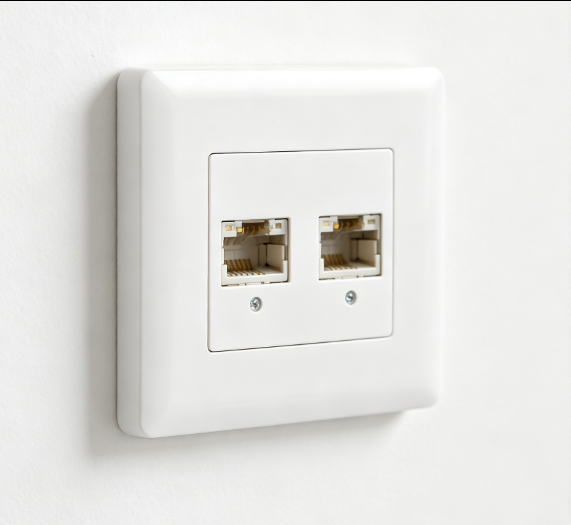
EU Standard Network Faceplate
Sep 11, 2026927