- Language
Unshielded Cat5e (Category 5 Enhanced) Network Patch Cord
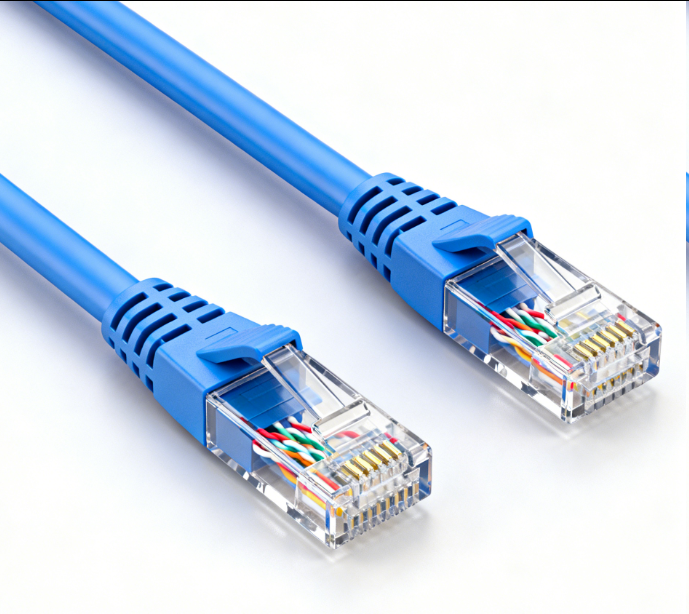
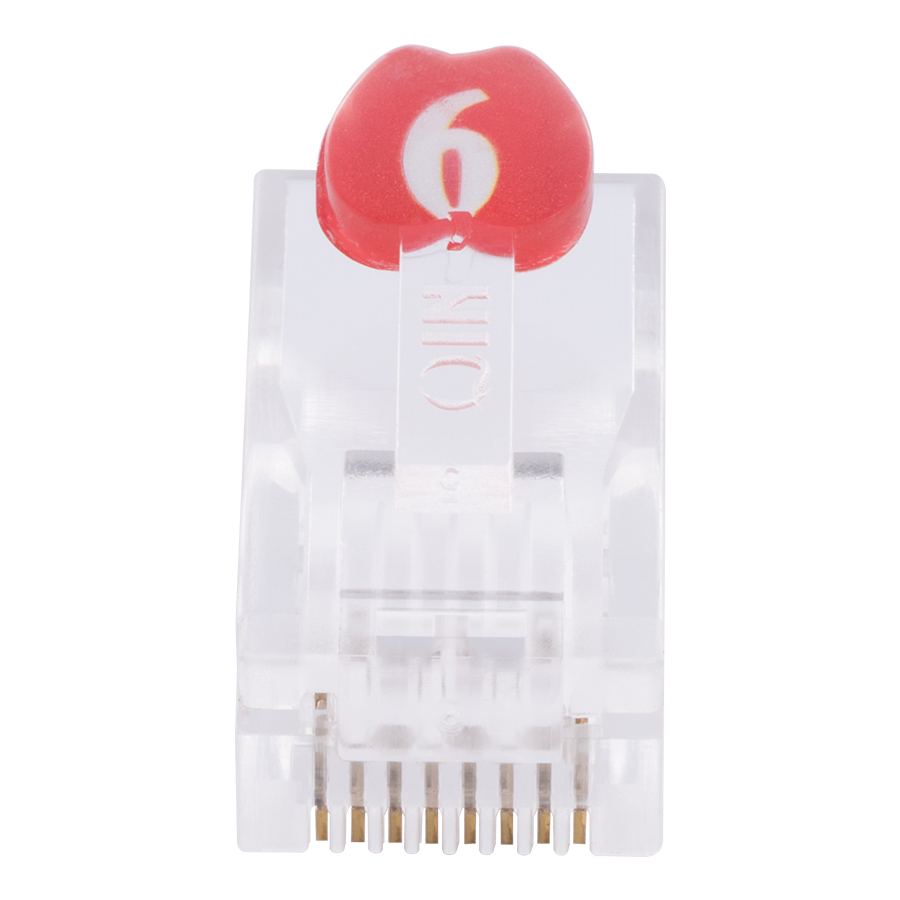
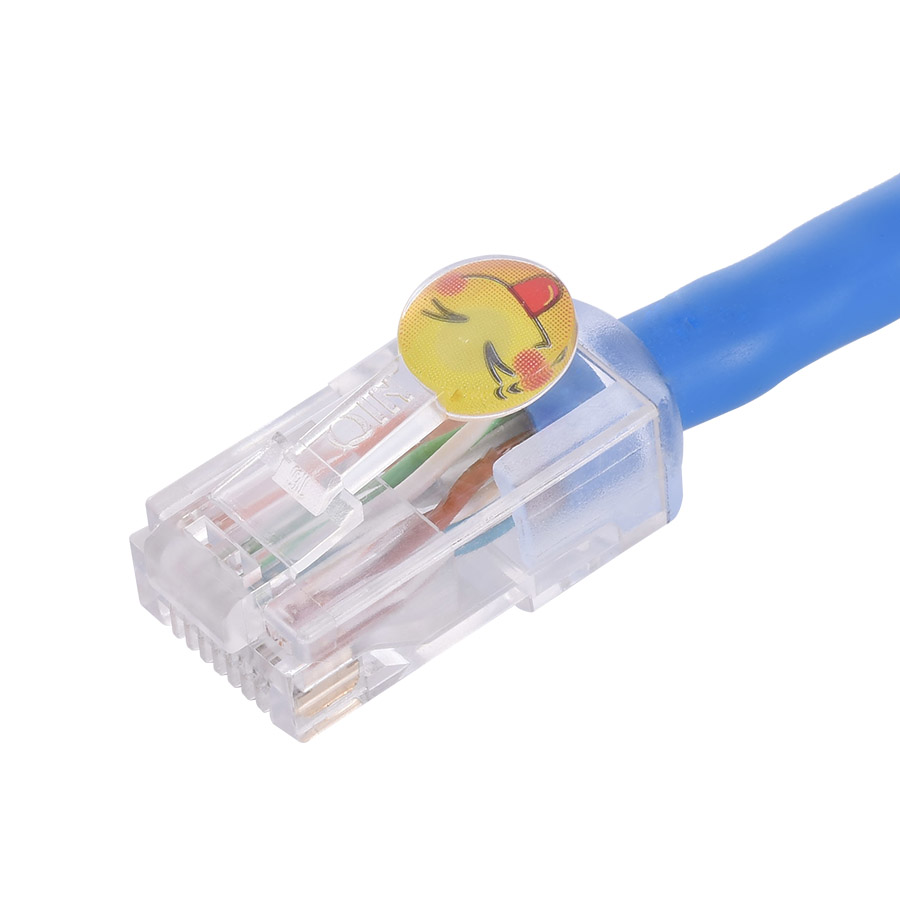
Unshielded Cat5e network patch cords are one of the most widely used Ethernet cabling solutions, offering a cost-effective balance of performance and compatibility for residential, small business, and non-critical enterprise applications. The “enhanced” designation (Cat5e) builds on the original Cat5 standard, improving crosstalk reduction and signal integrity to support Gigabit Ethernet (1 Gbps) over distances up to 100 meters—double the 500 Mbps limit of Cat5. As an unshielded cord, Cat5e lacks metallic shielding layers, relying instead on the twisted pair design of its four internal copper wire pairs to minimize electromagnetic interference (EMI) and crosstalk.
The structure of an unshielded Cat5e cord is simple yet effective: four twisted wire pairs (each with color-coded insulation for easy termination), an outer jacket (typically PVC for residential use or LSZH for commercial settings where fire safety is a concern), and no additional shielding. The twists in the wire pairs are crucial—they ensure that each wire in a pair is equally exposed to external EMI, causing the interference to cancel out at the receiving end. While this design works well in low-interference environments, unshielded Cat5e is more vulnerable to EMI from sources like power cables, fluorescent lights, and household appliances than shielded alternatives.
Unshielded Cat5e cords are ideal for home networks (connecting routers to computers, smart TVs, and gaming consoles), small offices (linking workstations to switches), and retail environments (POS systems, security cameras) where EMI levels are low and Gigabit speeds are sufficient. Their main advantages include low cost (significantly cheaper than Cat6 or Cat7), high flexibility (easy to bend and route through walls, ceilings, and tight spaces), and broad compatibility with all Ethernet devices (from older 10/100 Mbps switches to modern Gigabit routers).
When installing unshielded Cat5e cords, it is important to avoid running them parallel to power cables (especially high-voltage ones) or in areas with heavy electrical interference to prevent signal degradation. While Cat5e cannot support speeds beyond 1 Gbps or distances over 100 meters, it remains a popular choice for applications where high performance is not a priority. For example, a home user streaming 4K video or a small business using cloud-based software will find unshielded Cat5e more than adequate, as it provides reliable connectivity at a fraction of the cost of higher-category cords.
Read recommendations:
EU standard 16A 20A smart plug
-
-
-
-
-
-
-
-
-
-
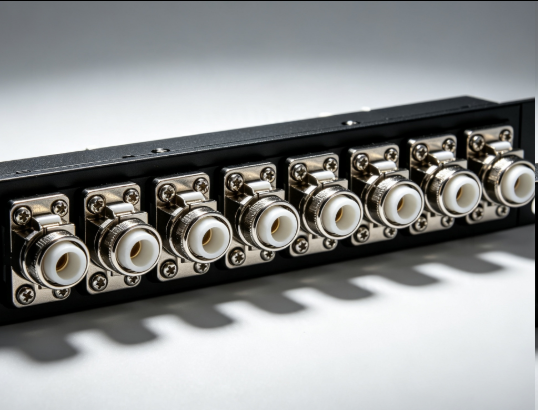
Flange Type Fixed Fiber Optic Adapter for Rack Panel
Sep 19, 2026956
-
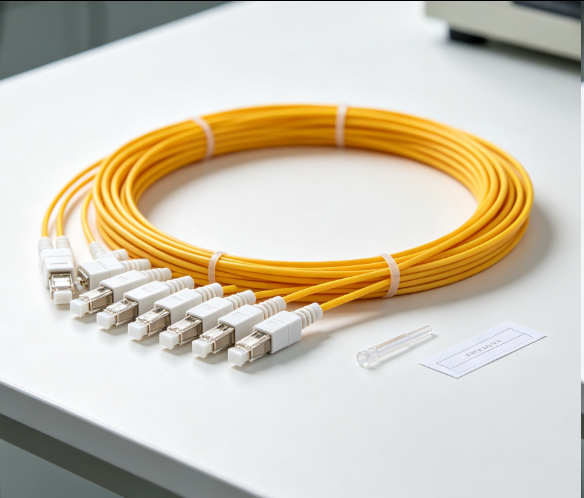
Fiber Pigtail 12 Cores SC UPC Single Mode
Sep 04, 2026930
-
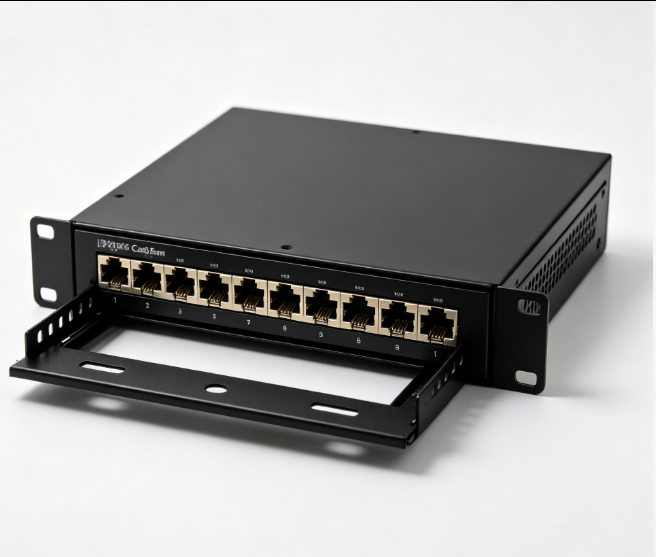
12 Port Cat6 Patch Panel Small Cabinet
Sep 12, 2026929
-
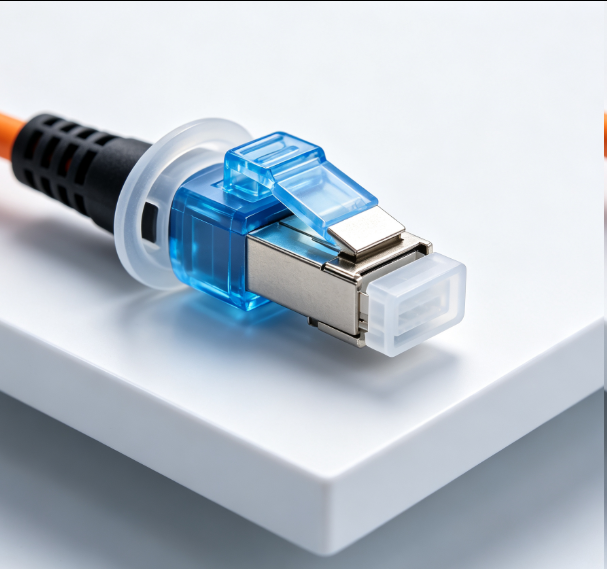
Dust Cap Equipped Fiber Patch Cable Protective
Sep 03, 2026929
-
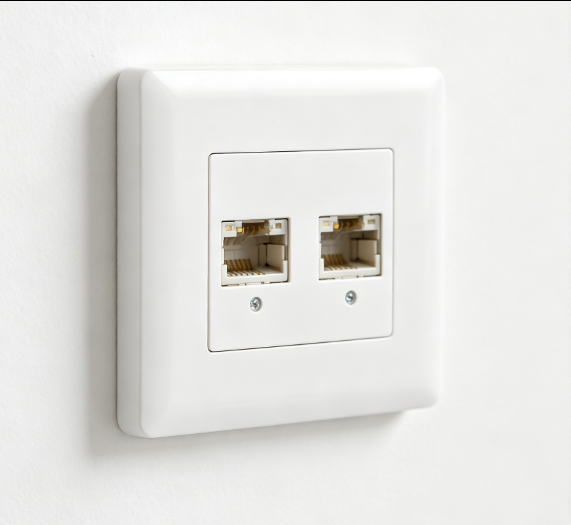
EU Standard Network Faceplate
Sep 11, 2026927