- Language
48-Port Network Patch Panel
A 48-port network patch panel is a fundamental component in structured cabling systems, designed to organize, manage, and connect multiple network cables in a centralized location. It serves as a critical junction point between network devices such as switches, routers, servers, and end-user workstations, simplifying cable management and reducing the risk of disconnections or signal interference. Typically designed for rack-mounted installation, most 48-port patch panels fit into a 2U space within a standard 19-inch EIA-compliant rack, making efficient use of limited server room or data center space. This compact design ensures that even with 48 individual ports, the panel does not occupy excessive rack space, allowing for the integration of other essential network equipment.
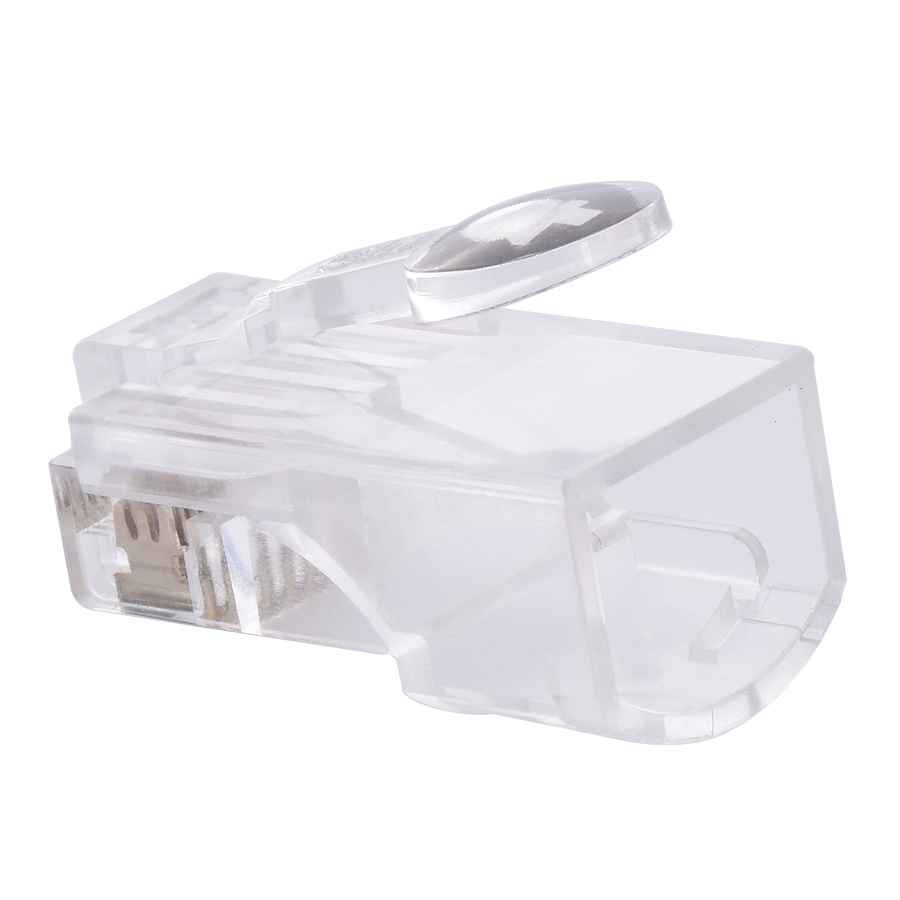
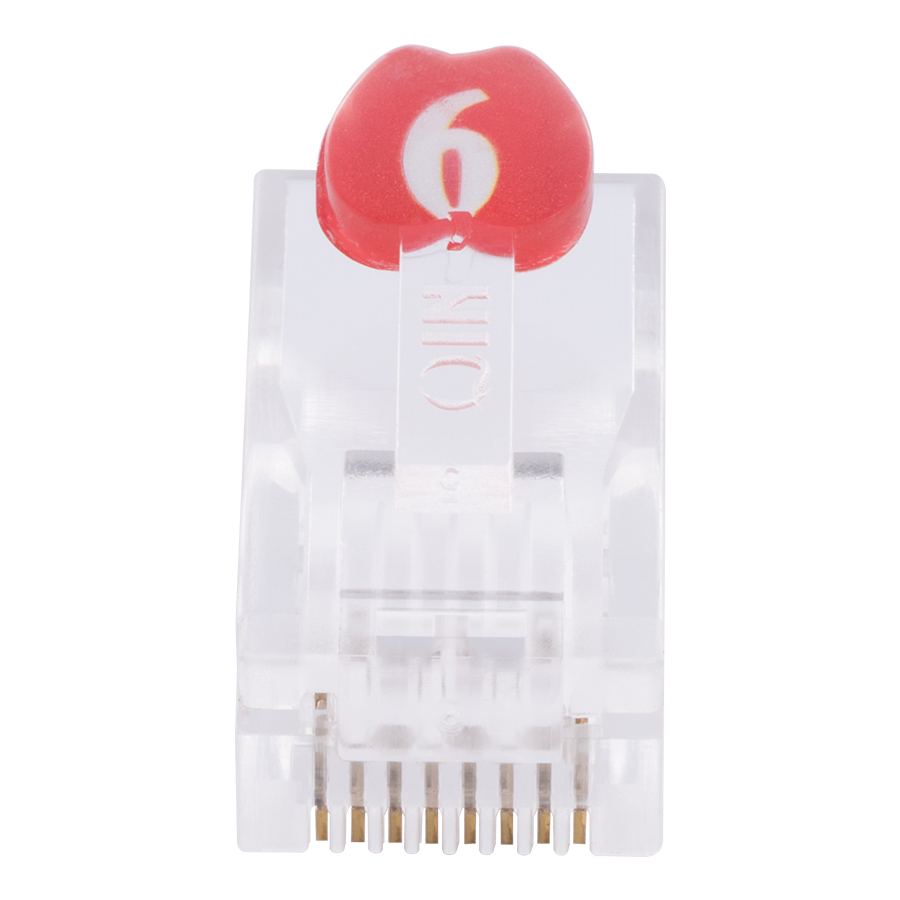
The 48-port configuration is ideal for medium to large-scale networks, such as those found in corporate offices, educational institutions, and small data centers, where a moderate number of connections are required. Each port on the panel is clearly numbered and often color-coded to correspond with standard wiring schemes, such as T568A and T568B, facilitating quick identification and easy patching. The rear of the panel features 110 or Krone punch-down terminals, which allow for secure termination of solid or stranded copper cables, while the front ports are RJ45 connectors that accept patch cords for connecting to network devices. Many 48-port patch panels also support Power over Ethernet (PoE) applications, including PoE++, which enables the delivery of power and data over a single cable to devices like IP cameras, VoIP phones, and wireless access points without the need for separate power supplies.
In addition to organization and connectivity, 48-port patch panels are built for durability and performance. Constructed from high-quality materials such as 16-gauge cold-rolled steel or SPCC with a powder-coated finish, they offer robust protection against physical damage and electromagnetic interference (EMI). The ports are often equipped with gold-plated contacts to ensure reliable signal transmission and reduce corrosion, supporting data transfer speeds up to 10 Gbps depending on the cable category used. Many models are also compliant with industry standards such as TAA (Trade Agreements Act) and UL certifications, ensuring they meet strict quality and safety requirements. Whether for routine network maintenance, equipment upgrades, or troubleshooting, the 48-port network patch panel provides a flexible and efficient solution for managing complex cabling systems.
-
-
-
-
-
-
-
-
-
-

Media Converter Network Patch Cord
Jun 27, 2026904
-
Network Cable Bandwidth Capacity
Jul 06, 2026895
-
UY2 Connector for Telephone Wire
Jul 08, 2026892
-
Wall-mounted Network Cabinet
Jun 30, 2026878
-
Four-Port Network Faceplate
Jul 03, 2026875