- Language
Aerial Optical Fiber Cables
Aerial optical fiber cables are installed above ground, suspended from utility poles, towers, or other overhead structures, making them a practical choice for areas where underground installation is not feasible—such as across rivers, valleys, mountainous regions, or densely populated urban areas with existing overhead utility infrastructure. These cables are designed to withstand exposure to harsh outdoor elements, including strong winds, rain, snow, ice, UV radiation, and temperature extremes, while maintaining reliable signal transmission over long distances. They are widely used in both urban and rural networks, providing connectivity between cities, towns, and remote communities.
The structure of aerial optical fiber cables is optimized for overhead use, prioritizing tensile strength and weather resistance. The core components include optical fibers, buffer coatings, water-blocking layers, and a strong central strength member—usually a steel or aluminum rod—that supports the weight of the cable and resists stretching from wind and ice loads. The outer sheath is made of UV-resistant materials, such as HDPE, to protect against sun damage. Some aerial cables also feature a messenger wire, a separate steel or aluminum wire attached to the cable, which provides additional support and simplifies installation by allowing the cable to be suspended from poles without putting excessive stress on the fiber core.
Installation of aerial optical fiber cables involves attaching the cable to existing utility poles using brackets, clamps, or hangers. The cable is tensioned carefully to ensure it hangs evenly and does not sag excessively, which could lead to damage from wind or ice. Aerial cables are available in various configurations, including self-supporting (which have their own strength members) and lashed (which are attached to a separate messenger wire). They are commonly used for long-haul and metropolitan area networks (MANs), as well as for connecting remote areas where underground trenching is too costly or environmentally disruptive. Additionally, aerial cables can be installed quickly, making them a preferred choice for emergency network repairs or temporary connectivity solutions.
-
-
-
-
-
-
-
-
-
-
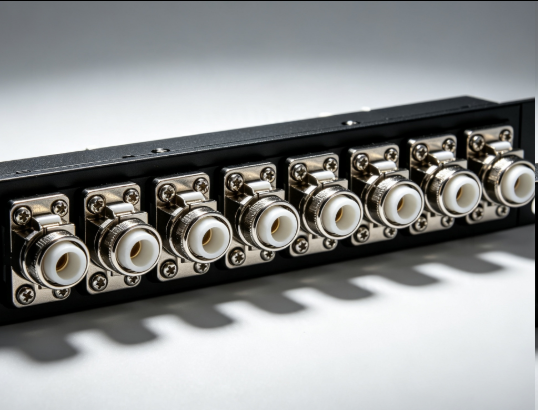
Flange Type Fixed Fiber Optic Adapter for Rack Panel
Sep 19, 2026956
-
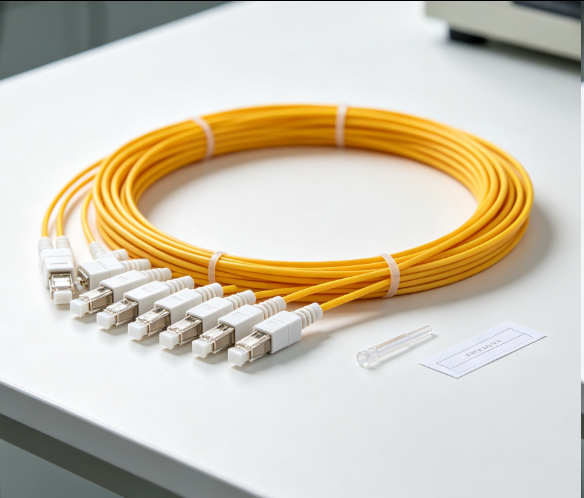
Fiber Pigtail 12 Cores SC UPC Single Mode
Sep 04, 2026930
-
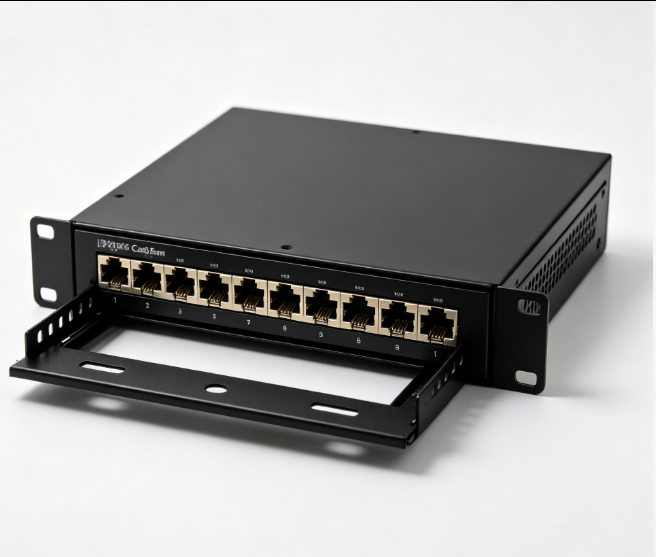
12 Port Cat6 Patch Panel Small Cabinet
Sep 12, 2026929
-
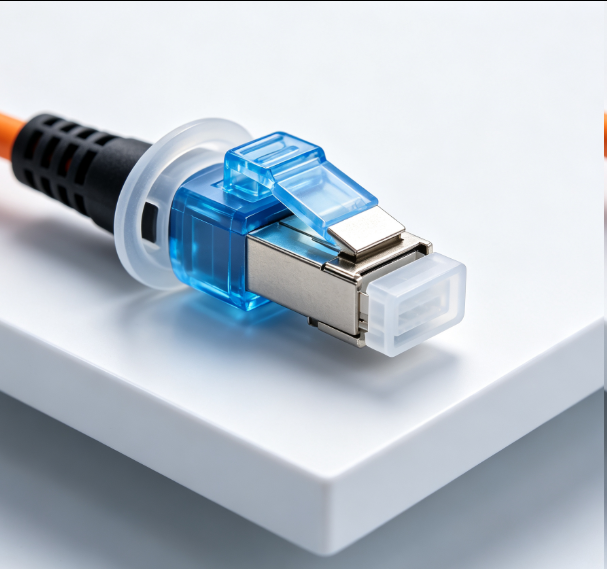
Dust Cap Equipped Fiber Patch Cable Protective
Sep 03, 2026929
-
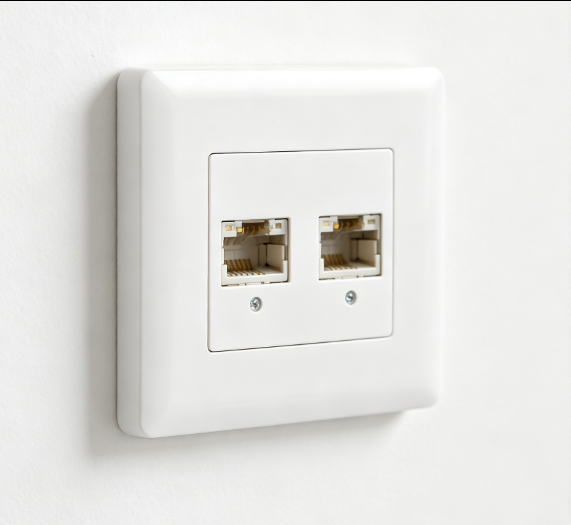
EU Standard Network Faceplate
Sep 11, 2026927