- Language
CAT6 Outdoor Cable,A Complete Guide to Category 6 Outdoor Network Cable Plug Compatibility Standards, Selection Guidelines, and Grounding Connections
CAT6 Outdoor Cable is a high-gigabit upgraded transmission wire specially developed for complex outdoor scenarios such as exposed outdoor laying, cross-building wiring, overhead installation, weak current wells and field monitoring. Complying strictly with TIA/EIA-568-C.2 and ISO/IEC 11801 international cabling standards, it features a rated transmission bandwidth of 250MHz, supports stable 1000Mbps gigabit transmission within 100 meters, and is compatible with 10Gbps 10-gigabit burst transmission within 55 meters. It serves as the core wire for outdoor high-definition monitoring, park cross-building networking, outdoor AP coverage and smart city outdoor wiring. Compared with conventional indoor Cat6 cables, CAT6 Outdoor Cable adopts a dual-layer PVC & PE jacket structure, delivering exclusive outdoor performance including UV resistance, aging resistance, water and moisture proof, high and low temperature resistance, compression and tensile resistance. Equipped with standard 23AWG solid oxygen-free copper conductors and an internal cross skeleton isolation structure, it ensures high-speed transmission stability in harsh outdoor environments at the hardware level.
In the implementation of outdoor networking projects, most network faults do not stem from the CAT6 Outdoor Cable itself, but from mismatched supporting plugs, non-standard termination and insufficient outdoor specificity. As the only terminal interface for wire-to-device docking, the plug is the final barrier for network signal transmission and the most vulnerable link prone to hidden dangers in outdoor cabling systems. Conventional indoor ordinary RJ45 plugs have mismatched structural dimensions, poor sealing performance, weak anti-interference capability and inconsistent wire diameter adaptability for CAT6 Outdoor Cable. Forcible docking will cause loose core clamping, incomplete jacket sealing, excessive crosstalk, aggravated signal attenuation, water ingress and oxidation in outdoor environments, directly resulting in failure to run full gigabit bandwidth, network stuttering and packet loss, frequent outdoor link disconnection, and greatly shortening the service life of the entire outdoor cabling system.
From the professional perspective of plug adaptation, the stable operation of CAT6 Outdoor Cable relies on the performance support of accurately matched special plugs. The special plugs adapted to this wire must simultaneously meet five core criteria: precise wire diameter matching, cross skeleton structure compatibility, outdoor water and dust resistance, high-frequency anti-interference and weather aging resistance. They must not only ensure lossless transmission of 250MHz high-frequency bandwidth and eliminate bandwidth attenuation caused by termination loss, but also adapt to harsh outdoor conditions including wind, frost, rain, snow, alternating high and low temperatures and direct UV exposure, realizing integrated protection of wires and plugs. It can be concluded that accurately matched special plugs are the core key to activating the full bandwidth performance of CAT6 Outdoor Cable and ensuring long-term stable operation of outdoor networks, as well as an essential point for the standardized implementation of outdoor Cat6 cabling projects.
Different from ordinary indoor Cat6 cables, CAT6 Outdoor Cable has exclusive outdoor specifications in wire diameter structure, jacket thickness, internal skeleton and transmission parameters, imposing strict mandatory requirements on the physical structure and electrical performance of supporting plugs. Ordinary Category 5e and conventional indoor Cat6 plugs cannot be adapted. The specific adaptive parameter standards are divided into three major dimensions: physical structure adaptation, electrical performance adaptation and outdoor protection adaptation.
In terms of physical structure adaptation, CAT6 Outdoor Cable adopts 23AWG high-purity solid copper conductors with thicker core diameter, built-in cross isolation skeleton, thicker overall jacket and higher wire hardness compared with conventional indoor network cables. Ordinary indoor RJ45 plugs have narrow internal card slot spacing, only adapting to thin wires of 24AWG and below. Forcible crimping of CAT6 Outdoor Cable will lead to incomplete clamping of wire cores, failure to compress the outer skin and loose plug buckles, causing virtual connection and poor contact. Special adaptive plugs adopt widened internal wire slots and lengthened clamping structures, which can perfectly fit 23AWG thick wire diameters and reserve space for cross skeletons without squeezing the wire pair structure. They ensure the integrity of wire pair twisting after termination and fundamentally eliminate crosstalk and attenuation caused by structural deformation. Meanwhile, the special plugs are equipped with thickened outdoor waterproof tail sleeves that can closely fit the thickened dual jacket of CAT6 Outdoor Cable for seamless locking, solving the core problem of water and dust ingress from gaps at the wire-plug connection in outdoor scenarios.
In terms of electrical performance adaptation, CAT6 Outdoor Cable features a standard 250MHz bandwidth, focusing on stable high-frequency gigabit transmission and short-distance 10-gigabit compatibility, requiring extremely high standards for plug high-frequency transmission performance, crosstalk suppression and impedance matching. Ordinary low-cost plugs have low-precision metal contacts, easy oxidation and poor high-frequency crosstalk suppression. In 250MHz high-frequency transmission scenarios, they will cause severe insertion loss, return loss and near-end crosstalk, directly damaging the bandwidth performance of CAT6 Outdoor Cable, downgrading gigabit networks to 100-megabit and failing to exert the high-speed transmission advantages of the wire. Special plugs adapted to CAT6 Outdoor Cable adopt 50U thickened gold-plated contacts with excellent oxidation resistance, corrosion resistance and conductivity, strictly matching the wire transmission impedance. They can accurately control high-frequency transmission loss, completely retain 250MHz bandwidth performance to ensure full-speed wire transmission, and support PoE power supply and data integrated transmission, adapting to the power supply and data transmission needs of outdoor monitoring and outdoor AP equipment and avoiding faults such as unstable power supply and data packet loss.
In terms of outdoor protection adaptation, this is the core difference between CAT6 Outdoor Cable supporting plugs and indoor plugs. Indoor plugs have no waterproof, UV-proof or low-temperature resistance design, only applicable to clean and constant-temperature indoor environments, while CAT6 Outdoor Cable is exposed to outdoor environments all year round with large temperature differences, strong UV radiation and frequent rain and dust erosion. Corresponding special adaptive plugs adopt engineering-grade weather-resistant PVC shells with UV resistance, aging resistance and high and low temperature resistance, stably operating in extreme environments from -40℃ to +75℃ without shell cracking, contact oxidation or structural deformation. Equipped with integrated waterproof and dustproof tail plugs and sealing rubber rings, they achieve complete sealing at the plug termination position, preventing rainwater, moisture and dust from penetrating into the interface and effectively avoiding core oxidation, short circuit and signal attenuation, perfectly adapting to the all-weather outdoor operation scenarios of CAT6 Outdoor Cable.
According to the environmental complexity, networking specifications and protection levels of outdoor scenarios, there are three mainstream plug types adapted to CAT6 Outdoor Cable: Cat6 outdoor unshielded waterproof plugs, Cat6 outdoor shielded waterproof plugs and Cat6 outdoor integrated reinforced plugs, which accurately match the Cat6 Outdoor Cable wiring needs of different outdoor scenarios with differentiated performance and advantages.
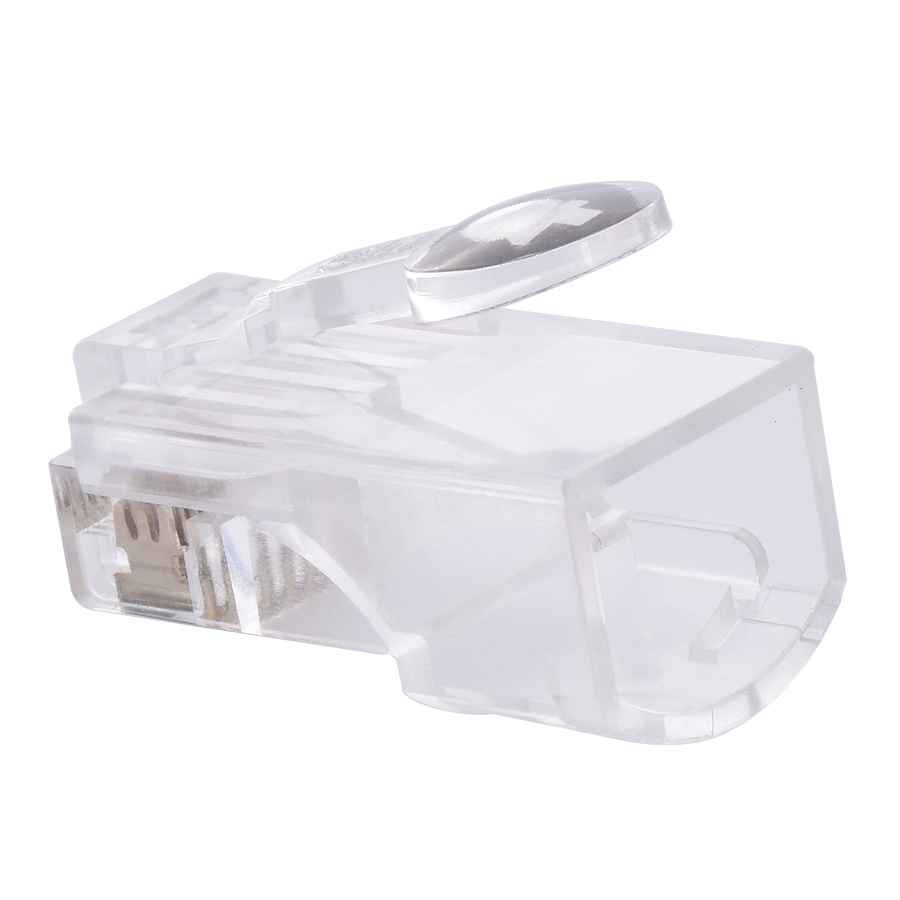
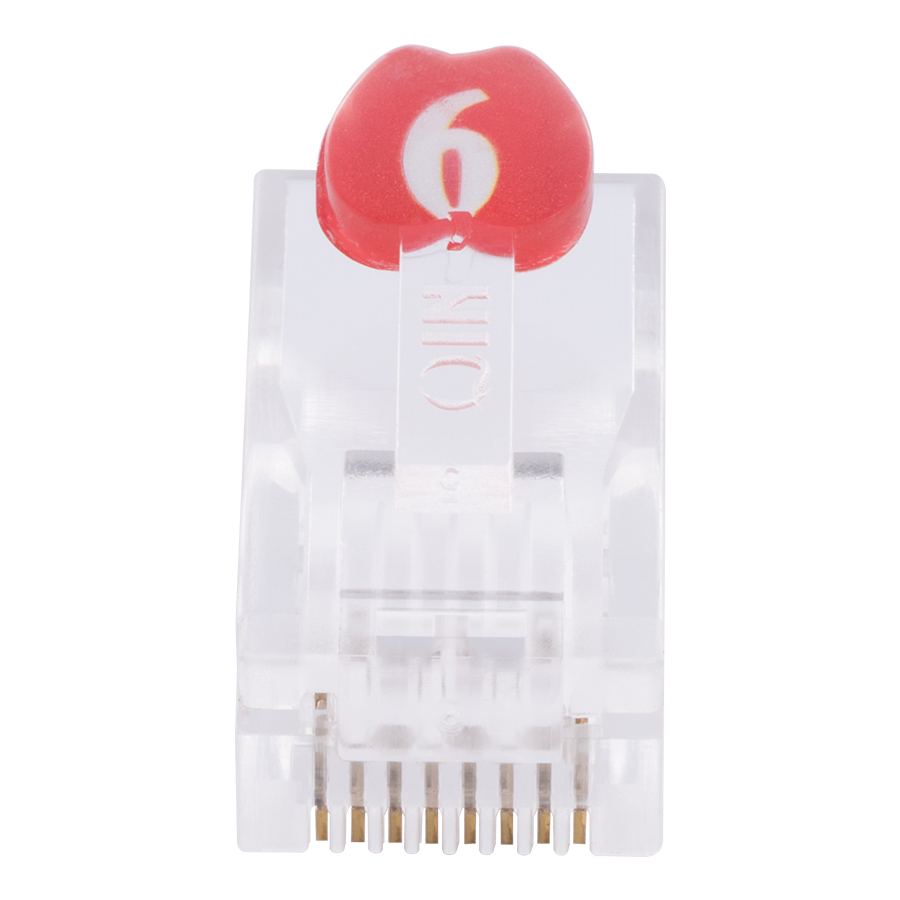
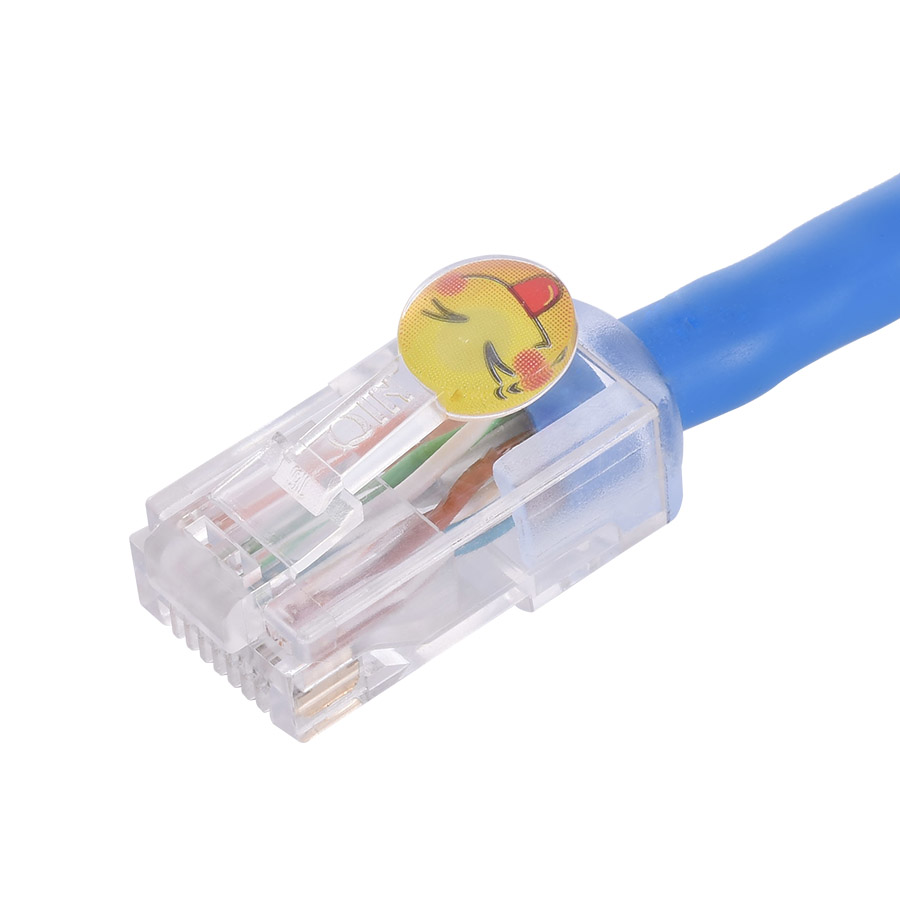
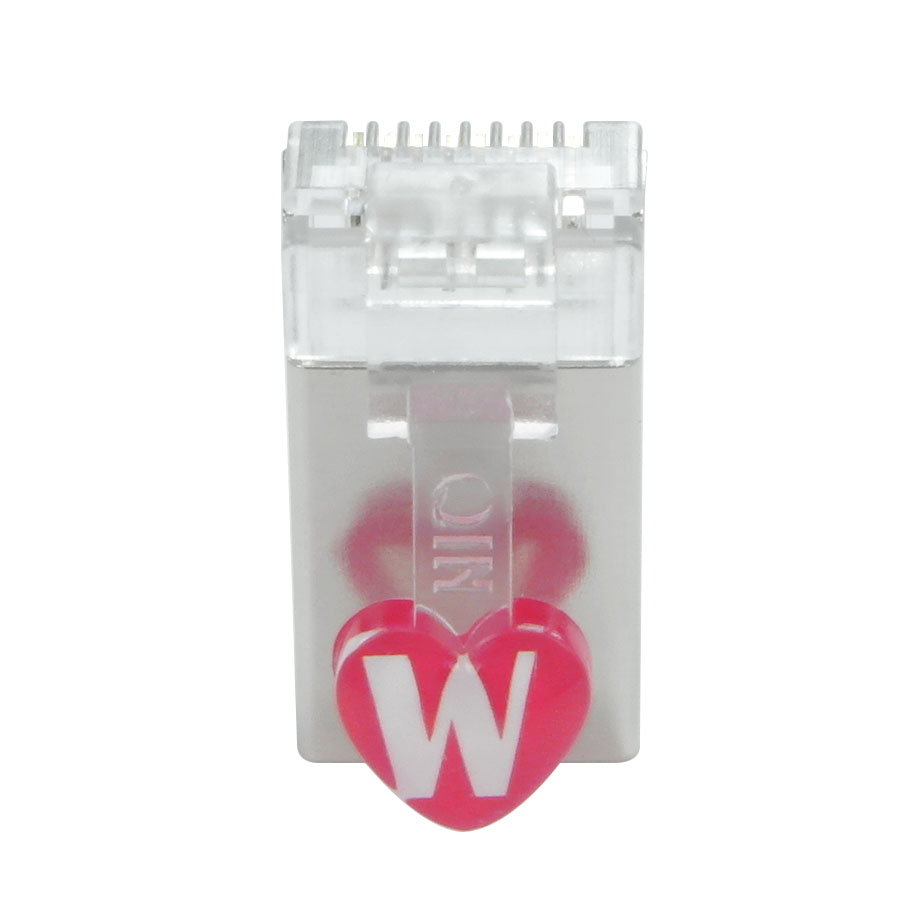
Cat6 outdoor unshielded waterproof plugs are the basic adaptive model for conventional outdoor networking, featuring high cost performance, simple construction and strong universality. Strictly matching the 23AWG wire diameter and cross skeleton structure of CAT6 Outdoor Cable, their widened wire slot design enables lossless wire termination, and gold-plated contacts ensure high-frequency transmission performance, with waterproof tail sleeves providing basic outdoor protection. The unshielded structure simplifies construction without complex grounding operations, adapting to scenarios with weak electromagnetic interference and conventional environments such as community outdoor monitoring, park trail networks, ordinary outdoor APs and rural outdoor wiring. They can perfectly activate the gigabit transmission performance of CAT6 Outdoor Cable and meet the stable operation needs of conventional outdoor networks, serving as the mainstream choice for civil outdoor Cat6 wire networking.
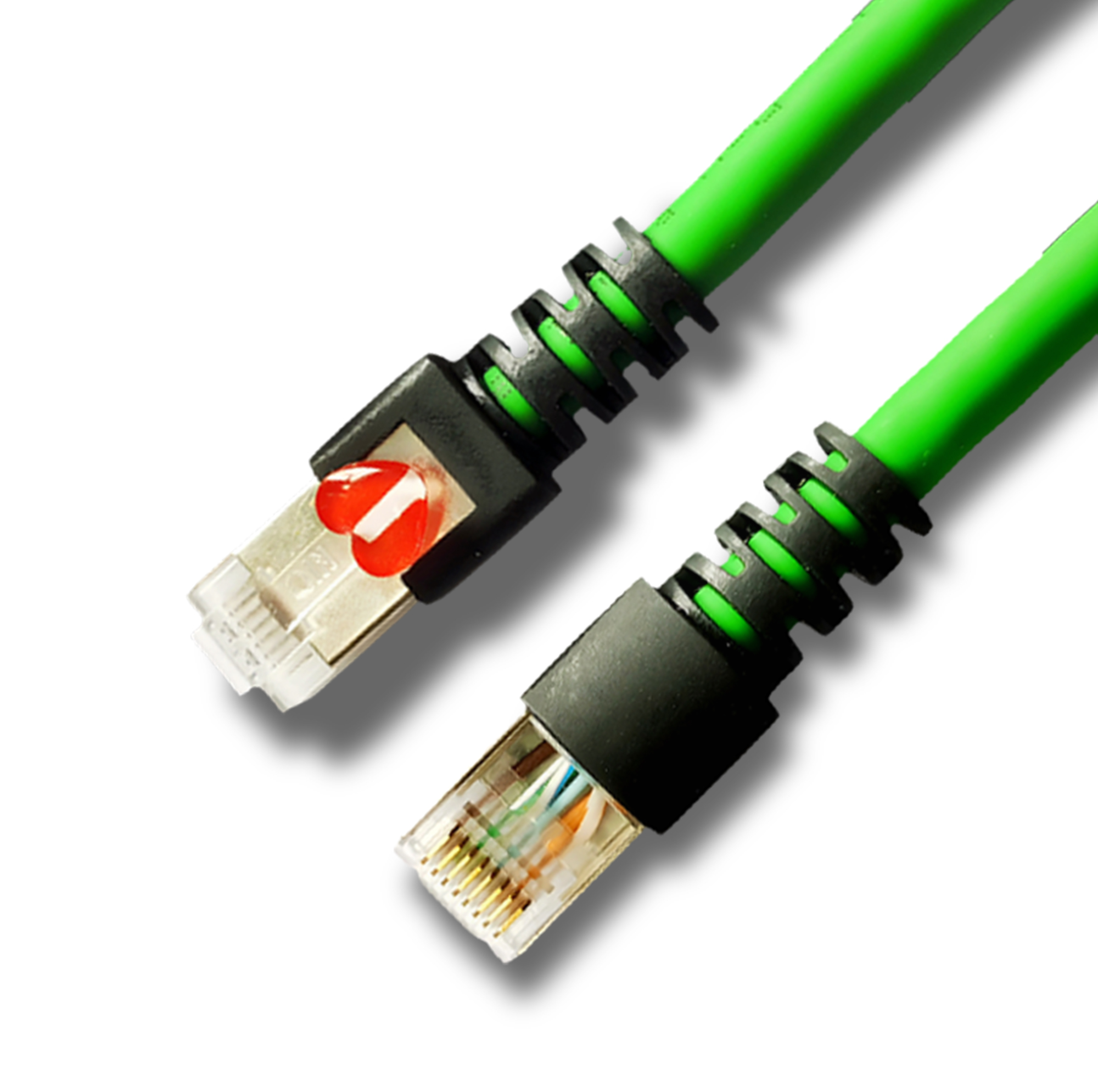
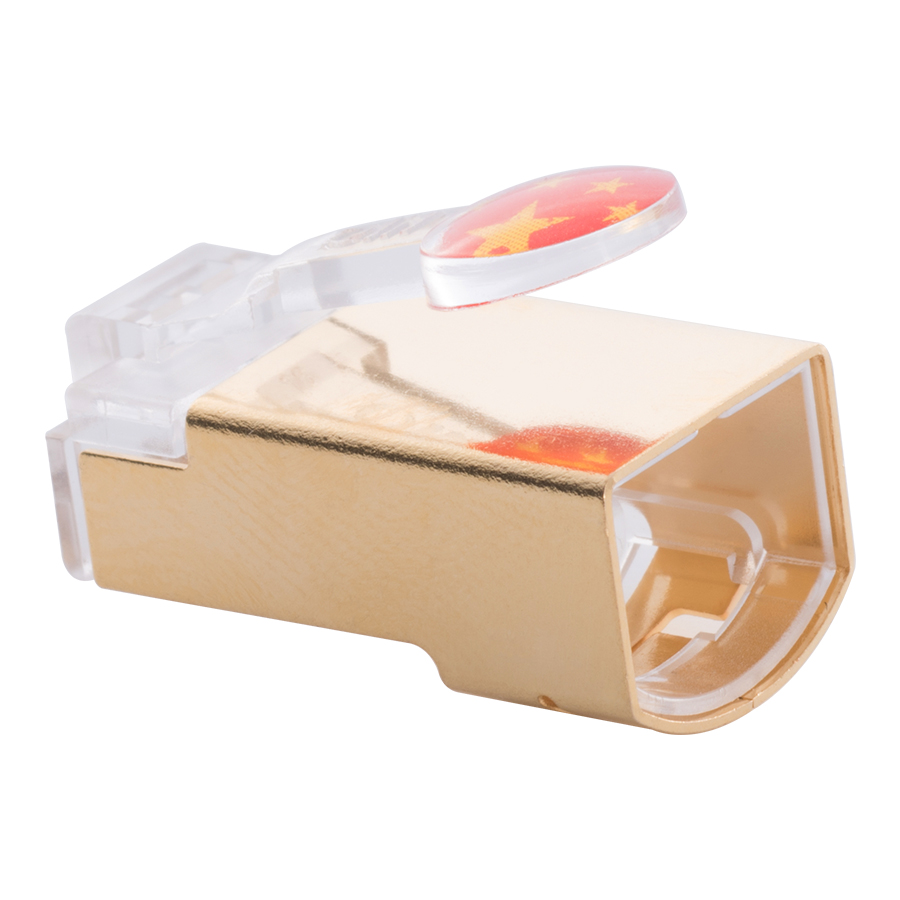
Cat6 outdoor shielded waterproof plugs are exclusive adaptive products for outdoor scenarios with complex electromagnetic environments, featuring strong anti-interference capability and high transmission stability. Equipped with double-layer metal shielding covers, they can fully isolate electromagnetic interference from outdoor high-voltage lines, outdoor electrical equipment and base station signals, completely solving network bandwidth fluctuation and data packet loss caused by high-frequency interference. Their structure fully adapts to the thickened wire diameter and dual jacket of outdoor wires with higher sealing protection levels, while strictly complying with Cat6 electrical transmission standards to ensure zero loss in 250MHz bandwidth transmission. They are perfectly applicable to outdoor wiring in industrial parks, intelligent monitoring on urban main roads, power peripheral outdoor networking and supporting wiring of 5G micro base stations with complex electromagnetic environments and strict network stability requirements, ensuring full-speed and stable operation of CAT6 Outdoor Cable in complex interference environments.
Cat6 outdoor integrated reinforced plugs are high-end adaptive products for harsh outdoor scenarios, featuring shock resistance, compression resistance, ultra-high protection and long-term durability. Different from conventional split plugs, they adopt an integrated injection molding reinforced structure with no loose gaps at the wire-plug connection, greatly improving tensile and compression resistance to resist external damage such as outdoor wind pulling, foreign object extrusion and vibration. With IP67 waterproof and dustproof protection level, they can be directly applied to extreme outdoor environments including open exposure, rain and sun exposure, salt spray humidity and sandstorms, perfectly matching the super weather resistance of CAT6 Outdoor Cable. Suitable for harsh scenarios such as coastal scenic spot outdoor networking, highway monitoring wiring, field base station docking and mine outdoor weak current networking, they can maximize the service life of the entire outdoor cabling system and reduce later operation and maintenance replacement costs.
In outdoor engineering construction, many projects randomly use ordinary indoor RJ45 plugs to connect CAT6 Outdoor Cable to save costs and simplify processes, ignoring the adaptation differences between wires and plugs. Although no obvious faults occur in the short term, long-term operation will trigger a series of irreversible outdoor network hidden dangers, seriously consuming wire performance and shortening the service life of cabling systems. From the perspective of plug adaptation, the main hazards of incorrect selection lie in performance loss, invalid protection, structural damage and operation and maintenance hidden dangers.
Firstly, the transmission performance is severely damaged, wasting the high-end bandwidth performance of CAT6 Outdoor Cable. CAT6 Outdoor Cable itself has high-quality performance of 250MHz bandwidth, full-speed gigabit transmission and short-distance 10-gigabit compatibility, but matching with ordinary indoor plugs will increase insertion loss and near-end crosstalk significantly due to narrow wire slot squeezing wire pairs, low-precision contacts and poor high-frequency crosstalk suppression. This greatly reduces the actual transmission bandwidth of the wire, failing to run full gigabit speed and causing network stuttering, delay fluctuation, packet loss in large file transmission and blurry high-definition monitoring screens, resulting in resource waste of "high-end wires with low-end performance" and completely failing to exert the networking advantages of outdoor Cat6 wires.
Secondly, outdoor protection fails completely, accelerating wire aging and damage. Ordinary indoor plugs have no waterproof, UV-proof or sealing structure and cannot fit closely with the thickened jacket of CAT6 Outdoor Cable, leaving obvious gaps at the connection. Outdoor rainwater, moisture and dust continuously penetrate into the plug from the gaps, corroding copper core contacts and wire cores. Long-term operation will cause black oxidation of contacts, wire core corrosion and short circuit, and poor interface contact. Meanwhile, indoor plugs have poor weather resistance, and long-term UV exposure and alternating high and low temperatures will cause shell brittleness, deformation and falling off, completely losing protection. As a result, CAT6 Outdoor Cable, which can be used for more than 10 years, suffers large-area aging and damage in 3-5 years, greatly increasing project rework and operation and maintenance costs.
Thirdly, the wire structure is damaged, undermining the foundation of wire transmission. CAT6 Outdoor Cable is equipped with a built-in cross isolation skeleton with high-precision wire pair twisting and stable structure, which is the core guarantee of low crosstalk and low loss. Ordinary plugs have no reserved space for skeletons, and crimping will forcibly squeeze the cross skeleton, causing disordered wire pair twisting spacing and wire core offset, completely destroying the original transmission structure of the wire. This structural damage is irreversible, leaving permanent transmission shortcomings in the wire. Even if high-quality plugs are replaced later, the original bandwidth and stability cannot be restored, directly causing wire scrapping.
Finally, it leads to hidden dangers in project stability and long-term operation and maintenance difficulties. Outdoor networks usually operate uninterruptedly for 24 hours, and monitoring and intelligent equipment systems require extremely high network continuity. Intermittent disconnection, network speed fluctuation and equipment offline caused by incorrect plug selection are random and recurring with difficult fault troubleshooting, long-term affecting the normal operation of security monitoring and intelligent networking systems. Meanwhile, it fails to meet the acceptance standards of outdoor wiring projects, resulting in unqualified project acceptance and causing construction delay and economic losses.
After selecting adaptive plugs, standardized termination construction is the key to realizing perfect adaptation between CAT6 Outdoor Cable and plugs and exerting full performance. Non-standard construction will still lead to bandwidth loss and invalid protection. Following exclusive construction specifications can achieve integrated high-performance adaptation of wires and plugs.
The first step is precise wire stripping to protect the original wire structure. Use a special wire stripper with controlled force and depth to strip the outer jacket of CAT6 Outdoor Cable, avoiding scratching internal wire cores and cross skeletons. The stripping length shall match the plug specifications, neither too long nor too short. Clean internal filling ropes and impurities after stripping, keep wire pairs tidy, and avoid excessive pulling and twisting during the whole process to ensure the integrity of wire pair twisting, minimize termination loss and retain the high-frequency transmission performance of the wire.
The second step is standard wire arrangement and sequence specification. Arrange the four wire pairs strictly in accordance with the universal 568B wiring standard, keep the wire sequence flat and tidy after arrangement, and quickly insert into special outdoor plugs. For CAT6 Outdoor Cable with cross skeletons, ensure the skeletons are fully embedded in the reserved plug slots without extrusion or offset, guaranteeing uniform wire pair spacing and eliminating termination crosstalk.
The third step is precise crimping to ensure tight fitting. Use a special Cat6 crimping plier for uniform crimping to ensure that the plug metal pins completely penetrate the wire cores for stable contact. Confirm that the wire jacket is fully pressed into the plug waterproof tail sleeve for seamless fitting and locking without connecting gaps. Gently pull the wire after crimping to check for looseness and falling off, ensuring firm mechanical connection to adapt to outdoor pulling and vibration conditions.
The fourth step is sealing reinforcement and performance testing. After termination in outdoor scenarios, install waterproof rubber rings and heat-shrinkable tubes for secondary sealing and reinforcement to completely block connecting gaps and strengthen waterproof and dustproof performance. Finally, use professional network testing equipment to detect link bandwidth, crosstalk, loss and continuity, ensuring that the termination point performance meets standards, fully complies with the Cat6 transmission specifications of CAT6 Outdoor Cable and eliminates hidden faults.
In conclusion, the high-speed transmission, long-term durability and all-weather stable operation capabilities of CAT6 Outdoor Cable rely on the precise matching and performance support of special adaptive plugs. As the core terminal accessory of outdoor networking, plugs directly determine the transmission performance, protection level and service life of the entire outdoor cabling system despite their simple structure. Every link including plug adaptation parameters, selection classification, fault hazards and construction specifications affects the actual application effect of CAT6 Outdoor Cable. Abandoning the misconception of "wires first, plugs secondary", selecting exclusive outdoor Cat6 plugs accurately according to outdoor scenario environments, and following standardized termination specifications can fully release the core advantages of CAT6 Outdoor Cable including 250MHz large bandwidth, low loss and strong weather resistance, completely solve the industry pain points of outdoor networks such as stuttering, disconnection, fast aging and frequent faults. It builds a high-speed, stable, safe and long-term standardized network link for outdoor intelligent monitoring, cross-building park networking, smart cities and outdoor industrial networking scenarios, maximizing the engineering value of outdoor Cat6 cables.
-
-
-
-
-
-
-
-
-
-

Media Converter Network Patch Cord
Jun 27, 2026904
-
Network Cable Bandwidth Capacity
Jul 06, 2026895
-
UY2 Connector for Telephone Wire
Jul 08, 2026892
-
Wall-mounted Network Cabinet
Jun 30, 2026878
-
Four-Port Network Faceplate
Jul 03, 2026875