- Language
CAT6 UTP Jumper
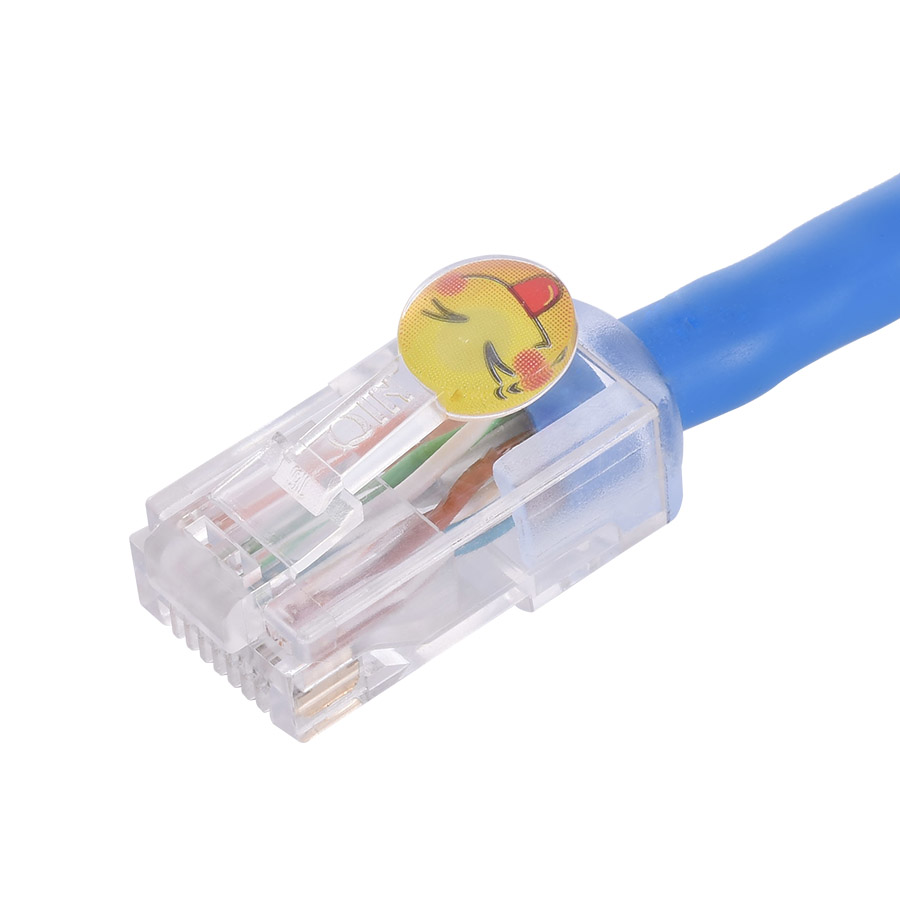
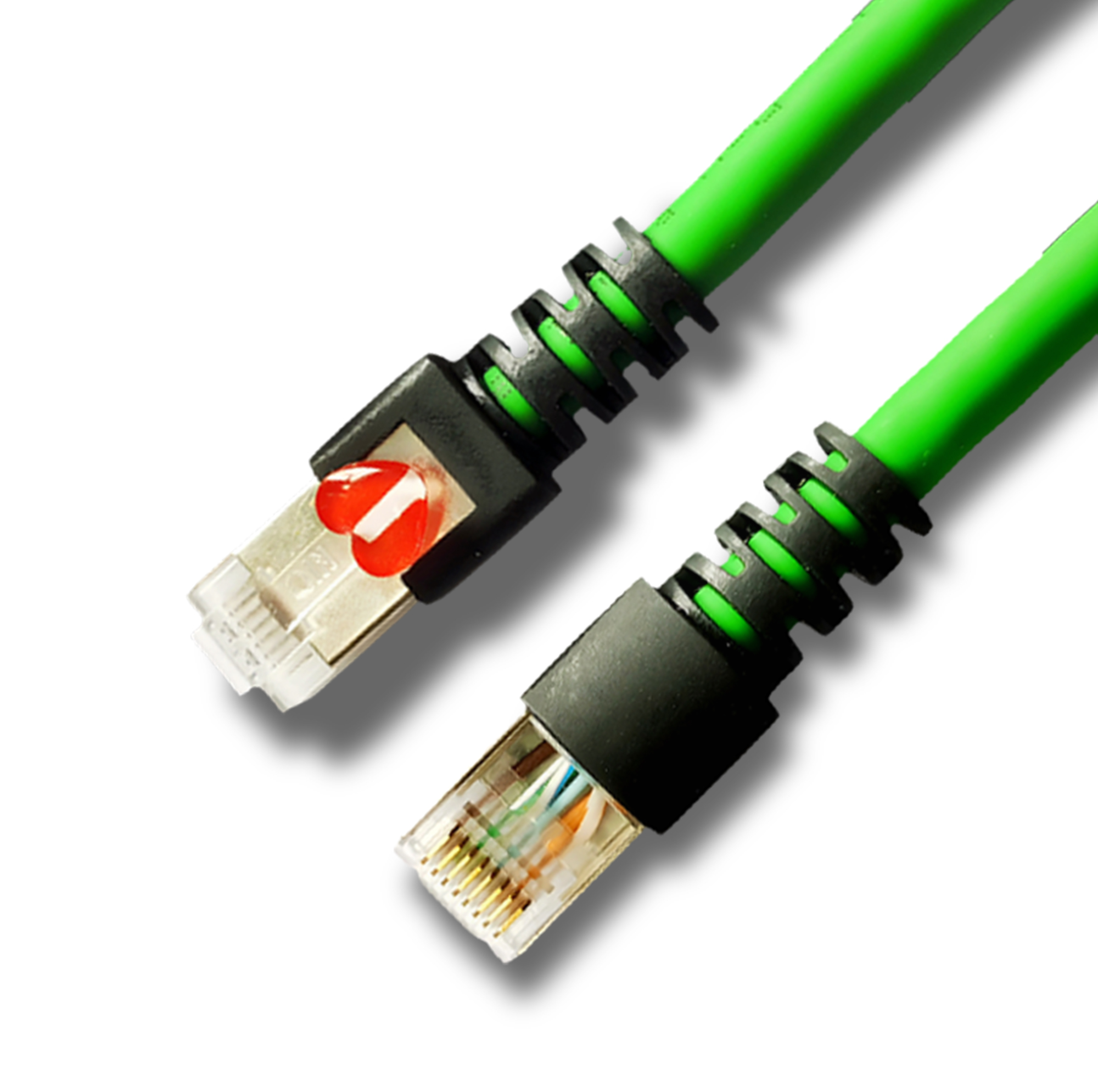
The CAT6 UTP (Unshielded Twisted Pair) Jumper is a short, flexible networking cable designed for connecting network devices to patch panels, switches, routers, or other network equipment in short-distance applications. Unlike shielded cables, UTP jumpers do not feature additional metallic shielding, relying instead on the twisted-pair design of their conductors to minimize crosstalk and electromagnetic interference (EMI). As a CAT6-rated jumper, it meets strict industry standards, supporting bandwidth up to 550 MHz and data transfer speeds of up to 1 Gbps over its typical length range (1 to 10 meters), with the ability to reach 10 Gbps for runs under 55 meters, making it suitable for high-speed networking environments such as data centers, server rooms, and office workstations.
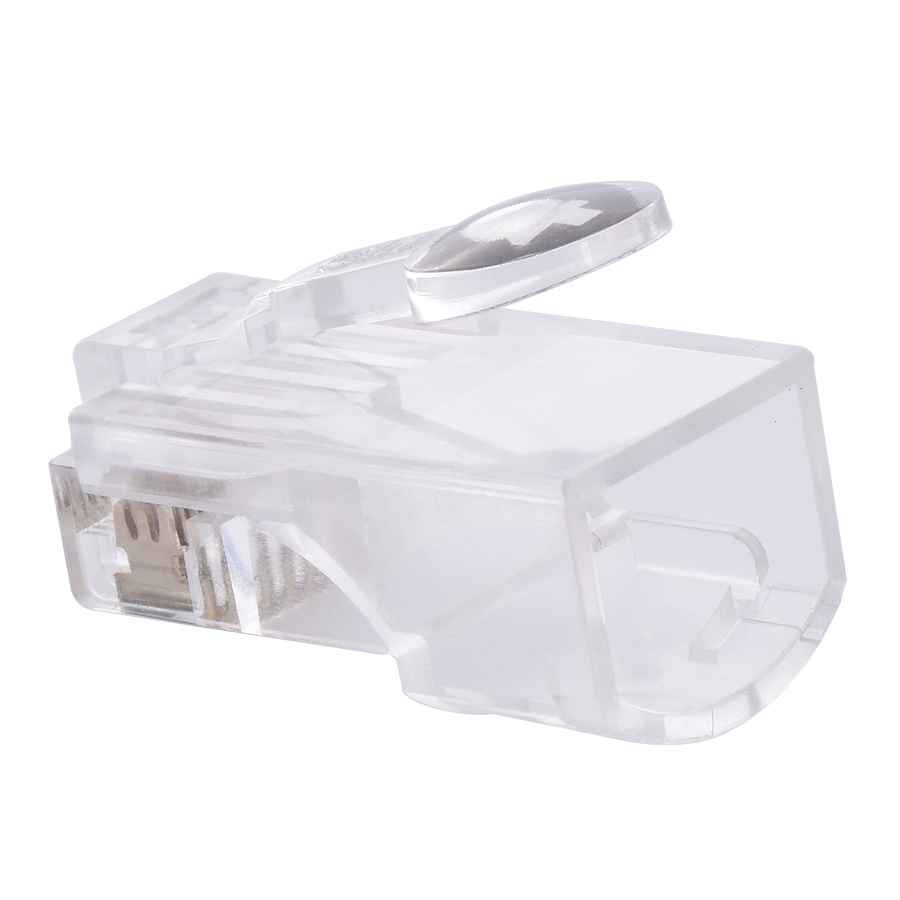
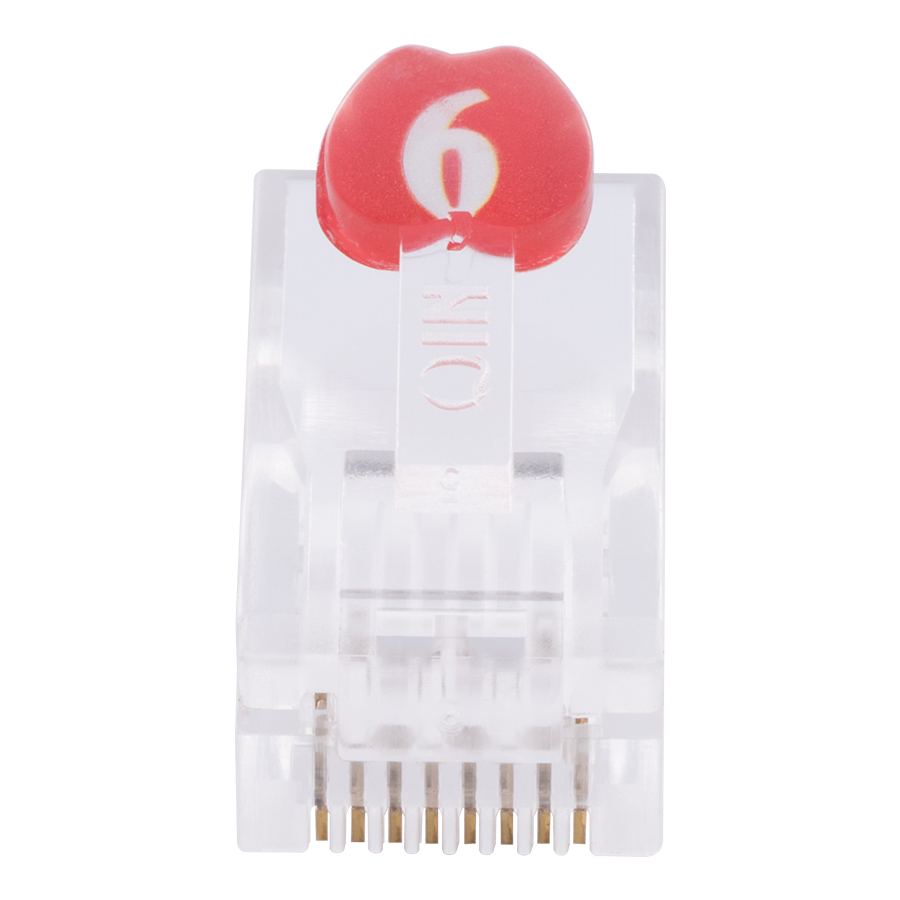
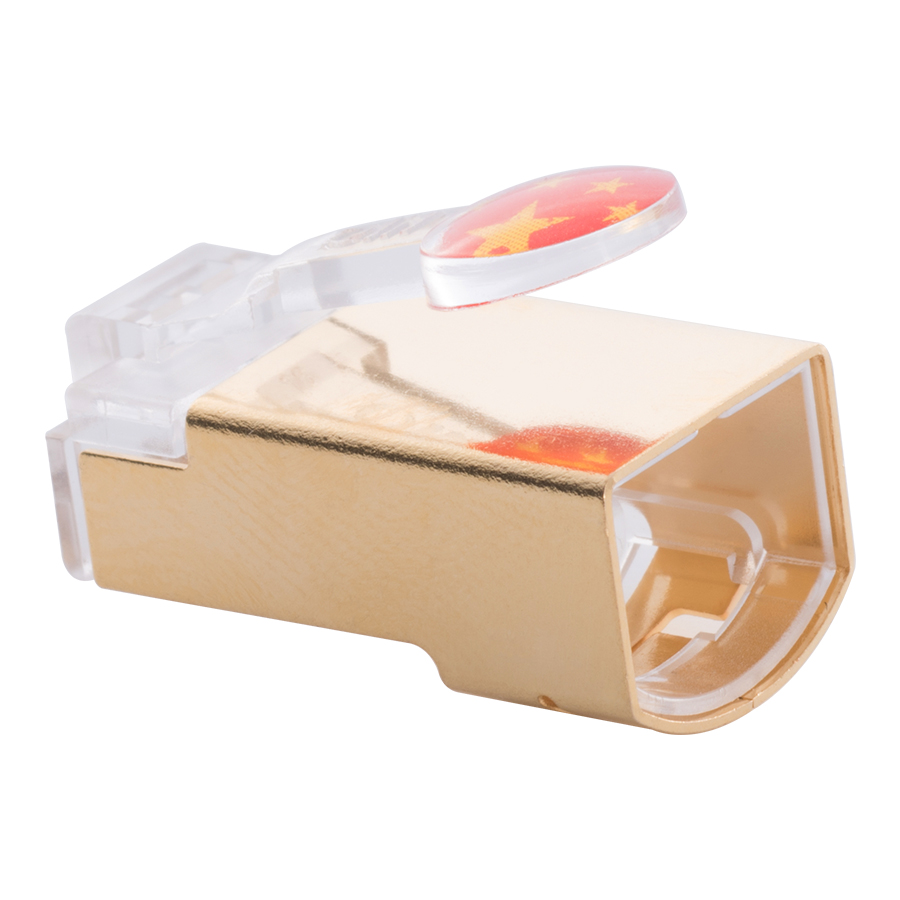
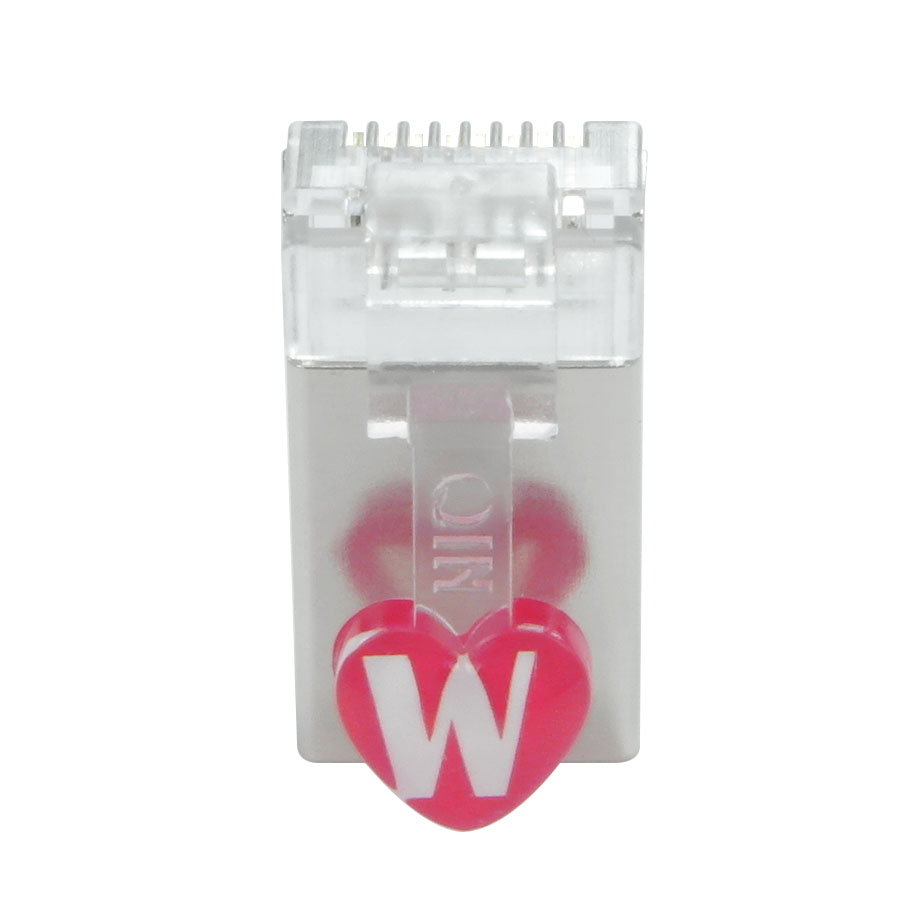
Constructed with 4-pair stranded copper conductors (usually 24 AWG), the CAT6 UTP Jumper offers superior flexibility compared to solid-core cables, making it ideal for frequent handling, reconfiguration, and tight spaces where bending is required. The stranded conductors also enhance durability, reducing the risk of breakage from repeated movement or installation stress. The jumper is terminated with RJ45 male connectors on both ends, which are often molded with snagless boots to protect the connector’s locking tabs from damage during installation and removal— a common issue in high-density environments where multiple jumpers are routed closely together. The contacts of the RJ45 connectors are typically gold-plated (50 µm) to improve conductivity, resist corrosion, and ensure reliable connections over time, even with frequent plugging and unplugging.
The CAT6 UTP Jumper is widely used in both commercial and residential settings due to its versatility, cost-effectiveness, and compatibility with a wide range of network devices. In data centers and server rooms, it is used to connect servers, switches, and patch panels, enabling efficient network management and easy reconfiguration as needs change. In offices and homes, it is ideal for connecting desktop computers, laptops, printers, and other devices to network switches or routers. It is also backward compatible with CAT5e and CAT5 devices, ensuring seamless integration with existing network infrastructure while providing a path for future upgrades to higher-speed networks. When selecting a CAT6 UTP Jumper, it is important to choose products that meet ANSI/TIA-568 and ISO/IEC 11801 standards, as well as UL or ETL certification, to ensure performance and reliability. Avoiding low-quality CCA (copper-clad aluminum) conductors is crucial, as they can lead to higher signal attenuation and reduced durability compared to pure copper conductors.
-
-
-
-
-
-
-
-
-
-
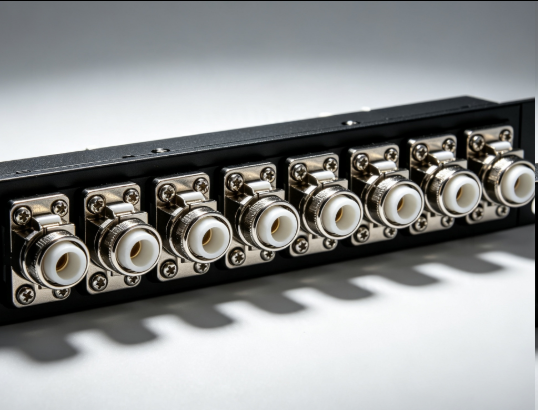
Flange Type Fixed Fiber Optic Adapter for Rack Panel
Sep 19, 2026955
-
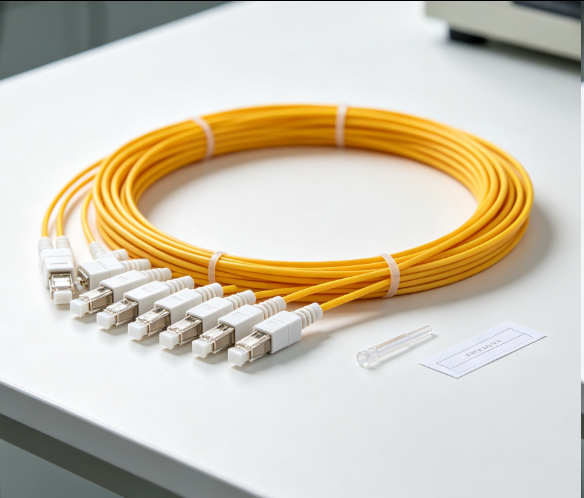
Fiber Pigtail 12 Cores SC UPC Single Mode
Sep 04, 2026930
-
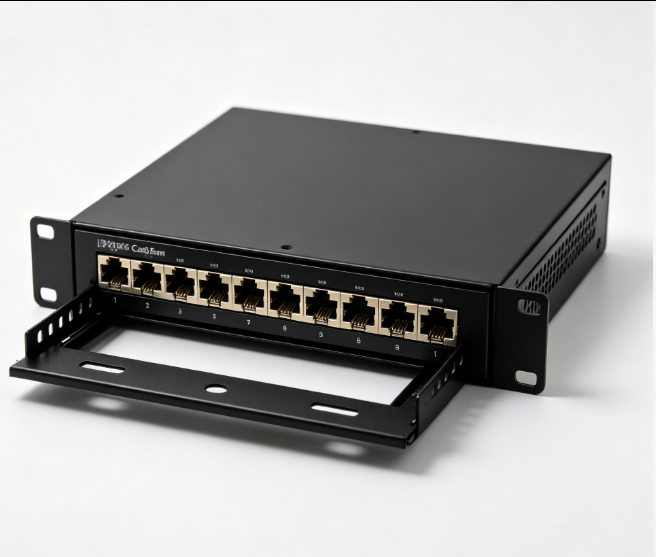
12 Port Cat6 Patch Panel Small Cabinet
Sep 12, 2026929
-
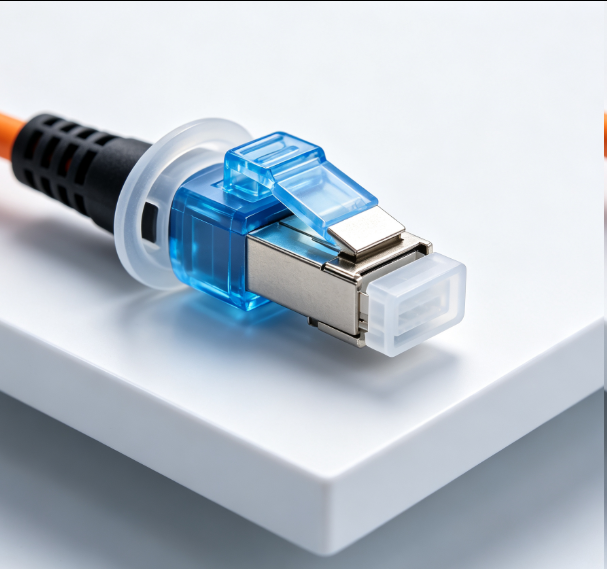
Dust Cap Equipped Fiber Patch Cable Protective
Sep 03, 2026929
-
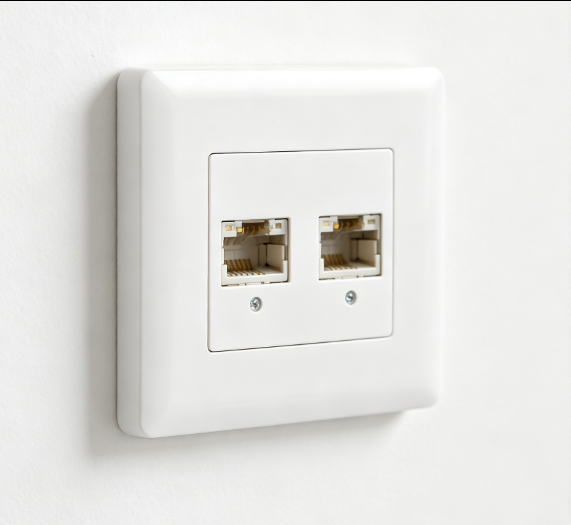
EU Standard Network Faceplate
Sep 11, 2026927