- Language
CAT8 Unshielded Cable
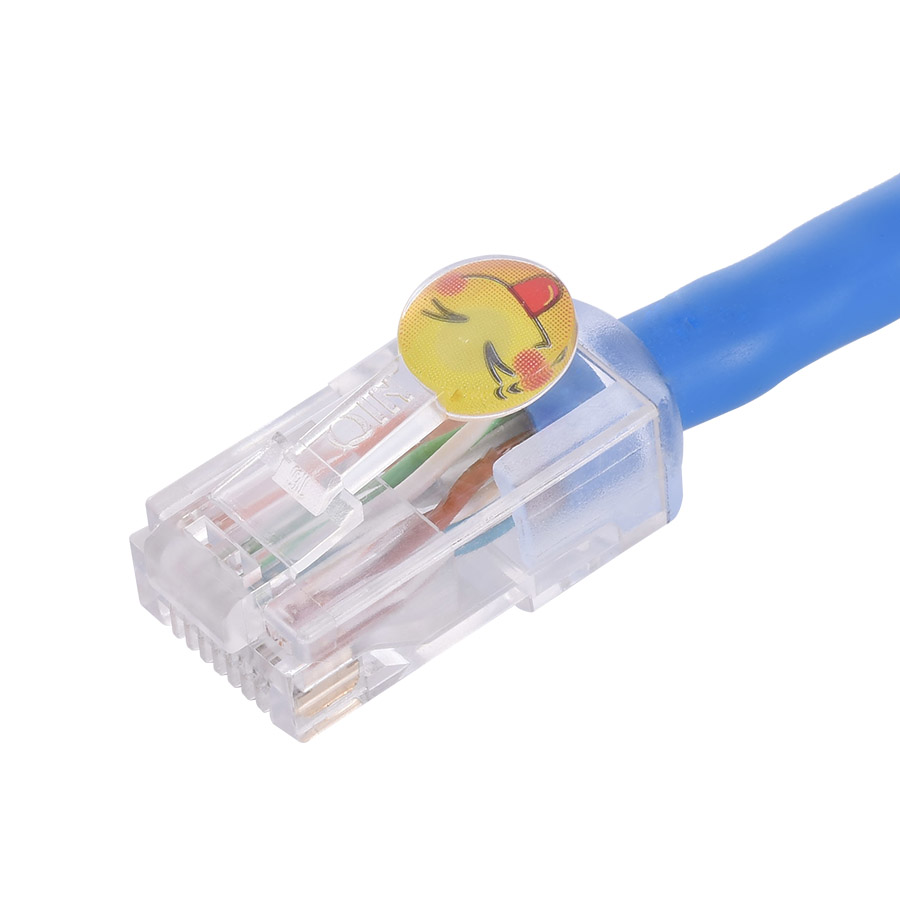
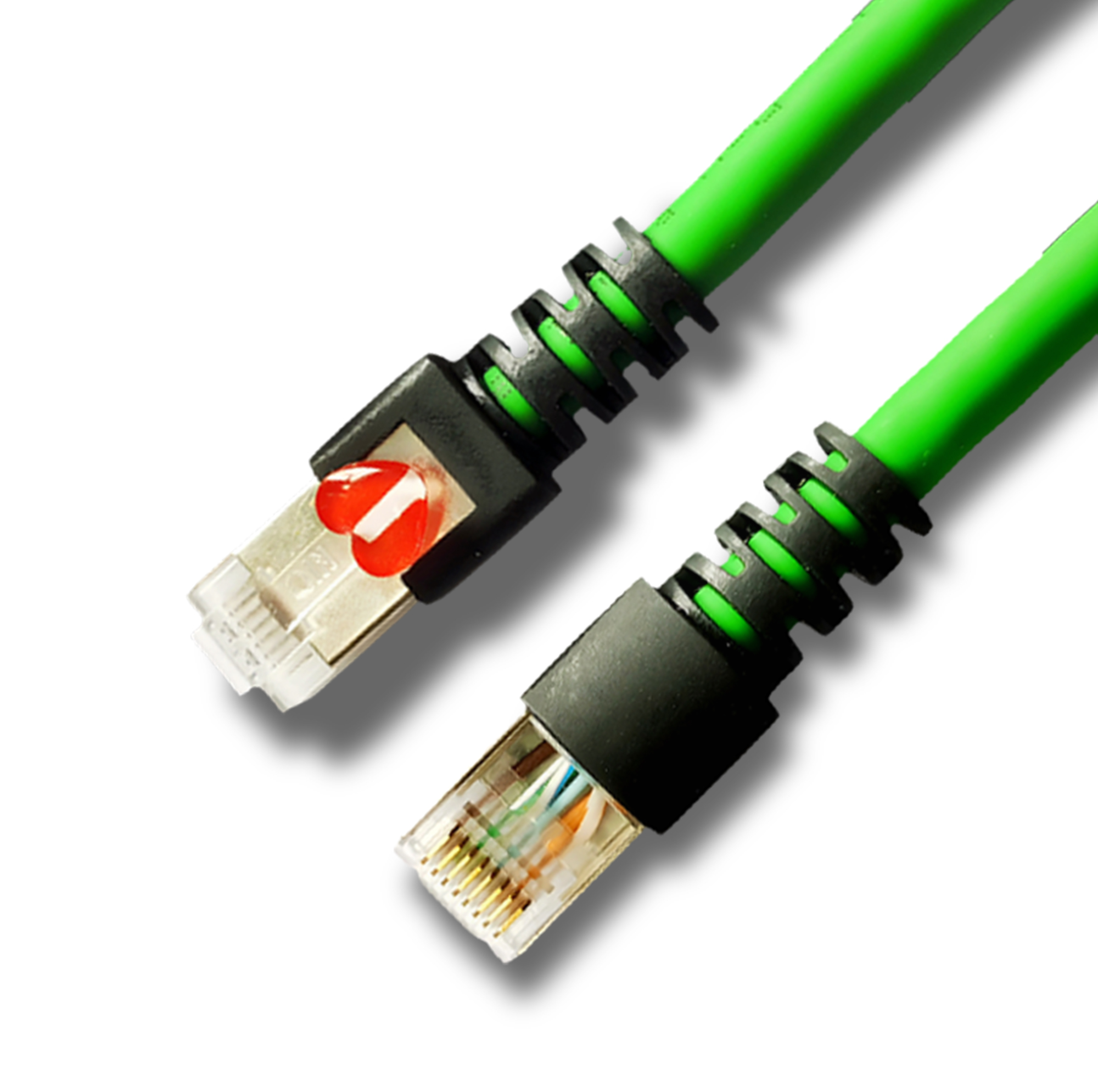
CAT8 unshielded cable, while less common than its shielded counterparts, is a high-performance Ethernet cable designed to deliver exceptional speed and bandwidth for short-distance, high-density networking applications, leveraging the CAT8 standard without the added bulk of shielding. Contrary to popular misconception, while most CAT8 cables are shielded to meet the 40 Gbps performance requirement, unshielded CAT8 cables are engineered with advanced twisted pair technology to minimize interference, making them suitable for environments with low electromagnetic interference (EMI) and radio-frequency interference (RFI), such as small data centers, home labs, and office server rooms. It supports a maximum bandwidth of 2000 MHz—eight times that of CAT6—and data transmission speeds of up to 40 Gbps over a maximum channel length of 30 meters, making it ideal for short-range, high-speed connections between servers, switches, and storage devices.
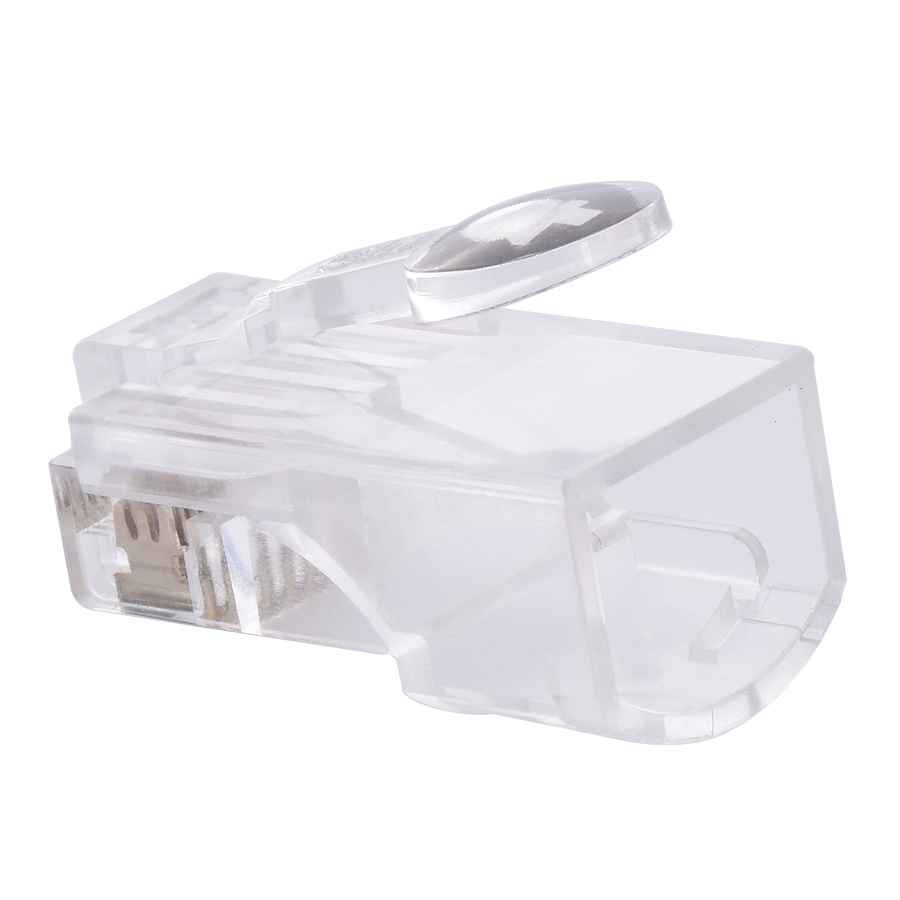
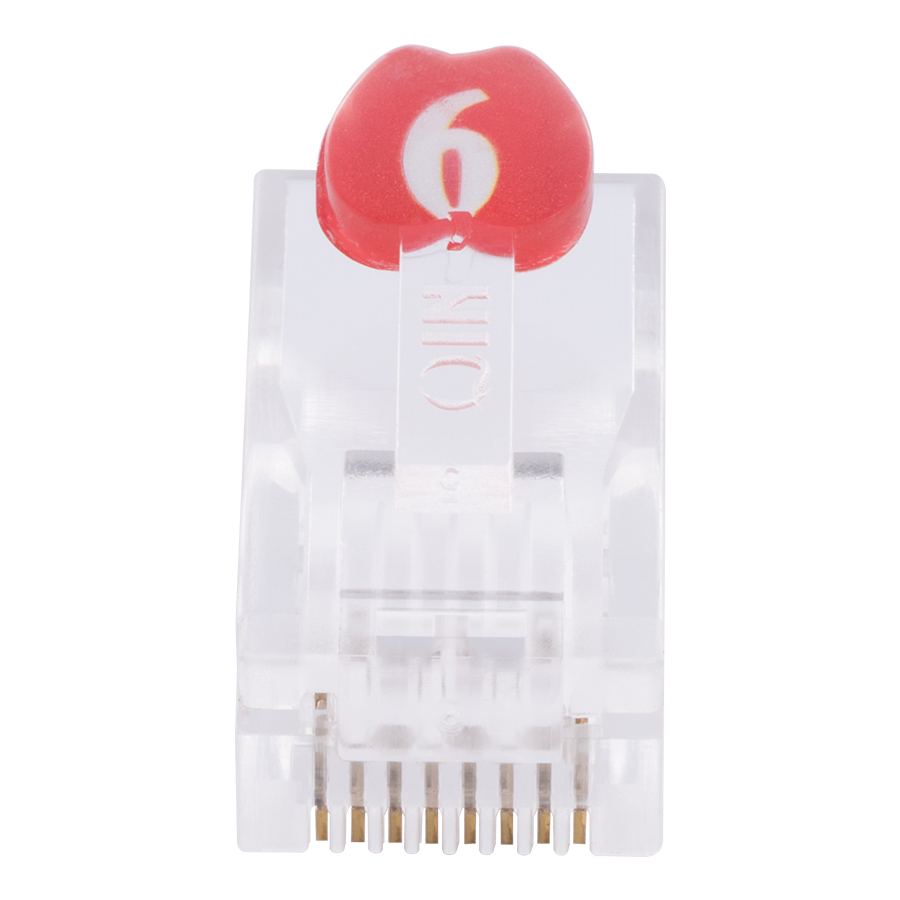
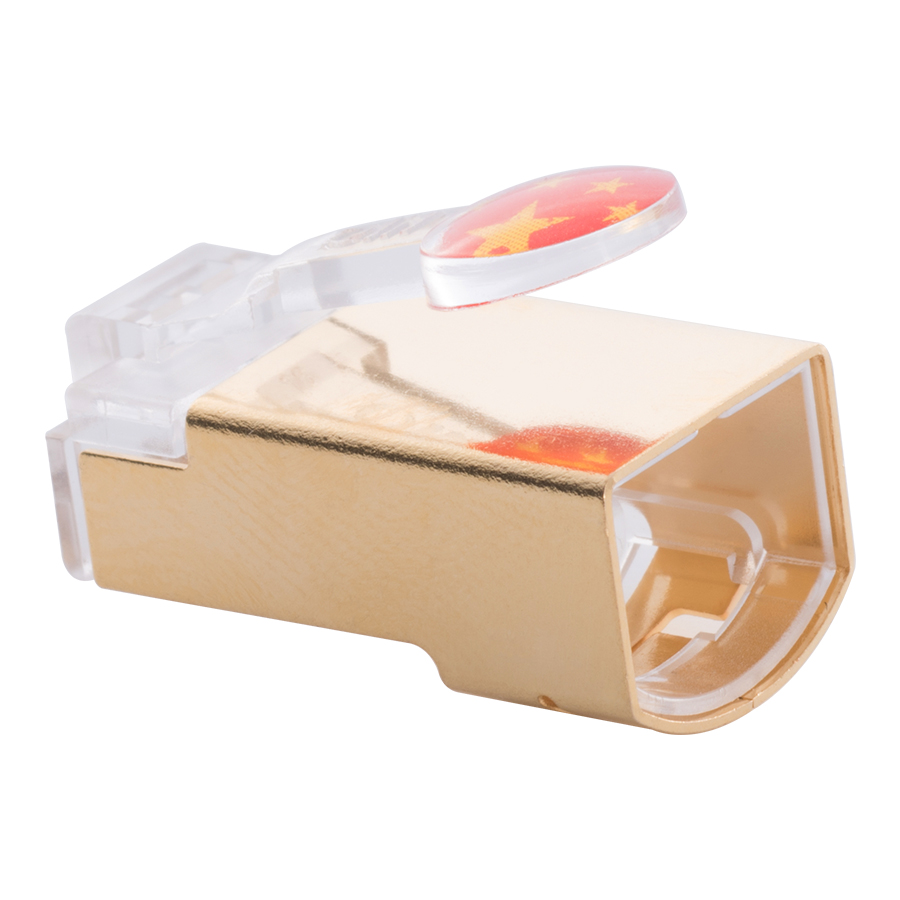
Internally, CAT8 unshielded cable features 4 pairs of 24 AWG or 26 AWG oxygen-free copper (OFC) conductors, twisted at extremely tight pitches to reduce crosstalk and signal attenuation, even at high frequencies. The conductors are insulated with high-quality HDPE material, which ensures low dielectric loss and maintains signal integrity, while the outer jacket is made of flexible PVC or LSZH material, allowing for easy installation in tight spaces and compliance with fire safety standards in commercial buildings. Unlike shielded CAT8 cables, which require grounded connectors and modules to maintain shielding effectiveness, unshielded CAT8 cables use standard RJ45 connectors, ensuring backward compatibility with previous cable categories (CAT5e, CAT6, CAT6A, CAT7) and existing network equipment.
While unshielded CAT8 cables are not suitable for high-interference environments like industrial facilities or densely packed data centers, they offer a cost-effective, flexible solution for short-range high-speed networking where EMI/RFI is minimal. They are particularly well-suited for home gaming setups, small office server racks, and edge computing devices, where 40 Gbps speeds are required without the complexity of shielded cabling. Additionally, their lightweight, flexible design makes them easy to route and terminate, reducing installation time and costs compared to shielded alternatives, while still delivering the high performance required for modern network applications.
-
-
-
-
-
-
-
-
-
-

Media Converter Network Patch Cord
Jun 27, 2026904
-
Network Cable Bandwidth Capacity
Jul 06, 2026895
-
UY2 Connector for Telephone Wire
Jul 08, 2026892
-
Wall-mounted Network Cabinet
Jun 30, 2026878
-
Four-Port Network Faceplate
Jul 03, 2026875