- Language
Cat6 Patch Leads: Pass Fluke Testing, Build a Solid Line of Defense for Gigabit Transmission Quality
With the popularization of gigabit networks, Cat6 (Category 6) patch leads, as the core connecting components of structured cabling systems, their transmission stability and anti-interference ability directly determine the efficiency and quality of network communication. Fluke testing, as a globally recognized certification test standard for network cables, is even the "golden benchmark" for measuring the quality of Cat6 patch leads. A Cat6 patch lead that can successfully pass comprehensive Fluke testing not only means that the product meets international standards but also provides reliable guarantee for network transmission in various scenarios, eliminating hidden dangers such as signal attenuation, packet loss, and freezes, and becoming a reassuring choice for enterprises and individuals to choose gigabit cabling.
Fluke testing is not a simple continuity test, but a comprehensive and rigorous verification of the overall performance of Cat6 patch leads, covering core technical indicators such as transmission rate, crosstalk, attenuation, and return loss. Each test strictly follows international standards such as ISO 11801 and TSB67 to ensure that the patch lead performance meets Cat6 level requirements and is suitable for gigabit and above network transmission needs. Ordinary Cat6 patch leads often fail to pass the full Fluke test due to poor materials and rough craftsmanship, and are prone to problems such as signal attenuation and weak anti-interference ability in long-term use. Especially in complex cabling scenarios, they are likely to affect the overall stability of the network; while Cat6 patch leads that pass Fluke testing have undergone layers of screening and optimization from materials to craftsmanship, and each one has strong technical strength, achieving double guarantees of transmission performance and durability.
Hardcore materials and precision craftsmanship are the core confidence for Cat6 patch leads to pass Fluke testing. This product adopts oxygen-free copper wire cores with a purity of ≥99.95%, and the wire core diameter strictly follows the Cat6 standard to 0.58mm. The resistance value is controlled within 10Ω/100 meters, which effectively reduces signal transmission loss, extends the transmission distance, ensures that the packet loss rate of the gigabit network is ≤0.1% within 150 meters, and can even support 10-gigabit transmission needs for a short time. The wire body has a built-in cross isolation skeleton, which places 4 pairs of twisted pairs in independent grooves to minimize crosstalk between wire pairs. At the same time, it is equipped with a high-density shielding layer (optional), which can effectively resist external electromagnetic interference. Even when cabling near strong electricity, the signal loss can be controlled within 5%, perfectly meeting the strict requirements for crosstalk and anti-interference in Fluke testing.
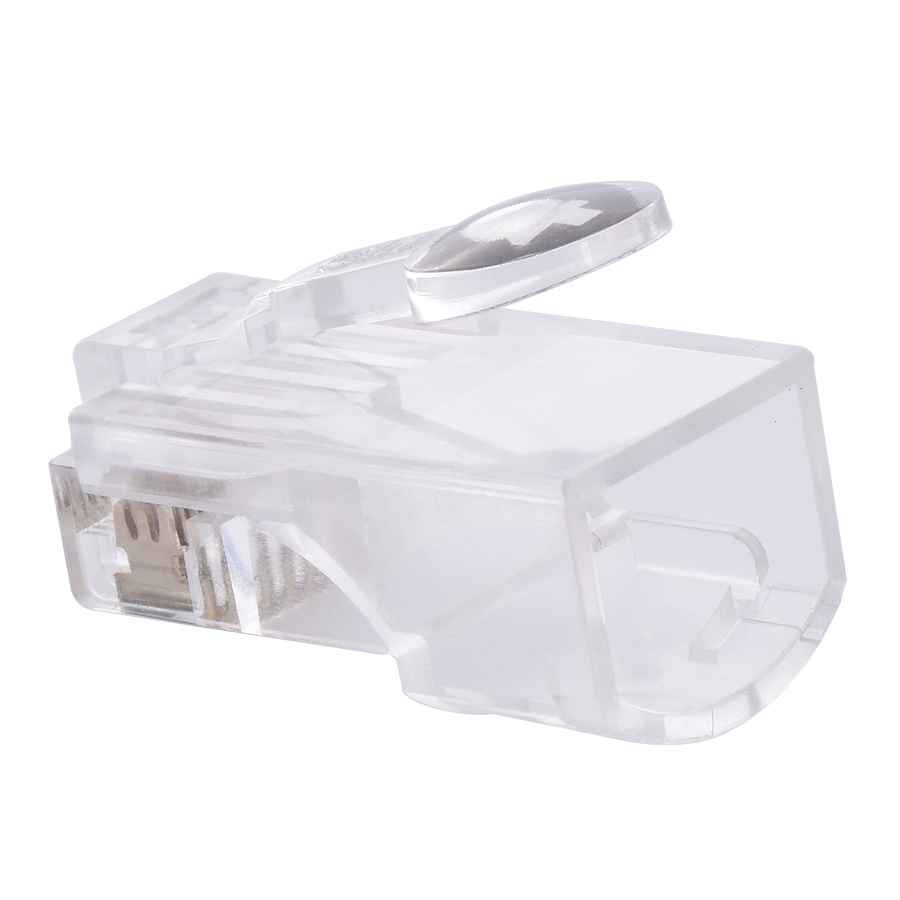
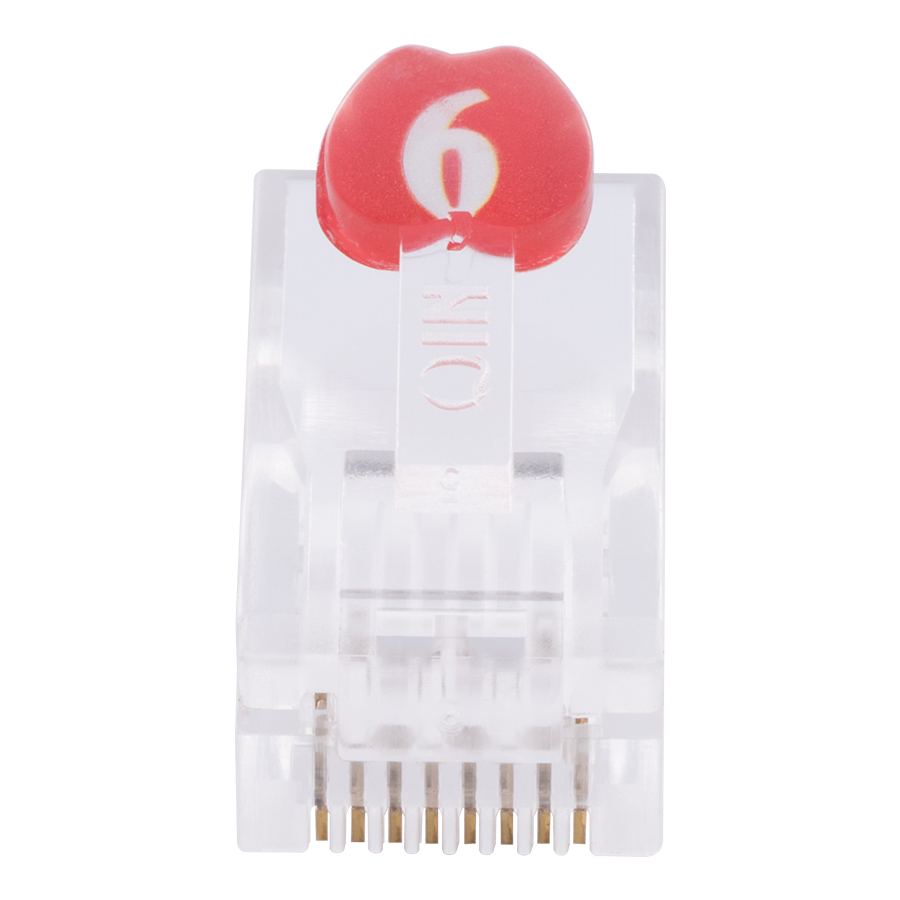
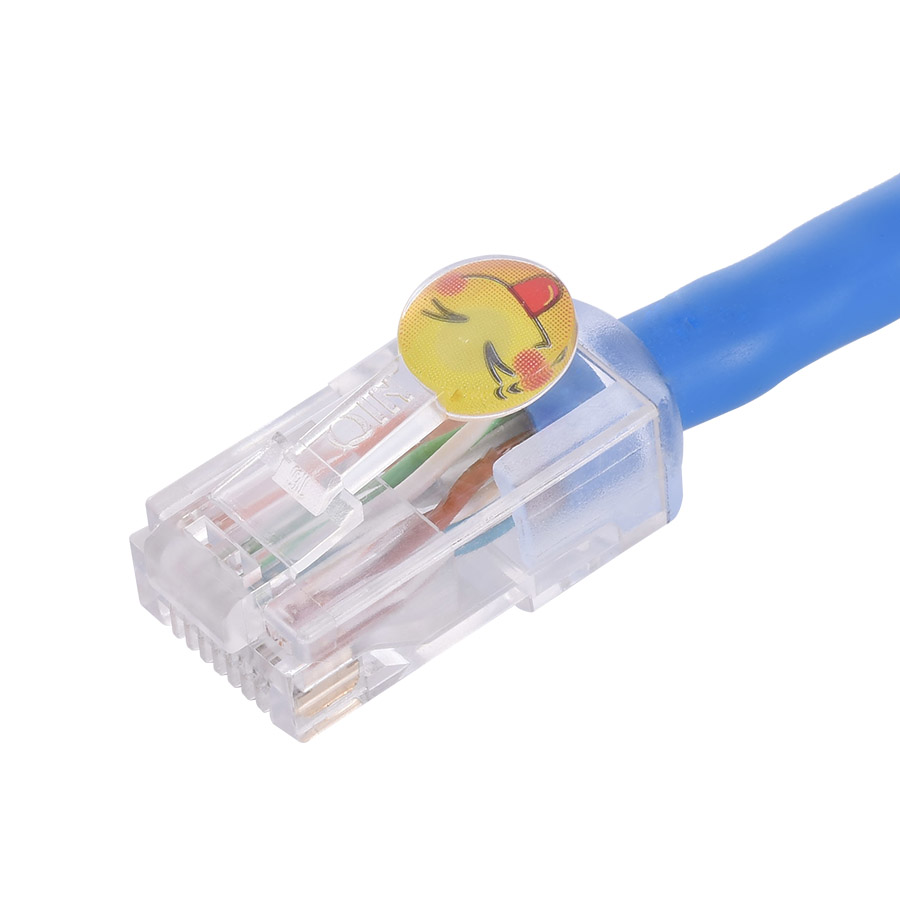
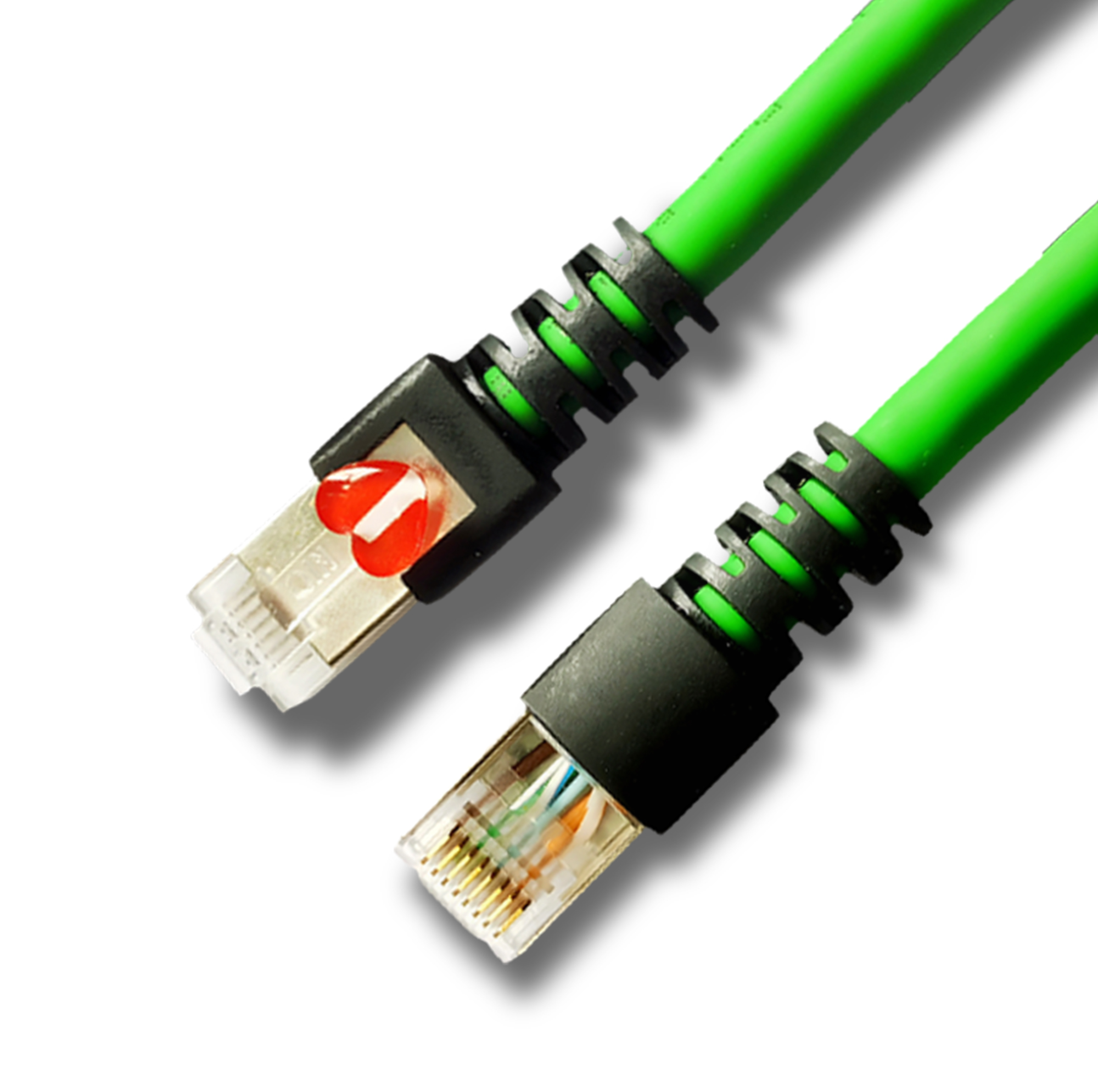
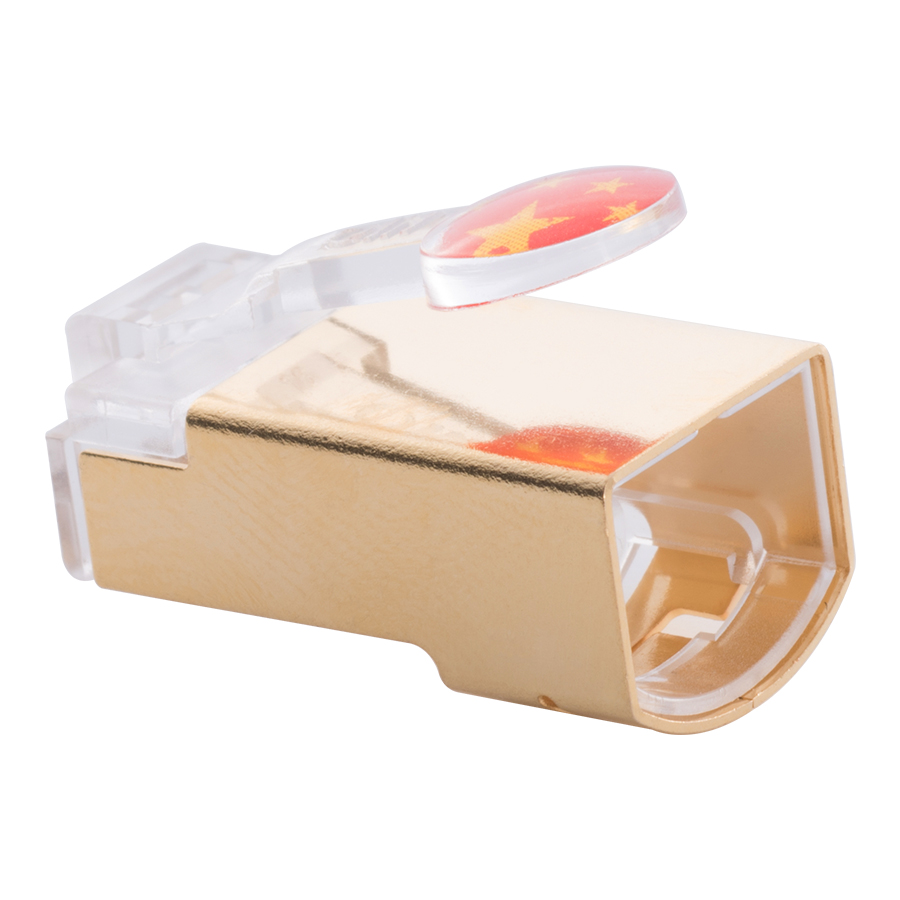
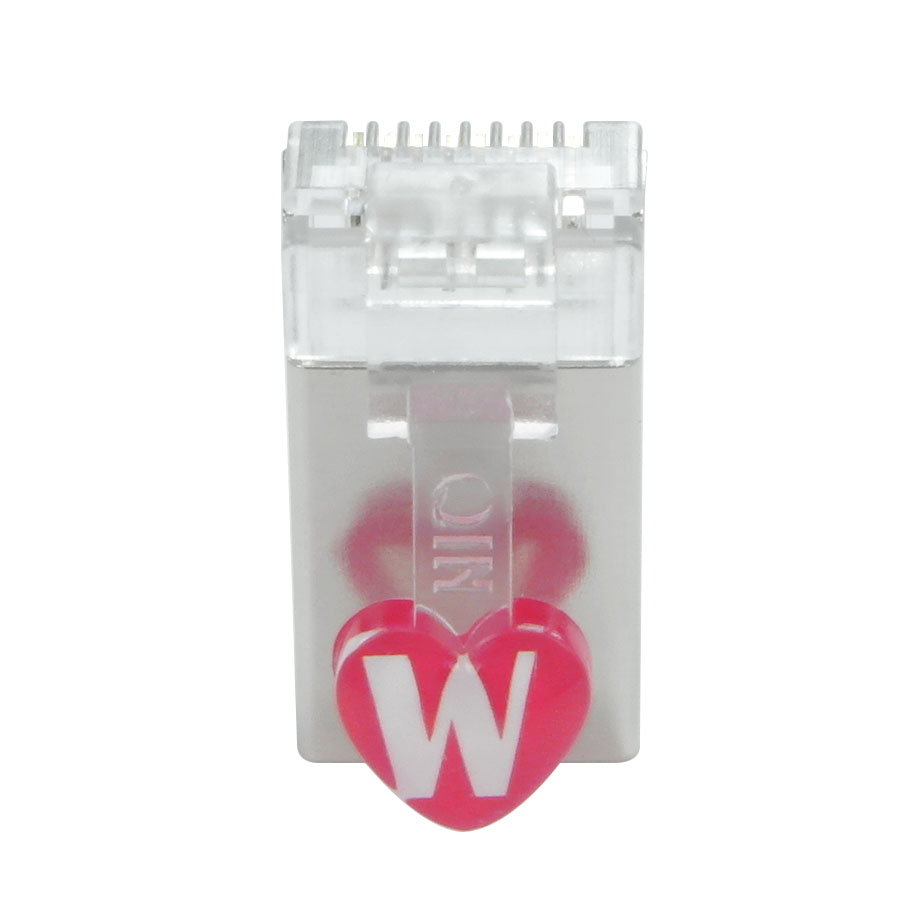
The continuous improvement of connector craftsmanship has further consolidated the foundation for the product to pass Fluke testing. This product adopts thickened gold-plated crystal heads with standard gold plating thickness on the contacts. After anti-oxidation treatment, it not only improves the signal conduction efficiency but also enhances the plug-in durability, ensuring no looseness or oxidation after long-term use, and avoiding signal interruption caused by poor contact of the connector. The connection between the crystal head and the wire body adopts an integrated injection molding process, which fits closely without gaps, effectively preventing moisture and dust, and enhancing tensile strength. Even in scenarios with frequent plugging and complex cabling, it can maintain stable transmission performance and successfully pass the strict verification of connection reliability in Fluke testing.
-
-
-
-
-
-
-
-
-
-
Flange Type Fixed Fiber Optic Adapter for Rack Panel
Sep 19, 2026955
-
Fiber Pigtail 12 Cores SC UPC Single Mode
Sep 04, 2026930
-
12 Port Cat6 Patch Panel Small Cabinet
Sep 12, 2026929
-
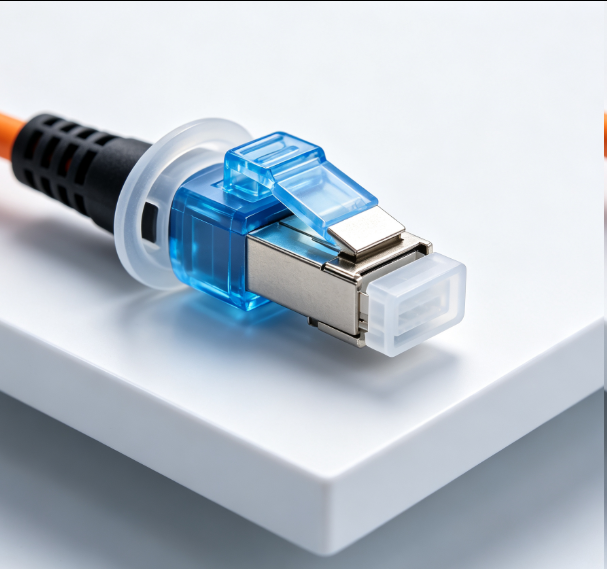
Dust Cap Equipped Fiber Patch Cable Protective
Sep 03, 2026929
-
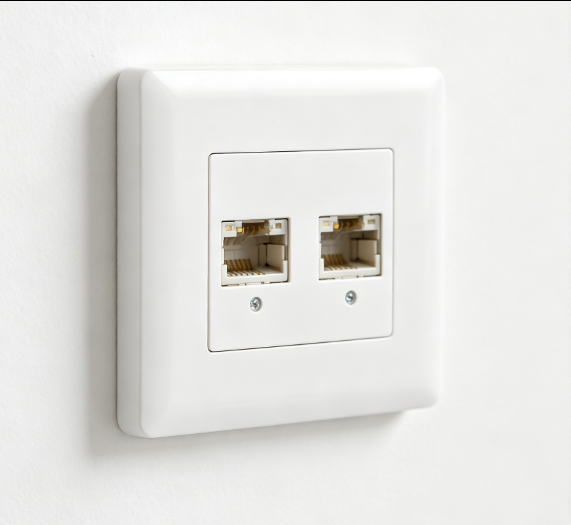
EU Standard Network Faceplate
Sep 11, 2026927