- Language
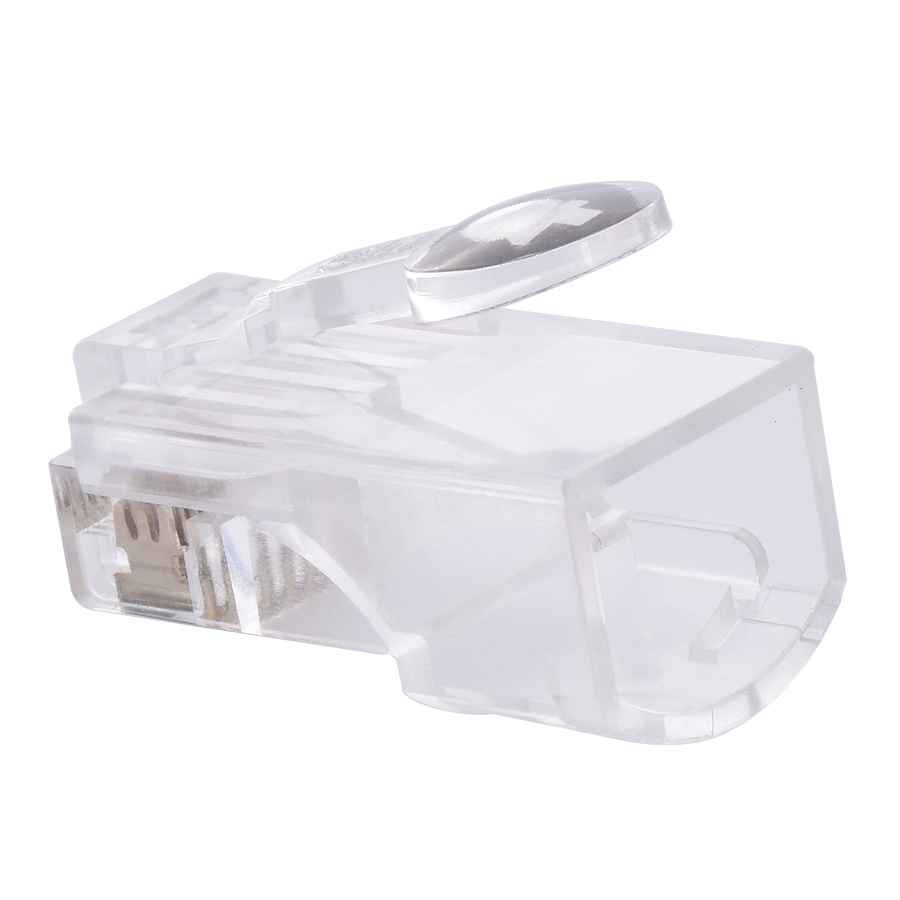
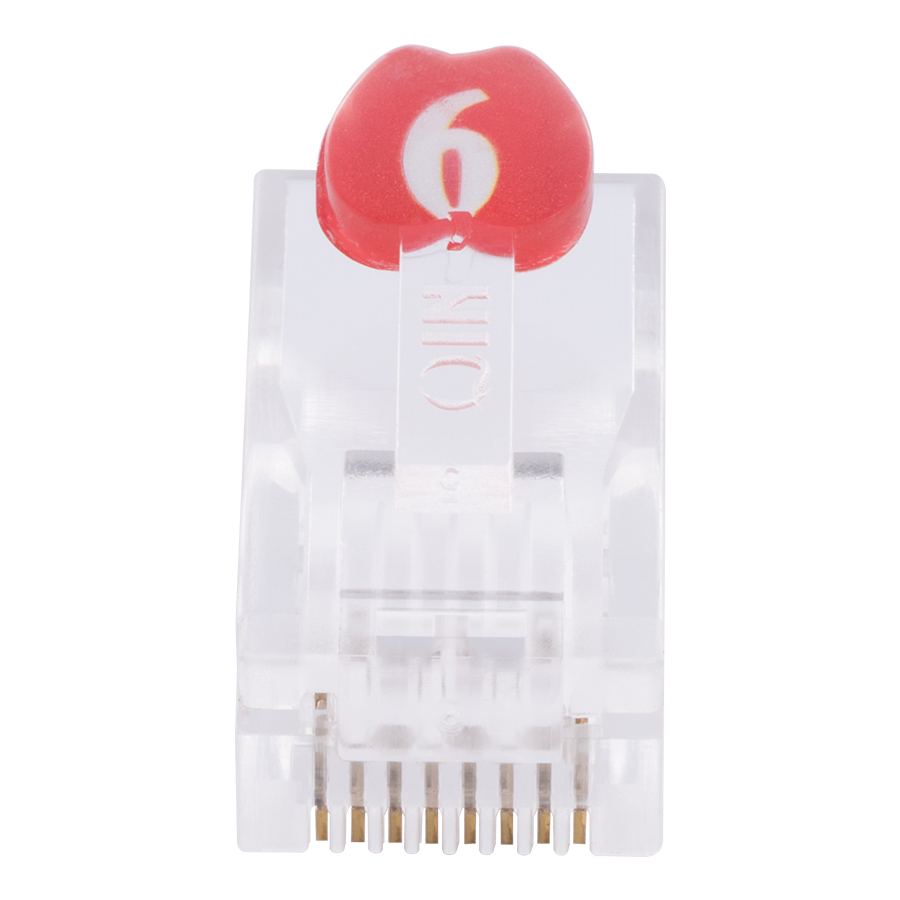
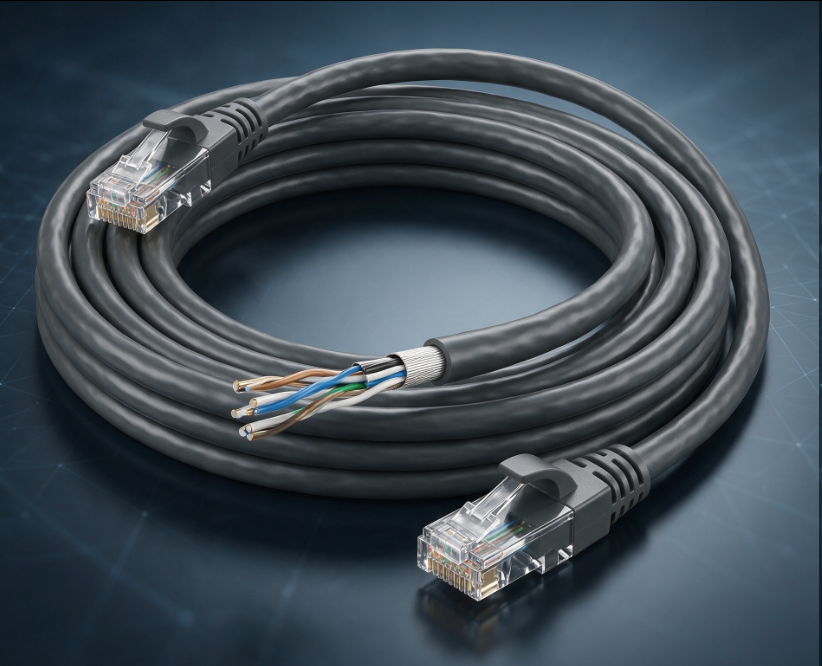
Cat6 UTP CCA patch lead
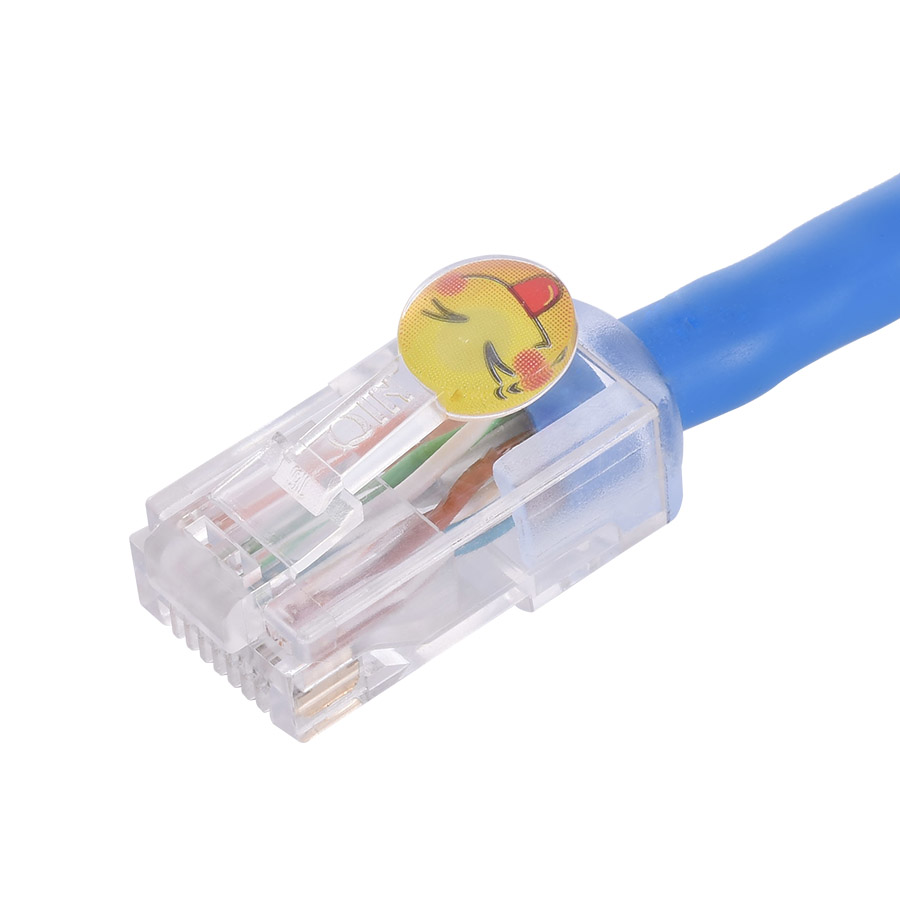
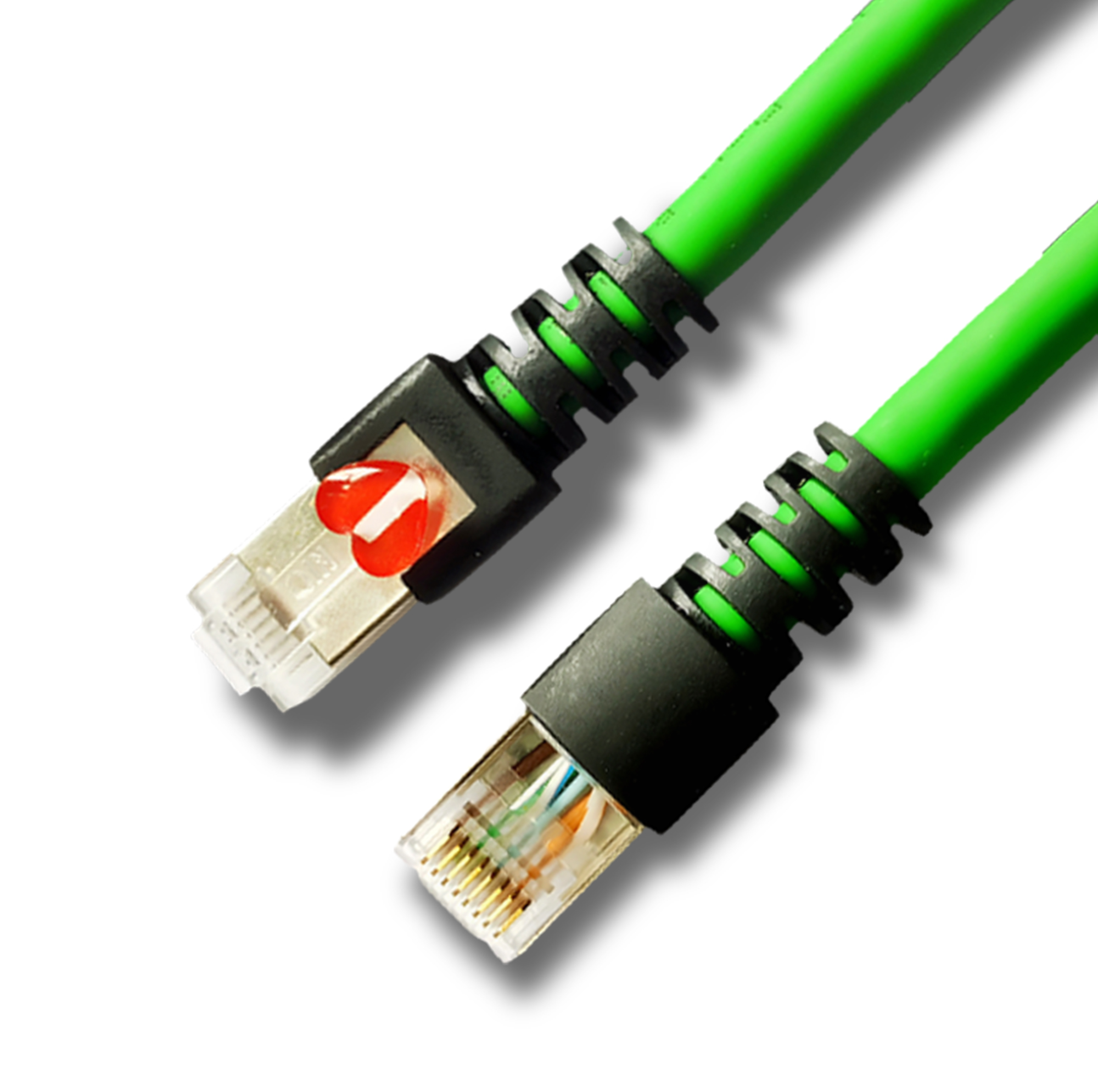
In integrated wiring systems,Cat6 UTP CCA patch lead is a non-shielded patch cable manufactured in line with Cat6 network standards, widely used in home networking, small enterprise office networking, monitoring networking, weak current engineering and other medium and low-speed network scenarios. As a mainstream commercial and civil network wiring standard, Cat6 sits between Category 5e and Category 6A, balancing transmission bandwidth, adaptability and cost performance, and can stably support gigabit network transmission to meet basic network demands such as daily office work, audio and video entertainment, and security data transmission. The Cat6 patch lead with CCA (Copper Clad Aluminum) material and UTP (Unshielded Twisted Pair) structure is a cost-effective entry-level wire product in the Cat6 series. Different from high-end wires made of oxygen-free copper with shielded structures, it accurately adapts to the networking demands of conventional working conditions and has become a preferred accessory for integrated wiring in small and medium-sized scenarios. Based on the core characteristics of Cat6 standards, this paper comprehensively analyzes the parameter specifications, performance advantages and disadvantages, applicable scenarios and selection key points of Cat6 UTP CCA patch lead.
From the perspective of core standard definition, Cat6 network cables have fixed industrial technical parameters, which serve as the core benchmark for the performance output of Cat6 UTP CCA patch lead. Standard compliant Cat6 network cables have a rated bandwidth of 250MHz and support stable gigabit transmission up to 1000Mbps, and can be compatible with 2G bandwidth transmission in short distances. Compared with Category 5e network cables, their bandwidth capacity is doubled, with greatly improved crosstalk resistance and attenuation resistance. Unlike Cat6A cables with high-standard 10-gigabit performance, Cat6 standards are more suitable for universal public networking demands, which can avoid excessive transmission performance waste and effectively control wiring costs. The Cat6 UTP adopts an unshielded structure without metal shielding layers, featuring softer wire texture and more flexible wiring, adapting to conventional indoor wiring environments without strong interference. As a mainstream material for entry-level Cat6 patch leads, CCA material is made by plating pure copper on the surface of aluminum cores, combining the transmission characteristics of copper with the lightweight and low-cost advantages of aluminum.
Combined with the performance positioning of Cat6 standards, Cat6 UTP CCA patch lead has exclusive performance advantages and adapts to most conventional network scenarios. Within the compliant short-distance transmission range, this patch lead strictly follows Cat6 wiring standards with precisely twisted wire pairs, which effectively reduces inter-wire crosstalk and signal attenuation, ensures full-speed operation of gigabit networks, and can stably carry conventional network services such as high-definition video playback, multi-device simultaneous networking, office file transmission and monitoring video return transmission. The UTP unshielded structure has no interference from metal shielding layers, offering better bending performance and portability, suitable for flexible wiring scenarios such as desktop equipment jumping, short-distance cabinet interconnection and terminal device direct connection, with convenient construction and storage. Compared with oxygen-free copper Cat6 patch leads, CCA wires are lighter in weight and lower in procurement cost, with prominent cost performance advantages for wiring projects with limited budgets and no complex electromagnetic interference.
Meanwhile, restricted by the Cat6 standard level and CCA material characteristics, Cat6 UTP CCA patch lead has clear performance boundaries, and scenario mismatches need to be avoided during selection and use. Limited by the physical properties of CCA materials, it has lower conductivity, oxidation resistance and corrosion resistance than pure oxygen-free copper. Under working conditions such as long-distance transmission, long-term humid environments and high-frequency high-intensity transmission, signal loss will increase significantly, prone to network speed fluctuation and slight packet loss. In addition, the UTP unshielded structure cannot resist strong electromagnetic interference, so it is not applicable to environments with high-voltage equipment around computer rooms, industrial workshops and mixed strong and weak current wiring. Lacking the service life and long-term stability of high-end shielded oxygen-free copper Cat6 patch leads, it is only suitable for short-term use, conventional indoor and low-interference basic networking scenarios, and cannot adapt to 10-gigabit high-speed transmission and harsh industrial networking demands.
Accurately matching Cat6 standard positioning and product characteristics can maximize the application value of Cat6 UTP CCA patch lead. In scenarios such as home whole-house networking, short-distance docking of desktops, televisions and routers, and home monitoring networking, it can perfectly adapt to home gigabit broadband, ensure smooth and stable daily networks, and meet basic public internet demands. In scenarios such as simple office networking for small shops and micro enterprises, temporary exhibition wiring and short-term weak current engineering, it can complete standardized Cat6 gigabit wiring at low cost, meet daily office, data transmission and equipment networking needs of enterprises, and greatly reduce project wiring budgets. For high-end scenarios including industrial networking, long-term commercial computer rooms, long-distance building wiring and 10-gigabit high-speed networking, shielded oxygen-free copper Cat6 or higher-grade wires need to be upgraded to avoid the performance shortcomings of CCA materials and unshielded structures.
In conclusion, as the golden standard for civil and light commercial networking, Cat6 adapts to most basic high-speed network demands, and Cat6 UTP CCA patch lead is a cost-effective wiring product compliant with this standard. With its compliant Cat6 gigabit transmission performance, flexible unshielded structure and economical CCA material advantages, it fills the market gap of entry-level high-speed wiring, and provides a low-cost, standardized and stable wiring solution for conventional indoor networking. Clarifying its Cat6 standard performance boundaries, material advantages and disadvantages and scenario adaptability, and implementing reasonable selection and standardized wiring can fully guarantee the transmission quality and operational stability of basic gigabit networks while controlling costs.
-
-
-
-
-
-
-
-
-
-
CAT6 Ethernet Gigabit Cable
Aug 15, 2026907
-

Media Converter Network Patch Cord
Jun 27, 2026906
-
UY2 Connector for Telephone Wire
Jul 08, 2026897
-
Network Cable Bandwidth Capacity
Jul 06, 2026897
-
Flame Retardant Cat7 Boot Cover
Jul 14, 2026888