- Language
Cat6a Patch Leads: Technical Specifications & Core Advantages
Cat6a Patch Leads, also known as Cat6a Network Patch Cables or Cat6a Ethernet Cables, are high-performance network transmission connecting cables designed in compliance with TIA/EIA 568-C.2 and ISO/IEC 11801 standards. They are mainly used for high-speed data transmission connection between local area network (LAN) devices, compatible with various network terminal equipment such as PCs, servers, routers, switches, surveillance devices, PoE devices, and NAS storage. Focusing on the three core needs of high speed, stability and anti-interference, the product breaks through the limitations of traditional patch cables, such as insufficient bandwidth, weak anti-interference ability and limited transmission distance. Adopting precision twisting technology and shielding design, it supports 10-Gigabit Ethernet transmission with a bandwidth of up to 550MHz, enabling stable high-speed data transmission within 100 meters. At the same time, it is backward compatible with older network devices such as Cat5e and Cat6, taking into account current usage needs and future network upgrade reserves. It is the core transmission solution for mid-to-high-end network scenarios such as enterprise computer rooms, data centers, office parks and high-definition surveillance, providing reliable support for high-speed network applications such as big data, cloud computing and 4K streaming media.
I. Core Hardware Configuration (Technical Parameters)
Cat6a Patch Leads adopt full-link standardized production process, strictly controlling conductor material, twisting precision, shielding effect and interface quality, balancing transmission performance, physical durability and environmental adaptability. They can withstand daily plug-in wear, cable bending and complex environmental interference, adapt to various indoor and outdoor wiring scenarios, and meet the high-speed connection needs of different network terminals.
Conductor Material & Twisting Process: Adopting high-purity oxygen-free bare copper conductors with a wire gauge of 24AWG (7/0.20mm), it has excellent electrical conductivity, low signal transmission attenuation and low loss, fully complying with communication cable specifications, effectively improving the stability and fidelity of data transmission. It adopts a four-pair precision twisting design with encrypted and precisely controlled twist pitch. The twisting density and angle of each pair of twisted pairs are optimized and adjusted to minimize crosstalk between wire pairs, and reduce the impact of external electromagnetic interference (EMI) on transmission signals, ensuring no signal distortion or freezes during high-speed transmission.
Insulation & Sheath Material: The insulation layer is made of high-density PE foam material with excellent insulation performance, which can effectively isolate signal interference between wire pairs, and has good temperature resistance and wear resistance, with a wide operating temperature range, suitable for use in different environments. The sheath is made of environmentally friendly PVC or low smoke zero halogen (LSZH) material, which is environmentally friendly, non-toxic, flame-retardant and fire-proof. When burned, LSZH material produces less smoke and no toxic halogen gas, suitable for scenarios with high fire safety requirements such as computer rooms and office buildings. At the same time, the sheath is flexible and easy to bend, convenient for wiring and storage, not easy to age and crack, and has a long service life.
Transmission Performance Parameters: It supports a bandwidth of up to 550MHz and a maximum transmission rate of 10Gbps, far exceeding the performance of Cat6 patch cables (250MHz, 1Gbps), and can easily carry the needs of high-speed network applications such as big data transmission, 4K/8K high-definition video streaming, online games, cloud office and video surveillance. The transmission distance can reach 100 meters, and it can stably maintain a 10Gbps transmission rate within 100 meters without signal amplifiers. Compared with Cat6 patch cables (supporting 10Gbps within 55 meters), the transmission distance is greatly improved, suitable for long-distance wiring scenarios. The signal attenuation is ≤24dB/100m (100MHz), crosstalk attenuation is ≥40dB, and return loss is ≥15dB, ensuring the stability and accuracy of signal transmission. Passing Fluke channel testing, each patch cable is strictly inspected before leaving the factory to prevent unqualified products from entering the market.
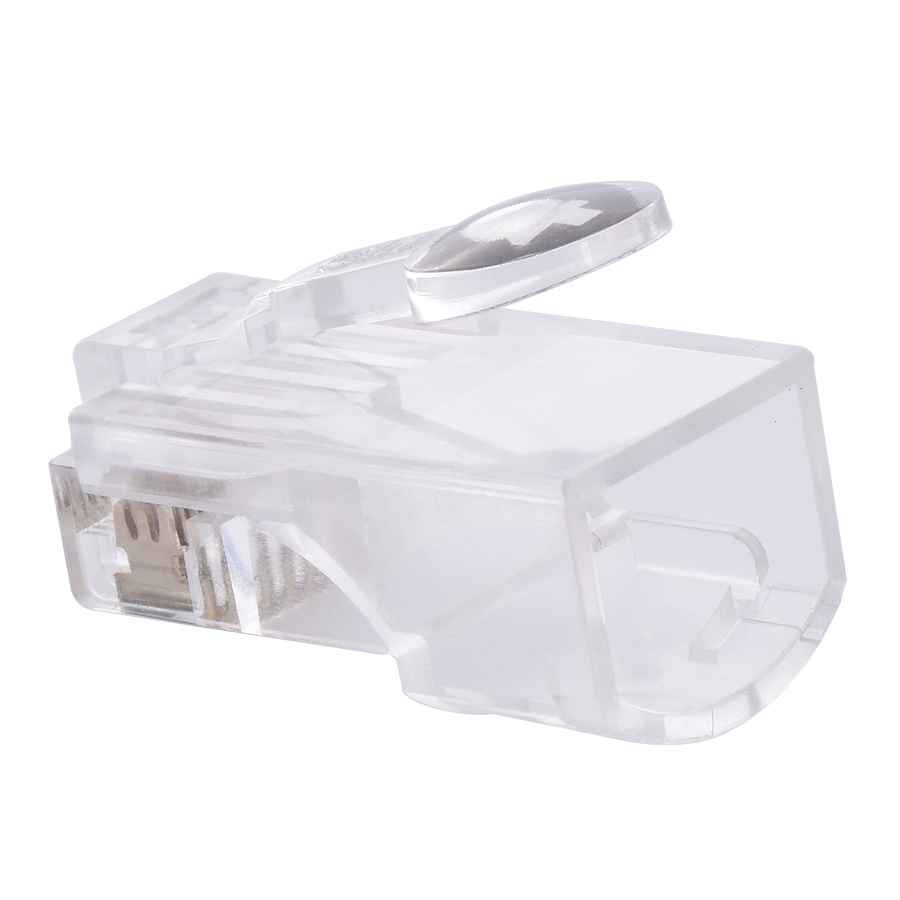
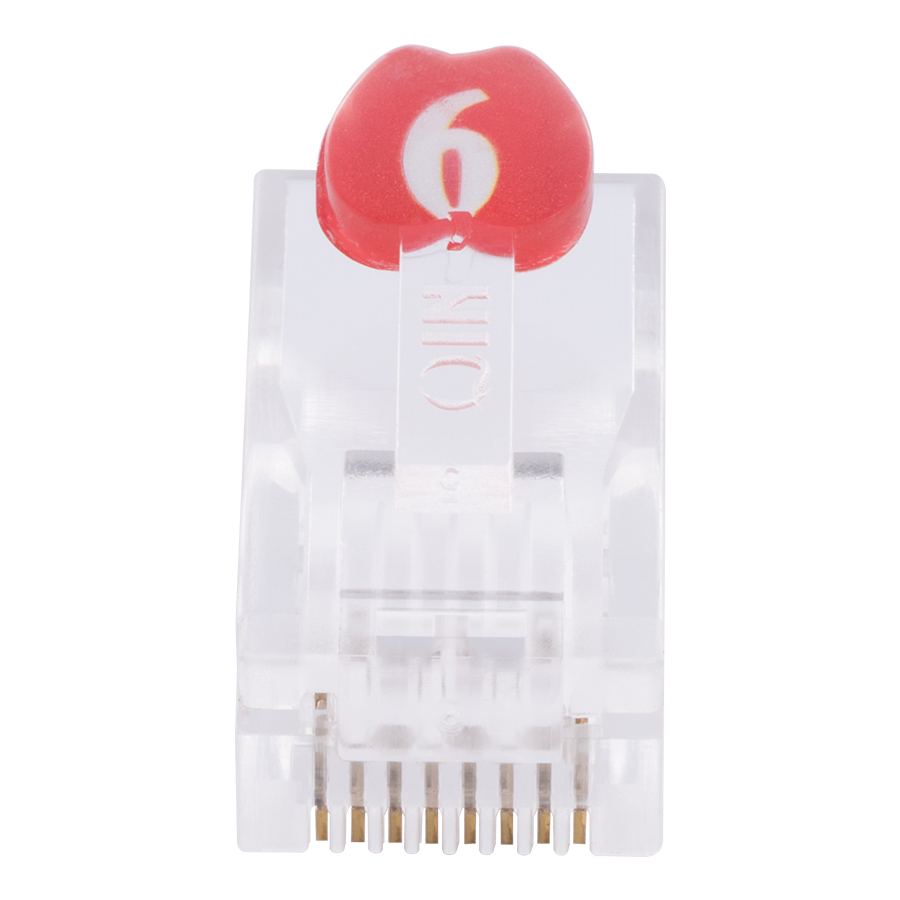
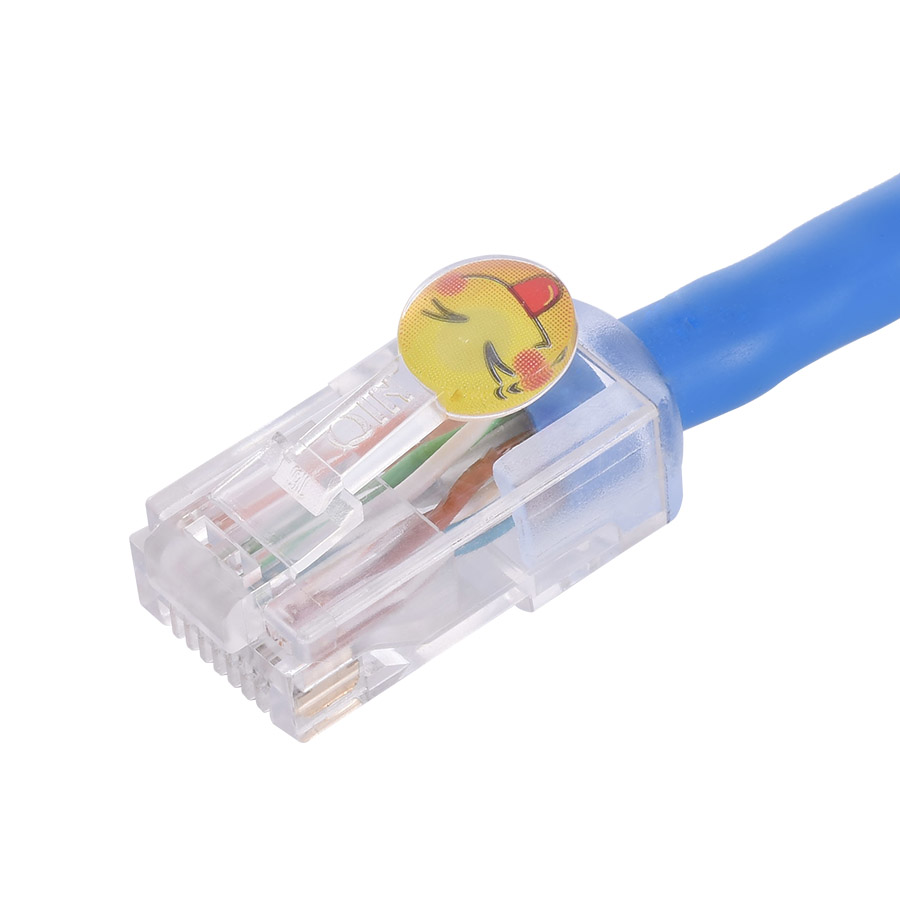
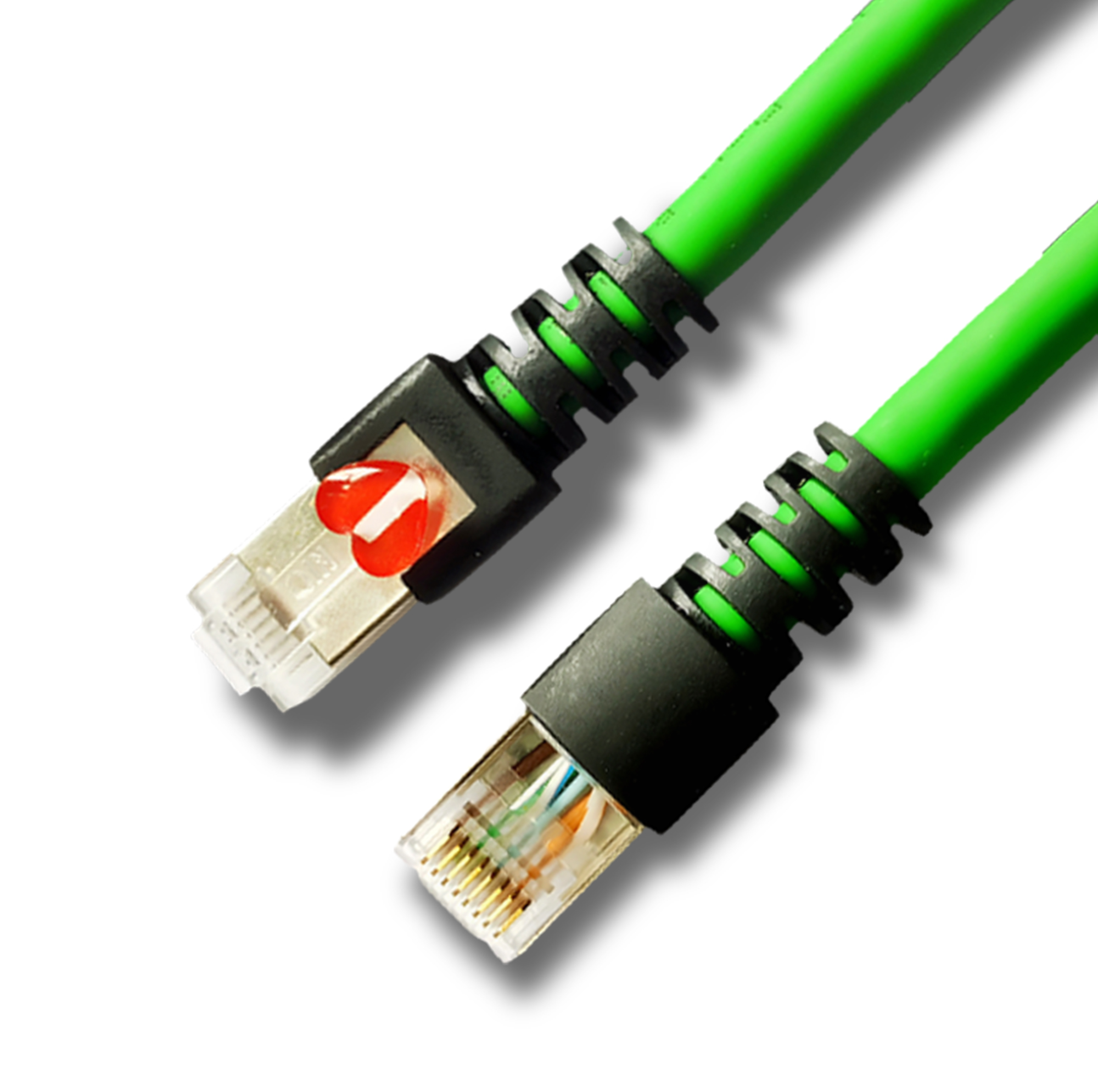
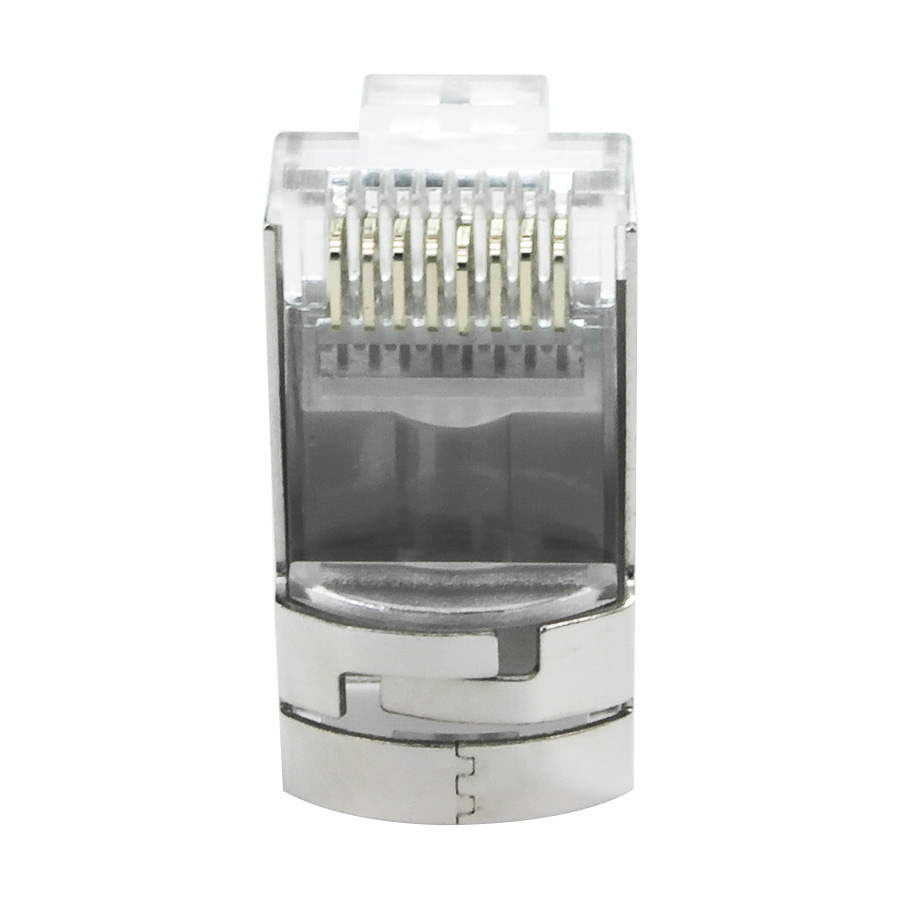
Interface Configuration: Adopting standard RJ45 crystal heads, supporting hot swapping, with smooth plugging and tight contact, not easy to loose. The crystal heads adopt gold-plated contact design with a gold plating thickness of ≥50μ'', which is anti-oxidation and corrosion-resistant, effectively reducing contact resistance, reducing signal transmission loss, and improving plug-in service life, able to withstand ≥1000 plug-ins without damage or affecting transmission performance. The crystal heads are equipped with Strain-Relief Boots, which can effectively protect the connection between the cable and the crystal head, avoid cable breakage and poor contact caused by frequent bending, improve product durability, and facilitate bending and arrangement during wiring.
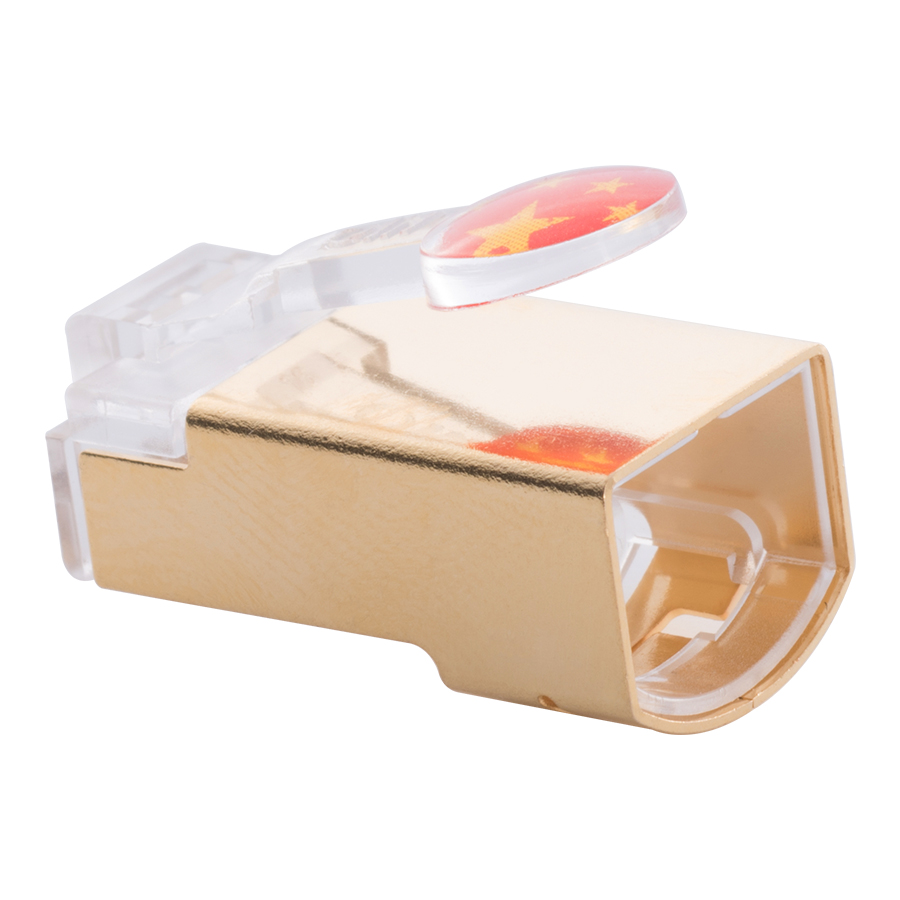
Shielding Type & Anti-Interference Performance: Two shielding specifications are available - shielded (SSTP/SFTP/FTP) and unshielded (UTP), adapting to different interference environment needs. Shielded patch cables adopt double shielding design of metal foil (FTP) or metal braid + metal foil (SSTP/SFTP), which can effectively isolate external electromagnetic interference (such as interference generated by high-voltage equipment such as air conditioners, motors and frequency converters) and radio frequency interference (RFI), and reduce external radiation of their own signals. They perform particularly well in scenarios with dense equipment and severe interference such as computer rooms and data centers, ensuring no freezes or packet loss during high-speed transmission. Unshielded patch cables adopt optimized twisting technology without shielding layer, having the advantages of light weight, good flexibility and moderate cost, suitable for scenarios with less interference such as office areas, homes and small computer rooms, meeting daily high-speed network transmission needs, and backward compatible with various unshielded network devices.
Specifications & Dimensions: The outer diameter of the cable is 6.1±0.4mm, with moderate thickness, convenient for wiring and storage, and can easily pass through wiring pipes and trunking, adapting to various wiring scenarios. It has a complete range of length specifications, covering common specifications such as 0.15m, 0.3m, 0.5m, 0.9m, 1m, 2m, 3m, 5m and 10m, which can be flexibly selected according to the actual equipment spacing, avoiding signal loss and messy cables caused by too long cables, or inconvenient connection caused by too short cables. It supports customization of special lengths to meet personalized wiring needs, and the wire sequence adopts T568B straight-through standard, compatible with most network equipment connection needs.
-
-
-
-
-
-
-
-
-
-
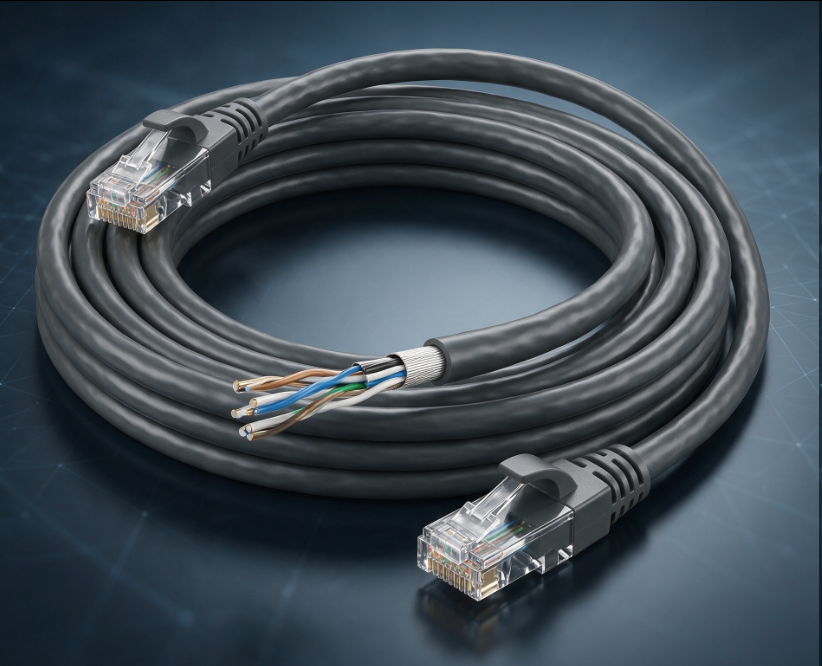
CAT6 Ethernet Gigabit Cable
Aug 15, 2026907
-

Media Converter Network Patch Cord
Jun 27, 2026906
-
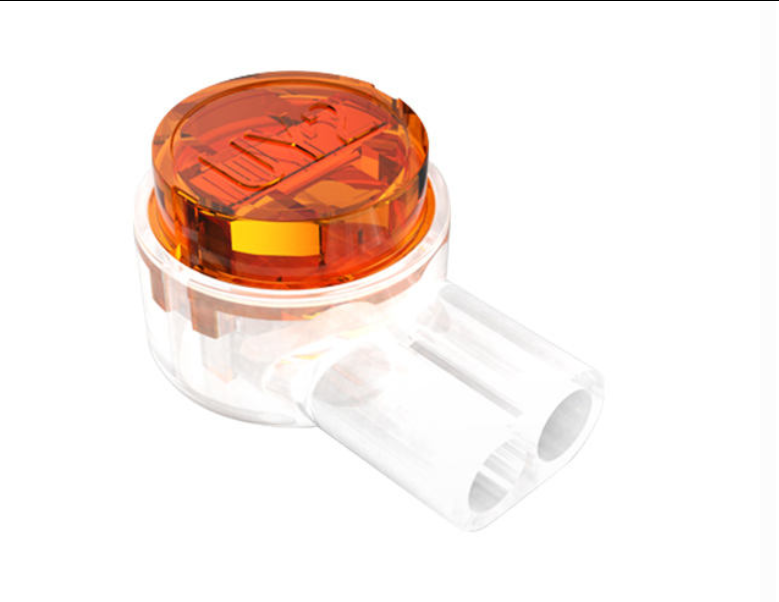
UY2 Connector for Telephone Wire
Jul 08, 2026897
-
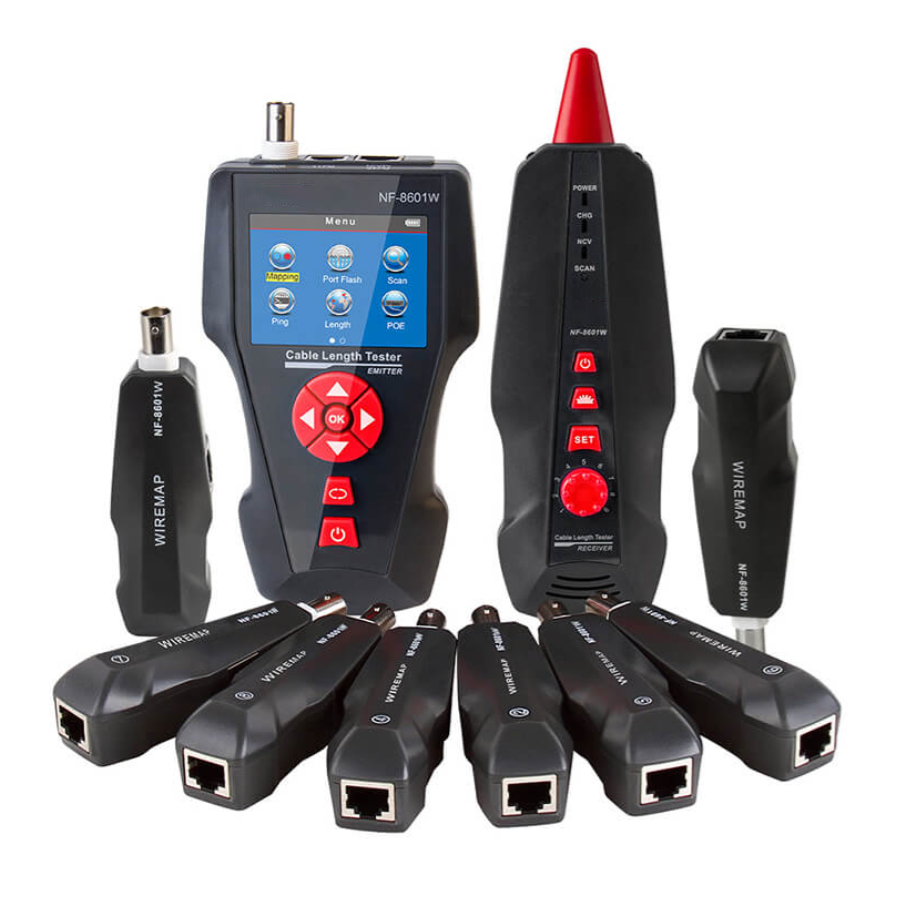
Network Cable Bandwidth Capacity
Jul 06, 2026897
-
Flame Retardant Cat7 Boot Cover
Jul 14, 2026888