- Language
Cat6a Solid Cable for Permanent Installation
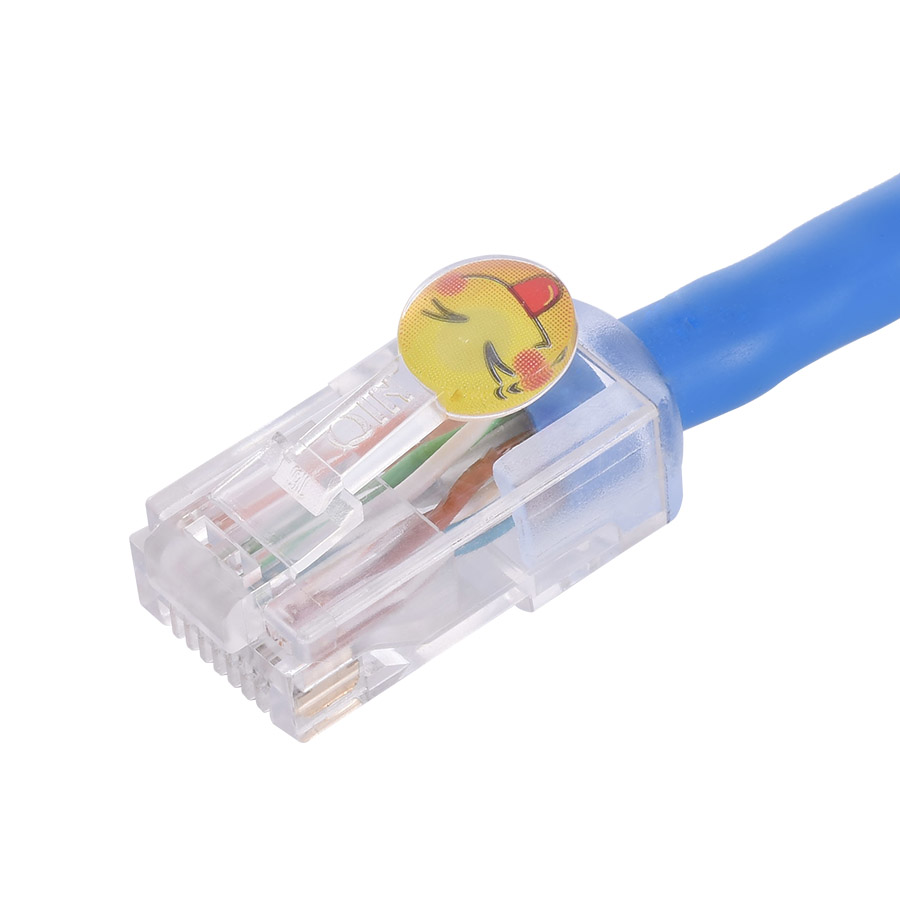
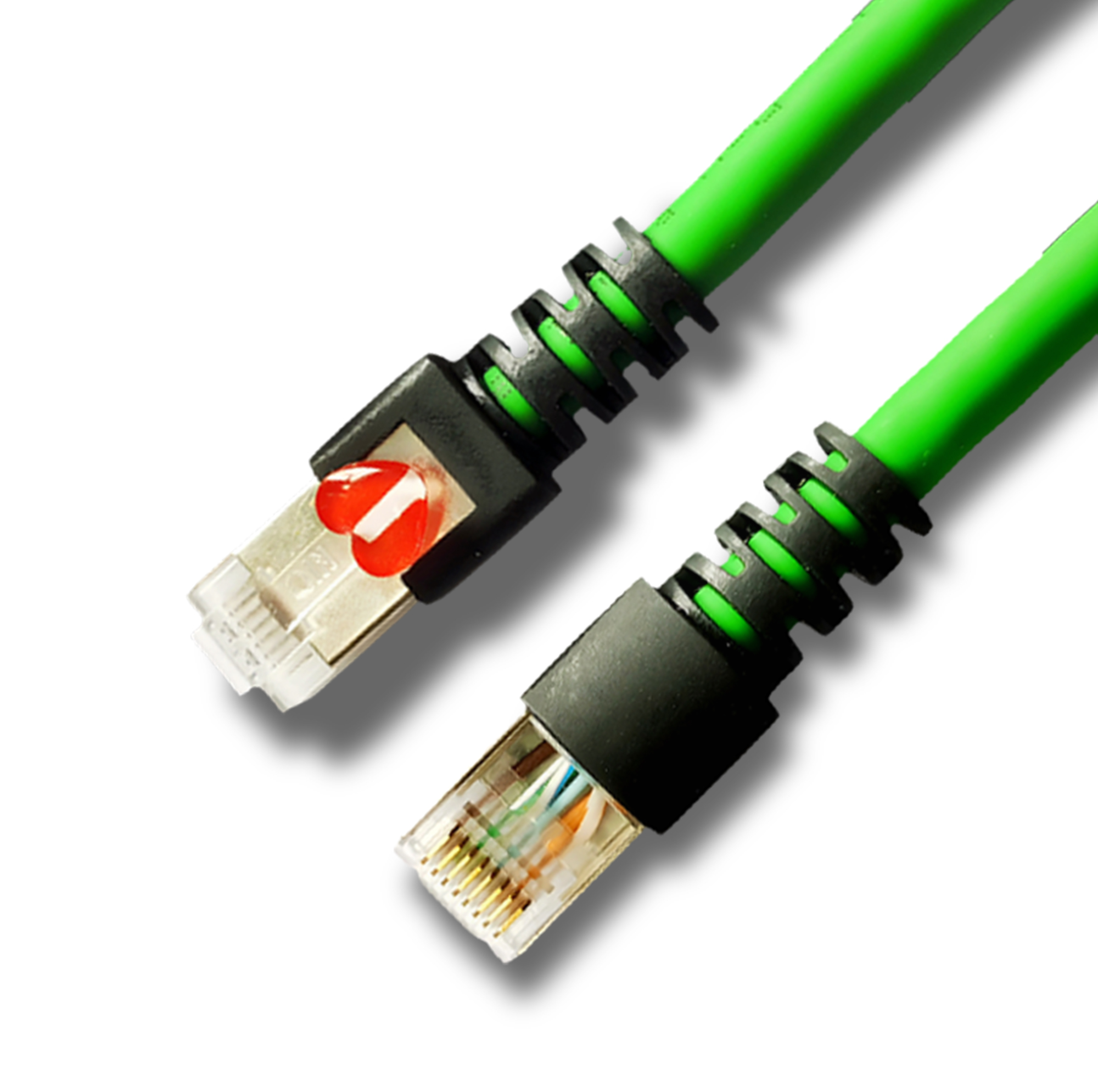
Cat6a solid cable stands out as the premier choice for permanent installation scenarios, thanks to its robust construction and superior performance capabilities. Unlike stranded cables, which feature multiple thin copper strands for flexibility, solid Cat6a cables utilize a single, continuous copper conductor. This solid core design enhances mechanical stability, making the cable highly resistant to breakage or signal degradation caused by vibrations, temperature fluctuations, or long-term stress—critical factors in permanent installations such as building backbone cabling, wall runs, or ceiling-mounted infrastructure. Additionally, the solid conductor minimizes signal loss (attenuation) over extended distances, supporting 10 Gigabit Ethernet speeds up to 100 meters, which is essential for modern network infrastructures that demand high bandwidth and reliable data transmission.
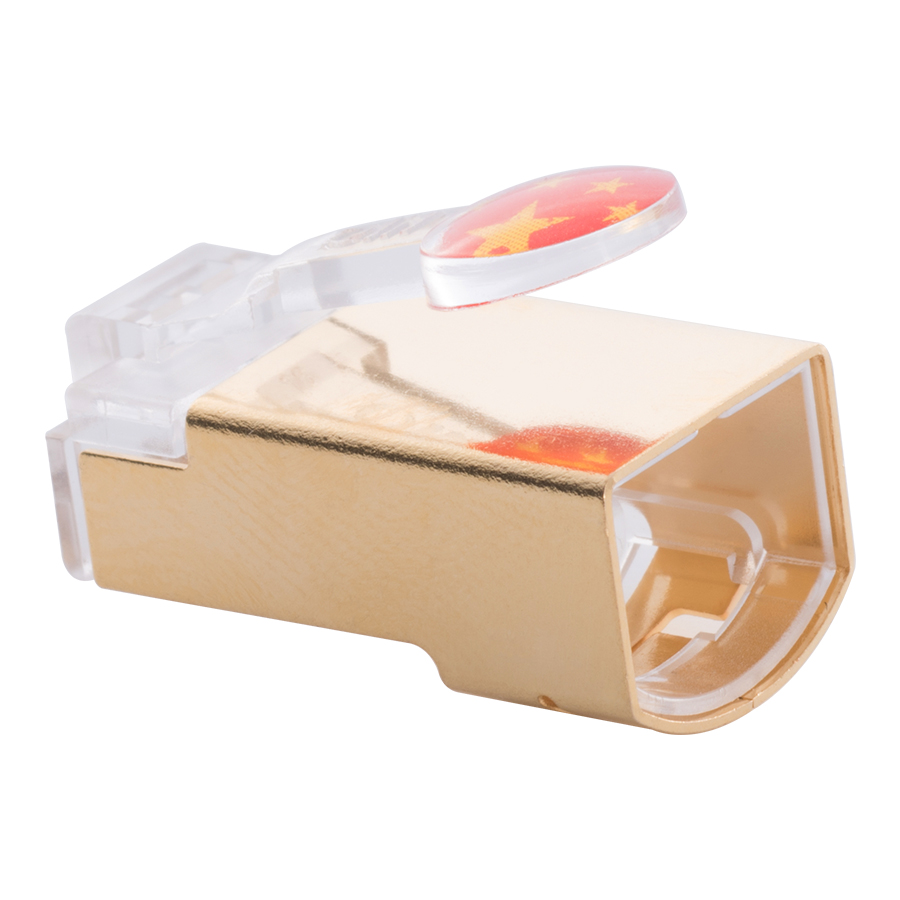
Another key advantage of Cat6a solid cable for permanent installation is its ease of termination and long-term durability. When installed in fixed locations, the cable is typically terminated once during the initial setup, and the solid core ensures a secure, consistent connection with jacks and patch panels. This reliability reduces the need for maintenance or retermination over time, lowering overall operational costs for businesses, data centers, or residential buildings with permanent network requirements. Furthermore, Cat6a solid cable is designed to meet strict industry standards for crosstalk and electromagnetic interference (EMI) resistance, with enhanced shielding options available to further protect signals in high-noise environments. Whether used in commercial office buildings, educational institutions, or industrial facilities, solid Cat6a cable provides a future-proof solution for permanent network installations, capable of supporting evolving technologies and increasing bandwidth demands.
-
-
-
-
-
-
-
-
-
-

Media Converter Network Patch Cord
Jun 27, 2026904
-
Network Cable Bandwidth Capacity
Jul 06, 2026895
-
UY2 Connector for Telephone Wire
Jul 08, 2026892
-
Wall-mounted Network Cabinet
Jun 30, 2026878
-
Four-Port Network Faceplate
Jul 03, 2026875