- Language
Cat7 lan cable for 40gbase-t short distance
The Cat7 LAN cable is specifically engineered to support 40GBASE-T transmissions over short distances, making it an ideal solution for high-speed network environments where space is limited and bandwidth demands are critical. Unlike its predecessors such as Cat5e or Cat6, Cat7 cables feature enhanced shielding and stricter performance specifications that enable them to handle the high-frequency signals required for 40Gbps data transfer. The 40GBASE-T standard, which defines the transmission of 40 Gigabit Ethernet over twisted-pair copper cables, typically operates at a frequency of up to 600 MHz, and Cat7 cables are designed to meet or exceed this frequency requirement with minimal signal degradation. For short-distance applications—generally up to 10 meters—Cat7 cables deliver consistent, reliable 40Gbps performance, making them suitable for data centers, server rooms, and enterprise environments where multiple high-performance devices need to communicate seamlessly.
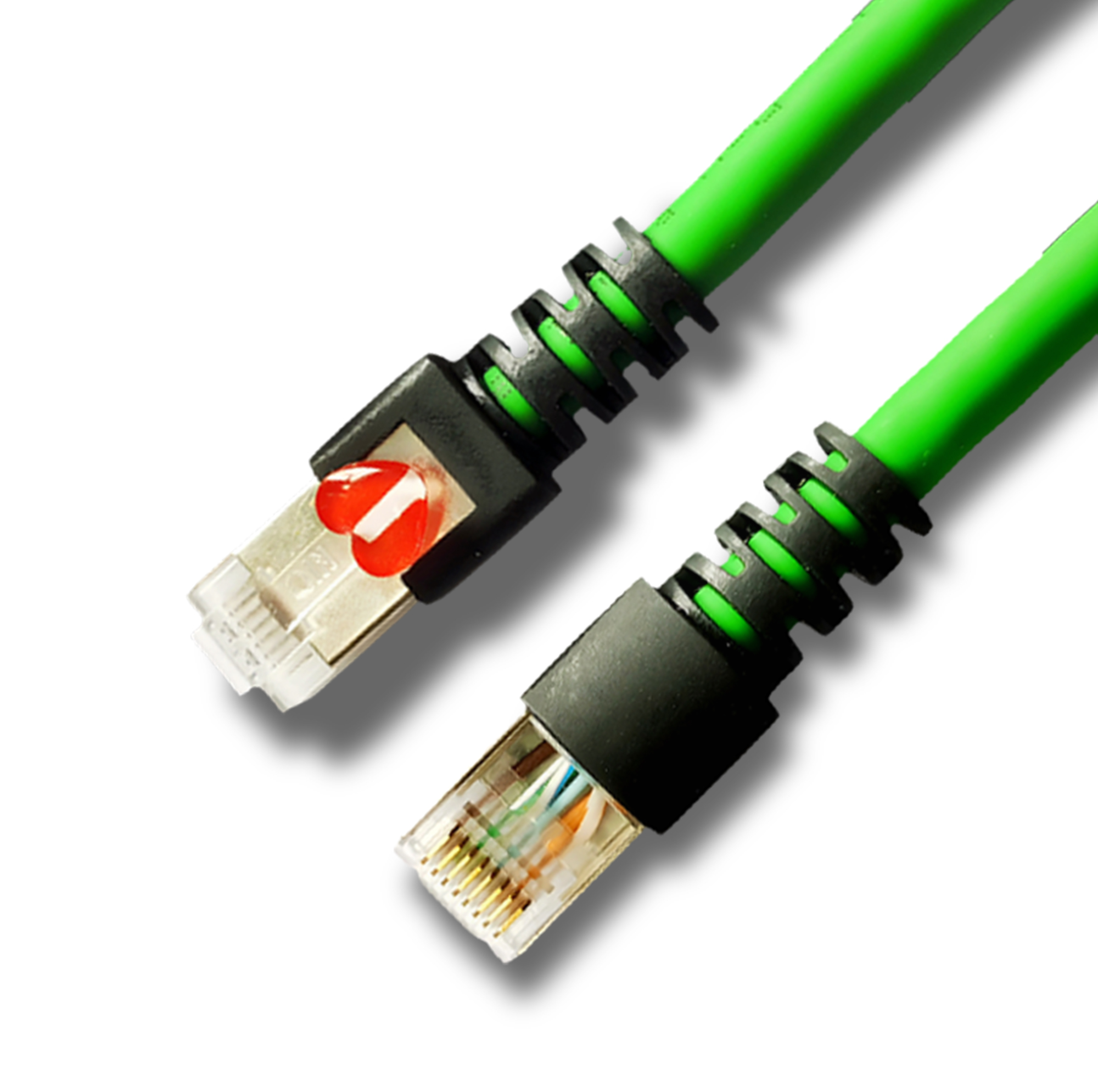
One of the key advantages of Cat7 cables for 40GBASE-T short-distance use is their robust shielding design, which typically includes both individual pair shielding (IPS) and an overall braided shield (S/FTP). This dual-shielding configuration effectively minimizes electromagnetic interference (EMI) and crosstalk, two common issues that can disrupt high-speed signal transmission. In dense network environments where numerous cables are routed closely together, EMI from adjacent cables or external electronic devices can significantly impact signal quality. The shielding of Cat7 cables prevents these disruptions, ensuring that 40Gbps data streams remain stable and error-free over the short distances required by 40GBASE-T. Additionally, Cat7 cables are constructed with high-quality copper conductors and precise twisting of pairs, which further enhances signal integrity and reduces attenuation, allowing for the efficient transmission of large volumes of data—such as video streaming, cloud computing, and large file transfers—without latency or packet loss.
-
-
-
-
-
-
-
-
-
-

Media Converter Network Patch Cord
Jun 27, 2026904
-
Network Cable Bandwidth Capacity
Jul 06, 2026895
-
UY2 Connector for Telephone Wire
Jul 08, 2026892
-
Wall-mounted Network Cabinet
Jun 30, 2026878
-
Four-Port Network Faceplate
Jul 03, 2026875