- Language
Duct Optical Fiber Cables
Duct optical fiber cables are designed to be installed inside pre-existing underground or overhead conduits, which provide an additional layer of protection against physical damage, moisture, and environmental hazards. These cables are widely used in urban areas, where underground conduit systems are already in place for electrical, telephone, or cable TV services, as they allow for efficient and non-disruptive installation without the need for extensive trenching. Duct cables are also used in industrial facilities, campuses, and commercial districts, where maintaining a clean and organized infrastructure is a priority.
The structure of duct optical fiber cables is focused on flexibility and ease of installation within conduits. They are typically smaller and more flexible than direct burial or aerial cables, with a smooth outer sheath that reduces friction when pulling the cable through the conduit. The core components include optical fibers, buffer coatings, a water-blocking layer, and a strength member (often aramid yarns or fiberglass) to provide tensile strength during installation. The outer sheath is made of HDPE or PVC, which is resistant to abrasion and chemicals, ensuring the cable can withstand the friction and pressure of being pulled through narrow conduits. Some duct cables also feature a lubricated sheath to further reduce friction and simplify installation.
Installation of duct optical fiber cables involves pulling the cable through existing conduits using specialized equipment, such as cable pullers or winches. The cables are designed to be pulled long distances—often several hundred meters—without sustaining damage, thanks to their flexible structure and strong strength members. Duct cables are available in various configurations, including loose-tube and tight-buffered designs. Loose-tube duct cables have fibers placed in a central tube filled with water-blocking gel, making them ideal for long-distance applications, while tight-buffered cables have each fiber individually coated, making them suitable for shorter runs and indoor-outdoor transitions. These cables are essential for urban network expansion, as they allow service providers to upgrade their infrastructure without disrupting roads, sidewalks, or existing buildings.
-
-
-
-
-
-
-
-
-
-
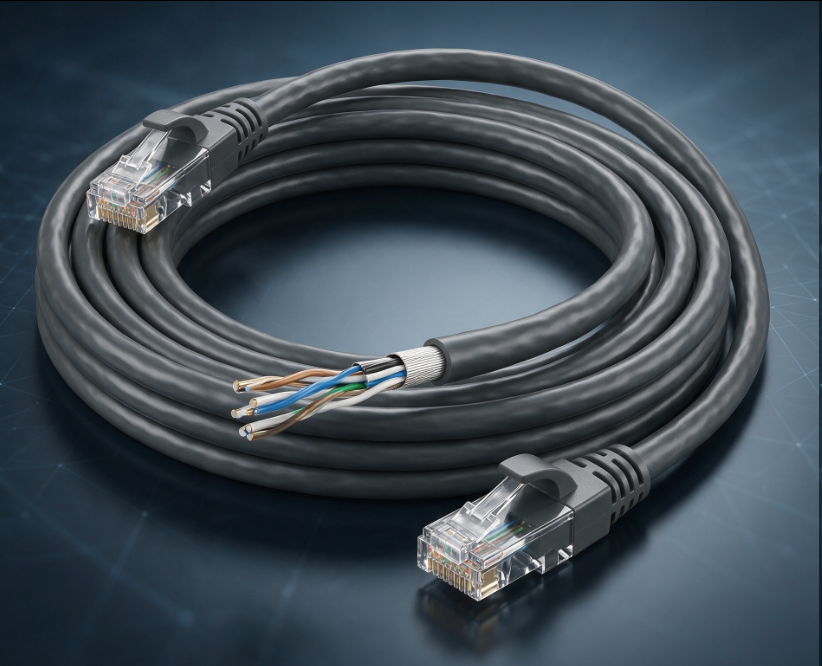
CAT6 Ethernet Gigabit Cable
Aug 15, 2026907
-

Media Converter Network Patch Cord
Jun 27, 2026906
-
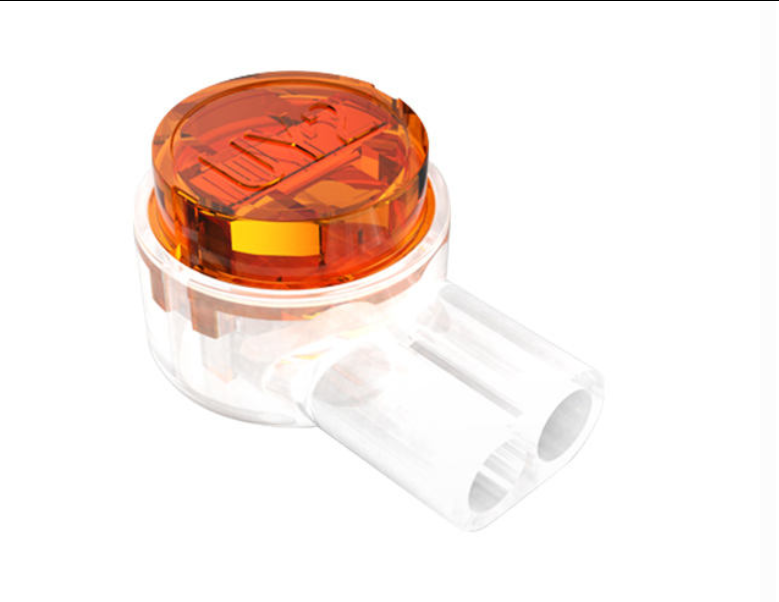
UY2 Connector for Telephone Wire
Jul 08, 2026897
-

Network Cable Bandwidth Capacity
Jul 06, 2026897
-
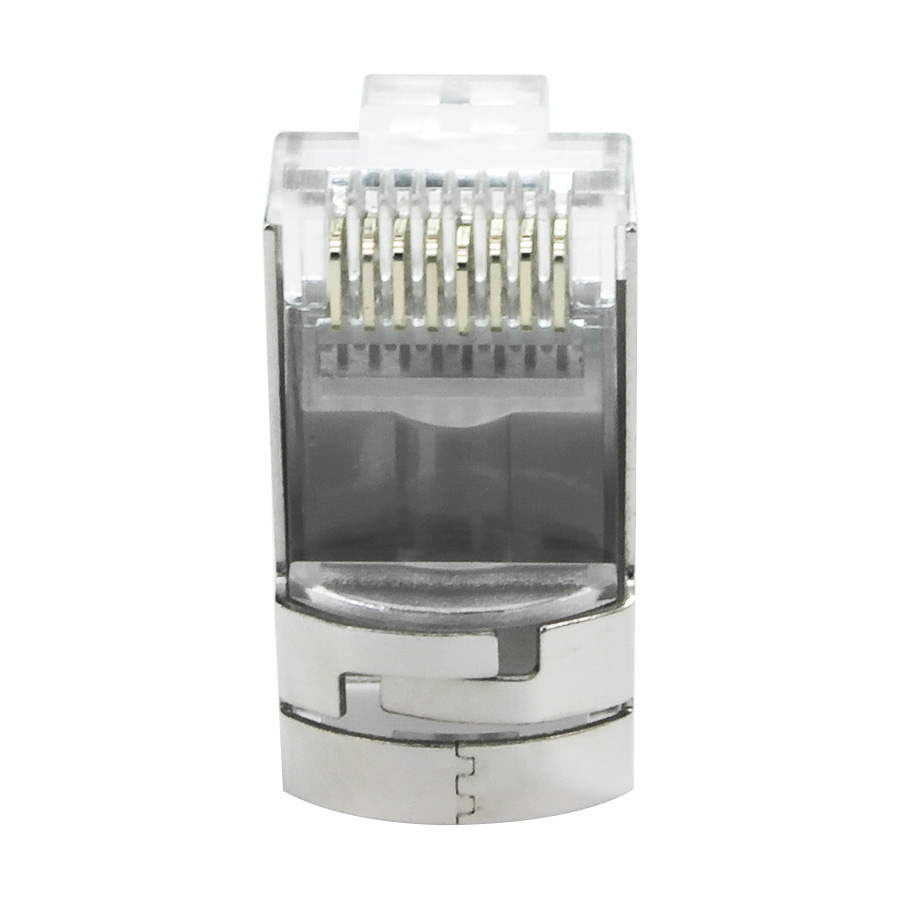
Flame Retardant Cat7 Boot Cover
Jul 14, 2026888