- Language
FTTH Drop Fiber Optic Cable
FTTH (Fiber to the Home) drop fiber optic cable is a key component of FTTH communication systems, designed to connect the optical distribution network (ODN) to individual homes and businesses, providing high-speed broadband access. Unlike backbone fiber optic cables, FTTH drop cables are lightweight, flexible, and easy to install, making them suitable for indoor and outdoor routing, including wall-mounted, overhead, and underground installations. The primary goal of FTTH drop cables is to deliver high-quality optical signals from the central office to the end user, supporting high-speed internet, voice, and video services, such as 4K/8K video streaming, online gaming, and video conferencing.
The structure of FTTH drop fiber optic cable is relatively simple but highly functional. It typically consists of a fiber core, buffer layer, strength member, and outer sheath. The fiber core is usually a single-mode optical fiber, which has low signal attenuation and high transmission bandwidth, making it ideal for long-distance and high-speed transmission. The buffer layer, made of soft materials such as polypropylene (PP), provides protection for the fiber core, reducing the impact of external forces and preventing fiber breakage. The strength member, which is usually made of aramid yarn or glass fiber, enhances the cable’s tensile strength and flexibility, allowing it to withstand the tension during installation and use. The outer sheath is made of high-quality polyethylene (PE) or polyvinyl chloride (PVC), which has excellent weather resistance, corrosion resistance, and wear resistance, ensuring the cable’s long-term stable operation in various environments.
FTTH drop fiber optic cables come in various types to meet different installation needs. The most common types include aerial drop cables, underground drop cables, and indoor drop cables. Aerial drop cables are designed for overhead installation, with a self-supporting structure that allows them to be installed between utility poles without additional support. Underground drop cables are suitable for burial in trenches or ducts, with a thick outer sheath that provides protection against moisture, soil corrosion, and mechanical damage. Indoor drop cables are lightweight and flexible, designed for routing inside buildings, such as along walls, ceilings, and floors, and are often equipped with a flame-retardant sheath to meet indoor fire safety standards.
One of the key advantages of FTTH drop fiber optic cable is its easy installation and maintenance. The cable is lightweight and flexible, making it easy to handle and route in tight spaces. It can be installed using simple tools, reducing installation time and costs. Additionally, the cable’s structure is designed to be durable, reducing the need for regular maintenance. With the rapid development of FTTH technology, the demand for FTTH drop cables is increasing, as more and more homes and businesses require high-speed broadband access. The cable’s high transmission quality and reliability ensure that end users can enjoy stable and fast internet services, meeting the growing demand for digital life and work. Moreover, FTTH drop cables are compatible with various FTTH equipment, such as optical splitters, optical connectors, and ONUs (Optical Network Units), making them highly versatile and suitable for different FTTH network architectures.
-
-
-
-
-
-
-
-
-
-
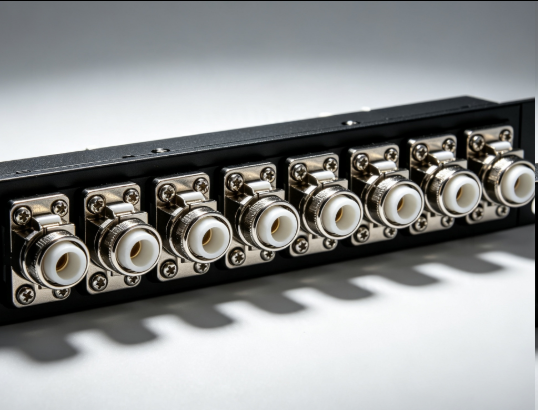
Flange Type Fixed Fiber Optic Adapter for Rack Panel
Sep 19, 2026955
-
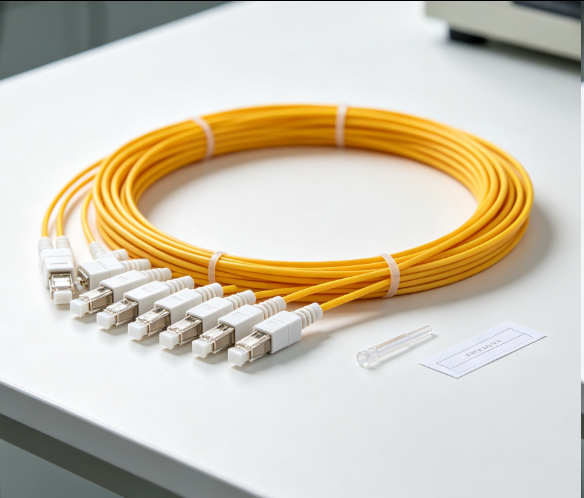
Fiber Pigtail 12 Cores SC UPC Single Mode
Sep 04, 2026930
-
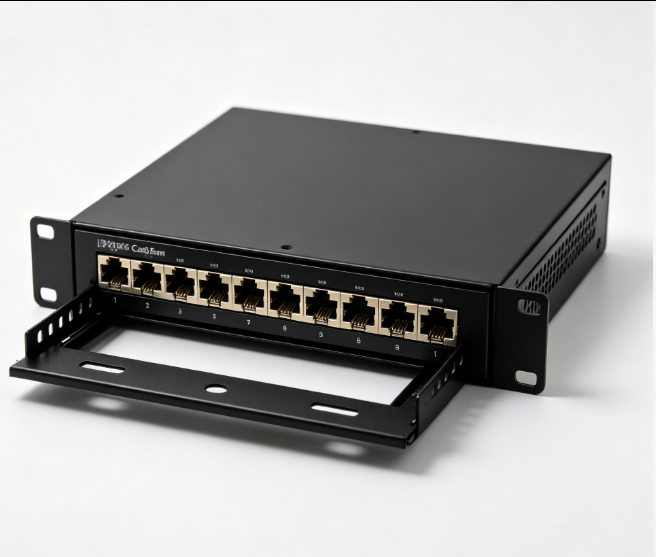
12 Port Cat6 Patch Panel Small Cabinet
Sep 12, 2026929
-
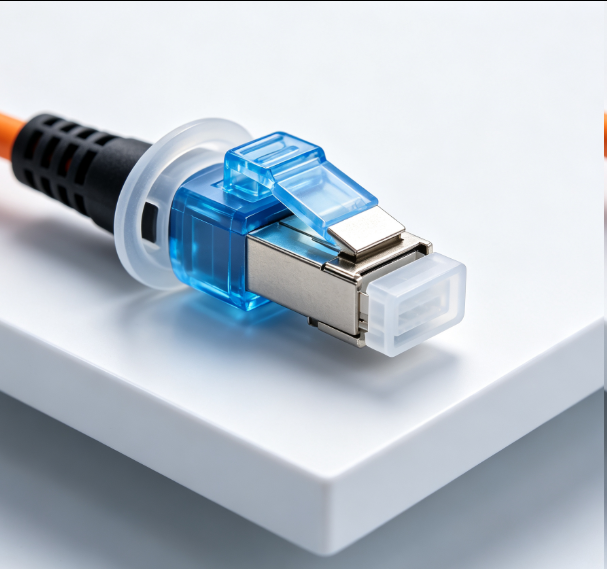
Dust Cap Equipped Fiber Patch Cable Protective
Sep 03, 2026929
-
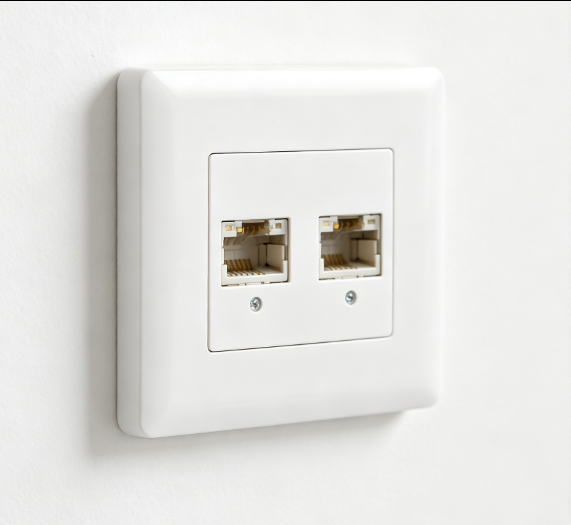
EU Standard Network Faceplate
Sep 11, 2026927