- Language
FTTH Single-Mode Fiber Optic Cable
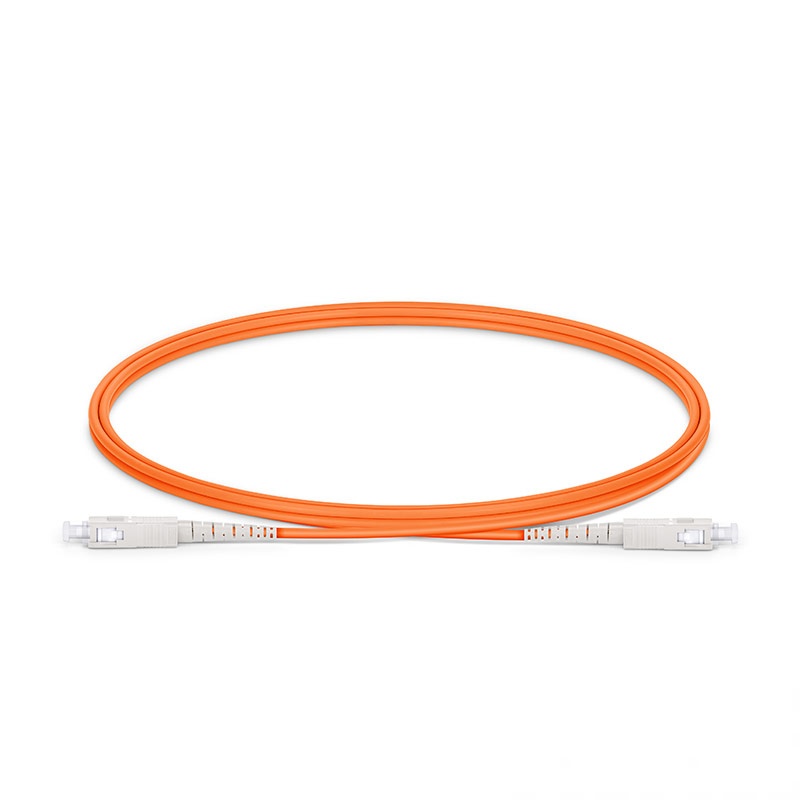
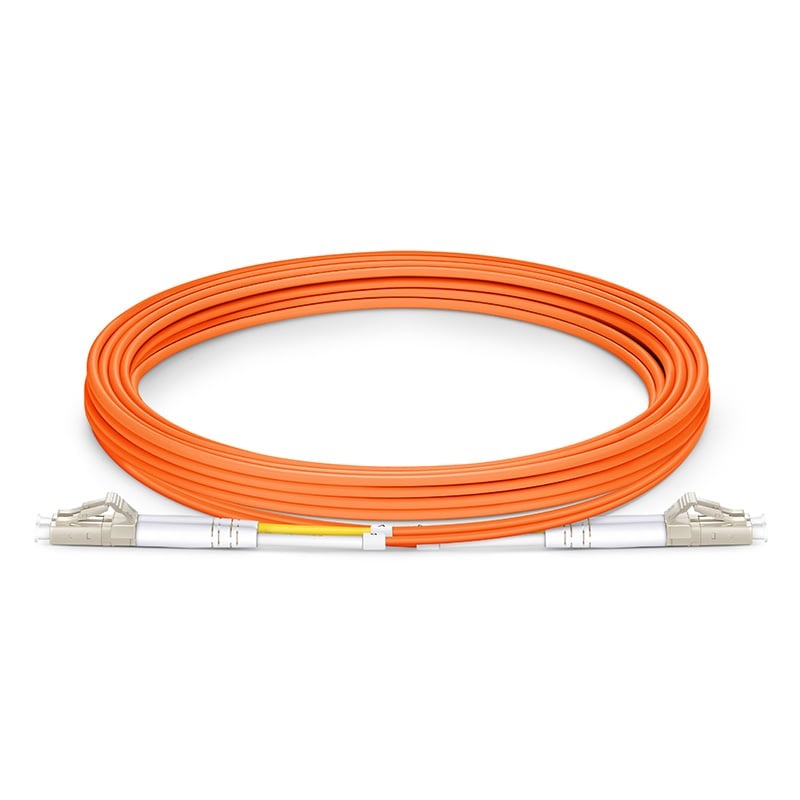
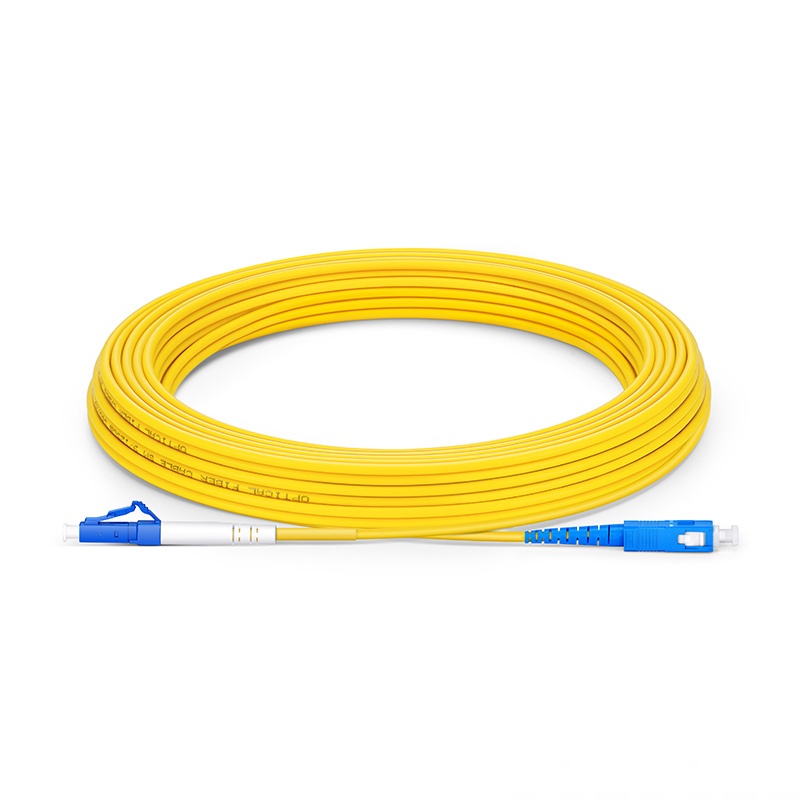
FTTH single-mode fiber optic cable is the cornerstone of modern fiber-to-the-home networks, designed to transmit a single beam of light through a narrow core (typically 8-10μm in diameter) surrounded by a 125μm cladding layer. This design eliminates modal dispersion, a common issue in multi-mode fibers where multiple light paths cause signal distortion, allowing for ultra-low signal loss and high-bandwidth transmission over long distances—critical for delivering high-speed broadband services to residential and commercial end-users. Unlike multi-mode fibers, which are limited to short-distance transmissions (usually under 500 meters), single-mode fibers can support transmission distances of tens of kilometers without the need for signal amplification, making them ideal for FTTH networks that require connectivity from central offices to individual homes or buildings.
FTTH single-mode fiber cables are available in various ITU-T standard types, with G.657A1 and G.652D being the most commonly used for FTTH applications. G.657A1 fibers are bend-insensitive, featuring a depressed cladding design that minimizes signal loss even when bent to small radii (as low as 10mm), making them perfect for indoor installations where tight bends are unavoidable, such as in wall cavities or around furniture. G.652D fibers, on the other hand, offer extended wavelength compatibility and low attenuation, suitable for both indoor and outdoor FTTH segments, providing seamless connectivity between the outdoor distribution network and indoor premises. Technical characteristics of FTTH single-mode fibers include attenuation levels of ≤0.35dB/km at 1310nm and ≤0.21dB/km at 1550nm, a zero dispersion wavelength of 1302-1322nm, and a mode field diameter of 9.0±0.4μm at 1310nm and 10.1±0.5μm at 1550nm, ensuring consistent and reliable signal transmission.
The construction of FTTH single-mode fiber cables is tailored to the demands of FTTH deployments, with options for both indoor and outdoor use. Outdoor variants feature a rugged design with steel wire or FRP strength members and a UV-resistant LSZH or PE jacket to withstand harsh weather conditions, while indoor variants prioritize flexibility and safety with a compact, flame-retardant LSZH jacket. These cables are also available in different configurations, including loose-tube and tight-buffered designs, with loose-tube cables suitable for outdoor use (providing protection against moisture) and tight-buffered cables ideal for indoor use (offering easier termination and handling). FTTH single-mode fiber cables comply with strict industry standards, ensuring compatibility with optical transceivers, splitters, and other network components. As the demand for gigabit and multi-gigabit internet services grows, FTTH single-mode fiber cables remain the preferred choice for network operators, enabling the delivery of high-quality, reliable connectivity that supports the future of digital communication.
-
-
-
-
-
-
-
-
-
-
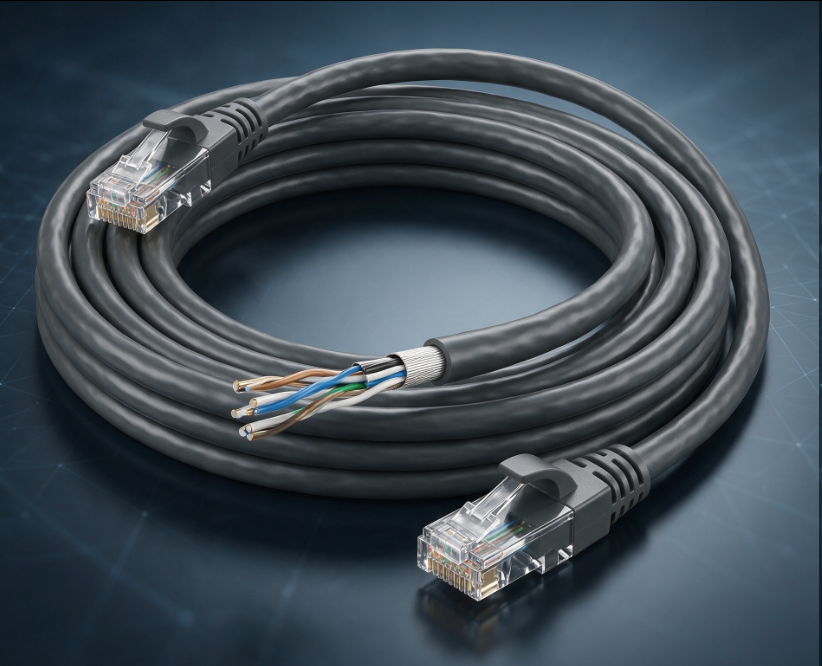
CAT6 Ethernet Gigabit Cable
Aug 15, 2026907
-

Media Converter Network Patch Cord
Jun 27, 2026906
-
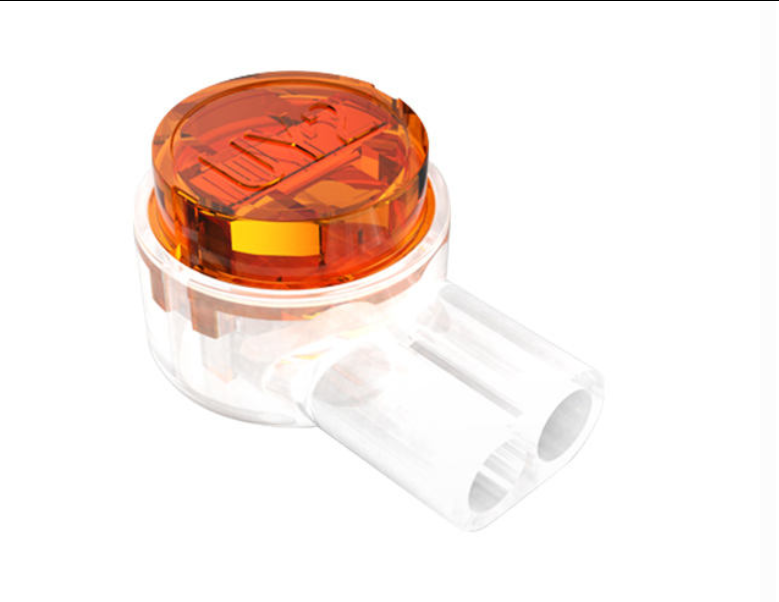
UY2 Connector for Telephone Wire
Jul 08, 2026897
-
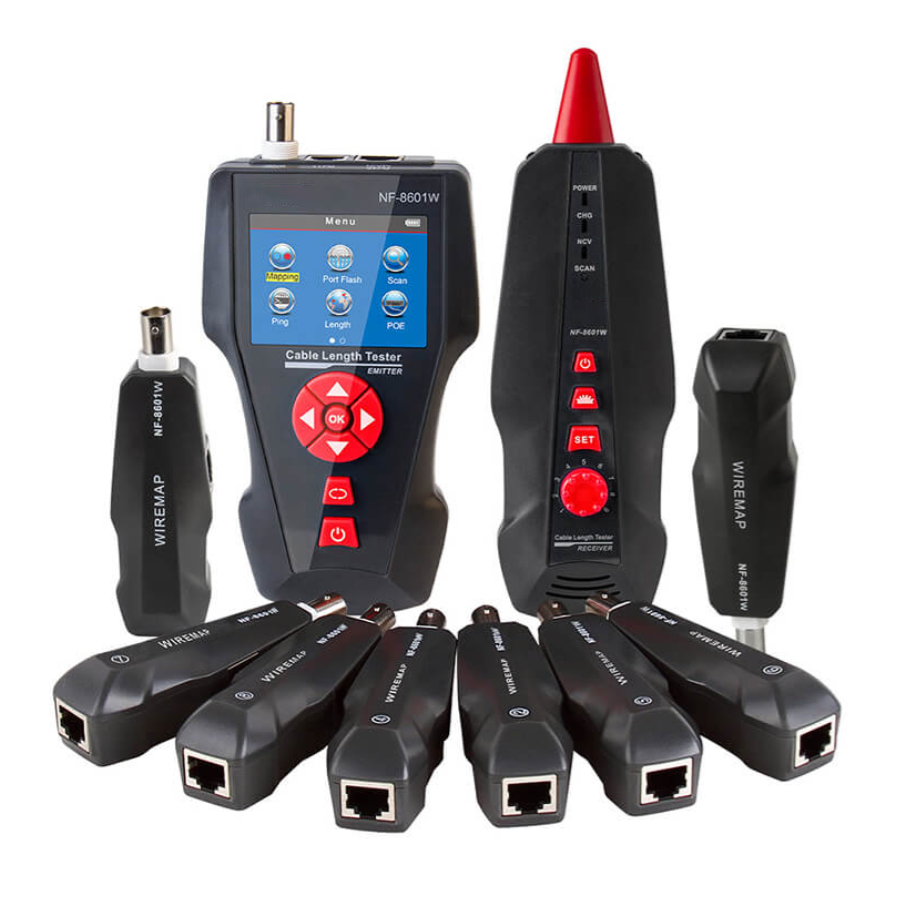
Network Cable Bandwidth Capacity
Jul 06, 2026897
-
Flame Retardant Cat7 Boot Cover
Jul 14, 2026888