- Language
Global Procurement Copper Concentrate,International Procurement Standards and Fire Safety Classification
Global Procurement Copper Concentrate is the core raw material of the global non-ferrous metal trade, metallurgical industry and copper deep processing industrial chain, widely used in key industrial fields such as electrolytic copper smelting, precision copper manufacturing, electrical conductor production and hardware processing. In the global procurement and trading system, copper concentrate not only focuses on conventional indicators such as grade, impurity content and moisture content, but also the flame retardant grade has become a key safety assessment standard for international bidding, cross-border procurement, warehousing and transportation, and smelting production. It directly determines the customs clearance qualification, warehousing compliance, production risk control level and cross-border procurement pricing of goods. Different from ordinary industrial raw materials, copper concentrate is a sulfur-containing composite mineral raw material. Although it is not a flammable substance, it is prone to thermal decomposition under working conditions such as high-temperature burning, closed heat accumulation, open flame baking and dust enrichment, releasing toxic and corrosive sulfur dioxide flue gas with risks of high-temperature smoldering and heat diffusion. Therefore, clarifying the classification, testing standards, grade differences and application value of flame retardant grades for Global Procurement Copper Concentrate is an essential core link for risk control, warehouse management and safe production in modern international copper raw material procurement.
In the international general industrial fire prevention system, Global Procurement Copper Concentrate has exclusive flame retardancy and combustion risk classification standards, which are different from the organic material flame retardant grades of cables and plastics, forming a unique fire protection rating system for mineral raw materials. According to international maritime transportation rules, non-ferrous metal fire prevention specifications and GB/T 19668 industrial flame retardant standards, the fire risk of copper concentrate is divided into four core grades from low to high: basic flame retardant grade, conventional protection grade, high temperature resistance grade and ultimate safety grade. The classification basis includes key parameters such as limiting oxygen index, high temperature thermal decomposition temperature, smoldering duration, smoke toxicity, heat release rate and high-temperature residual combustion characteristics. Low-grade copper concentrate on the market has high impurity content and uneven sulfur distribution, which is prone to local spontaneous combustion, continuous smoldering and smoke diffusion under high-temperature environments with low flame retardant grades. In contrast, compliant international trade-grade copper concentrate has greatly improved thermal stability and fully compliant flame retardant grades through fine purification and sorting, ratio optimization and impurity control, which can meet the strict safety requirements of ocean transportation, long-term warehousing and continuous smelting, and serve as a core selection indicator for high-end cross-border procurement.
Differences in flame retardant grade parameters directly determine the ocean transportation safety compliance of Global Procurement Copper Concentrate. International copper concentrate trade mainly relies on ocean shipping, featuring closed cabins, high temperature and stuffiness, dense cargo stacking and limited ventilation, belonging to high-risk transportation and storage working conditions. Low flame retardant grade copper concentrate has poor thermal stability and is prone to internal smoldering after stacking and heat accumulation, which cannot self-extinguish continuously, producing toxic flue gas constantly. It will not only cause cargo loss, but also trigger cabin safety accidents, leading to customs detention, route delays, high compensation and other trade losses. High flame retardant grade Global Procurement Copper Concentrate has excellent high temperature resistance, greatly increased ultimate thermal decomposition temperature and no continuous smoldering characteristics. It can self-extinguish quickly after smoldering is triggered, with extremely low smoke production and no corrosive smoke diffusion. It fully complies with international maritime fire prevention specifications, can smoothly pass safety verification by customs and maritime departments of various countries, greatly reduce potential safety hazards and trade risks in cross-border transportation, and become the preferred procurement standard for large trading enterprises and smelting groups.
Flame retardant grade classification standards profoundly affect the construction of risk control systems for warehousing, stacking and factory storage of copper concentrate. Major global smelting industrial parks and raw material warehousing bases have strict hierarchical fire prevention management requirements for copper concentrate storage. Copper concentrates with different flame retardant grades need to be stacked and controlled in zones. Low flame retardant grade copper concentrate is prohibited from closed stacking and long-term high-temperature storage, requiring complete sets of spray cooling, ventilation and smoke exhaust, and fire monitoring equipment, resulting in extremely high warehousing operation and maintenance costs and potential sudden fire hazards. In contrast, medium and high flame retardant grade Global Procurement Copper Concentrate has strong thermal inertia and stable flame retardant performance with low stacking heat accumulation risks. It adapts to large-scale, large-capacity and long-term centralized warehousing modes, effectively simplifying warehouse risk control processes and reducing fire protection equipment investment and manual operation and maintenance costs. Meanwhile, high flame retardant grade copper concentrate has no toxic gas overflow during high-temperature decomposition, which can improve the factory operating environment, ensure the occupational safety of front-line warehousing and transportation personnel, and conform to the modern industrial green safety production standards.
The quality of flame retardant grades is a core hidden indicator that distinguishes the trade grade of Global Procurement Copper Concentrate and widens procurement price gaps. The prices of copper concentrates circulating in cross-border markets are uneven. In addition to explicit indicators such as copper grade, gold and silver associated content, and lead and zinc impurities, flame retardant grade is a easily overlooked core pricing factor. Low-price copper concentrate with low flame retardant grades seems to reduce procurement costs, but it has extremely poor comprehensive cost performance due to high implicit costs such as transportation loss, warehouse risk control, factory rectification and potential fire hazards. Compliant copper concentrate with high flame retardant grades is optimized through fine mineral processing, desulfurization modification and thermal stability upgrading, with fully compliant flame retardant parameters, controllable thermal decomposition and extremely low fire risks. Although the unit procurement price is slightly higher, it has no potential safety hazards, cargo loss or additional risk control investment in the whole process, resulting in lower comprehensive costs for long-term bulk procurement. For large-scale smelting enterprises, stable supply of high flame retardant grade copper concentrate can ensure continuous and stable operation of production lines, avoid capacity loss caused by production shutdown and safety rectification due to fires, and stabilize enterprise production benefits.
Standardized flame retardant testing and grade certification are the entry thresholds for Global Procurement Copper Concentrate to enter the high-end international market. At present, the global non-ferrous metal trade is becoming more standardized and normalized. Mainstream procurement markets such as Europe, America, Southeast Asia and the Middle East regard flame retardant grade test reports and fire safety certifications of copper concentrate as essential materials for customs clearance and warehousing. The testing items include high-temperature combustion test, smoldering durability test, smoke toxicity detection, heat release rate detection, limiting oxygen index verification and other indicators. Only copper concentrates with all parameters up to standard and compliant flame retardant grades can enter the high-end industrial procurement system. Regular international trade copper concentrate strictly follows international mineral fire prevention standards for sorting and production, retains complete flame retardant test data throughout the process, and has full grade certifications. It can meet the procurement and acceptance requirements of various countries, adapt to the strict standards of large-scale smelting projects, state-owned infrastructure projects and long-term cross-border supply cooperation, and has strong market liquidity and trade value.
In conclusion, flame retardant grade is an indispensable core safety indicator in the international trade system of Global Procurement Copper Concentrate, covering the whole process of raw material sorting, cross-border transportation, warehousing stacking, factory smelting and trade settlement. The level of flame retardant grade not only represents the thermal stability and fire safety performance of copper concentrate, but also directly affects trade compliance, transportation safety, warehouse operation and maintenance costs and enterprise production benefits. In global copper raw material procurement, abandoning the traditional procurement thinking that only focuses on grade while ignoring safety grades, and prioritizing the selection of Global Procurement Copper Concentrate with high flame retardant grades, compliant parameters and complete certifications can fundamentally avoid trade risks, eliminate potential safety hazards, reduce comprehensive operating costs, and build a solid core foundation for the safe, stable and efficient operation of the non-ferrous metal smelting industrial chain.
-
-
-
-
-
-
-
-
-
-
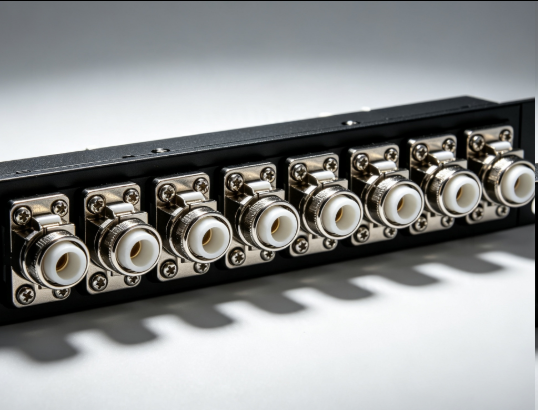
Flange Type Fixed Fiber Optic Adapter for Rack Panel
Sep 19, 2026955
-
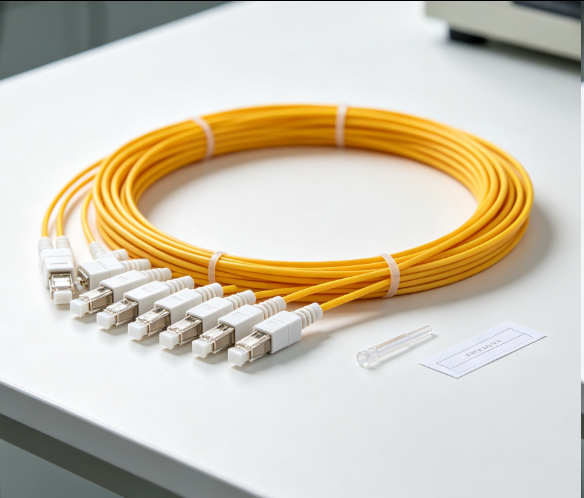
Fiber Pigtail 12 Cores SC UPC Single Mode
Sep 04, 2026930
-
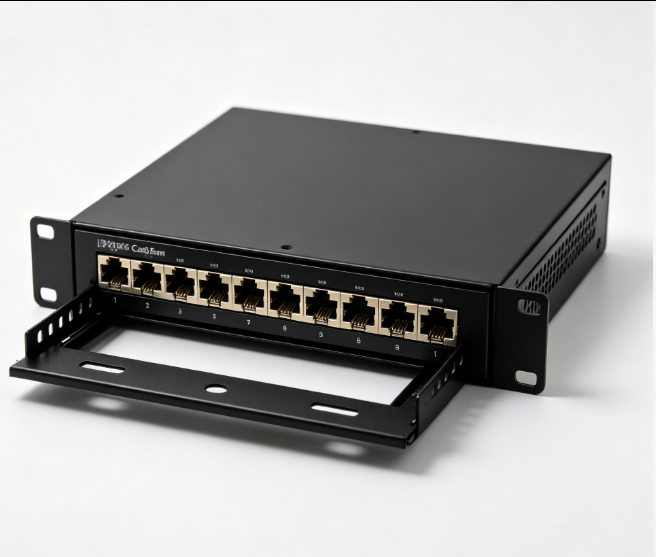
12 Port Cat6 Patch Panel Small Cabinet
Sep 12, 2026929
-

Dust Cap Equipped Fiber Patch Cable Protective
Sep 03, 2026929
-
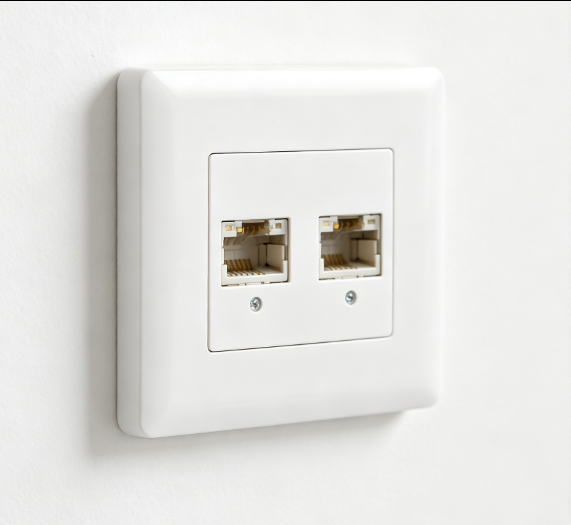
EU Standard Network Faceplate
Sep 11, 2026927