- Language
Near-End Crosstalk of Network Cables
Near-end crosstalk (NEXT) is a key electromagnetic interference performance index for balanced twisted-pair network cables, referring to the electromagnetic signal coupling interference generated between adjacent twisted wire pairs at the signal input near end of a cable link. When high-frequency data current flows through one wire pair, it produces alternating magnetic field, which induces stray current on neighboring wire pairs; the interference signal detected at the same wiring end is defined as NEXT, measured in dB. Different from far-end crosstalk occurring at the signal output terminal, near-end crosstalk acts on the signal sending port directly, causing more severe damage to data integrity, and it is the priority testing item for Cat5e, Cat6 and Cat6A cabling acceptance worldwide.
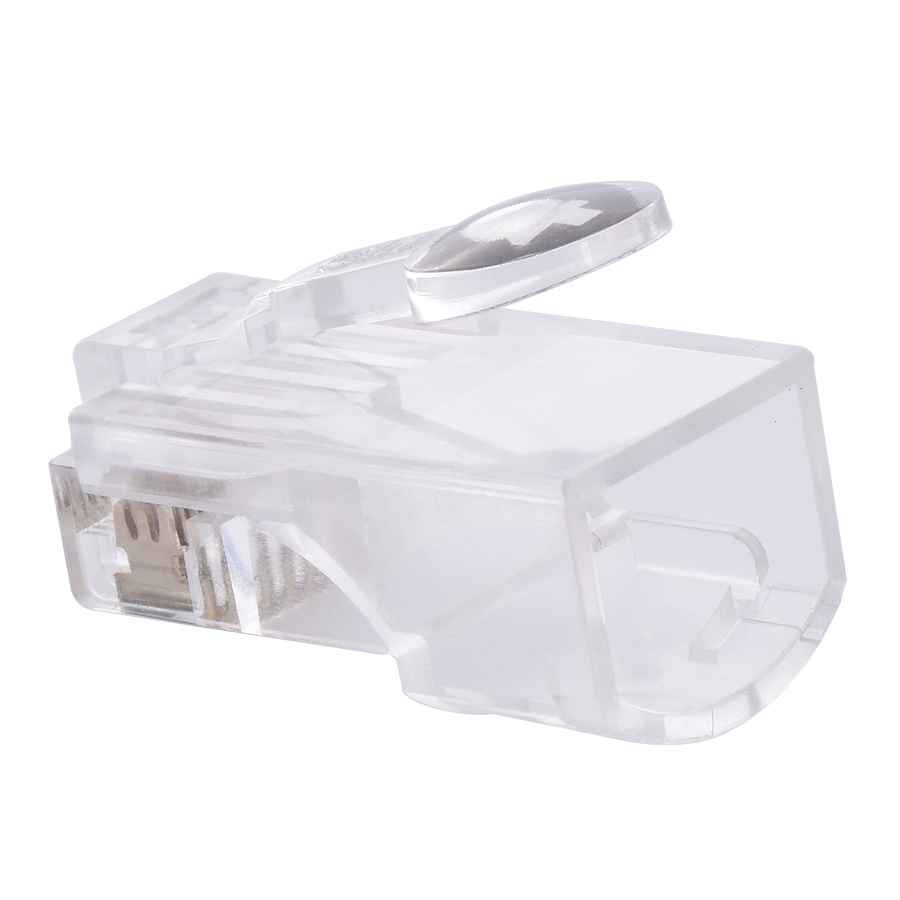
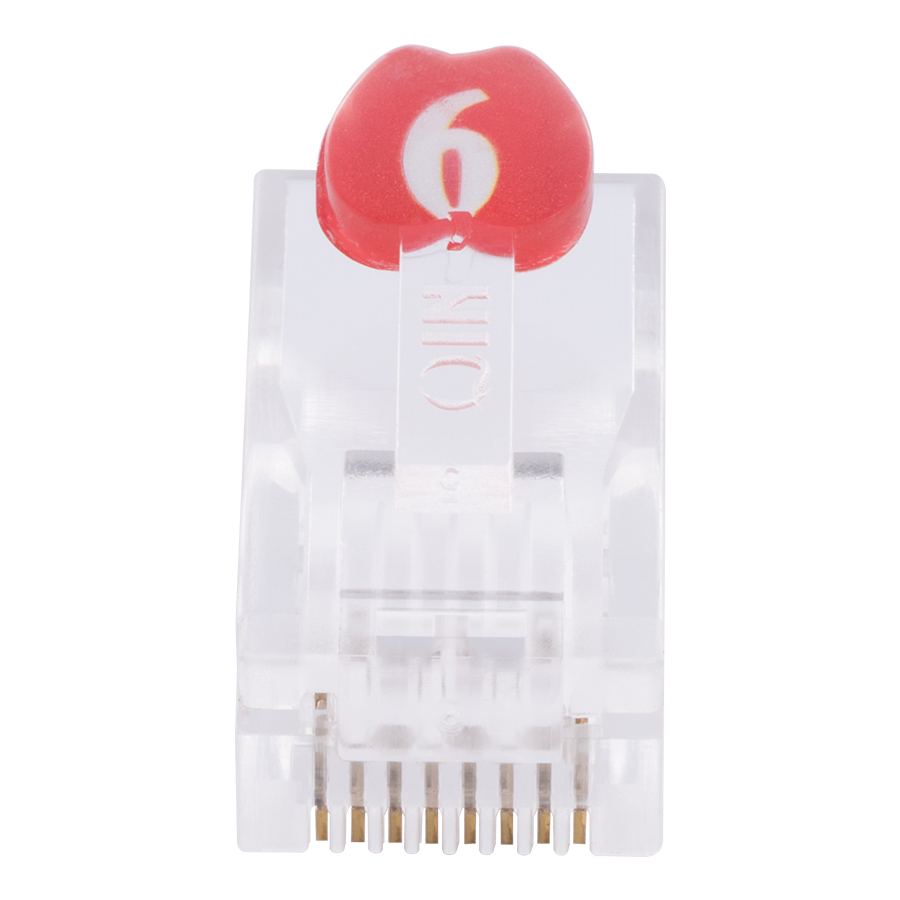
Twisting process and on-site laying layout are the primary causes of excessive near-end crosstalk. Factory standardized network cables adopt different twist pitches for four internal wire pairs to offset mutual magnetic field induction, which is the core anti-crosstalk design of twisted pair structure. Counterfeit low-grade network cables apply unified twist pitch for all wire pairs, leading to strong mutual coupling and ultra-low NEXT value that fails industry standards. On construction sites, irregular wiring behaviors break original anti-crosstalk structure: untwisting wire pairs over 13mm during crystal head crimping, mixing different-category cables in one wire groove, and placing network cables parallel to power control cables will amplify near-end electromagnetic coupling obviously. Shielded cables can suppress NEXT effectively, but ungrounded shielding layers will conversely increase internal crosstalk noise.
Near-end crosstalk directly affects network transmission stability, especially for high-frequency gigabit and 10G network services. High NEXT value results in signal superposition distortion, bit error rate rise, automatic network rate fallback, and intermittent network disconnection during peak data transmission. For delay-sensitive services including industrial automation control, financial transaction system and real-time cloud video interaction, unqualified NEXT will cause irreversible data transmission errors. To optimize near-end crosstalk performance, construction teams must follow standard crimping specifications, minimize wire pair untwisting length, separate network cables and power cables with isolation partitions, and select certified cables with staggered twist pitches. Regular NEXT cycle detection is also required for old office network renovation to eliminate hidden interference risks.
-
-
-
-
-
-
-
-
-
-

Media Converter Network Patch Cord
Jun 27, 2026904
-
Network Cable Bandwidth Capacity
Jul 06, 2026895
-
UY2 Connector for Telephone Wire
Jul 08, 2026892
-
Wall-mounted Network Cabinet
Jun 30, 2026878
-
Four-Port Network Faceplate
Jul 03, 2026875