- Language
Network Patch Cord for Data Center
A network patch cord for data centers is a critical component in modern data center infrastructure, designed to provide high-speed, reliable, and low-loss connectivity between networking devices such as servers, switches, routers, patch panels, and optical transceivers. Unlike standard office patch cords, data center patch cords are engineered to meet the rigorous demands of high-density, high-bandwidth environments, where even minor signal loss or interference can lead to significant performance degradation or system failure. As data centers continue to scale to support exponential growth in data traffic (driven by cloud computing, big data, and IoT), the role of high-quality patch cords becomes increasingly important, serving as the "nervous system" that connects all critical components of the data center.
The design and construction of network patch cords for data centers are optimized for three key priorities: high performance, high density, and durability. These patch cords are available in two main types: copper (Ethernet) patch cords and fiber optic patch cords, each tailored to specific data center needs. Copper patch cords are commonly used for short-distance connections (up to 100m) between devices within the same rack or adjacent racks, while fiber optic patch cords are used for longer distances (up to several kilometers) and high-speed transmission (10Gbps to 400Gbps) between racks, data center modules, or even between different data centers.
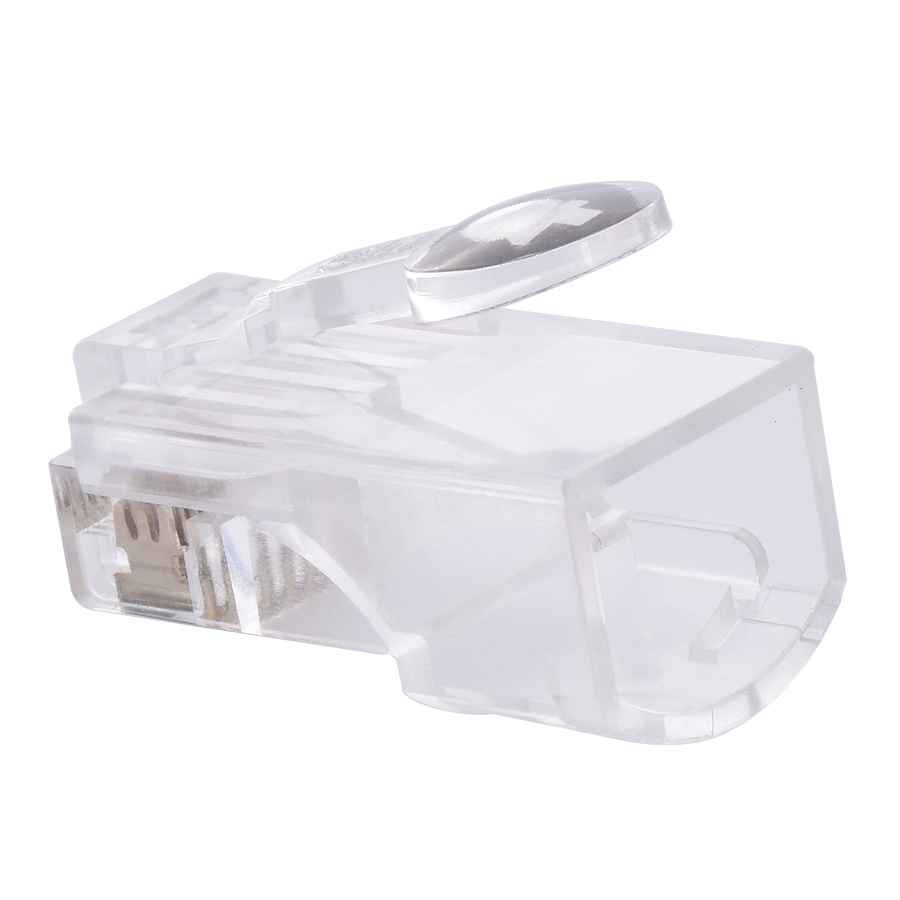
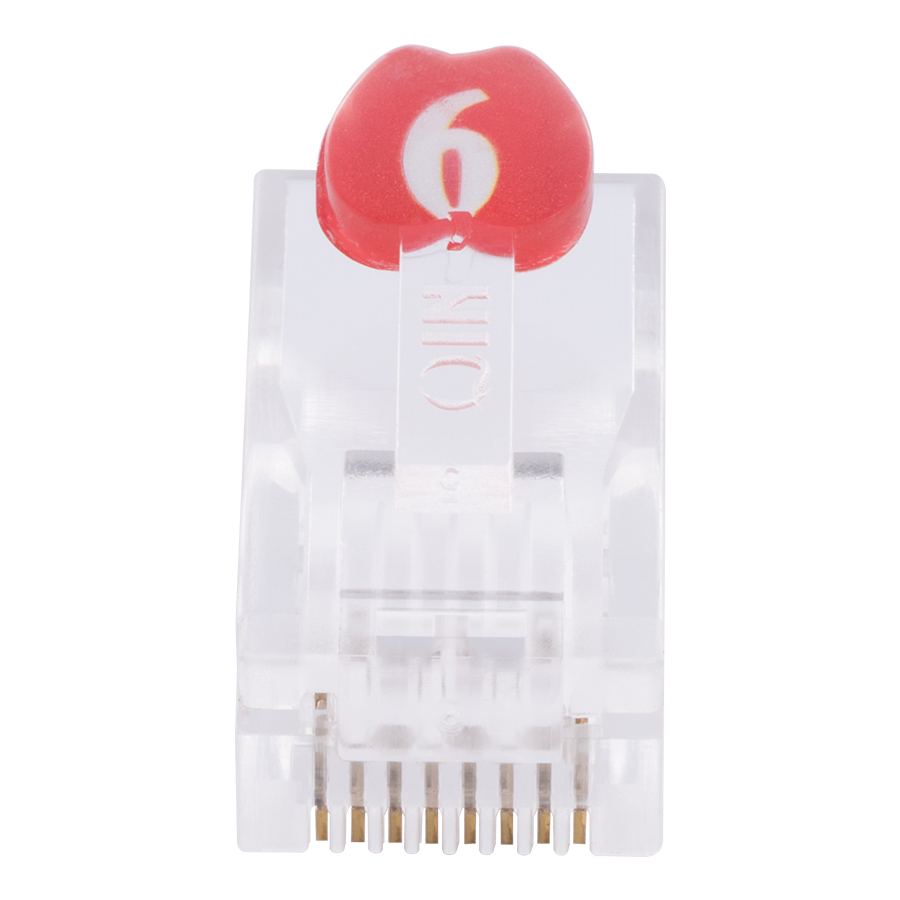
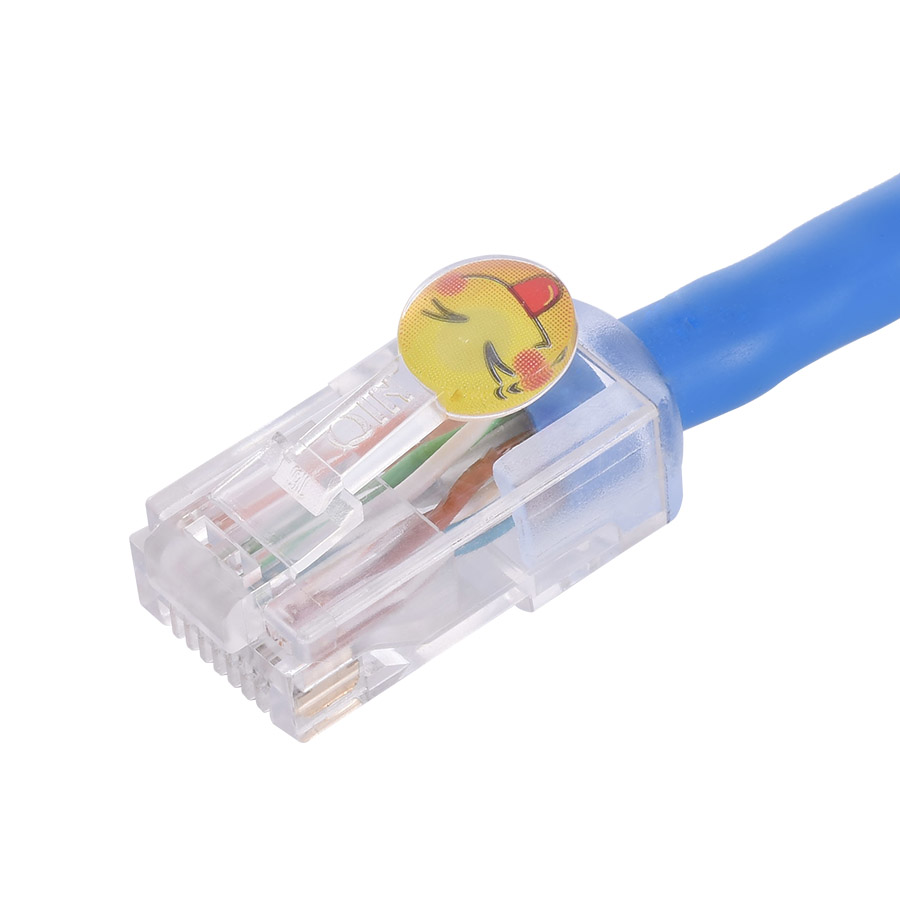
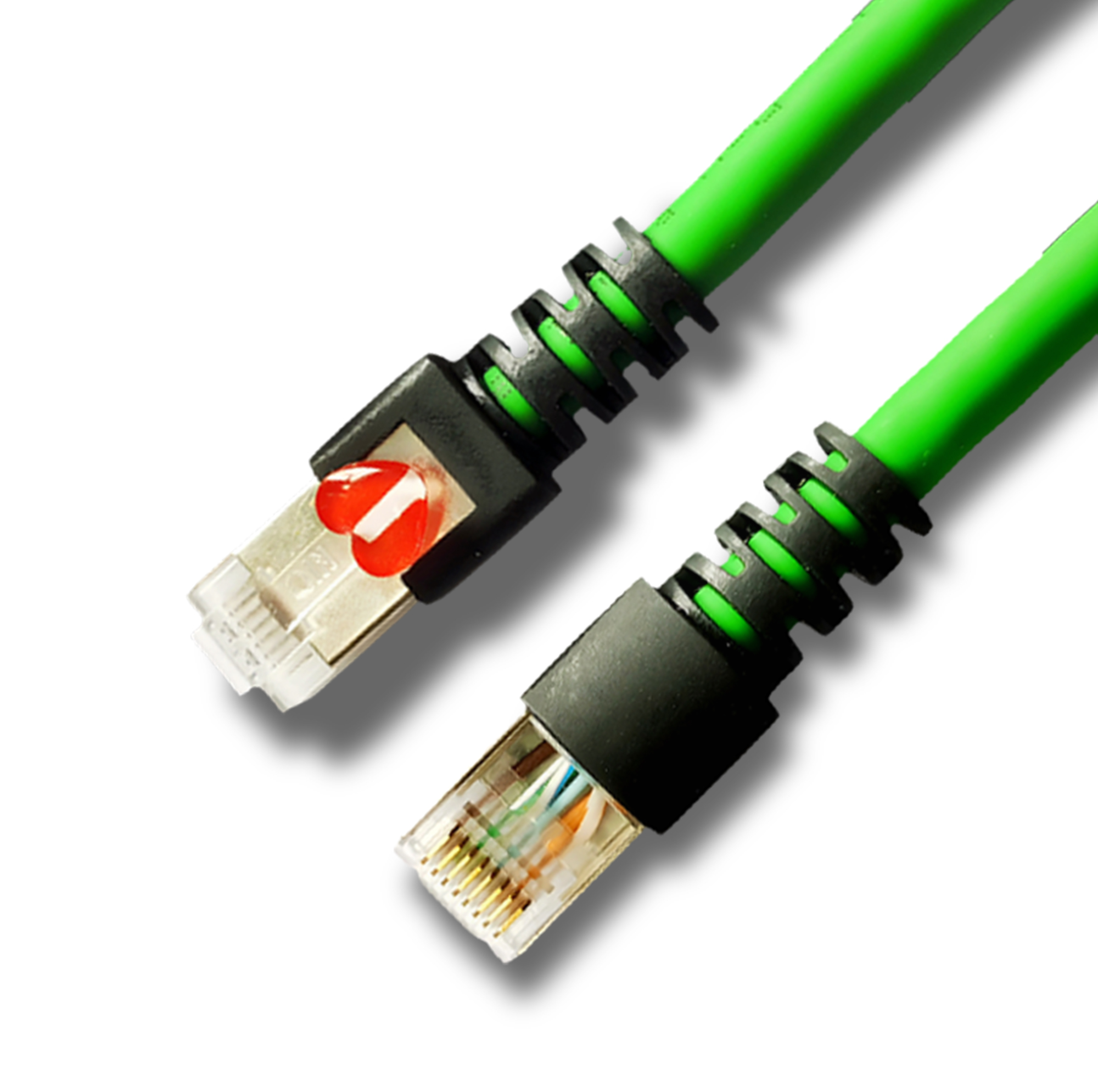
Copper network patch cords for data centers are categorized by performance standards, with Cat5e, Cat6, Cat6a, Cat7, and Cat8 being the most common. Cat5e patch cords support bandwidth up to 100MHz and speeds up to 1Gbps, making them suitable for basic data center applications. Cat6 patch cords offer bandwidth up to 250MHz and speeds up to 10Gbps (for distances up to 55m), while Cat6a patch cords support bandwidth up to 500MHz and 10Gbps speeds for distances up to 100m, making them ideal for high-speed Ethernet networks. Cat7 and Cat8 patch cords are designed for ultra-high-speed applications, with Cat7 supporting 600MHz bandwidth and 10Gbps speeds, and Cat8 supporting 2000MHz bandwidth and 40Gbps speeds (for distances up to 30m), catering to the needs of next-generation data centers running 25G/40G/100G Ethernet protocols.
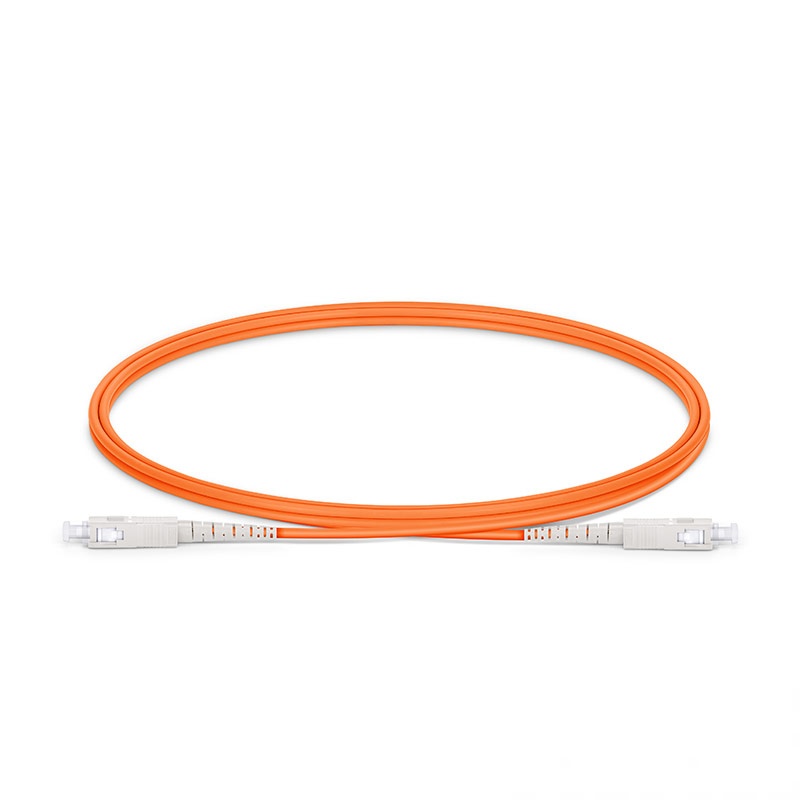
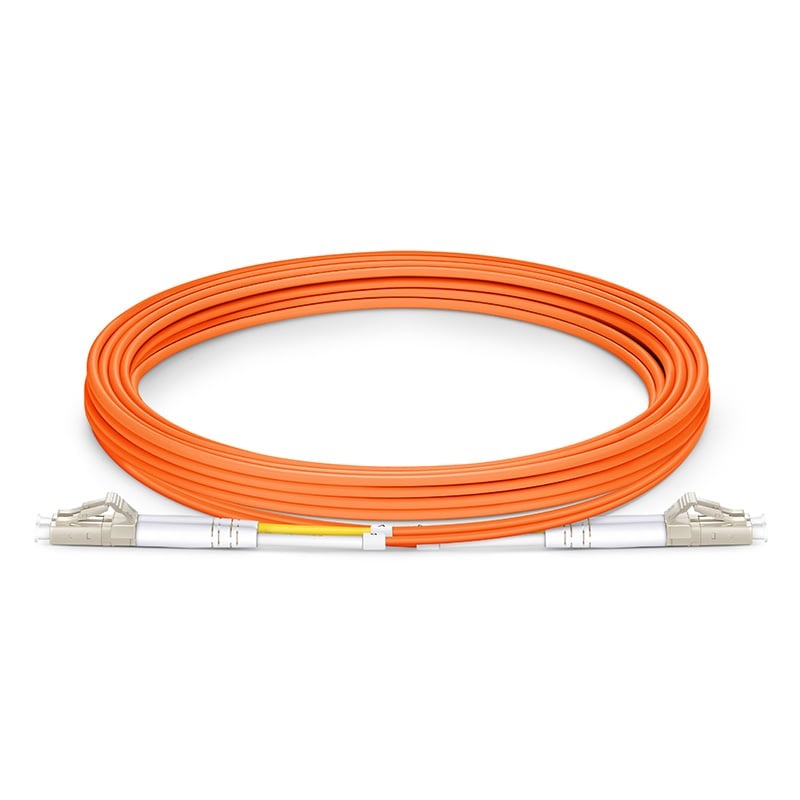
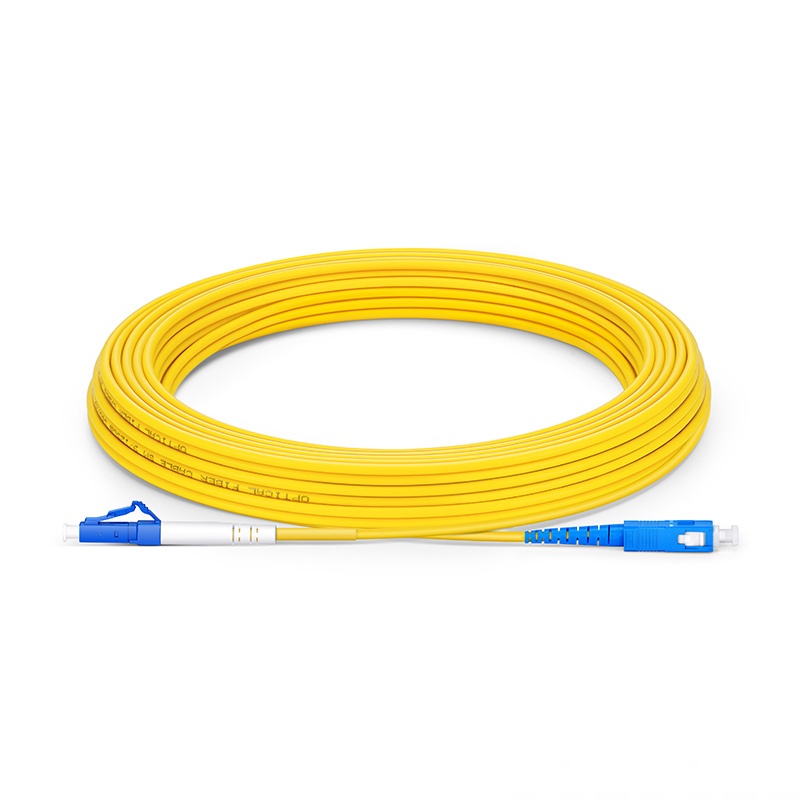
Fiber optic network patch cords for data centers are available in single-mode (OS2) and multimode (OM3, OM4, OM5) variants, with LC, SC, and MPO/MTP connectors being the most common. LC connectors are preferred for high-density applications due to their small size, while MPO/MTP connectors are used for high-fiber-count applications (12-core, 24-core, etc.) to reduce cable clutter and improve space efficiency. These fiber patch cords offer low insertion loss (≤0.3dB), high return loss (≥50dB for UPC), and support transmission speeds up to 400Gbps, making them ideal for long-distance connections and high-bandwidth applications such as cloud computing and big data processing.
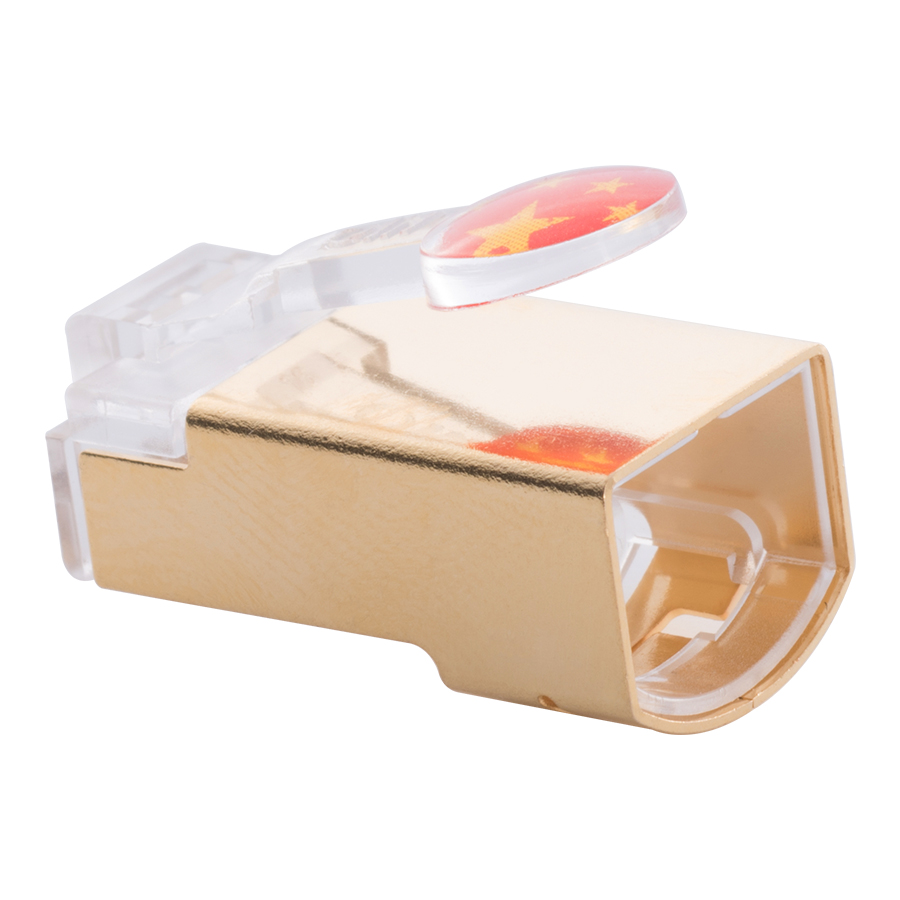
The construction of data center network patch cords is designed to withstand the harsh conditions of data center environments, including high temperatures, frequent and mechanical stress. Copper patch cords use high-quality 24AWG or 26AWG pure copper conductors, tightly twisted pairs to reduce crosstalk (NEXT/FEXT), and shielding (UTP, FTP, S/FTP) to minimize electromagnetic interference (EMI) from nearby equipment. The outer jacket is made of LSZH or PVC material, which is flame-retardant, low-smoke, and halogen-free, ensuring safety in the event of a fire. Fiber optic patch cords feature high-purity quartz fiber cores, precision ceramic ferrules, and Kevlar-reinforced cables to enhance tensile strength and durability, with LSZH jackets for environmental protection.
Key performance indicators for network patch cords in data centers include insertion loss, return loss, crosstalk (for copper), bandwidth, and mechanical reliability. All high-quality patch cords undergo rigorous testing in accordance with international standards such as ANSI/TIA-568.2-D, ISO/IEC 11801, and Telcordia GR-326, ensuring consistent performance and compatibility. Additionally, data center patch cords are often color-coded for easy identification and management, with different colors representing different fiber types, cable lengths, or applications, simplifying maintenance and reducing human error.
In summary, network patch cords for data centers are essential components that enable the seamless, high-speed connectivity required for modern data center operations. Whether copper or fiber optic, these patch cords are engineered to meet the highest standards of performance, durability, and density, supporting the growing demands of cloud computing, big data, and IoT. Choosing the right patch cord—based on application, speed, distance, and environmental requirements—is critical to ensuring the reliability and efficiency of data center networks, minimizing downtime, and maximizing performance.
-
-
-
-
-
-
-
-
-
-
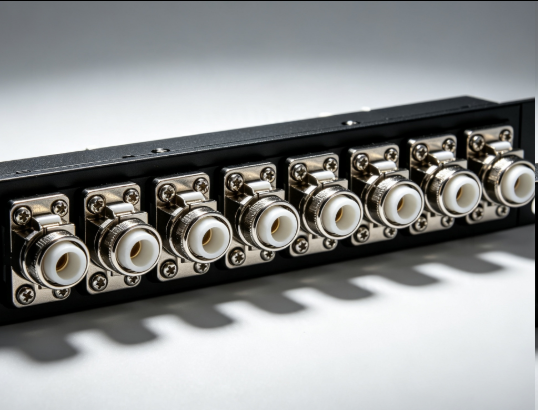
Flange Type Fixed Fiber Optic Adapter for Rack Panel
Sep 19, 2026955
-
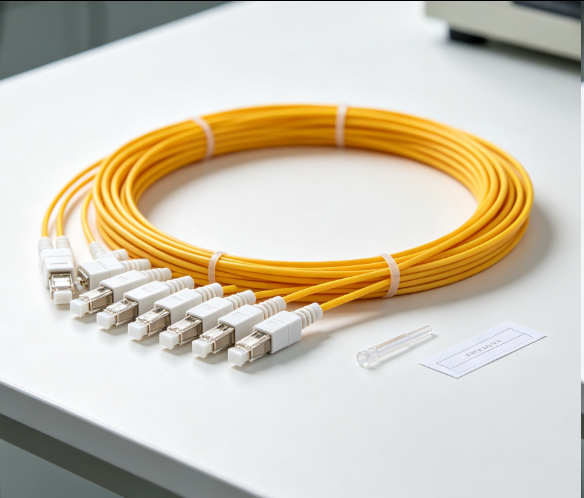
Fiber Pigtail 12 Cores SC UPC Single Mode
Sep 04, 2026930
-
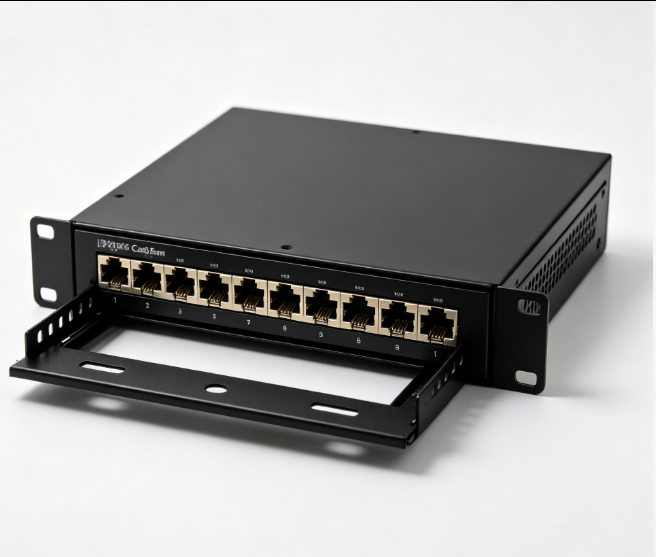
12 Port Cat6 Patch Panel Small Cabinet
Sep 12, 2026929
-
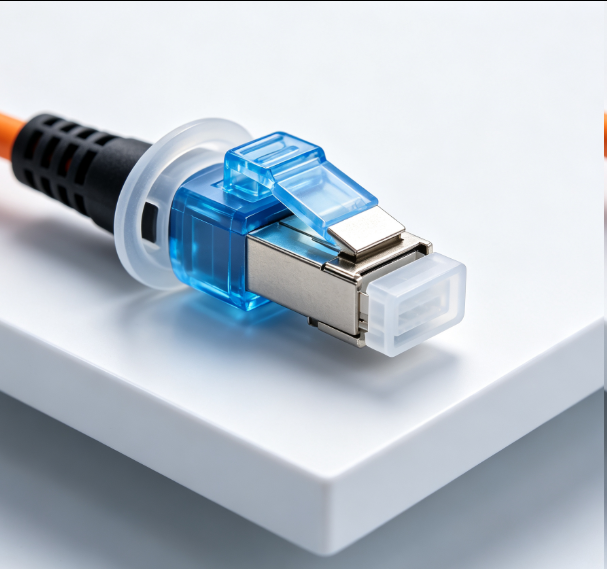
Dust Cap Equipped Fiber Patch Cable Protective
Sep 03, 2026929
-
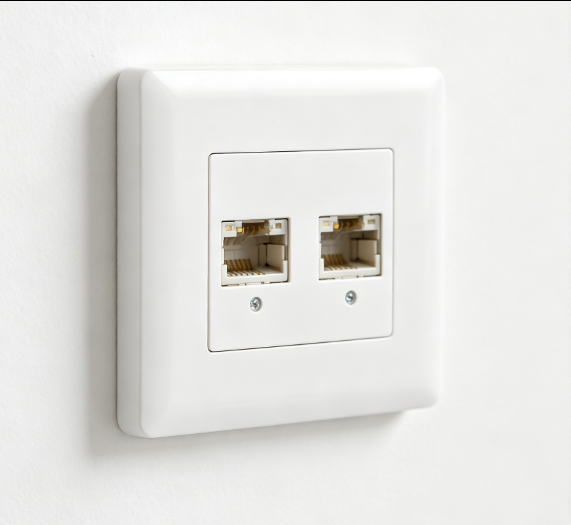
EU Standard Network Faceplate
Sep 11, 2026927