- Language
Network patch cord for IoT device
Network patch cords for IoT (Internet of Things) devices are specialized connectivity solutions designed to meet the unique needs of IoT ecosystems, which are characterized by a large number of low-power, compact devices that require reliable, low-latency connectivity. Unlike standard network patch cords, IoT patch cords are optimized for small form factors, low power consumption, and compatibility with a wide range of IoT devices, including sensors, actuators, smart meters, wearables, and industrial IoT (IIoT) equipment. These patch cords play a critical role in connecting IoT devices to gateways, routers, and cloud-based platforms, enabling the collection, transmission, and analysis of data that drives IoT applications across industries such as healthcare, manufacturing, agriculture, and smart homes.
The technical specifications of IoT patch cords are tailored to the requirements of IoT devices, which often operate at lower data rates than commercial or 5G networks but require high reliability and low latency. Most IoT patch cords support Ethernet speeds ranging from 10 Mbps to 1 Gbps, depending on the device and application. For low-power IoT devices (such as sensors and smart meters), patch cords may support PoE (Power over Ethernet) standards, including IEEE 802.3af (15.4W) and IEEE 802.3at (30W), which allow the patch cord to transmit both data and power to the device. This eliminates the need for separate power cables, simplifying IoT deployment and reducing installation costs—especially in remote or hard-to-reach areas where power outlets are limited.
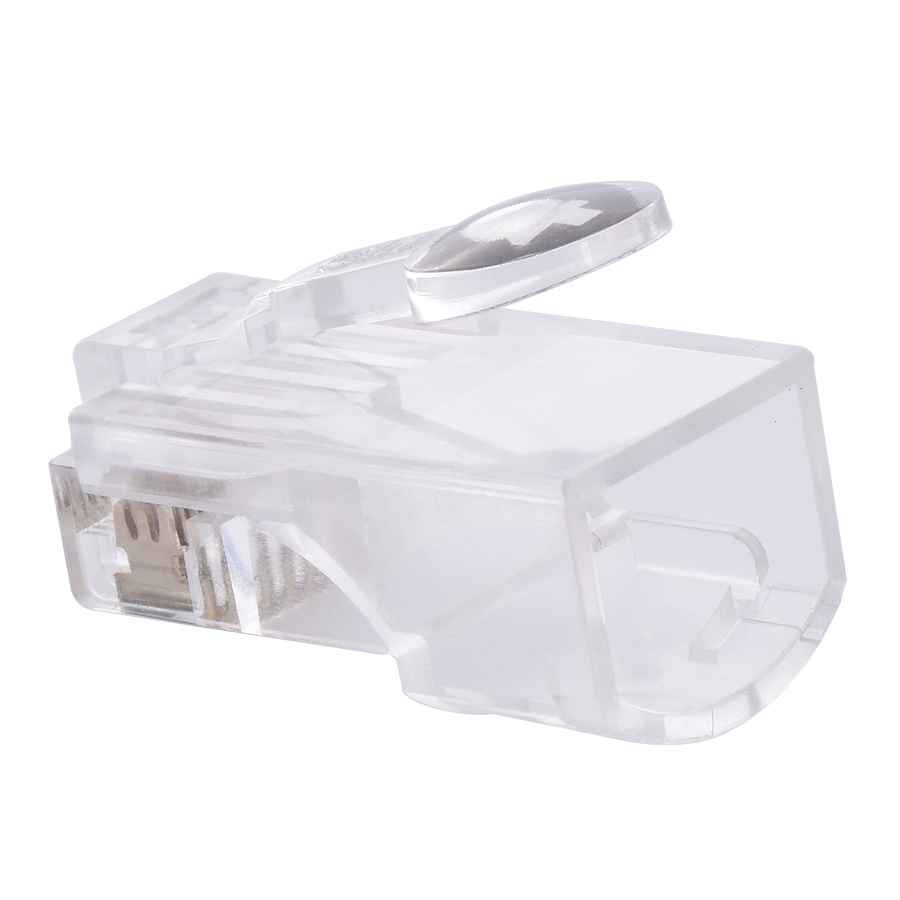
In terms of construction, IoT patch cords are designed to be compact, lightweight, and flexible, to accommodate the small size of most IoT devices. They typically feature thin, flexible outer jackets made of PVC or LSZH, which are easy to route in tight spaces and around small devices. The conductors are often 24 or 26 AWG stranded copper, which offers flexibility and durability for frequent handling and installation. Many IoT patch cords use small-form-factor connectors, such as RJ45 mini, micro USB, or Ethernet over USB, to fit into the compact ports of IoT devices. For industrial IoT applications, patch cords may feature ruggedized jackets and connectors that are resistant to moisture, dust, and physical damage, ensuring reliable performance in harsh industrial environments.
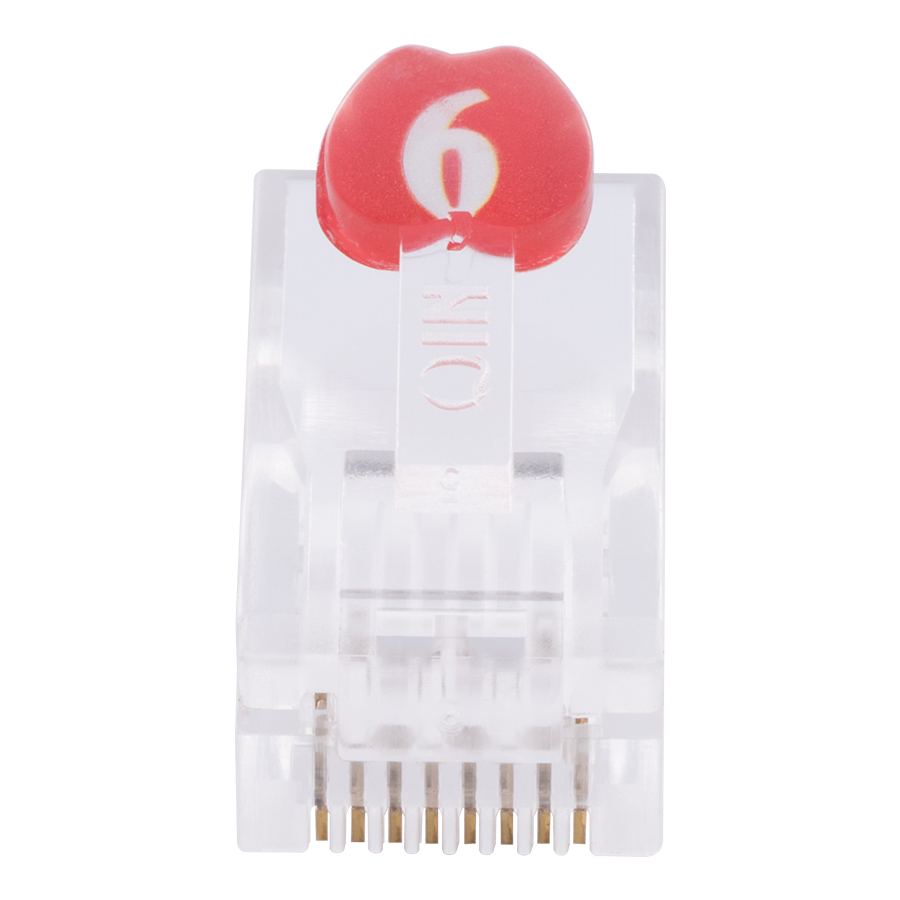
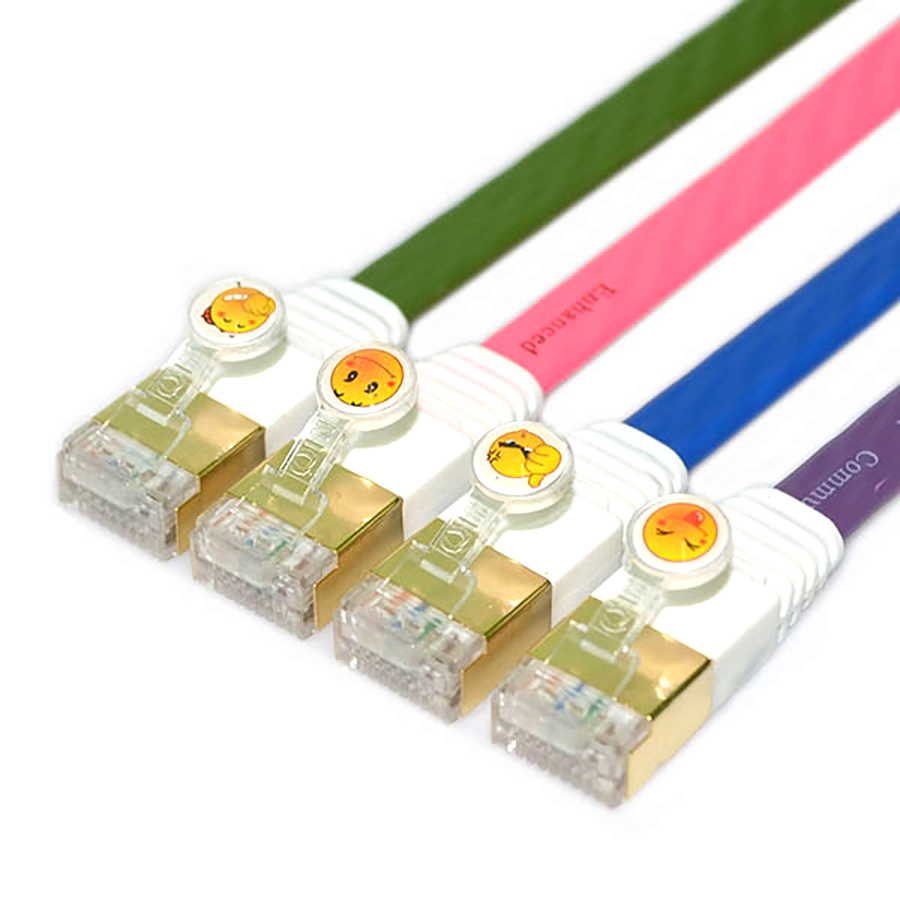
Another key consideration for IoT patch cords is compatibility and interoperability. IoT ecosystems often consist of devices from different manufacturers, so patch cords must comply with industry standards to ensure they work seamlessly with a wide range of IoT equipment. They also need to support different network protocols, such as IPv4/IPv6, MQTT, and CoAP, which are commonly used in IoT networks. Additionally, IoT patch cords are often color-coded or labeled to simplify installation and management, allowing technicians to easily identify which patch cord connects to which device. This is particularly important in large-scale IoT deployments, such as smart factories or smart cities, where hundreds or thousands of devices may be connected.
Finally, IoT patch cords are designed to be cost-effective, as IoT deployments often require a large number of patch cords. While they may not offer the same high bandwidth or speed as commercial Cat6a or 5G patch cords, they deliver the reliable, low-latency connectivity that IoT devices need at a lower cost. They also support scalability, allowing businesses and organizations to expand their IoT networks by adding more devices without needing to replace existing patch cords. Whether used in smart homes to connect smart thermostats and security cameras, in healthcare to connect medical sensors, or in manufacturing to connect industrial IoT equipment, network patch cords for IoT devices are essential components that enable the seamless operation of IoT ecosystems.
-
-
-
-
-
-
-
-
-
-

Media Converter Network Patch Cord
Jun 27, 2026904
-
Network Cable Bandwidth Capacity
Jul 06, 2026895
-
UY2 Connector for Telephone Wire
Jul 08, 2026892
-
Wall-mounted Network Cabinet
Jun 30, 2026878
-
Four-Port Network Faceplate
Jul 03, 2026875