- Language
Residential grade network patch cord Cat5e
Residential grade network patch cord Cat5e, short for Category 5 enhanced, is the most widely used and cost-effective copper patch cord solution for home networks. Designed to meet the connectivity needs of modern households, Cat5e patch cords balance performance, affordability, and ease of use, making them ideal for connecting a wide range of home devices, including routers, modems, laptops, smart TVs, gaming consoles, and IoT devices. Unlike commercial-grade cables, residential Cat5e patch cords are optimized for light to moderate usage, simple installation, and compatibility with standard home network equipment. They comply with the TIA/EIA-568-B.2 standard, ensuring reliable performance for everyday home networking tasks such as web browsing, video streaming, online gaming, and file sharing.
Technically, residential Cat5e patch cords support a maximum transmission speed of 1 Gigabit Ethernet (1000BASE-T) at a distance of up to 100 meters, which is more than sufficient for most home network needs. They offer a bandwidth of 100 MHz, which can handle multiple data streams simultaneously without significant signal degradation. Most residential Cat5e patch cords are unshielded twisted pair (UTP) cables, which are lightweight, flexible, and easy to route through walls, ceilings, and under floors—key considerations for home installation. The UTP design relies on the balanced twisted pair structure to reduce crosstalk and interference, which is adequate for residential environments where electrical interference is typically lower than in commercial settings.
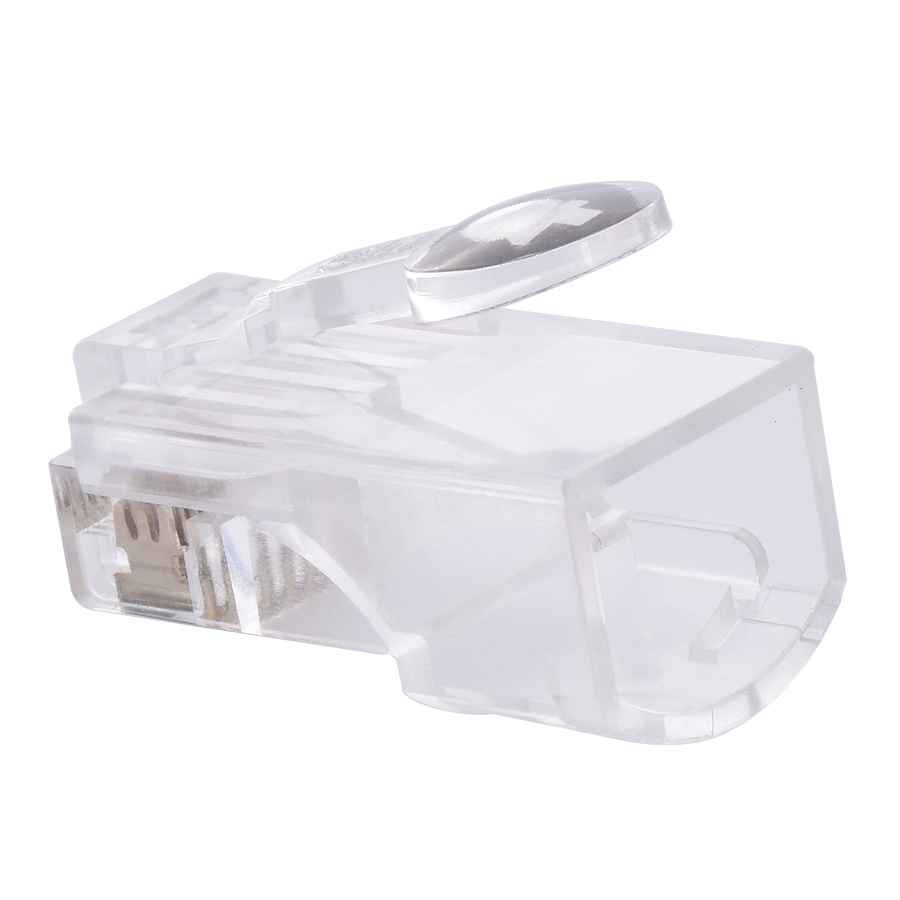
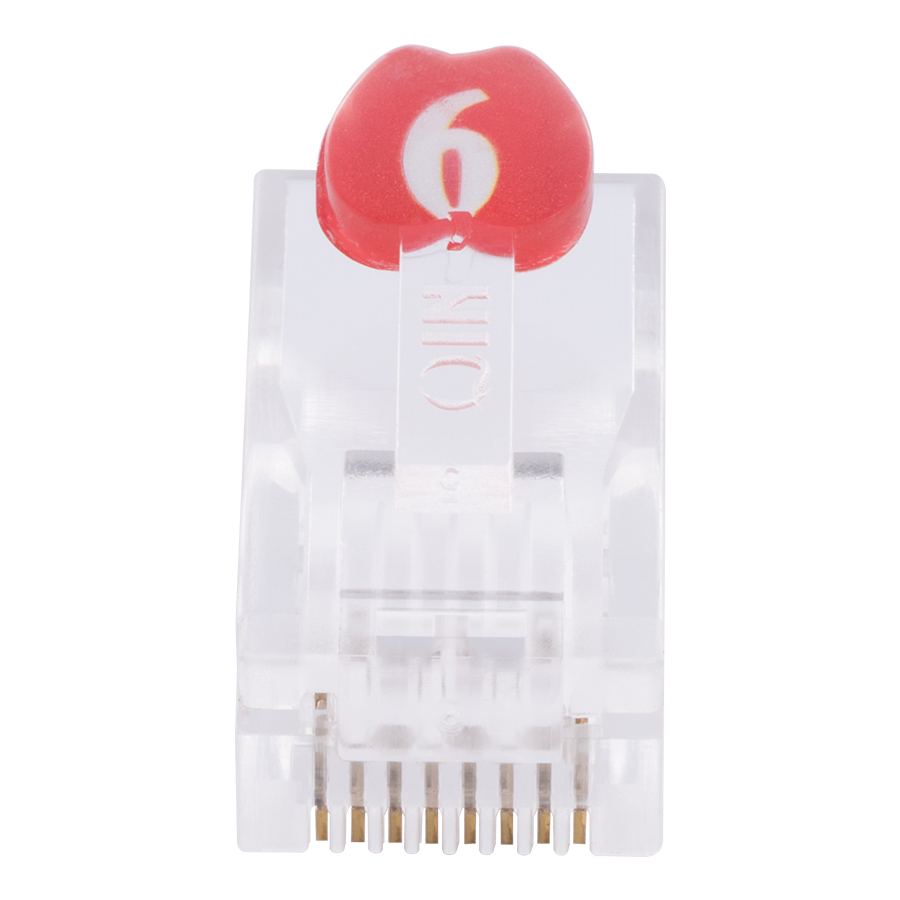
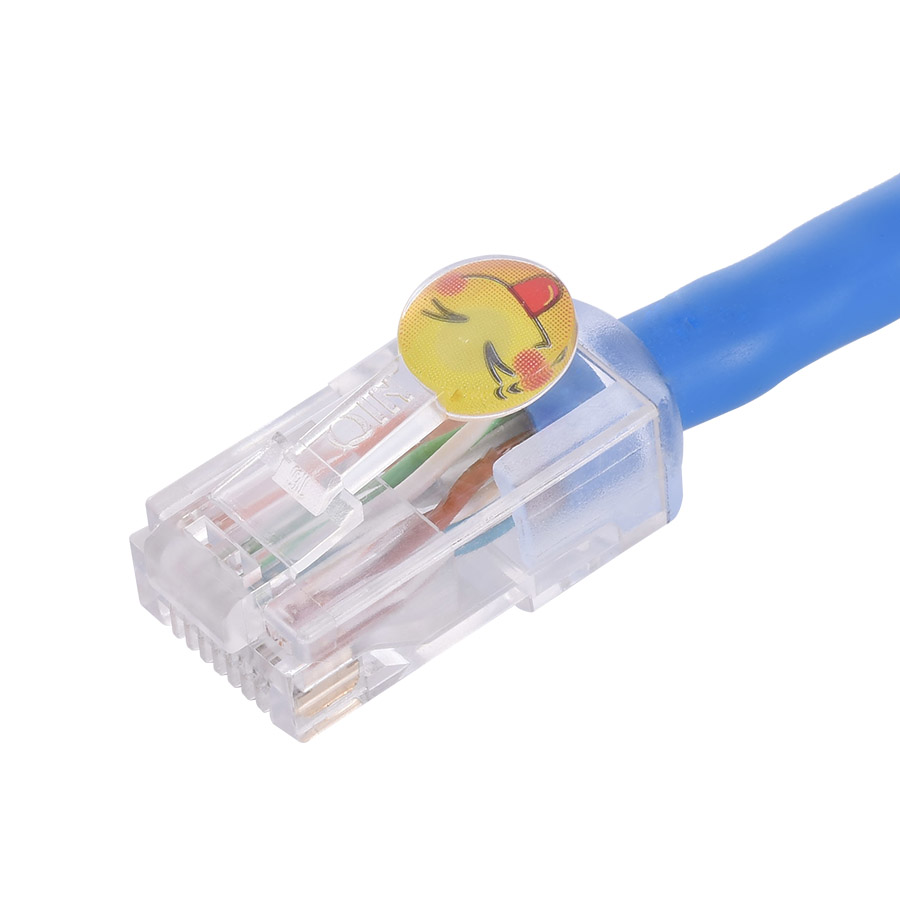
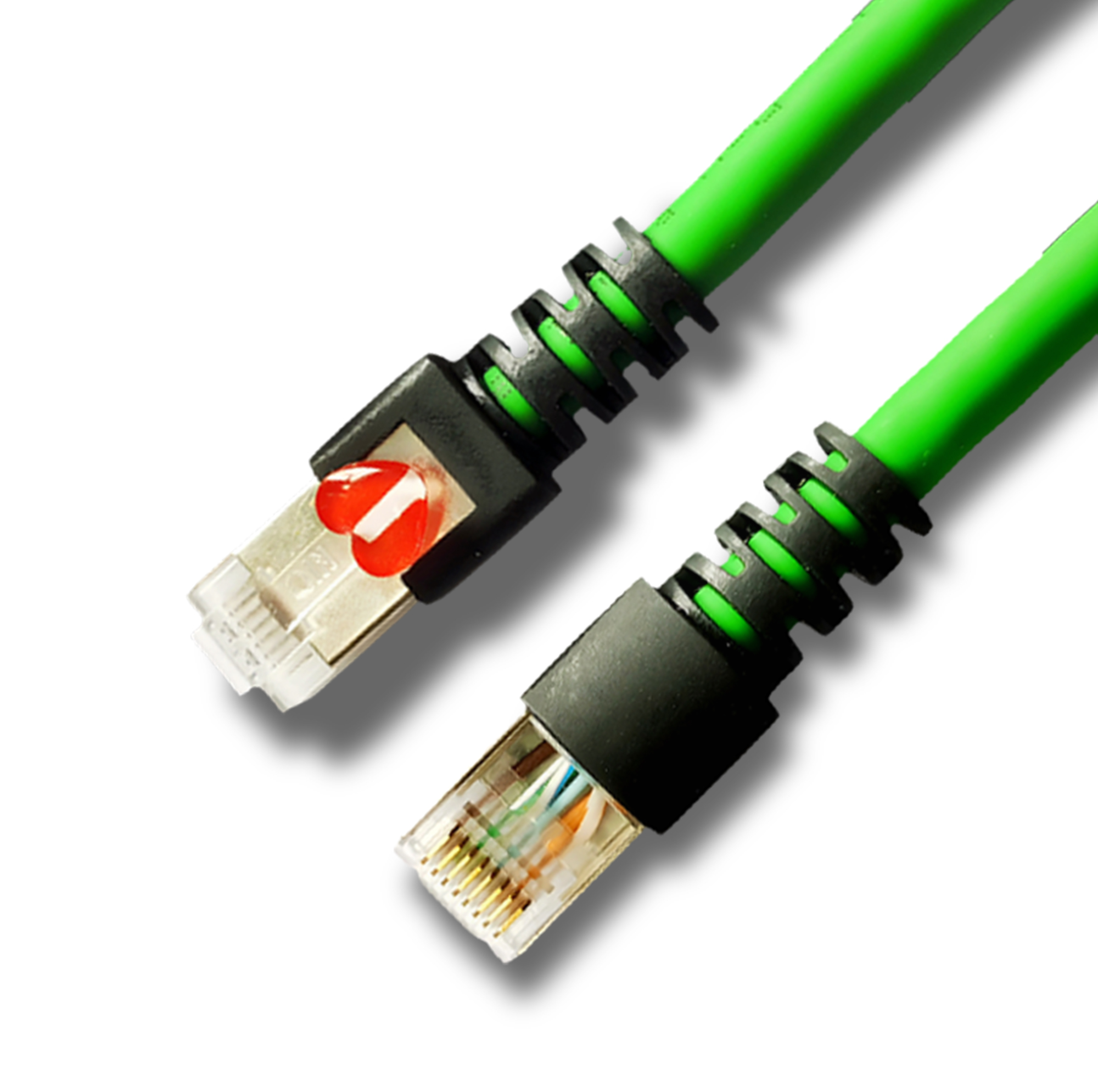
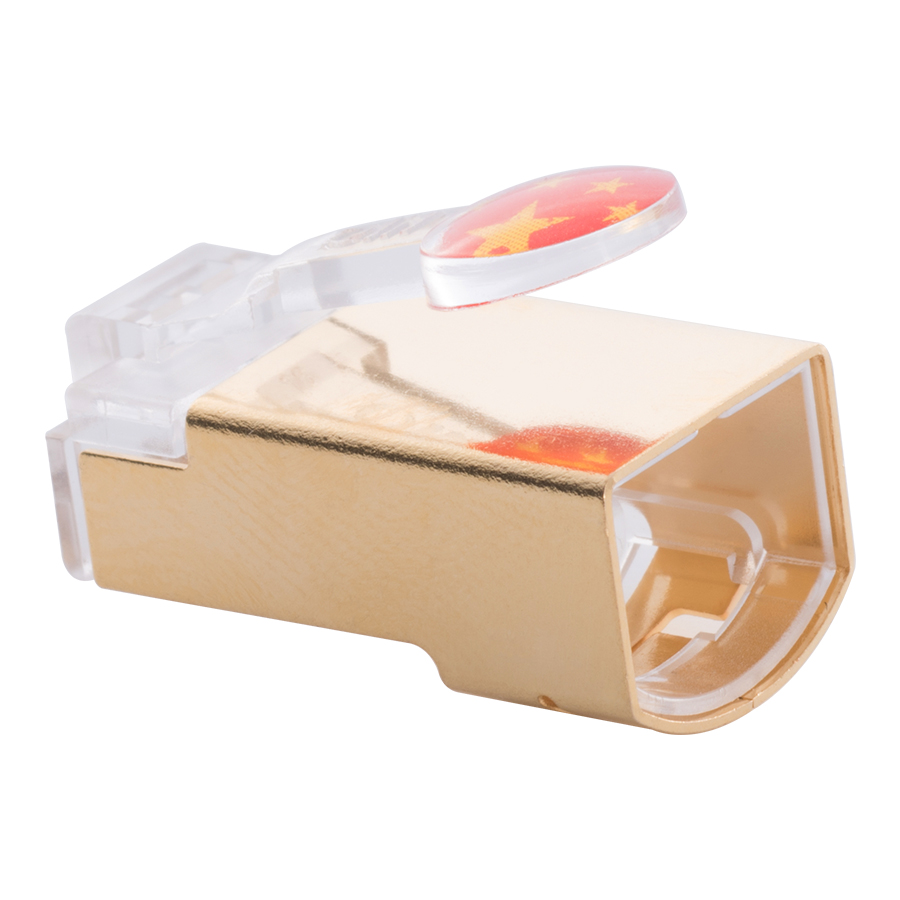
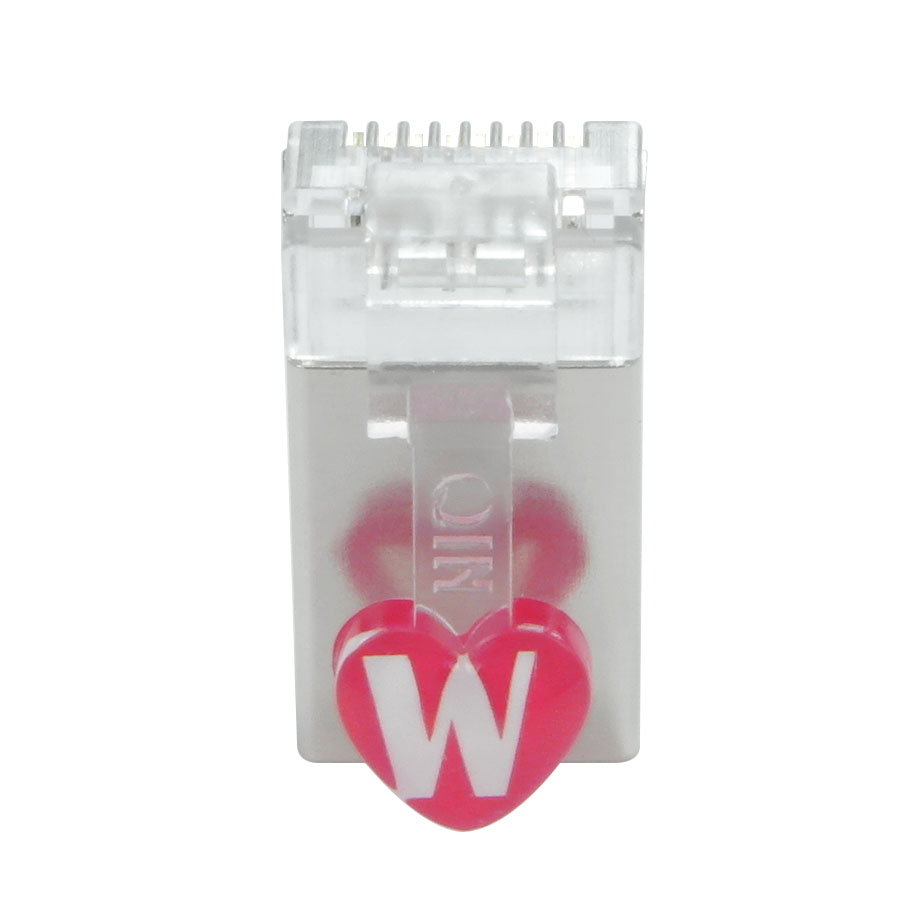
The construction of residential Cat5e patch cords is tailored for home use, prioritizing flexibility and affordability without compromising basic performance. They are typically made with 24 AWG stranded copper conductors, which are flexible enough to bend around corners and fit into tight spaces, making them easy to install in homes with limited wiring access. The four pairs of conductors are twisted to minimize crosstalk, and the outer jacket is usually made of PVC, which is lightweight, durable, and cost-effective. The RJ45 connectors on residential Cat5e patch cords are often unshielded or lightly shielded, with gold-plated contacts to ensure a secure connection and reduce corrosion. Many residential Cat5e patch cords also feature color-coded jackets, allowing homeowners to easily identify and organize different connections (e.g., blue for router to modem, green for gaming console to switch).
One of the key advantages of residential Cat5e patch cords is their affordability and widespread availability. They are significantly less expensive than higher-category cables (such as Cat6 or Cat6a) while still delivering the performance needed for most home applications. For households with basic networking needs—such as streaming Netflix, browsing the web, or connecting a few devices—Cat5e is more than sufficient. Additionally, Cat5e patch cords are backward compatible with older network standards (such as Cat5), making them a versatile choice for homes with mixed old and new equipment. They also support PoE (Power over Ethernet) standards, allowing homeowners to power devices like IP cameras, smart speakers, and wireless access points through the same cable that transmits data, simplifying home network setup. While Cat5e may not offer the same bandwidth or speed as higher-category cables, it provides an excellent balance of performance and cost for the average household, making it the go-to choice for residential network connectivity.
-
-
-
-
-
-
-
-
-
-
Flange Type Fixed Fiber Optic Adapter for Rack Panel
Sep 19, 2026955
-
Fiber Pigtail 12 Cores SC UPC Single Mode
Sep 04, 2026930
-
12 Port Cat6 Patch Panel Small Cabinet
Sep 12, 2026929
-
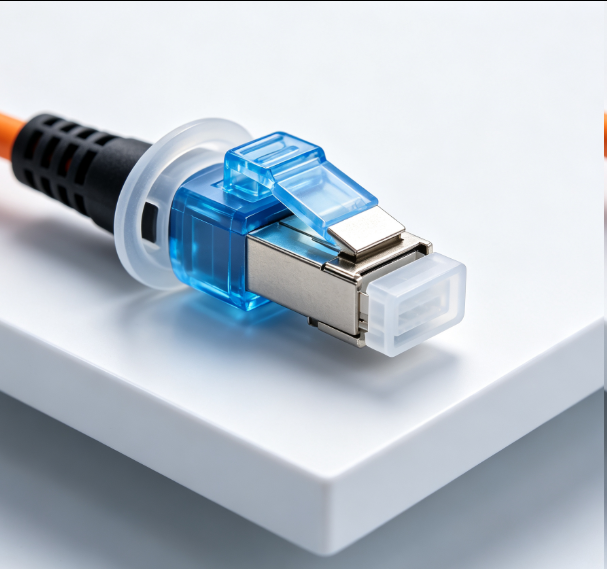
Dust Cap Equipped Fiber Patch Cable Protective
Sep 03, 2026929
-
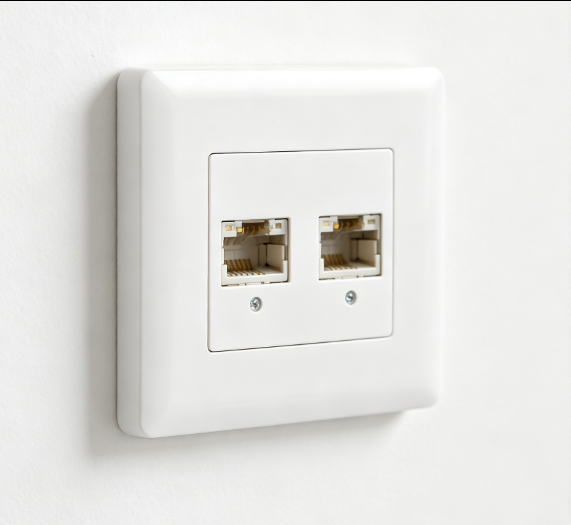
EU Standard Network Faceplate
Sep 11, 2026927