- Language
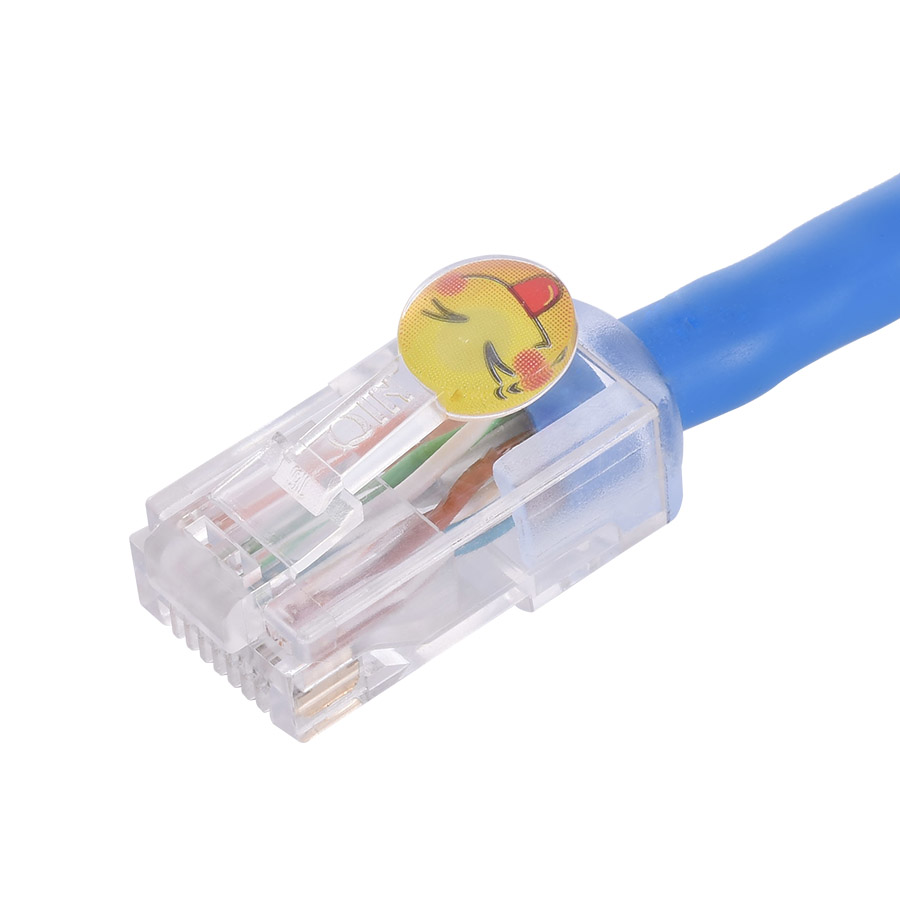
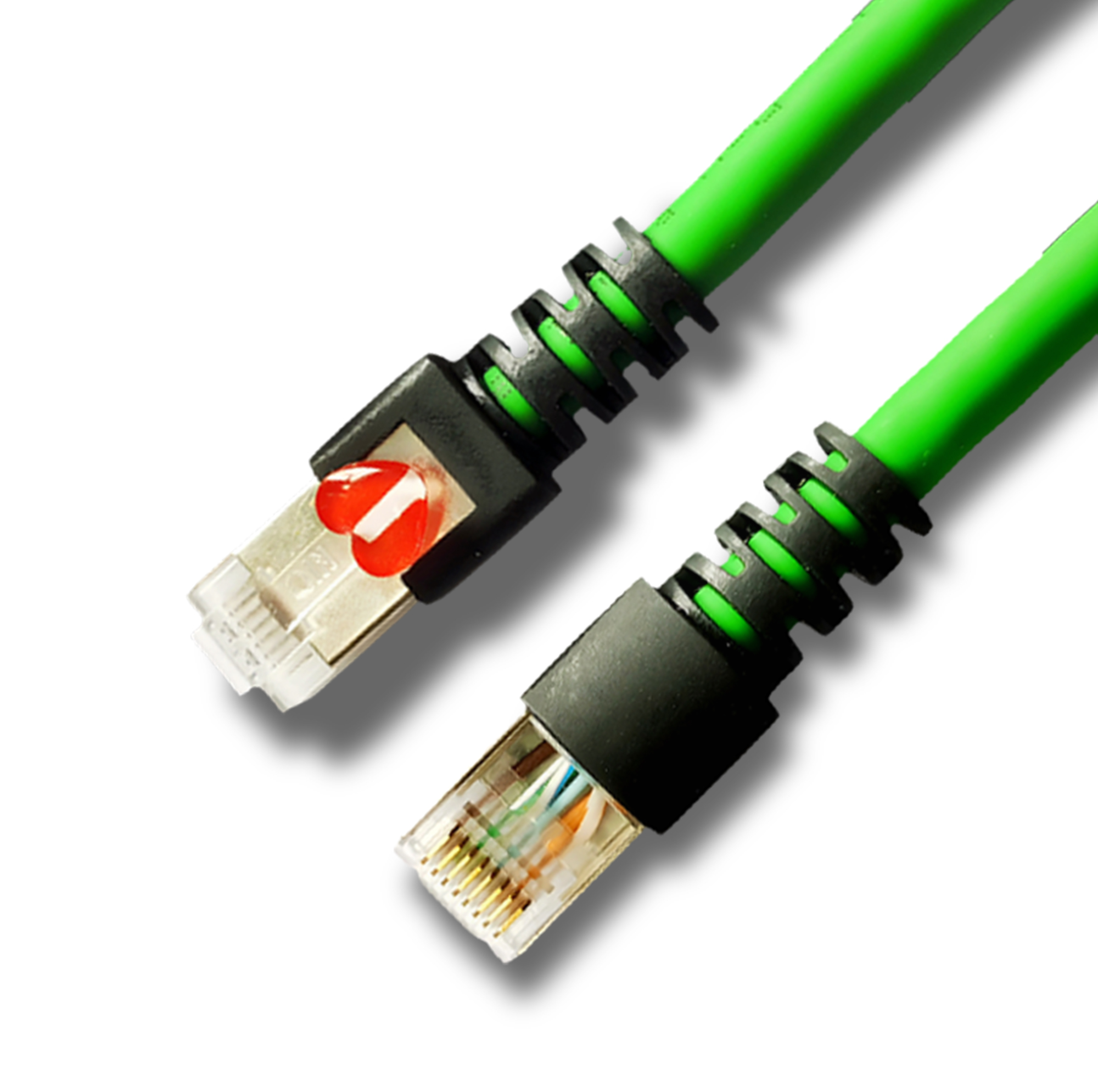
cat6a copper UTP patch lead
In computer room wiring, office networking and 10G transmission scenarios of data centers, Cat6a copper UTP patch lead serves as the core cable connecting switches, servers and terminal devices. Most purchasers only focus on 10G transmission performance, while ignoring that the service life of cables directly determines network operation and maintenance costs and long-term stability. High-quality Cat6a copper UTP patch lead can work stably for 8 to 12 years, while low-quality jumpers with rough copper cores and craftsmanship will suffer transmission attenuation, wire breakage, poor contact and other faults after only 3 to 5 years. Analyzing this unshielded copper Cat6A patch lead from the perspective of service life can help users avoid loss risks and extend its service cycle.
Conductor material is the core factor determining the basic service life of Cat6a copper UTP patch lead. Formal products adopt high-purity oxygen-free copper as conductors with extremely low impurity content, featuring outstanding oxidation and corrosion resistance. They are unlikely to form copper verdigris oxide layers after long-term power-on and exposure to humid air, so the contact resistance will not rise rapidly and maintain complete 10Gbps transmission capacity for a long time. In contrast, low-cost jumpers mix copper-clad aluminum and copper-clad iron materials, whose metals oxidize easily. After two or three years of use, the contacts of crystal heads turn black and inner wire cores rust, resulting in frequent network packet loss and sharp drop of network speed, cutting the overall service life by two-thirds. Oxygen-free copper conductors have stronger ductility, and are not easy to break internally after repeated bending, adapting to the frequently moved and plugged environment of computer rooms, which is the key reason why pure copper Cat6a copper UTP patch lead is far more durable than composite metal cables.
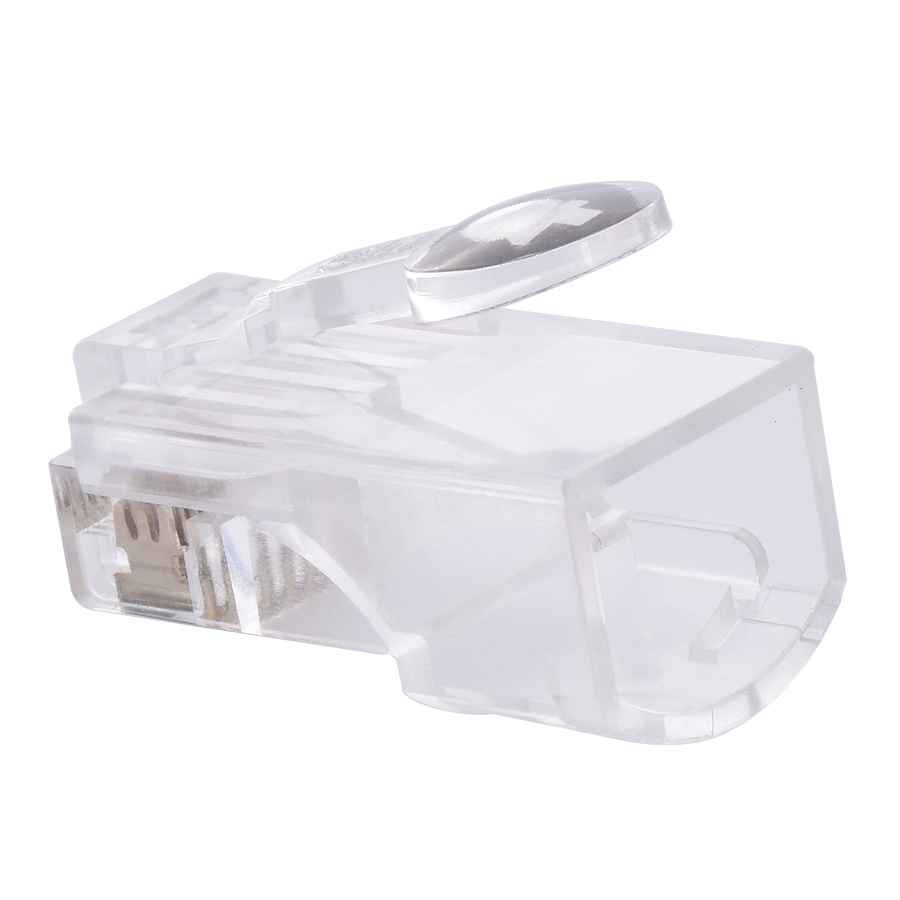
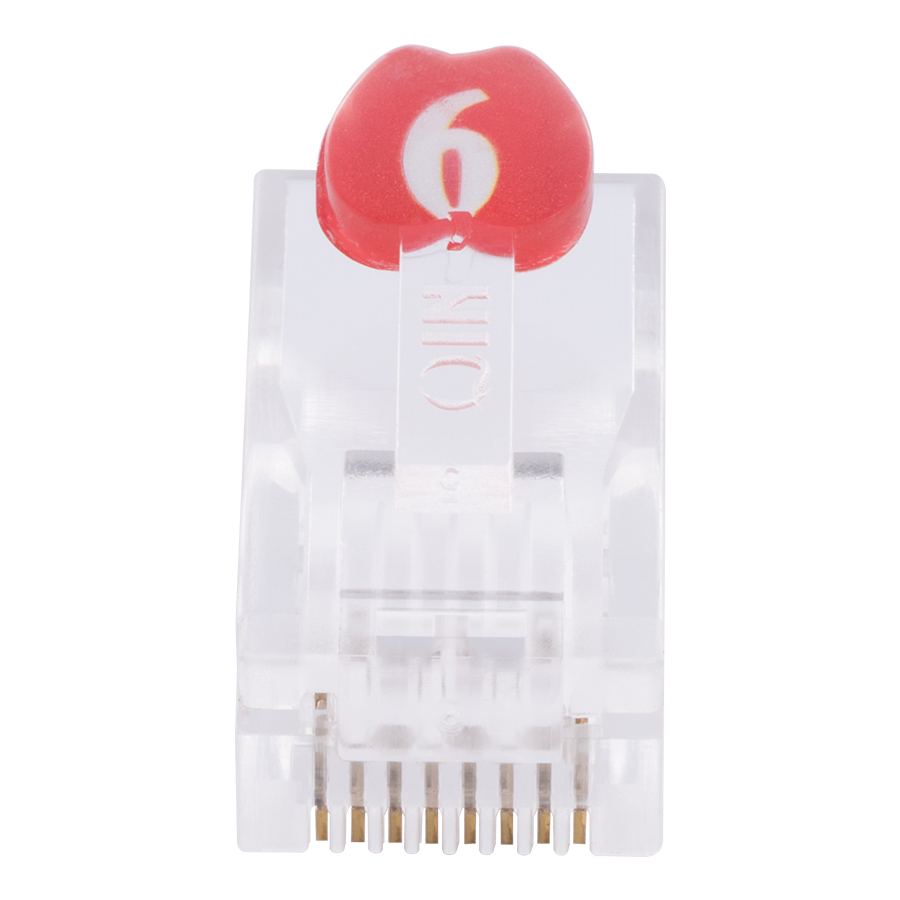
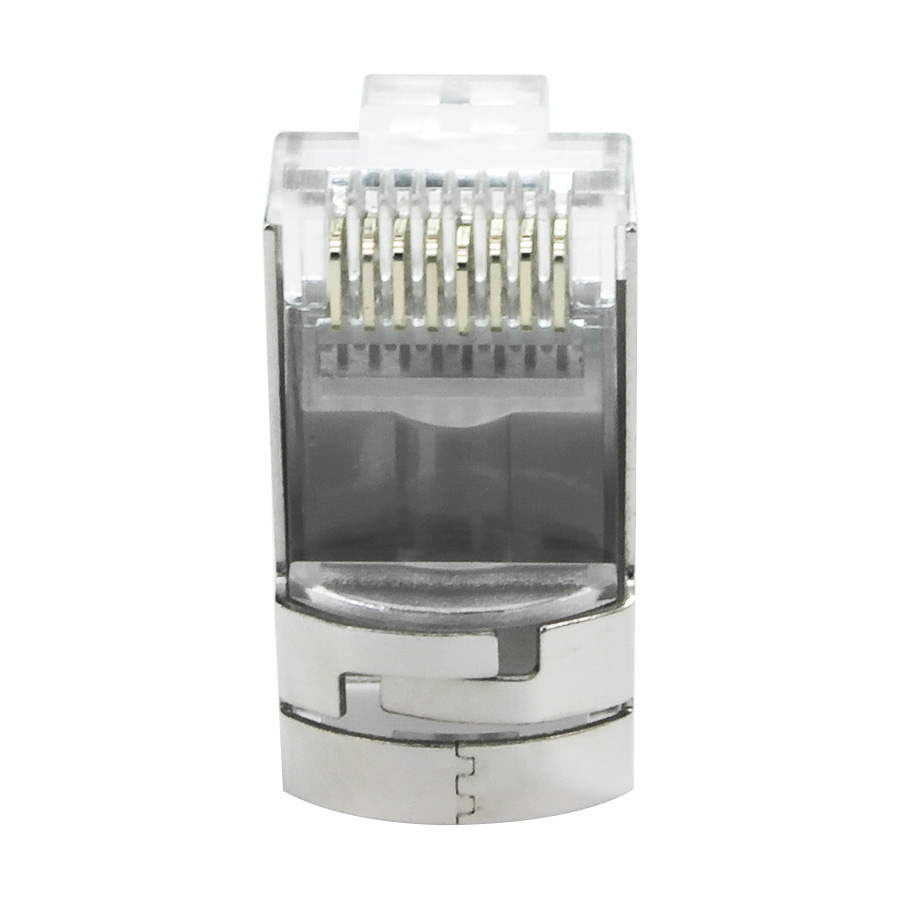
Structural craftsmanship and outer jackets directly affect daily loss speed and the actual service life of Cat6a copper UTP patch lead. Standard Cat6A requires four pairs of wire cores to be precisely twisted at equal intervals, matched with an integrated cross isolation skeleton to fix the spacing of twisted pairs, avoiding deformation of twisted structures after long-term extrusion and bending and preventing excessive crosstalk; inferior products omit skeletons with loosely tangled wire cores, and slight pulling will damage the transmission structure and greatly shorten the available service life. Outer jackets are divided into environmental PVC and LSZH (Low Smoke Zero Halogen). PVC jackets are wear-resistant and resistant to daily oil stains with slow aging at indoor normal temperature; LSZH jackets are high-temperature and UV resistant, and not easy to crack and embrittle under closed high temperature in computer room cabinets. Both compliant jackets can delay the aging and cracking of outer skins. Crystal heads adopt thickened gold-plated shrapnels, which can maintain stable contact pressure after thousands of plugging and unplugging cycles without loose contact failure; cheap thin gold-plated crystal heads suffer coating wear and oxidation after hundreds of plugging times, the connectors are scrapped first and the whole jumper is eliminated in advance.
Environment and usage habits are major human factors shortening the service life of Cat6a copper UTP patch lead. Long-term placement in humid, oily and direct sunlight areas accelerates hardening and cracking of jackets, and water vapor invades to corrode copper cores; excessive bending of cables with bending radius less than 4 times the cable diameter easily causes hidden breakage of inner copper wires; violently dragging cables and directly pulling crystal heads for plugging will lead to breakage at the connection of wire cores and connectors as well as cracking of injection-molded jackets. Disordered tangled cables and long-term rolling by heavy objects in computer room cabinets exert continuous physical stress on wires, and accumulated annual loss will halve the service life.
To maximize the service life of Cat6a copper UTP patch lead, standardized regular maintenance specifications shall be implemented. Reserve a reasonable bending radius during wiring, organize cables with cable management racks and cable ties to avoid extrusion and tangling; hold the plastic jacket of crystal heads during plugging and unplugging instead of pulling the cable body; wipe gold-plated contacts of crystal heads with anhydrous alcohol every year to remove dust and oil stains and prevent oxidation; prioritize LSZH jacket models in humid and high-temperature computer rooms, keeping away from heat sources and water accumulation areas; regularly test crosstalk and attenuation parameters with Fluke testers, and replace cables in time once performance declines to avoid large-scale network faults caused by overdue wires.
In summary, the service life of Cat6a copper UTP patch lead is jointly determined by four dimensions: copper core material, structural craftsmanship, service environment and daily maintenance. Select genuine jumpers made of high-purity oxygen-free copper with standardized injection molding craftsmanship, matched with standardized wiring and regular maintenance, to give full play to the designed service life of cables, reduce procurement and shutdown maintenance costs caused by frequent cable replacement, and build a long-term stable and cost-effective wiring foundation for 10G networks.
-
-
-
-
-
-
-
-
-
-
CAT6 Ethernet Gigabit Cable
Aug 15, 2026907
-

Media Converter Network Patch Cord
Jun 27, 2026906
-
UY2 Connector for Telephone Wire
Jul 08, 2026897
-
Network Cable Bandwidth Capacity
Jul 06, 2026897
-
Flame Retardant Cat7 Boot Cover
Jul 14, 2026888