- Language
cat7 copper SFTP patch cable
In the 10G high-speed network wiring system, as the core transmission medium for terminal equipment docking, computer room link jumping and local area network networking, patch cables’ internal structural design directly determines network transmission stability, anti-interference capability, service life and working condition adaptability. The cat7 copper SFTP patch cable is a core wire material for high-end integrated wiring projects. Different from ordinary Category 6 and 6A unshielded patch cables, it adopts a standardized multi-layer composite structural design. Relying on pure copper conductor base material, SFTP double-layer shielding architecture, precision twisted pair layout and wear-resistant protective outer sheath, it builds a high-precision, high anti-interference and low-loss transmission structure, perfectly adapting to 600MHz high bandwidth and 10Gbase-T 10G transmission protocol. Compared with the basic structure of ordinary network cables which only consist of conductors and insulating layers, the modular layered structure, exclusive shielding structure and precision mechanical structure of this patch cable solve the industry pain points such as high-frequency crosstalk, electromagnetic interference, signal attenuation and bending loss at the hardware structure level. From a professional structural perspective, this paper disassembles the six core structures of cat7 copper SFTP patch cable, including conductor core structure, insulating isolation structure, SFTP double-layer shielding structure, twisted pair structure, outer sheath protection structure and port docking structure, deeply analyzes the design principles, structural advantages and adaptive value of each structure, and fully explains the core supporting role of structural design in network performance, durability and scenario adaptability, providing professional structural reference basis for the selection, construction and application of high-end networking patch cables.
The conductor core structure is the fundamental core of the transmission performance of cat7 copper SFTP patch cable and the key structure distinguishing it from inferior network cables. This patch cable fully adopts high-purity oxygen-free solid pure copper conductors, complying strictly with the national standard 23AWG standardized core wire specifications. Each single conductor features uniform thickness, consistent density and ultra-low resistance, eliminating alternative materials such as copper-clad aluminum and copper-clad iron commonly used in inferior wires. Pure copper conductors have excellent electrical conductivity and signal transmission characteristics, with extremely low current transmission loss, no delay or attenuation in high-frequency data transmission, and can stably support the 600MHz ultra-high bandwidth and 100-meter 10G transmission requirements of Category 7 network cables. In terms of structural design, each signal conductor is independently formed without broken cores, thickness deviation or impurity interlayers. The smooth surface of the conductor is tightly wrapped with a special insulating layer to prevent conductor oxidation, electric leakage and signal scattering. Meanwhile, the pure copper conductor has excellent structural toughness in physical properties, with superior tensile strength and bending resistance compared with alloy materials. It will not suffer from core wire fracture or poor contact after long-term repeated bending and pulling, perfectly adapting to the usage characteristics of patch cables with frequent plugging, bending storage and equipment displacement. The standardized conductor structure layout ensures highly unified transmission parameters of each group of wire pairs, fundamentally guaranteeing the stability and consistency of full-link data transmission and avoiding network stuttering, packet loss and rate fluctuation caused by uneven conductor structure.
The layered insulating isolation structure is an important barrier to ensure independent transmission of wire pairs and eliminate internal crosstalk, providing basic structural support for the high-speed transmission of cat7 copper SFTP patch cable. The patch cable adopts a multi-layer independent insulation structure, with four groups of twisted pairs respectively equipped with exclusive high-density PE insulating layers. The insulating layers feature uniform thickness, regular shape and strong sealing, realizing complete electrical isolation of single conductors and single wire pairs, and thoroughly eliminating internal signal crosstalk and electric leakage between core wires. Different from the simple integral wrapping insulation structure of ordinary network cables, its split insulation design accurately adapts to the high-frequency transmission characteristics of Category 7 network cables. Under 600MHz high-frequency data transmission working conditions, it effectively suppresses signal coupling interference between adjacent wire pairs and solves the problems of excessive near-end crosstalk and far-end crosstalk common in high-speed transmission. The insulating material has the structural characteristics of high temperature resistance, aging resistance and high insulation coefficient, which can stably withstand temperature fluctuations from -20℃ to 60℃ for a long time, without structural failures such as softening, hardening, cracking and aging falling off of insulating layers caused by ambient temperature changes, and steadily maintain insulating and isolation performance. At the same time, the insulating layer fits closely with the internal conductor and external shielding layer without gaps or loosening, ensuring a compact and regular overall wire structure, avoiding displacement and deformation of internal structure after long-term use, and guaranteeing long-term stable and undeformed transmission structure.
The SFTP double-layer composite shielding structure is the iconic core structure of cat7 copper SFTP patch cable and the core source of its superior anti-interference capability. SFTP stands for Shielded Foiled Twisted Pair, adopting a double-layer closed-loop shielding architecture of "independent aluminum foil shielding for wire pairs + overall metal braided shielding", which is the most perfectly structured and strongest anti-interference shielding design among civil network cables. The inner layer is an independent aluminum foil shielding structure for single wire pairs. Four groups of twisted pairs are respectively wrapped with high-purity aluminum foil shielding layers to fully cover the wire pairs, realize independent electromagnetic isolation of each group of transmission wire pairs, completely block internal high-frequency crosstalk between wire pairs, and enable each group of wire pairs to transmit data independently and stably without mutual interference, perfectly adapting to the multi-thread and high-concurrency 10G data transmission working conditions. The outer layer is a fully covered metal braided mesh shielding structure, adopting high-density pure copper weaving technology with dense meshes, complete wrapping and no breakpoints or omissions. It fully wraps all internal wire pairs and insulating structures in 360 degrees, effectively resisting electromagnetic interference and radio frequency interference generated by external electromagnetic equipment, high-voltage lines and densely arranged computer room equipment, and eliminating network distortion, data packet loss and rate decline caused by external signal intrusion. The two layers of shielding structures cooperate with each other for layered protection to form a complete closed-loop electromagnetic shielding system. Meanwhile, it is equipped with a special shielding grounding structure to quickly derive interference current, thoroughly solving network transmission faults in mixed high and low voltage distribution and complex electromagnetic environments, adapting to high-interference scenarios such as data centers, industrial computer rooms and intelligent buildings.
The precision differential twisted pair structure is a key mechanical and electrical structure to optimize transmission timing and reduce signal loss, serving as an indispensable core design of cat7 copper SFTP patch cable. The four groups of internal twisted pairs of the patch cable adopt a differentiated precise pitch design, abandoning the simple uniform pitch structure of ordinary network cables. The winding angle and spacing are matched according to signal transmission characteristics, with staggered and precisely proportioned pitch lengths for each group of wire pairs, which can offset electromagnetic self-interference during transmission to the greatest extent and further optimize the crosstalk suppression effect. The twisted pair structure forms a stable electromagnetic balance field when transmitting high-frequency signals, effectively correcting signal transmission phase, reducing signal attenuation and phase offset, and ensuring signal integrity within a 100-meter transmission distance. At the same time, the regular twisted winding structure greatly improves the overall mechanical stability of the wire, making the internal wire pairs arranged closely and orderly without disorderly winding or extrusion dislocation, and enhancing the overall tensile and torsion resistance of the wire. When the wire is bent, twisted and stretched, the twisted pair structure can evenly disperse external forces, avoid internal core wire fracture and shielding layer damage caused by local stress concentration, adapt to the daily use scenarios of patch cables such as bending storage, equipment displacement and cabinet wiring bending shaping, and balance transmission performance and structural durability.
The high-wear-resistant protective outer sheath structure is the outer protective barrier to ensure long-term wire use and adapt to multi-scenario working conditions. The cat7 copper SFTP patch cable is equipped with high-quality PVC or LSZH low-smoke zero-halogen environmentally friendly protective outer sheath, both of which have excellent structural stability and protective performance. Adopting an integral extrusion molding process, the outer sheath has uniform overall thickness, smooth surface and sufficient toughness, closely fits the internal shielding structure without bubbles, cracks or falling-off defects, and can comprehensively protect the internal core structure from external wear, extrusion and collision damage. PVC outer sheath features excellent wear resistance, tensile resistance and aging resistance, waterproof, dustproof and oil-proof, suitable for long-term use in conventional indoor networking and office scenarios; LSZH low-smoke zero-halogen outer sheath has special structural advantages of flame retardancy, high temperature resistance, low smoke and non-toxicity, no fire spread and no toxic gas release in case of fire, adapting to fire-compliant scenarios such as closed computer rooms and high-end buildings. The outer sheath has rounded edges and excellent bending resistance, no whitening, cracking or deformation after repeated bending, effectively protecting the internal double-layer shielding structure and pure copper conductor structure from damage. Meanwhile, the outer sheath material is UV-resistant and aging-resistant, and will not deteriorate or embrittle for a long time in outdoor ventilated and cabinet high-temperature closed environments, which can maintain the integrity of the overall wire structure for a long time and greatly extend the service life of the patch cable.
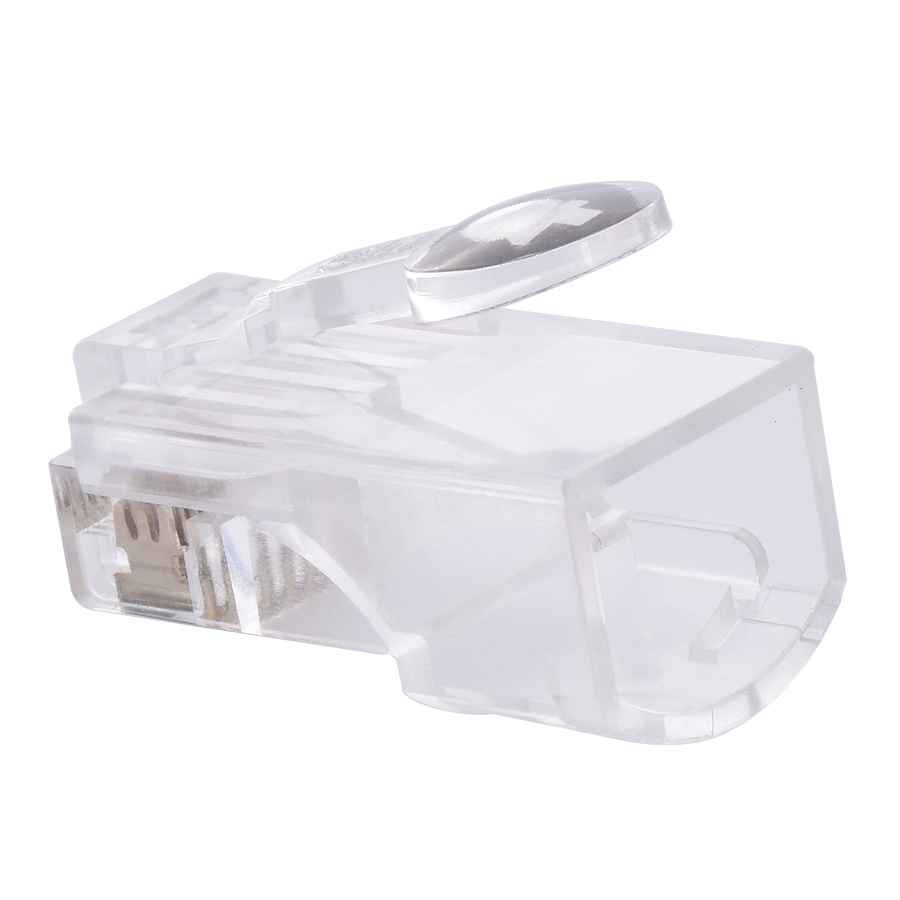
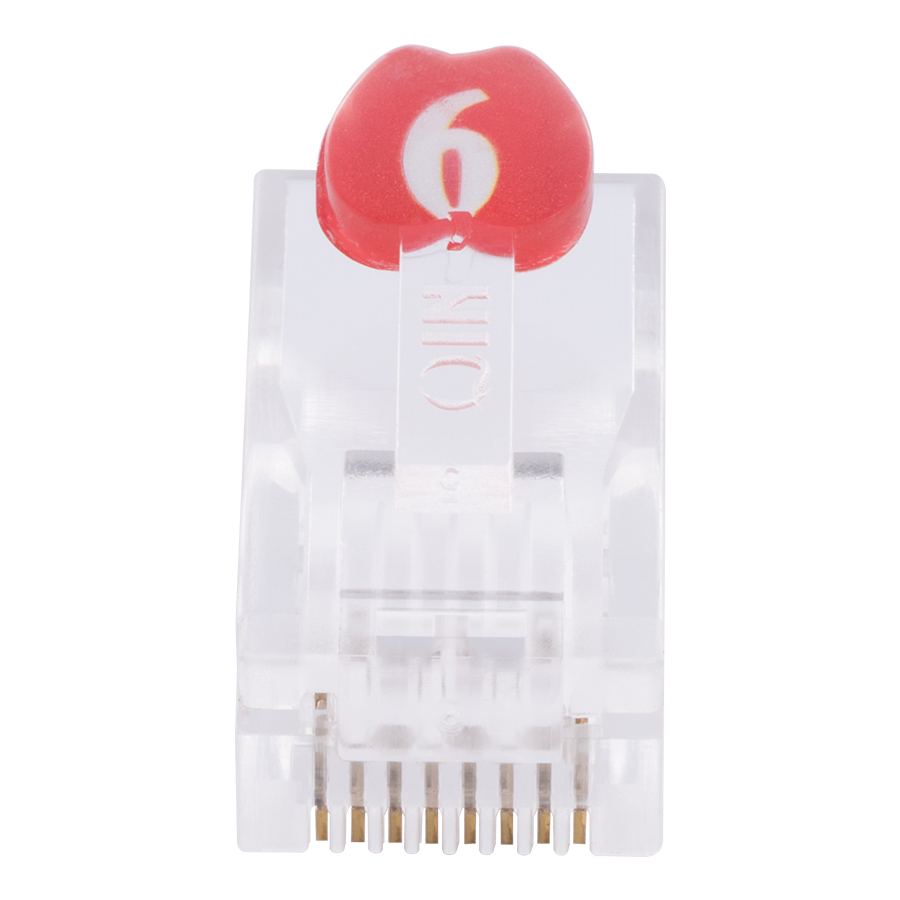
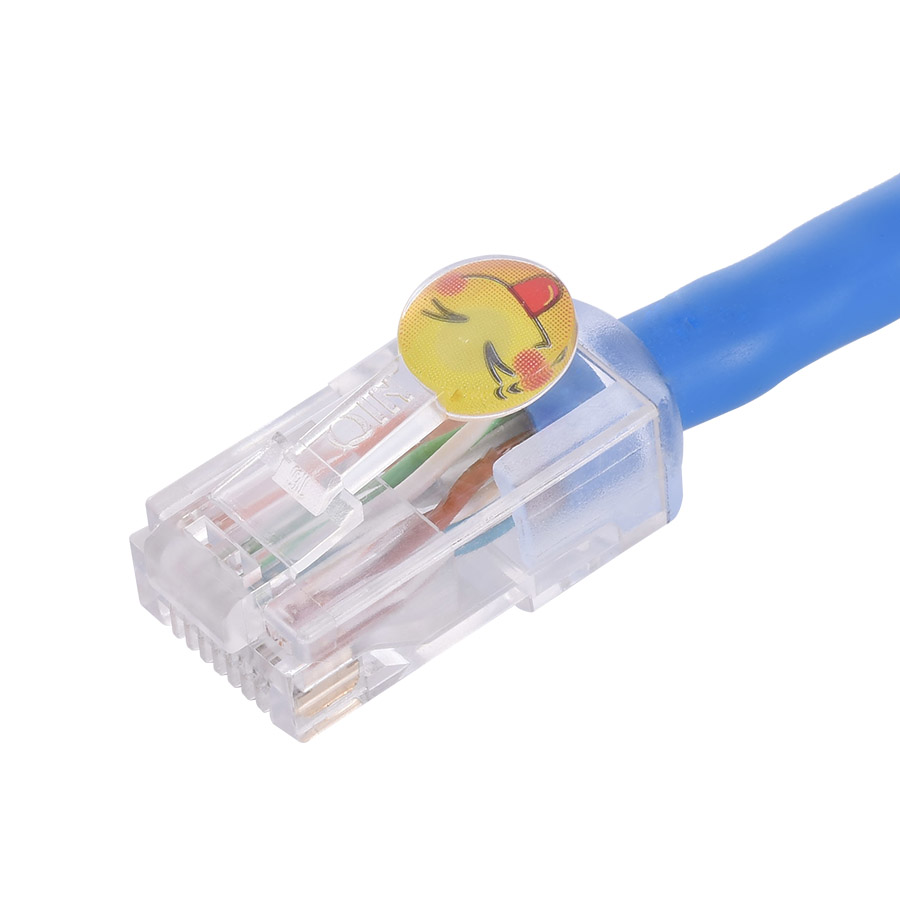
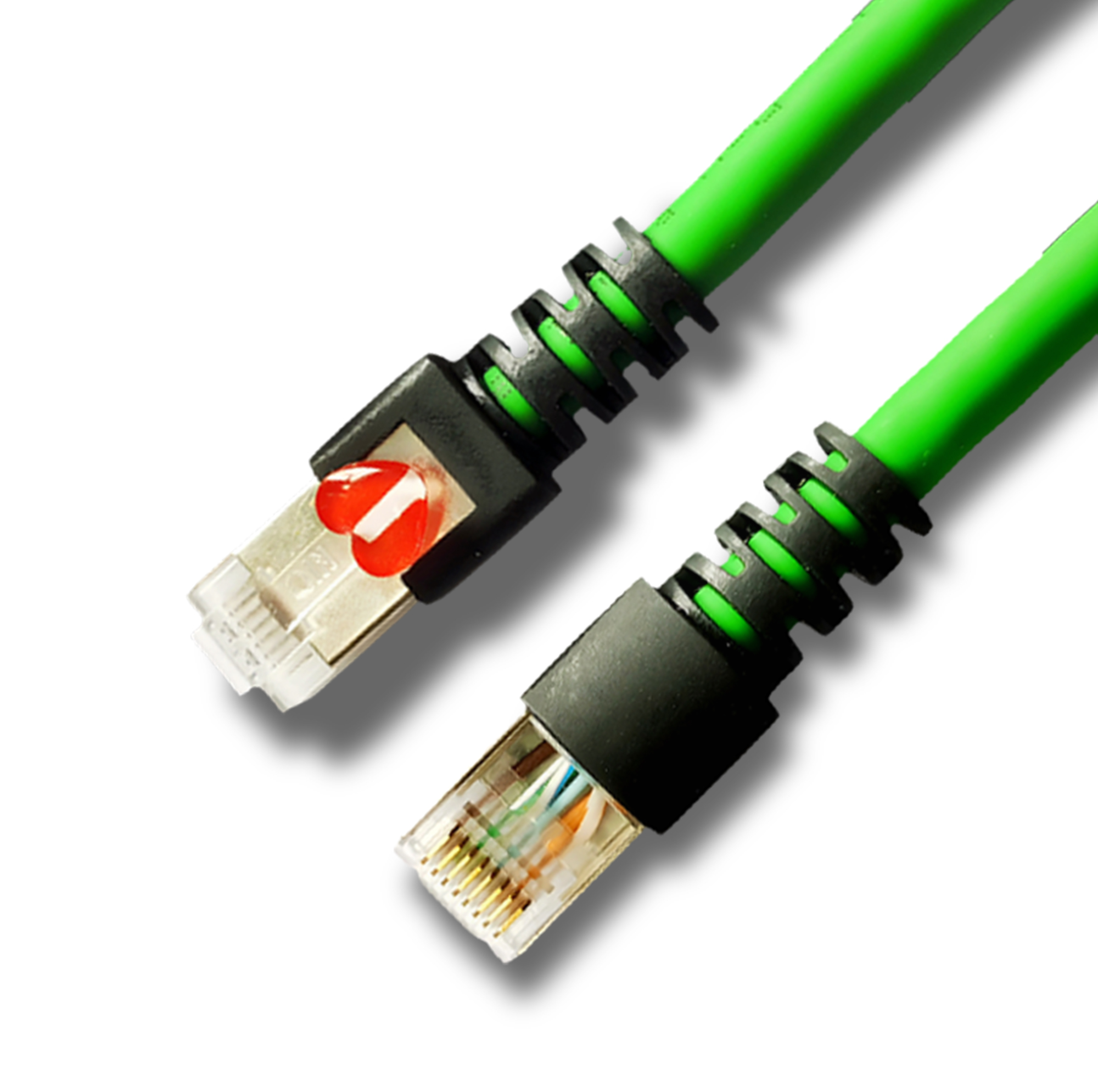
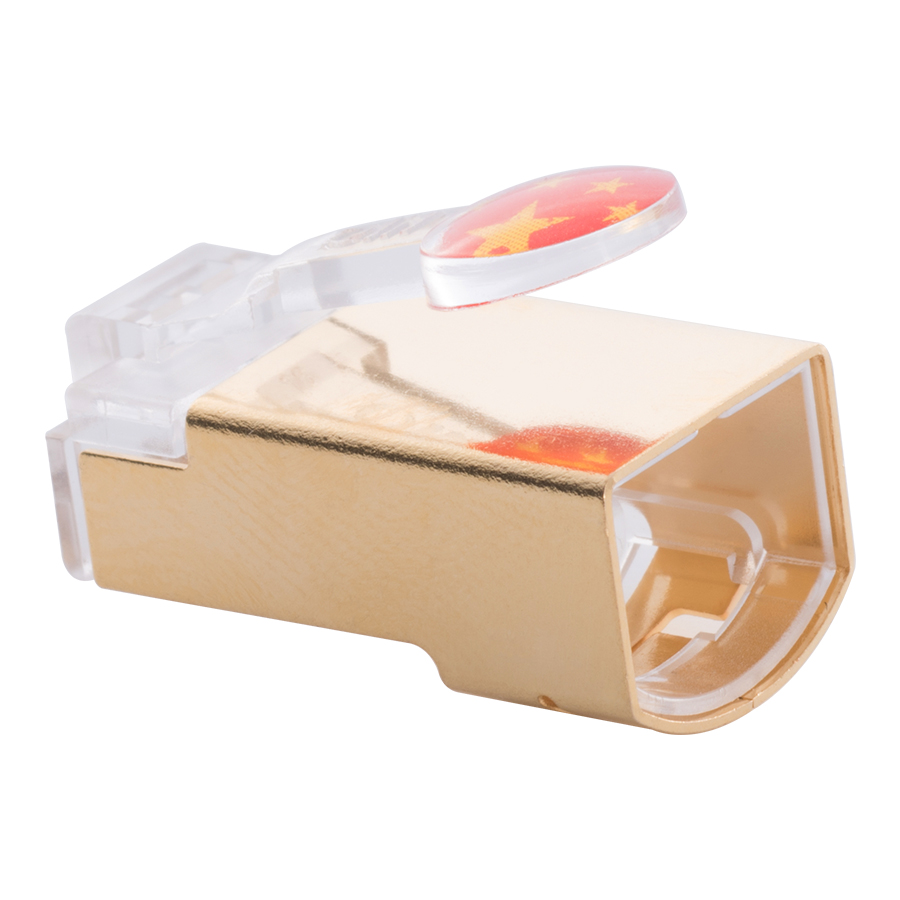
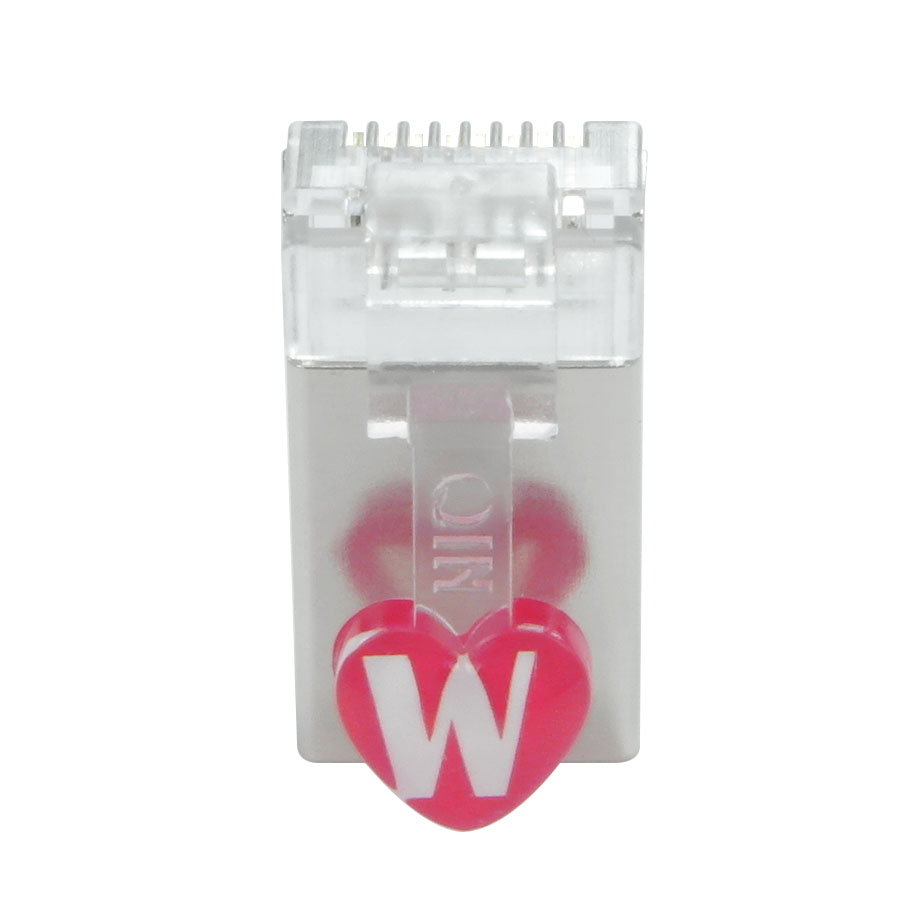
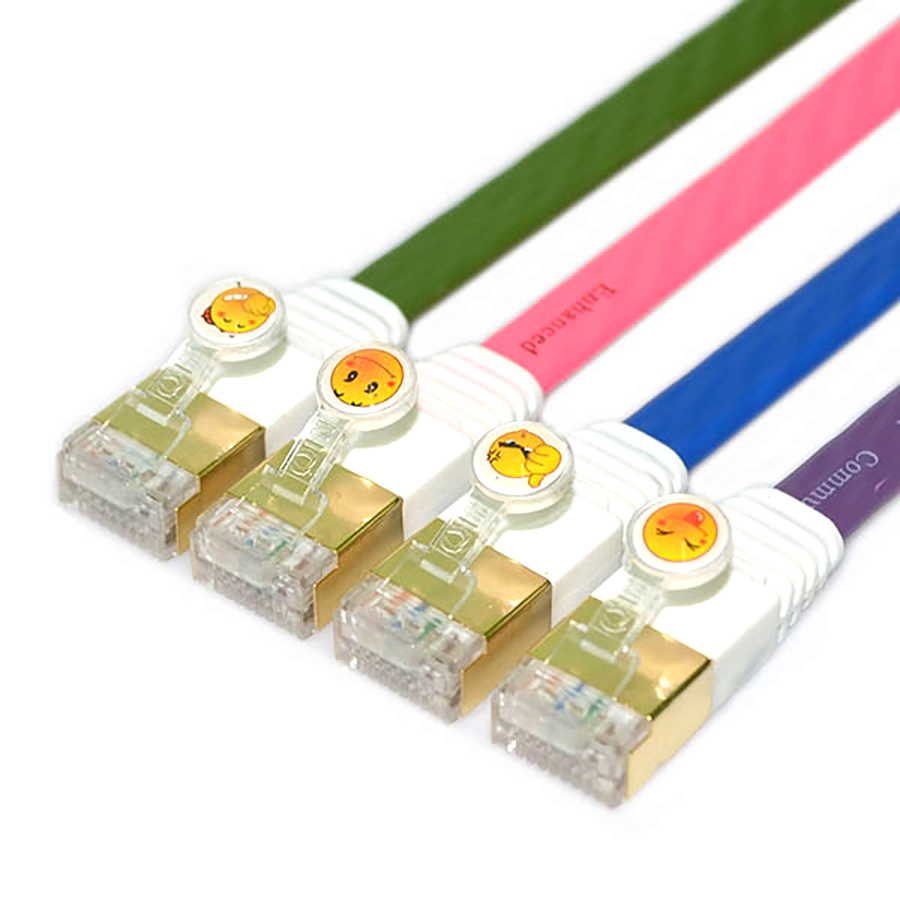
The standardized port docking structure realizes accurate adaptation between wires and equipment, improving the closed loop of the overall transmission link structure. Both ends of the cat7 copper SFTP patch cable are equipped with standardized gold-plated RJ45 connectors. The internal card slots, pins and shielding bases of the connectors strictly match the structural parameters of Category 7 wires, with accurate and regular 8P8C pin layout. The 50-microinch gold-plated contacts are anti-oxidation, anti-corrosion and ultra-low resistance. The internal reinforcement injection molding structure of the connector is accurately docked with the wire outer sheath, shielding layer and core wire without loosening or gaps. It is also equipped with anti-slip buckles and anti-break tail handle structures to effectively prevent connector fracture, wire falling off and core wire virtual connection during plugging and unplugging. The connector comes with a metal shielding shell, which is seamlessly docked with the outer braided shielding layer of the wire to form a full-link shielding closed loop from beginning to end, eliminating shielding faults at the port docking position and preventing interference signals from invading through port gaps, ensuring complete and effective shielding structure of the whole link. The standardized port structure is compatible with all RJ45 network port equipment with smooth plugging and accurate clamping, featuring strong structural adaptability. It perfectly realizes seamless docking between equipment and links, and guarantees the stability and integrity of 10G transmission from the port structure level.
From the perspective of comprehensive structural design, the cat7 copper SFTP patch cable forms an integrated transmission architecture with layered protection and layered empowerment through six core structures: pure copper conductor core, layered insulation isolation, SFTP double-layer shielding, precision twisted pair arrangement, wear-resistant outer sheath protection and standardized port docking. All its structural designs are built around the core requirements of 10G high-speed transmission, strong anti-interference, high stability and long service life. Each structure cooperates and complements each other to realize all-round structural optimization from internal signal transmission and interference suppression to external physical protection and equipment adaptation. Compared with the simple structure of Category 6 and 6A network cables, the composite structural design of this patch cable thoroughly solves the transmission shortcomings and working condition hidden dangers of high-speed networks, with higher structural accuracy, more perfect protection system and more stable mechanical performance. It is the optimal structural selection for current high-end local area networks, computer room wiring, industrial networking and e-sports audio and video networking. Relying on the extreme structural design, it continuously outputs stable, high-speed and low-loss network transmission performance.
-
-
-
-
-
-
-
-
-
-

Media Converter Network Patch Cord
Jun 27, 2026904
-
Network Cable Bandwidth Capacity
Jul 06, 2026895
-
UY2 Connector for Telephone Wire
Jul 08, 2026892
-
Wall-mounted Network Cabinet
Jun 30, 2026878
-
Four-Port Network Faceplate
Jul 03, 2026875